REVIEW · CHIANG MAI
Cooking Morning Class Chiang Mai Visit Organic Garden and Market
Book on Viator →Operated by Siam Garden Cooking School · Bookable on Viator
Cook six Thai dishes in one morning. I like that this Chiang Mai class starts before you ever touch a knife: a guided market walk and an organic garden visit set you up with real ingredients and real Thai food logic. You get a hands-on cooking session at the stove, not a sit-and-watch demo.
One thing I really like is the menu setup. You choose what you’ll cook (including vegetarian, vegan, and gluten-free options), and you can usually adjust heat from mild to spicy. It also runs with a one-person-per-wok setup, plus you make your own curry paste using a mortar.
A practical consideration: pickup is only from select hotels in Chiang Mai Old Town. If your hotel isn’t in that zone, double-check how you’re expected to reach the start point.
In This Review
- Key points to know before you go
- Market and Garden: how this class teaches Thai food fast
- Pickup, timing, and what the 4.5-hour morning usually feels like
- The local market stop: fruit, herbs, and pantry basics with a guide
- Organic garden visit: the herb picking part you’ll remember
- Cooking stations: one person per wok, plus curry paste in your own mortar
- Your menu choices: 6 dishes total, with vegan, vegetarian, and gluten-free options
- Lunch setting: air-conditioning or garden pavilion dining
- Price and value: why about $13 can still feel like a real meal
- Who this cooking class suits best (and who should think twice)
- Quick booking checklist before your morning starts
- Should you book Siam Garden Cooking School in Chiang Mai?
- FAQ
- What time does the cooking class start and end?
- Is hotel pickup included?
- How long is the experience?
- Do I cook my own food or watch?
- Can I choose what dishes I cook?
- Is sticky rice with mango included?
- What’s included for lunch and drinks?
Key points to know before you go
- Market + garden first: you learn what Thai ingredients are and where they come from.
- One person per wok: you do the cooking, not just the sampling.
- Make curry paste yourself: you’ll grind ingredients with a mortar and pestle.
- Pick your own menu: 6 dishes total with dietary options available.
- Eat on-site: lunch happens either in an air-conditioned dining room or an outdoor garden pavilion.
- Bring home recipes: you receive a full color online recipe book and access to online photo albums.
Market and Garden: how this class teaches Thai food fast
Most cooking classes in Chiang Mai teach recipes. This one tries to teach the why behind them. You’ll start with a guided walk through a local food market, where you learn to spot common Thai staples and how different produce flavors show up later in dishes. It’s the difference between cooking from a recipe card and cooking with Thai food instincts.
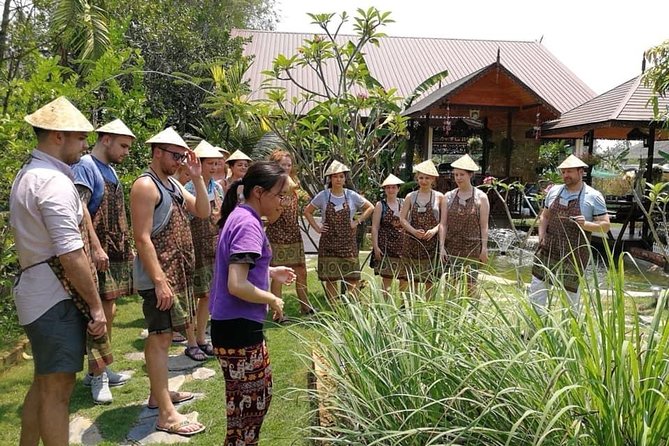
Then you head to the cooking school’s organic garden. This matters more than it sounds. Thai dishes lean heavily on fresh herbs and aromatic leaves, not just dried spices. When you actually see the herbs growing, you understand what you’re tasting. You also get hands-on experience selecting ingredients you’ll use during lunch.
Two names show up often in the instructor team: Gift and Cream. In real terms, that usually means you can expect friendly, step-by-step teaching in English, and a flow that’s designed to keep you moving even if the group is lively.
You can also read our reviews of more shopping tours in Chiang Mai
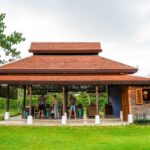

Pickup, timing, and what the 4.5-hour morning usually feels like
The class runs as a morning course, 9:00 to 14:00 (the finish time can shift a bit depending on the group). In a typical flow:
- 9:00–9:30: hotel pickup
- 10:00: visit the local market
- 10:30: arrive at the cooking school, then tour the organic garden
- 10:30 onward: cooking + eating
- 14:00: end of class, back to the meeting point
I like this timing because it’s not a half-day that stretches into your afternoon plans. You’re done by early afternoon, and you’ve eaten a full lunch you cooked yourself.
One logistical note you should plan around: the tour uses hotel pickup in Chiang Mai Old Town. If you’re staying outside the pickup area, you may need to start from the listed meeting point at The Pizza Company (รวมโชค… ชั้น 1). If pickup isn’t offered for your exact address, you’ll want to build in time for getting there.
The local market stop: fruit, herbs, and pantry basics with a guide
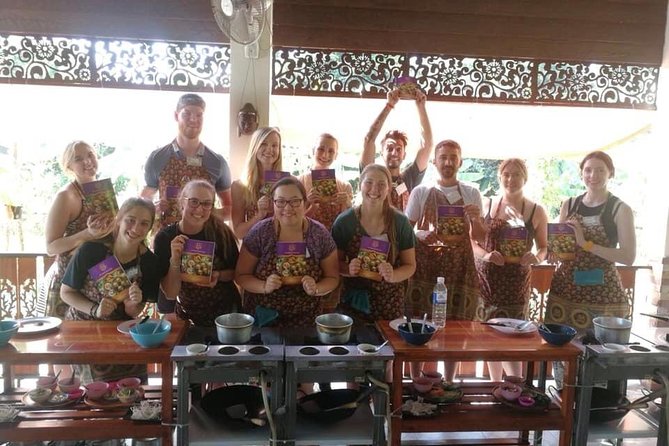
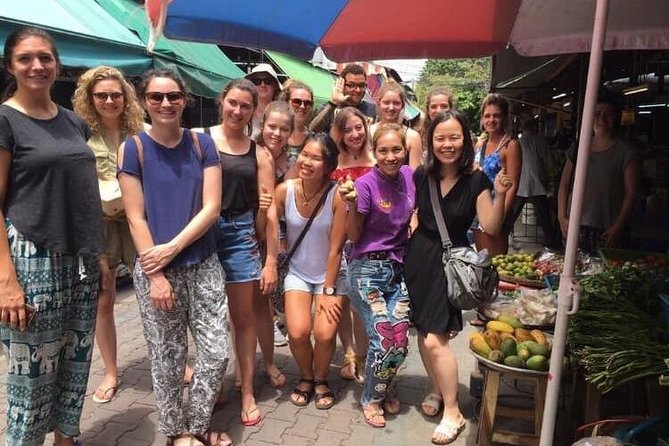
The market visit is where you start building context. You’ll walk with an English-speaking instructor and get pointed toward ingredients used in Thai home cooking. This isn’t just fruit-for-fun. You’ll learn how specific ingredients behave in Thai dishes—what’s sweet, what’s sour, what’s aromatic, and what turns into the base for sauces and pastes.
In particular, pay attention to:
- Seasonal produce: the market shows what’s fresh right now, not what’s imported year-round.
- Herbs and aromatics: Thai flavor often comes from fresh leaves and stems, not only chili and garlic.
- Rice context: you’ll later learn glutinous rice for sticky rice with mango, so seeing rice varieties early helps it click.
One practical tip: bring a bit of patience for the market walking pace. Markets are fast, crowded, and full of smells. The guide keeps it organized, but you’ll still want to go with a relaxed attitude and focus on learning rather than taking perfect photos.
Organic garden visit: the herb picking part you’ll remember
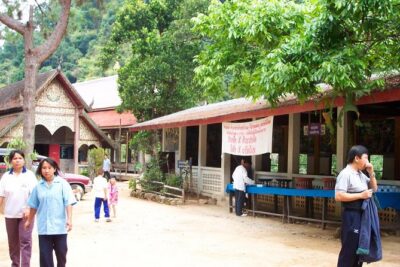
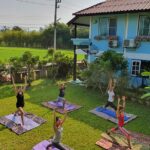
After the market, you get to the school and spend time in their organic garden. This is where the class becomes more than “buy ingredients, cook ingredients.” You’ll see plants in their real growing form—herbs, leafy greens, and aromatic ingredients used in Thai cooking.
Why it’s valuable: it changes how you shop later. Instead of thinking of “cilantro” or “basil” as generic items, you start connecting the plant to the dish. You also get a sense of portioning. When you learn what a Thai dish feels like with fresh leaves, it’s easier to reproduce at home.
Also, the garden area is part of the atmosphere. Even if you’re not the type who gets excited about gardening, it adds a calmer break between the busy market and the active cooking stations.
Cooking stations: one person per wok, plus curry paste in your own mortar
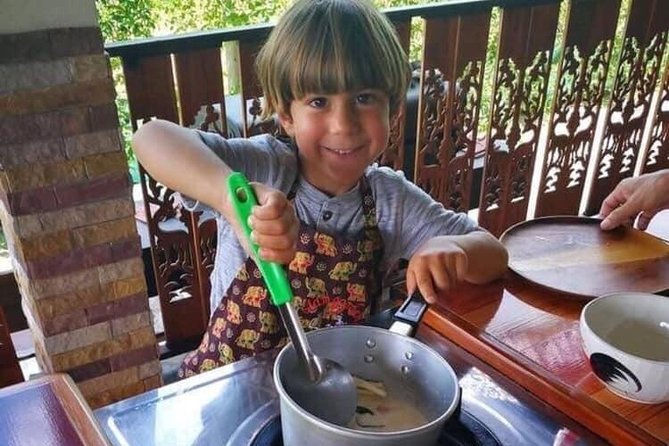
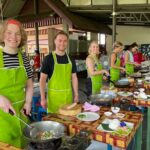
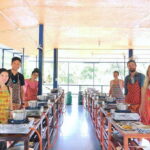
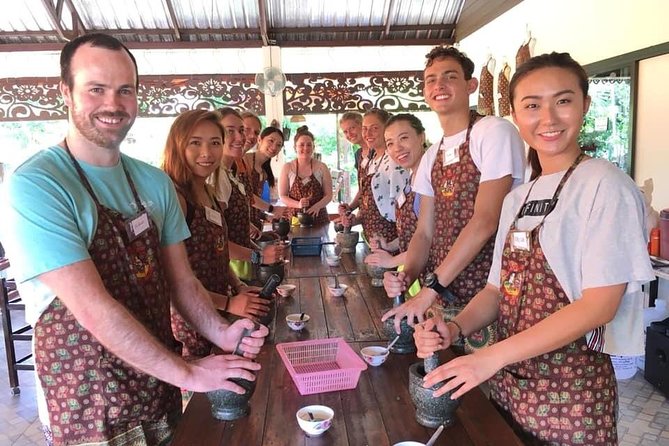
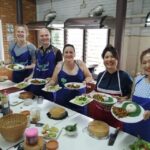
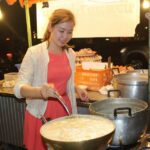
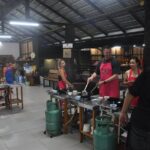
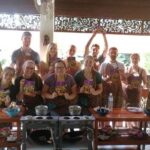
Here’s the main reason this class gets high marks: you actually cook. You’ll be assigned a station and cook your own dishes with guidance. The setup is designed so each participant has their own workspace—one person per wok—so you’re not waiting for someone else to finish.
You’ll also make curry paste yourself using one mortar per person. That’s a big deal. Curry paste isn’t just a spice mix; it’s a flavor engine made by grinding ingredients into a cohesive paste. When you make it, you learn how Thai flavors blend: chili heat, aromatics, and savory depth.
From the teaching style, you can expect step-by-step instruction. Some classes run with a firm, no-wasted-time vibe from the lead instructor (the headmaster-style energy comes up in feedback), and it tends to work well in kitchens—clear direction, faster results, fewer mistakes.
Practical pacing tip: you’ll likely see a mix of prep done ahead of time and hands-on cooking during class. If you’re hoping for totally raw, long prep chores, you might find some ingredients are already prepped to keep a smooth flow. The tradeoff is you spend more time cooking and less time waiting.
You can also read our reviews of more tours and experiences in Chiang Mai


Your menu choices: 6 dishes total, with vegan, vegetarian, and gluten-free options
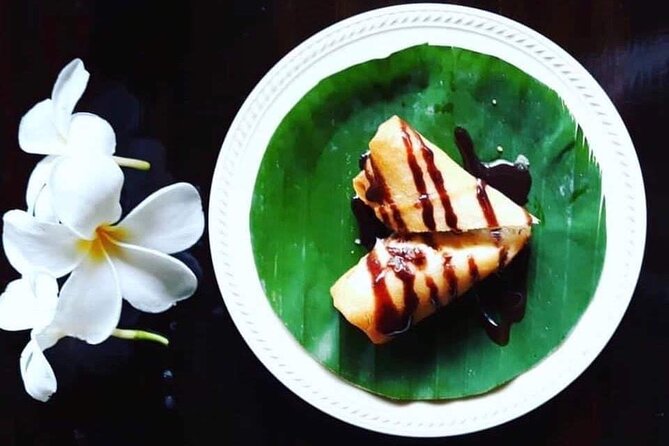
This is where the class is flexible. You choose from a menu structure that includes six cooking dishes:
- one appetizer
- one curry paste
- one curry
- one stir-fried dish
- one soup
- one dessert
That choice system is a big part of the value. You’re not stuck with a fixed set of dishes you might not like. You can also request dietary variations such as vegetarian, vegan, or gluten-free. Heat level is adjustable too, usually from mild to spicy.
A few dish cues that help you visualize the class:
- Sticky rice with mango is part of what they teach you to make (with the glutinous rice method).
- Classic Thai comfort foods often show up in the menu lineup, with examples like Pad Thai and Tom Yum soup appearing in the class style and recipe possibilities.
- Dessert finishes the meal, so you’re building the full Thai-food arc: snack/appetizer → savory main flavors → soup balance → sweet closure.
If you have allergies, you should inform staff during menu selection. The class specifically notes allergy options are available, so plan to speak up early rather than hoping it works itself out.
Lunch setting: air-conditioning or garden pavilion dining
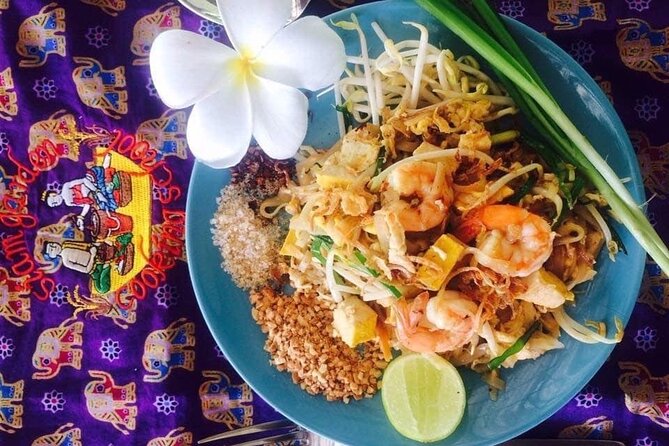
After cooking, you’ll eat what you made. The meal happens in one of two settings:
- a Chiang Mai-styled dining room with air conditioning, or
- an open-air Thai pavilion in the garden
I like having the choice because it changes the mood. Indoors feels calmer and cooler, especially if the morning is warm. Outdoors feels more like a garden meal, with the background of plants and the school grounds.
The class includes tea, coffee, and drinking water. Alcohol is not included, though it’s available to purchase.
One more smart detail: you can eat everything on site or take it away, which is handy if you finish with leftovers you’d rather not carry around.
Price and value: why about $13 can still feel like a real meal
At roughly $13.04 per person, this is priced like a bargain. The value isn’t just the low number—it’s what’s included:
- market + organic garden visit
- fresh ingredients for cooking
- English-speaking instruction
- one person per wok
- curry paste made by each participant
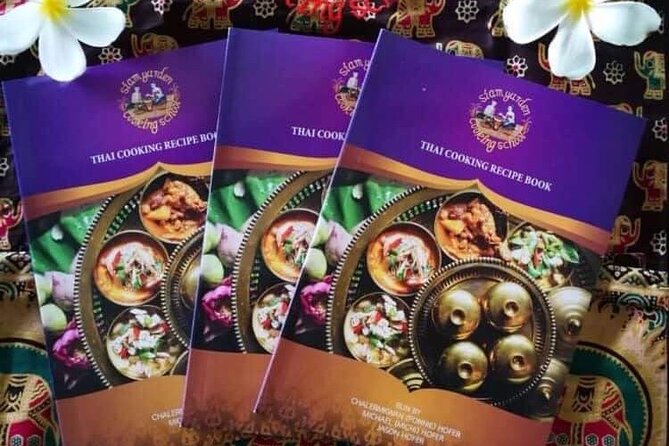
- full-color online recipe book
- online photo albums
- lunch experience plus tea/coffee/water
- select hotel pickup and drop-off in Chiang Mai Old Town
In most cooking classes, you pay for a meal and a demo. Here, you’re paying for a structured morning where you do the prep-to-plate work. The curriculum includes multiple dish types (appetizer, curry, stir-fry, soup, dessert), so you get breadth rather than one single highlight dish.
Can it feel rushed? If a group is large, you’ll move through cooking stations efficiently, and some prep may happen ahead of time to keep the class on track. But that efficiency is often what makes it worth the cost. You walk out with a meal you made, plus the recipes to recreate it.
Who this cooking class suits best (and who should think twice)
This is a great fit if you want:
- a hands-on Thai cooking session, not a show
- menu control (vegetarian/vegan/gluten-free options)
- a full morning itinerary that teaches ingredients as you go
- a practical souvenir: the online recipe book you can use later
It’s also ideal for families or friends who want a shared activity that still respects individual dietary needs.
If you’re the kind of traveler who wants quiet, slow, photographic wandering with minimal instruction, this may feel more structured than you expect. The format is built for progress: market, garden, then cooking, then eating.
One more note: the information you’re given says visitor and infant are not available. If you’re traveling with very young children or you’re planning to bring a non-cooking companion, you’ll want to check ahead about what’s allowed.
Quick booking checklist before your morning starts
To get the most out of the class, do these basics:
- Choose your menu in advance if that’s offered, and tell staff about spice level and dietary needs.
- Wear comfortable shoes. You’ll walk through a market and spend time outdoors in a garden.
- Plan to hydrate. You’ll get tea/coffee/water, but Chiang Mai mornings can still feel warm.
- Think about what you’ll cook again at home. The sticky rice with mango and curry paste skills are the kind you’ll actually repeat.
Should you book Siam Garden Cooking School in Chiang Mai?
I’d book it if you want a well-paced morning that mixes ingredient education with real cooking. The market + organic garden sequence gives you context, and the one person per wok setup means you’ll feel like you made lunch, not just participated in it. The ability to tailor your menu, including vegan/vegetarian/gluten-free options, makes it easier to travel with mixed diets.
I’d hesitate only if your hotel isn’t in the Old Town pickup zone or if you need a class that’s ultra-slow and mostly observational. Otherwise, this is the kind of experience that leaves you with edible memories and a recipe book you can use long after the market smells fade.
FAQ
What time does the cooking class start and end?
The morning course starts with pickup around 9:00 and runs until about 14:00, with the finish time depending on the group.
Is hotel pickup included?
Pickup and drop-off are included for select hotels in Chiang Mai Old Town. If your hotel isn’t in that area, you may need to use the listed meeting point.
How long is the experience?
It lasts about 4 hours 30 minutes (approx.).
Do I cook my own food or watch?
You cook your own meal with guidance. The class uses one person per wok, and you also make curry paste using one mortar per person.
Can I choose what dishes I cook?
Yes. Each participant selects menu items for the set of dishes (appetizer, curry paste, curry, stir-fried dish, soup, and dessert). Meat and vegetarian, vegan, and gluten-free options are available, as are allergy options.
Is sticky rice with mango included?
The class includes learning how to cook glutinous rice for sticky rice with mango.
What’s included for lunch and drinks?
Lunch is included, and you can eat on-site or take food away. Tea, coffee, and drinking water are included. Alcoholic beverages are available to purchase but are not included.