REVIEW · CHIANG MAI
Chiang Mai Cooking Class
Book on GetYourGuide →Operated by TTWU Company Limited · Bookable on GetYourGuide
That first walk through the vegetable market sets the tone. You get real shopping with a local chef, then a small-group, hands-on Thai cooking class that turns ingredients into a full meal. What I love most is the course-by-course structure you actually cook (not just watch), and the option to make vegetarian, vegan, or gluten-free dishes. One possible drawback: if you’re short on time or hate markets, you’ll have less fun with the shopping portion.
This is built for people who want practical skills they can repeat later. The class runs about 5 hours, uses all ingredients, and keeps the group small (up to 10), so you’re not lost in the crowd. I also like that the chef explains the Thai kitchen and the menu in detail before you start cooking.
The experience is English-friendly (and Thai is used too), and pickup is only from the Chiang Mai Old Town area. If you’re staying outside that zone, you’ll want to double-check how pickup works for your hotel area.
In This Review
- Key points worth your attention
- From Old Town Pickup to a Market That Teaches You What to Buy
- Vegetarian, Vegan, or Gluten-Free Cooking Without Feeling Like an Afterthought
- The Open-Air Class Setup and the Hands-On Rhythm
- What You’ll Cook: From Appetizer to Mango Sticky Rice
- Thai Kitchen Lessons That Actually Help You Cook Later
- Teaching Style and Group Energy (Yes, Chef Personality Matters)
- Price and Value: Is $45 Worth a 5-Hour Thai Cooking Lesson?
- Who Should Book This Chiang Mai Cooking Class
- Should You Book It?
- FAQ
- How long is the Chiang Mai cooking class?
- Where does pickup happen?
- What activities are included during the class?
- Is this class suitable for vegetarians, vegans, or gluten-free diets?
- How many people are in the group?
- What languages are used during the cooking class?
- Are ingredients included?
- Is there an option for a private class?
- Is free cancellation available?
- Do I have to pay right away?
Key points worth your attention
- Old Town pickup, then market shopping with a chef helping you choose ingredients
- Vegetarian, vegan, or gluten-free options built into the cooking plan
- Small group size (10 max) so you get hands-on time
- A full meal you cook, typically spanning appetizer, soup, rice/noodles, curry, and mango sticky rice
- English/Thai instruction with a lively teaching style
- All ingredients included, so you’re not guessing or paying extra
From Old Town Pickup to a Market That Teaches You What to Buy
Your day starts with pickup from the Chiang Mai Old Town area. That matters because it keeps the morning simple. No hunting for a meeting point while you’re still figuring out the city.
Then you go straight into the market side of the experience. The chef guides you through a vegetable market, explaining what ingredients do in Thai cooking and how to recognize key items. In practice, this is the part that turns the class from entertainment into education. You’re learning what to look for, not just what to cook.
A good sign here: the chef helps with grocery shopping for the class. That means you’re not left to wander and guess. It also sets up the cooking stage, because you’ll see the ingredients again later in your own prep work.
What to consider: markets can be hot, crowded, and a little chaotic. If you’re sensitive to that, go at a relaxed pace and plan to wear something light and easy to move in.
You can also read our reviews of more cooking classes in Chiang Mai
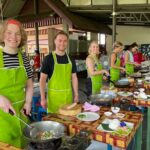
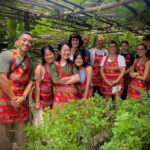

Vegetarian, Vegan, or Gluten-Free Cooking Without Feeling Like an Afterthought
One of the biggest reasons to book this is the flexibility. You’ll have the option to prepare vegetarian, vegan, or gluten-free dishes. In a Thai cooking class, that can make or break the experience, because Thai food often uses fish sauce and shrimp paste. Here, the class is set up so you can choose those adaptations instead of just hoping they can swap things last minute.
In real terms, this means your cooking time should still feel like you’re making a Thai meal, not a separate consolation plate. The menu gets explained in detail, and then you cook your chosen dishes as part of the same overall flow as the rest of the group.
My tip: if you have strong preferences (not just dietary limits), tell the chef clearly at the start. The class is designed for different needs, but the chef will work best with clear, early guidance.
The Open-Air Class Setup and the Hands-On Rhythm
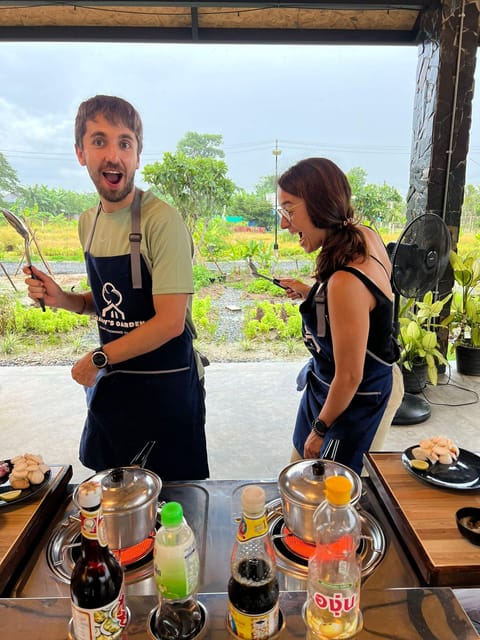
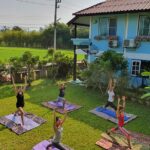
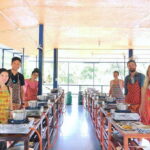
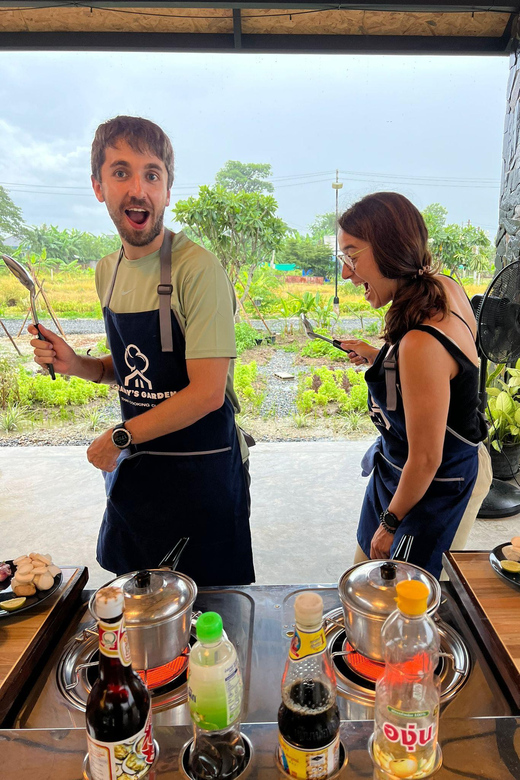
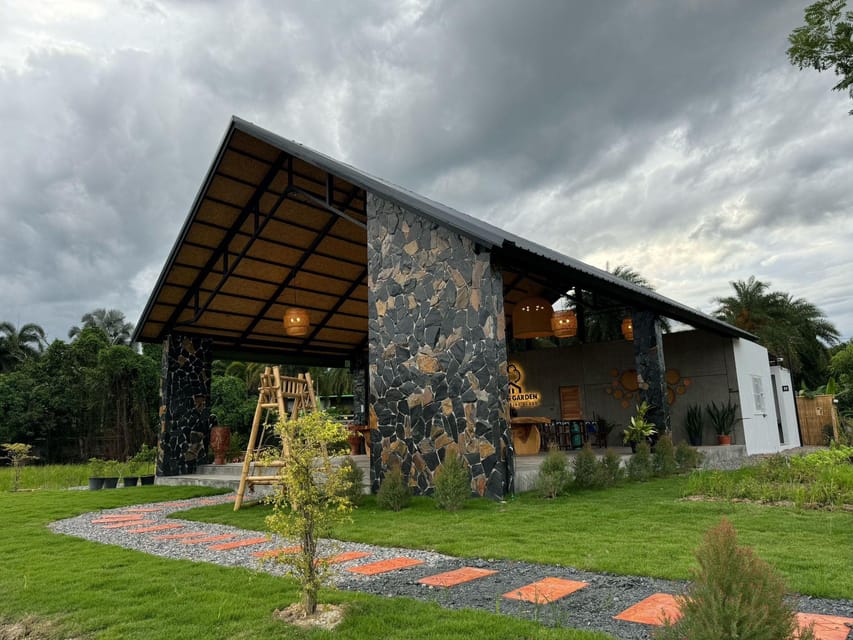
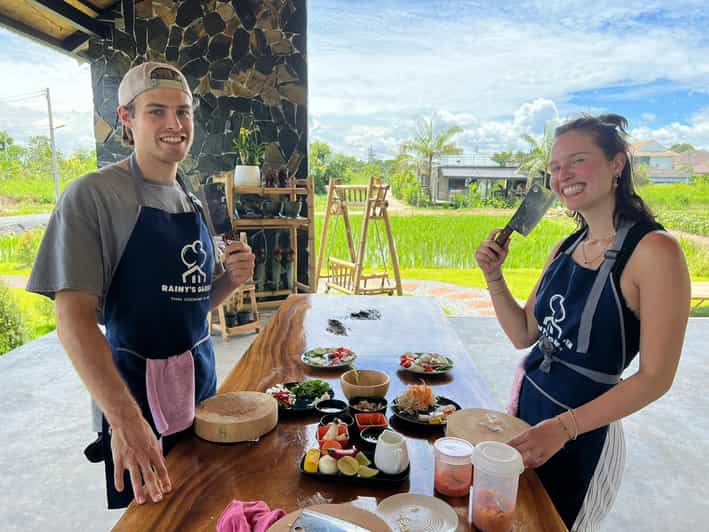
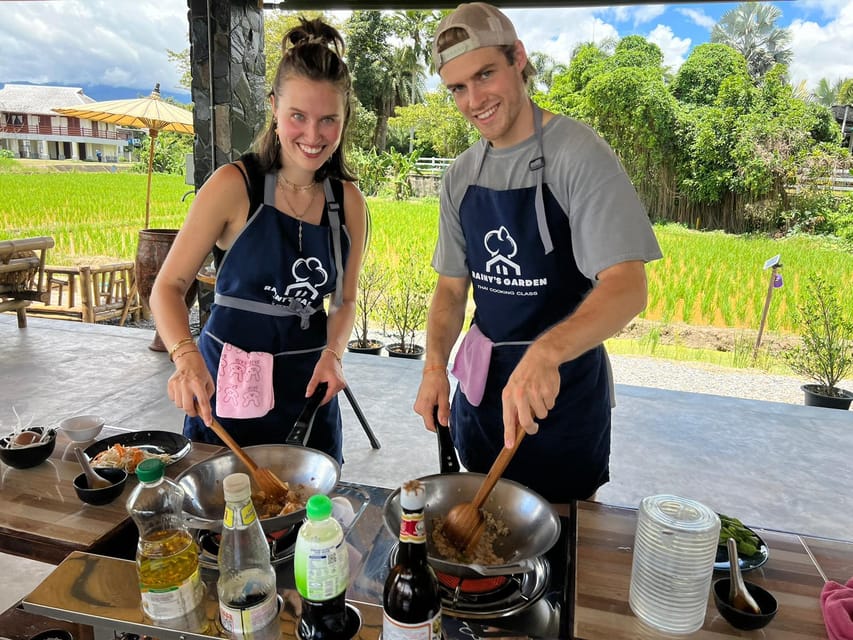
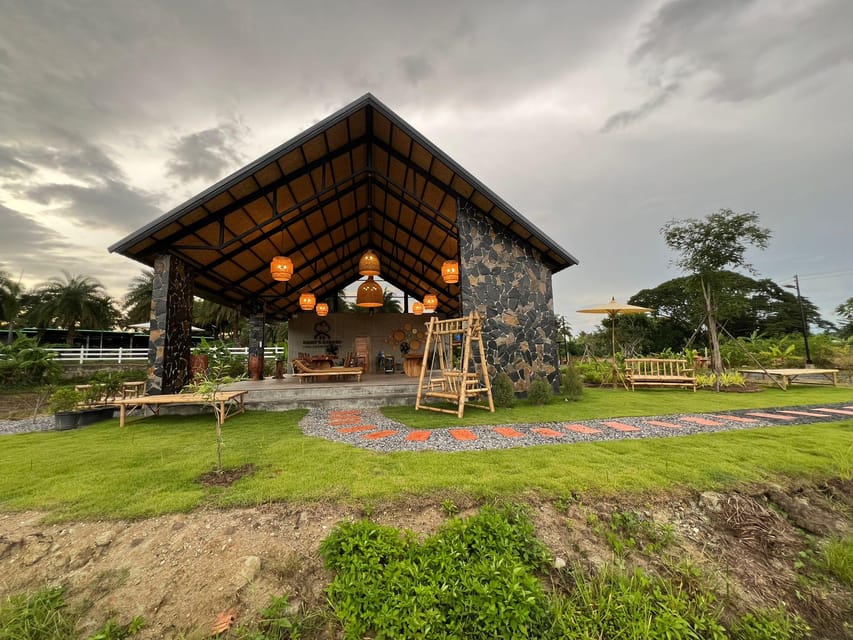
After the market stop, you move to the cooking location. One recent class was described as an open-air setup outside of Chiang Mai, which is exactly the kind of environment that makes the whole thing feel more like a real cooking day than a staged activity. Even if the exact setting varies by day, the structure stays the same: you’re joining a group cooking session, not just sitting down for a demo.
This is a small group experience, limited to 10 participants. That’s a key detail. When the class is that size, it’s easier to get feedback on your chopping, your seasoning, and the way sauces come together.
From a learning standpoint, the class runs in a steady rhythm. You get explanations, then you get cooking tasks. That prevents the classic problem where people feel overwhelmed because they’re only watching until the last minute. Here, you’re making choices and moving through multiple courses with the chef guiding you.
What to expect during class: the chef introduces Thai kitchen basics, then the menu in detail. Only after that background does the cooking begin. That sequence helps you understand why ingredients are used, not just what you’re supposed to do.
What You’ll Cook: From Appetizer to Mango Sticky Rice
The best part of any cooking class is eating what you made. This one is set up like a full Thai meal.
In at least one recent session, the menu followed a course pattern where each person could choose across the meal. You’d typically cover:
- One appetizer
- One soup
- One rice/noodle dish
- One curry
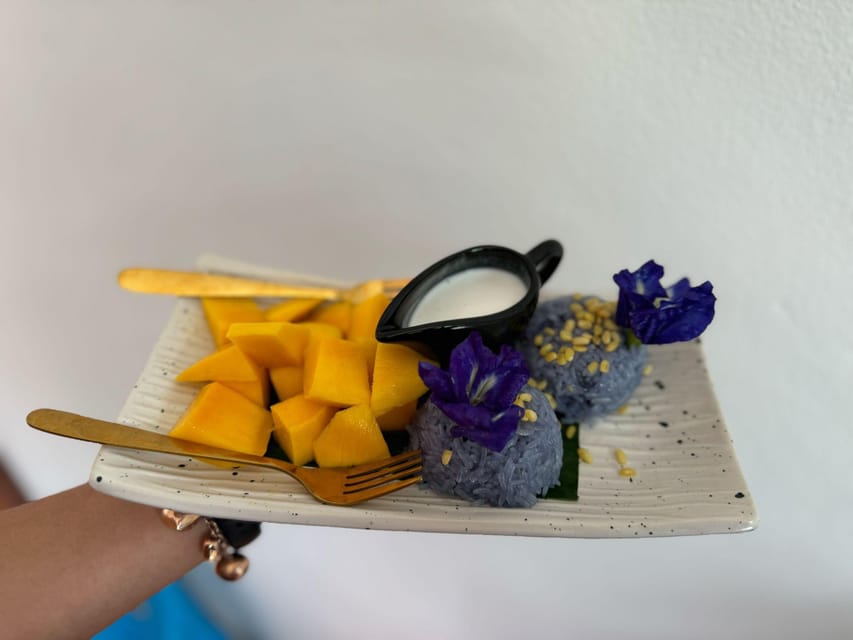
- Mango sticky rice for dessert
That’s a smart design. You’re not stuck repeating one dish all afternoon. You get a mix of techniques and flavor roles: something light to start, a soup with balance, a curry with its own logic, and then the classic sweet finale.
Also, the pacing is worth noting. One review highlighted that it was lots of food with a good overall pace. That’s exactly what you want in a 5-hour format. If a class is too slow, you get bored and you waste the day. If it’s too fast, you leave hungry and confused. The structure here aims for the sweet spot.
Practical angle: since all ingredients are included, you can cook without worrying about finding specialty items afterward. And because you’re cooking multiple courses, you’ll leave with a broader sense of what a Thai menu looks like, not just one recipe.
Thai Kitchen Lessons That Actually Help You Cook Later
The chef doesn’t just explain recipes. You’ll also get an introduction to the Thai kitchen, including history and menu details. Even when that history portion is brief, it helps connect flavor decisions to cultural context—like why certain textures and balancing elements show up in multiple dishes.
What matters most is how the class frames flavor. Thai food is often about balance: salty, sour, sweet, spicy, and aromatic notes working together. When you understand the logic, you can adapt recipes later even if you don’t recreate the exact ingredient list.
One thing I really like: the chef explains the menu in detail before cooking starts. That gives you mental hooks. When you’re stirring curry paste, tasting soup, or adjusting sweetness for dessert, you know what you’re aiming for instead of guessing.
If you want to learn seriously: don’t be shy about asking follow-up questions while you cook. With a small group, you’re not competing with a wall of silent participants.
You can also read our reviews of more tours and experiences in Chiang Mai



Teaching Style and Group Energy (Yes, Chef Personality Matters)
A cooking class can be technical and still fun. This one tends to land on that balance because the chef/instructor style is interactive.
One review specifically mentioned the instructor Opal as lots of fun and that she taught the dishes well. That combination is what makes the class feel welcoming even if you’ve never cooked Thai food before.
The instructor supports both English and Thai, which is helpful if you pick up some terms in Thai along the way. Even basic language cues can improve your confidence when you try to repeat dishes later.
What to consider: you’ll be cooking with other people. That’s part of the charm, but it also means the classroom can feel lively and busy. If you prefer quiet activities, this may not be your most peaceful afternoon.
Price and Value: Is $45 Worth a 5-Hour Thai Cooking Lesson?
At $45 per person for about 5 hours, the value comes from what’s included and what you actually do during that time.
Here’s the deal:
- Hotel pickup and drop-off from the Old Town area saves time and hassle.
- A local market visit with the chef adds real-world ingredient knowledge.
- Hands-on cooking means you’re producing the food, not just watching.
- All ingredients are provided, so you’re not paying extra for market items.
- A local chef stays with you throughout the class.
- The group is small (10 max), which increases the odds you’ll get help when you need it.
In other words, you’re paying for an organized food education that covers logistics, shopping guidance, and real instruction. If you were to piece those pieces together yourself—market tour plus guidance plus ingredients—you’d likely spend more time and money.
One consideration on value: if you only want one recipe or you’re not excited about the market-to-menu connection, you might feel it’s more “full meal experience” than “single-dish lesson.” But if you like variety, this is a good fit.
Who Should Book This Chiang Mai Cooking Class
I’d point you toward this class if you:
- want a practical Thai cooking experience with hands-on instruction
- care about dietary needs and want vegetarian/vegan/gluten-free options
- enjoy market walking and ingredient shopping
- prefer a small group setting instead of a big workshop
- want a meal you made, not just a meal you bought
Skip or reconsider if:
- you dislike markets or prefer to avoid open-air heat
- you want a purely private, custom lesson (a private class is possible, but you’ll need to message separately)
- you’re only looking for one quick recipe and don’t want to cook several courses
Should You Book It?
If your goal is to leave Chiang Mai with skills you can use at home—and a full plate of dishes you made yourself—this is an easy yes. The market shopping with a chef, the small group size, and the structured menu (including dessert like mango sticky rice) make it feel like a complete experience rather than a rushed activity.
If you’re in a tight schedule or you’d rather skip the market, think carefully. But for most people coming to Chiang Mai specifically for food, the format and included value at $45 for 5 hours is hard to beat.
FAQ
How long is the Chiang Mai cooking class?
It lasts about 5 hours.
Where does pickup happen?
Pickup is included for hotels in the Chiang Mai Old Town area.
What activities are included during the class?
You’ll visit a local market, then take part in a hands-on cooking class with a local chef.
Is this class suitable for vegetarians, vegans, or gluten-free diets?
Yes. You have the option to prepare vegetarian, vegan, or gluten-free dishes.
How many people are in the group?
It’s a small group with a limit of 10 participants.
What languages are used during the cooking class?
The instructor speaks English and Thai.
Are ingredients included?
Yes. All ingredients for cooking are included.
Is there an option for a private class?
Private classes are available if you message separately.
Is free cancellation available?
Yes. You can cancel up to 24 hours in advance for a full refund.
Do I have to pay right away?
You can reserve now and pay later, so you don’t pay anything at the time of booking.