REVIEW · CHIANG MAI
Chiang Mai Doi Inthanon Park Waterfall Pure Sightseeing Tour
Book on GetYourGuide →Operated by CHIANG MAI DAY TRIP · Bookable on GetYourGuide
One day, two worlds: mountains and hill tribe life. This tour threads together Doi Inthanon National Park (Thailand’s highest area) with big-name sights like Wachirathan Waterfall and the twin royal pagodas, plus genuine hill tribe visits. I especially like the waterfall stops and the hill tribe village culture—you get more than just scenery. The trade-off is simple: it’s an early start, and you’ll pay extra for the park and the pagoda entry.
What makes this one-day format work is the mix of easy, guided sightseeing with moments that feel more local than touristy. Between the waterfalls, viewpoints, and the royal pagodas, you’ll get a strong sense of why this area matters—both for nature and for community life up in the hills.
Just keep your expectations realistic about walking time and logistics. You can’t bring big luggage into the van, and the route is full of stops, so it’s not the relaxing “sleep in and coast” kind of day.
In This Review
- Key highlights at a glance
- Why Doi Inthanon feels like a different world
- Getting started: early pickup and an evening return
- How the park day flows: waterfalls, viewpoints, and pagoda stops
- Mae Klang Waterfall: the friendly photo stop
- Wachirathan Waterfall: the mist and the Rainbow Waterfall nickname
- Royal Anchor: Honor King Bhumibal & Queen Sirikit pagodas
- The highest point in Thailand: what you’re really paying for
- Hill tribe culture: Hmong market and Karen coffee in Sobhad
- Hmong Hill Tribe Market
- Karen Tribe in Sobhad village
- Guides and pacing: what makes the day feel smooth
- What you pay: $40 plus the key entry fees
- What to bring (and what to skip) for a comfortable day
- Who should book this tour—and who should pass
- Should you book this Doi Inthanon waterfall and hill tribe tour?
- FAQ
- What time do you get picked up from Chiang Mai?
- Is the Doi Inthanon National Park entry fee included in the tour price?
- Do you have to pay extra to visit the Twin Pagodas?
- Is lunch included?
- What should I bring for the tour?
- Is the tour suitable for wheelchair users?
Key highlights at a glance
- Hit the highest point area of Thailand around 2,500–2,565 meters, with major viewpoint time
- Wachirathan and Mae Klang Waterfalls with the misty Rainbow Waterfall vibe at Wachirathan
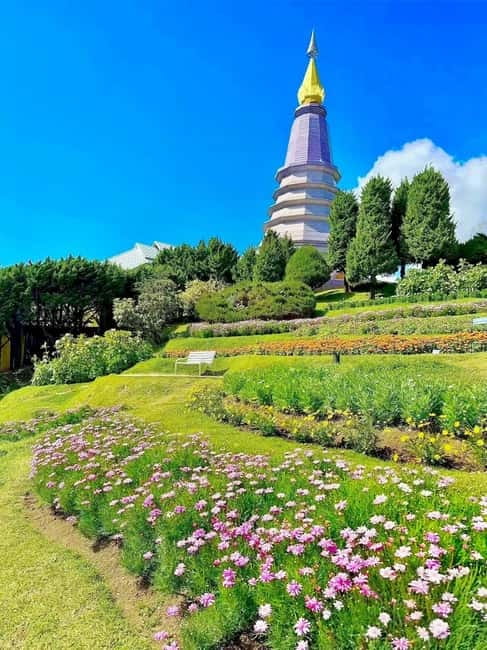
- Honor King Bhumibal & Queen Sirikit pagodas for standout views and an easy cultural anchor
- Hmong Hill Tribe Market for local daily life and farm-produced goods
- Karen Tribe in Sobhad village with a chance to learn customs and taste tribal coffee
- English-speaking guide + AC van with a smooth, safety-minded ride and water provided
Why Doi Inthanon feels like a different world
If Chiang Mai already feels lively, Doi Inthanon is the “slow down” button. You’re heading into a higher elevation zone with cooler air, cloudier skies, and frequent mist—exactly the conditions that make waterfalls look like they’re doing their job with extra effort.
This park isn’t just about one waterfall or one viewpoint. It’s known for bird watching too, with about 362 bird species reported in the park. Even if you’re not carrying binoculars, the bird-life angle changes how you see the place. You tend to notice movement in the trees, not just water on the rocks.
And then there’s the human side: the tour doesn’t keep everything at a scenic distance. You get cultural stops tied to Hmong and Karen communities, plus the Hmong market and a Karen village visit in Sobhad. That’s what turns a nature day into a “Northern Thailand” day.
You can also read our reviews of more tours and experiences in Chiang Mai.



Getting started: early pickup and an evening return
Your day runs on a tight but workable schedule. Pickup is typically between 8:00 am and 8:45 am from your Chiang Mai hotel, with a note that heavy traffic may add about 5 to 10 minutes. The return is generally back around 6:00 pm to 7:00 pm.
This timing matters because Doi Inthanon is a place where morning light helps. You’ll usually get the best chance for clear viewpoints and waterfall energy earlier in the day, before crowds and cloud cover can take the edge off photos.
You’ll ride in an air-conditioned van with an experienced driver. In the feedback I saw, people liked that the driving felt safe and comfortable, including mention of a driver named Mr Anan. Also, you get one bottle of drinking water (500 ml). It’s not a lot, so I’d still plan to buy or carry more if you’re a heavy water drinker.
How the park day flows: waterfalls, viewpoints, and pagoda stops
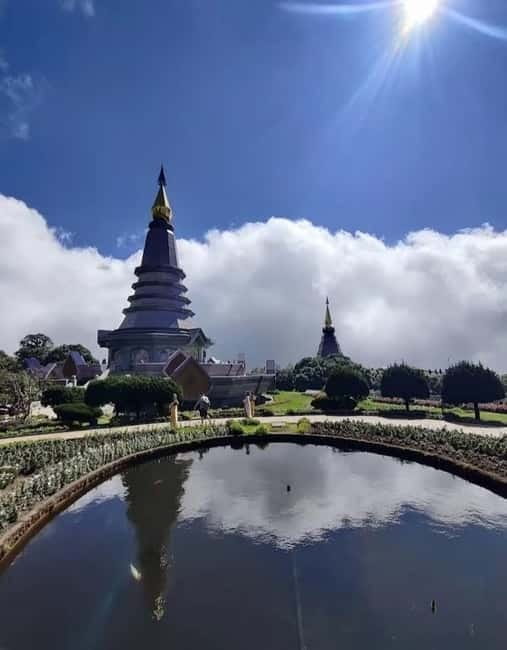
This tour is built like a scenic loop: you go from Chiang Mai up toward the park, then work through the main sight highlights without wasting time on guesswork. The big advantage of a guided day here is that you’re not trying to coordinate multiple entrances, time windows, and local routes on your own.
Mae Klang Waterfall: the friendly photo stop
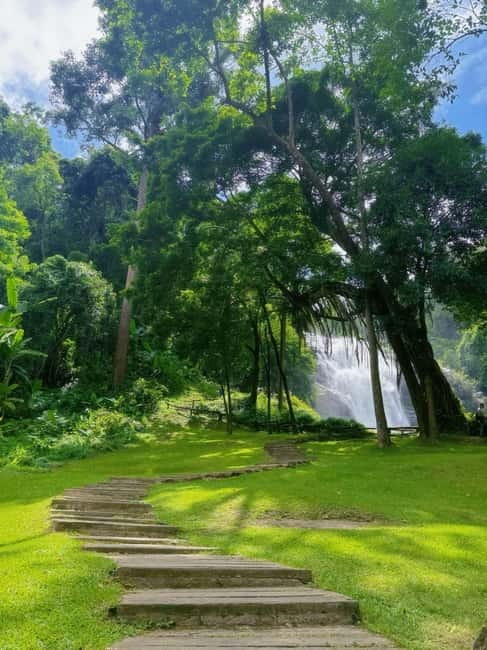
Mae Klang Waterfall is one of the park’s popular choices, and it’s often the kind of stop where you can actually enjoy the area without feeling like you’re sprinting. The key is the viewpoint experience—this is the place you slow down long enough to take in how water moves through the forested terrain.
The practical tip: wear comfortable shoes. Even if the walk is not extreme, you’ll likely be moving over uneven ground, and you’ll want stable footing near water.
Wachirathan Waterfall: the mist and the Rainbow Waterfall nickname
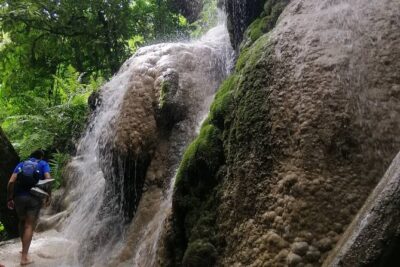
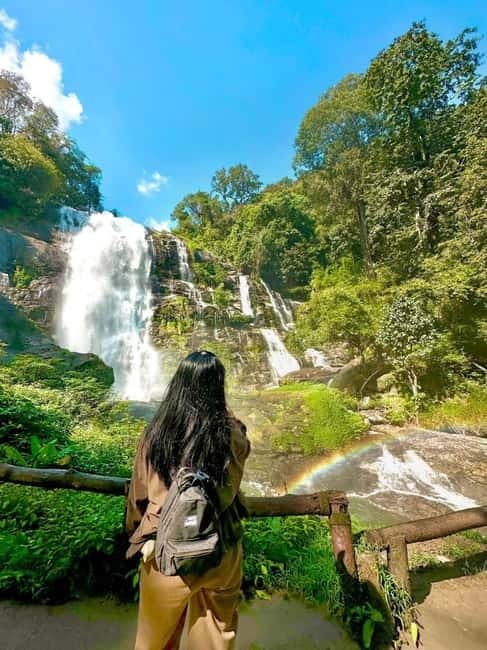
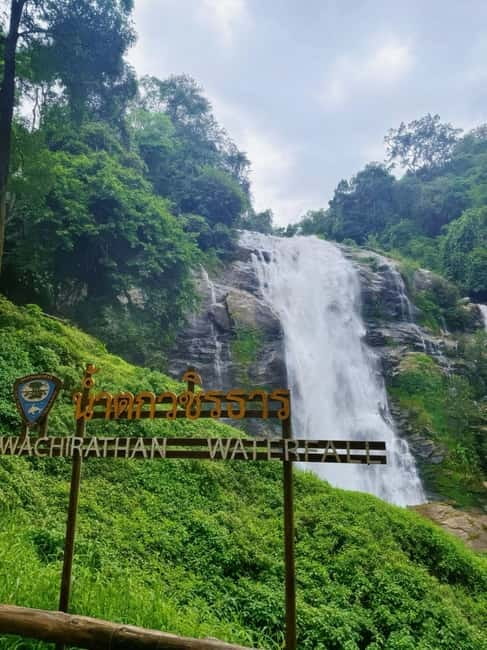
Wachirathan is the star for many people, largely because it’s known for big water flow and mist that can form rainbows—hence the nickname Rainbow Waterfall. If the air is damp and the light hits at the right angle, you’ll feel like the waterfall is part weather report, part special effect.
Also, this is the stop where insect repellent becomes worth it. Waterfall areas in forested parts of Thailand can bring bugs out in force when the conditions are humid.

Royal Anchor: Honor King Bhumibal & Queen Sirikit pagodas
After the water energy, the pagodas bring a different pace. These chedis honor Their Royal Majesties, The King and Queen and sit in a way that makes them more than a quick photo stop. They’re basically your cultural high point—quiet, meaningful, and visually strong up above the park.
If you like seeing how Thai royal symbolism shows up in real places (not just in a classroom or museum), you’ll appreciate this section. Plus, viewpoint time tends to feel smoother around the pagodas than it does around the busiest waterfall crowds.
The highest point in Thailand: what you’re really paying for
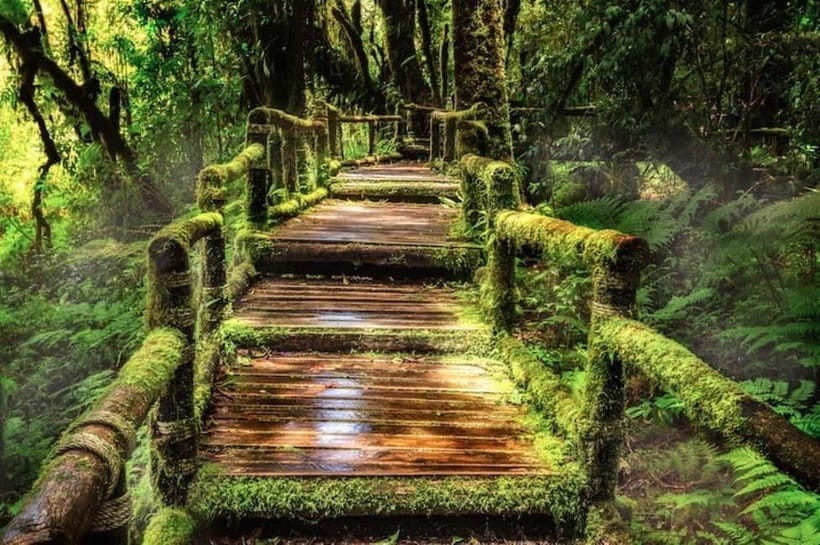
Doi Inthanon is famous because it’s the highest point area in Thailand, listed around 2,500–2,565 meters depending on the specific measurement/spot used. That elevation shift changes everything: temperature, cloud cover, and how the day feels.
So yes, you’re visiting “the highest spot.” But what you’re really buying is the experience of moving from Chiang Mai’s lower elevation to a cooler mountain zone where the park looks and sounds different. You also get that satisfying feeling of reaching a true milestone—without having to map it yourself.
And because this is a one-day tour, the big value is coverage. You’re not just hitting the top and leaving. You’re also seeing the royal pagodas and key waterfalls, plus hill tribe culture stops later in the day.
If you want one souvenir from the day, it’s not a trinket. It’s the memory of how the air changes as you climb.
Hill tribe culture: Hmong market and Karen coffee in Sobhad
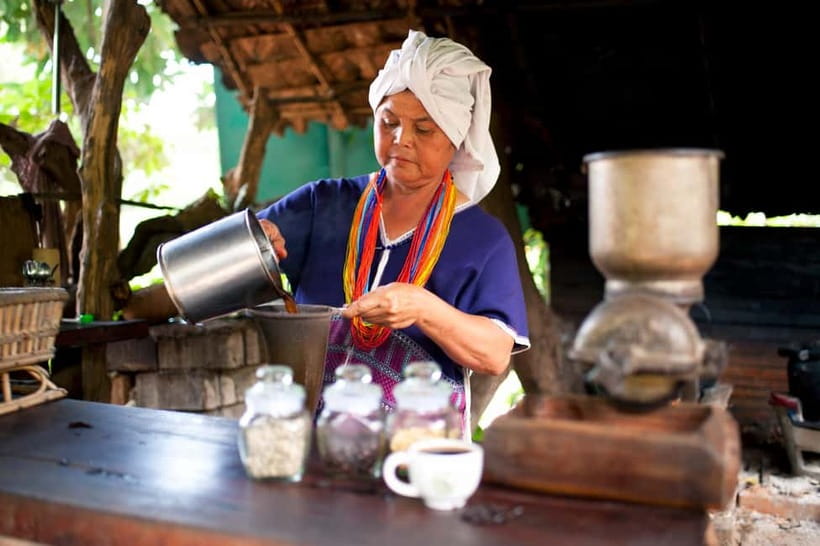
This is one of the strongest reasons to choose this tour, because it doesn’t treat culture as an optional add-on. It’s written into the route.
Hmong Hill Tribe Market
The Hmong market stop gives you a peek into daily life and local farming. The tour description points to fresh produce connected to sustainable farming projects, which is a nice reminder that these communities don’t only show up for tourists—they’re working, growing, and trading as part of normal life.
Go with a curious mindset. You’ll likely see goods that look simple but come with real local context—foods, herbs, and everyday products that make sense for the region.
Karen Tribe in Sobhad village
Sobhad village is where you shift from market energy to community customs. The tour notes that you can learn about Karen traditions and even taste coffee grown by the tribespeople themselves.
This is the kind of stop that can be either boring or meaningful depending on your attitude. If you enjoy conversation and you’re open to slow down, you’ll likely find it rewarding. If you just want photos, you may rush through it faster than you expect.
Guides and pacing: what makes the day feel smooth
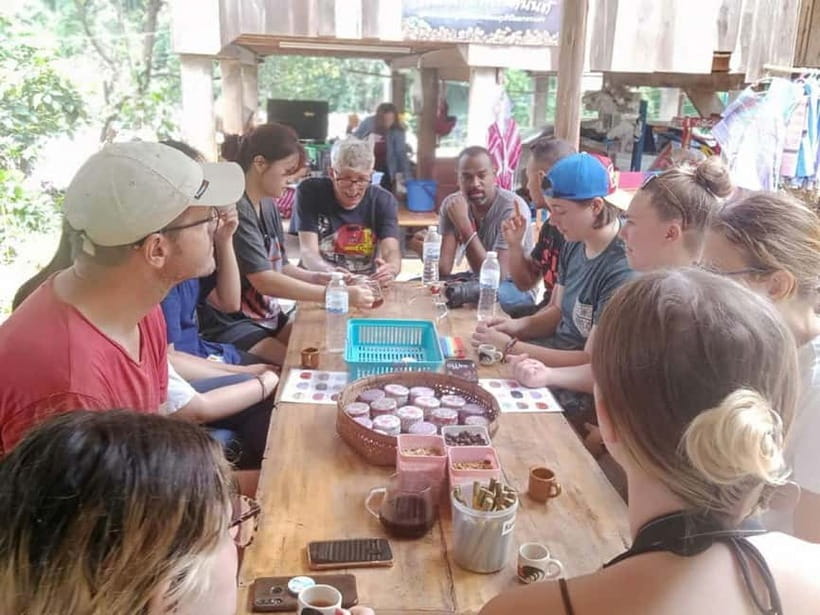
A lot can go right or wrong on a long day in a single region. The difference here is guidance and pacing.
People often mention guides like Paul, Toy, Lucy, and Nook by name, and the common thread is that the day felt well organized, friendly, and attentive. One recurring praise is that the schedule feels packed but doesn’t feel like you’re being shoved from stop to stop.
That matters on Doi Inthanon because you’re balancing roads, viewpoints, weather, and the natural fact that waterfalls and pagoda areas can be busy. A strong guide helps you get the best moments without you spending your whole time checking the clock.
You’ll also get English interpretation, which helps you understand what you’re seeing instead of just collecting images. And if you care about safety and comfort, feedback highlights that the drive feels calm and secure, with comfortable A/C.
What you pay: $40 plus the key entry fees
At $40 per person, this tour can be good value—but only if you budget for what’s not included. The tour itself includes the round-trip AC van, an English-speaking guide, 500 ml water, and traffic accident insurance. That’s solid for a one-day itinerary at this distance.
What’s extra:
- Doi Inthanon National Park entry fee: 300 THB
- Twin Pagoda entry fee: 100 THB
- Optional group lunch: 100 THB
No ticket costs are bundled in, so plan to carry cash for the entry fees. The tour also clearly says lunch isn’t included, so if you don’t do the grouped meal, you’ll need to plan on preparing your own lunch or buying something nearby.
This is the main “gotcha” for value. If you add the entry fees (and lunch if you choose it), you’re not just paying the $40. Still, you’re getting a full day with transport and a guide through multiple major sights.
What to bring (and what to skip) for a comfortable day
Because this is a park-and-village day, your packing list is mostly about comfort and sanity.
Bring:
- Comfortable shoes (for uneven paths and waterfall areas)
- Insect repellent
- Sports shoes (or anything with good grip)
- A small bag you can keep close
Don’t bring:
- Pets
- Alcohol or drugs
- Alcoholic drinks in the vehicle
- Big luggage
There’s also a hard limit for the van: you can’t bring a suitcase or large backpack. You’re allowed one small personal item up to 50 cm x 35 cm x 20 cm and 7 kg, and it needs to be able to lay on your leg without blocking others.
If you have luggage heavier than 7 kg, you must book an additional seat—otherwise the guide can’t take you due to limited space. This is one of those details that can ruin a day if you ignore it, so double-check before you head out.
Who should book this tour—and who should pass
This one-day tour is a great match if you want:
- A structured way to see Doi Inthanon’s main sights in limited time
- Waterfall highlights plus royal pagodas
- Real northern culture stops with Hmong and Karen experiences
- An English-speaking guide to help you understand what you’re seeing
It may not be your best choice if:
- You’re not into early starts (pickup starts around 8:00–8:45 am)
- You hate paying separate entry fees
- You need a wheelchair-friendly route (it’s noted as not suitable for wheelchair users)
- You travel with large luggage and don’t want to deal with van space rules
If you’re traveling light and want a full day that feels organized but still personal, this tour hits a good balance.
Should you book this Doi Inthanon waterfall and hill tribe tour?
I think this is worth booking if you want a single-day sampler that connects nature to culture. The big selling points are the waterfalls (especially Wachirathan’s misty Rainbow Waterfall feel), the royal pagodas, and the fact that the tour includes both Hmong and Karen cultural stops—not just a quick roadside look.
Book it with clear expectations: you’ll start early, you’ll pay 300 THB for the park and possibly 100 THB for the twin pagodas, and lunch isn’t included. If that sounds fine, you’ll likely love how much you see in one day—plus the guidance quality, which people consistently describe as friendly and well organized, including mentions of guides like Paul and Toy.
FAQ
What time do you get picked up from Chiang Mai?
Pickup is generally between 8:00 am and 8:45 am. Heavy traffic may add about 5 to 10 minutes, and you’re typically back in Chiang Mai around 6:00 pm to 7:00 pm.
Is the Doi Inthanon National Park entry fee included in the tour price?
No. You pay 300 THB for the Doi Inthanon National Park entry fee.
Do you have to pay extra to visit the Twin Pagodas?
Yes. The Twin Pagoda entry fee is 100 THB if you want to visit.
Is lunch included?
Lunch isn’t included. You can join a grouped lunch meal for 100 THB extra, or you can bring your own lunch / buy nearby.
What should I bring for the tour?
Bring comfortable shoes, insect repellent, and sports shoes.
Is the tour suitable for wheelchair users?
No. The tour is not suitable for wheelchair users.