REVIEW · CHIANG MAI
Meditation Retreat and Self-Care in Nature
Book on GetYourGuide →Operated by Flow Yoga Chiang Mai · Bookable on GetYourGuide
A calm green break can change your whole day. This 3-hour meditation and yoga session in Chiang Mai Province pairs guided practice with Thai culture cues in a quiet outdoor setting. I especially love how the teacher, Amori, gives clear, patient instructions, and how you leave with a practical way to keep your mind calmer later. The only real catch: if you’re very sensitive to language nuance, one participant noted it was harder to fully relax.
You’ll also like the small-group feel. It’s capped at 6 people, and that usually means more attention and less “just sit there” energy. Still, expect the yoga portion to range from easy-to-challenging depending on your level and the group dynamic.
In This Review
- Key Highlights I’d Target (If You’re Short on Time)
- A 3-Hour Reset in Chiang Mai’s Nature Without the Retreat Fatigue
- Arriving at Flow Yoga Chiang Mai: Small Group, Calm Vibes
- Mindful Walking: Turning a Walk Into a Training Session
- Guided Sitting Meditation: Clear Prompts, Not Just Silence
- Yoga or Gentle Stretches: Adapted Movement for Real Bodies
- Tea or Coffee in the Garden: The Part People Underestimate
- Price and Value: What $48 Buys in Chiang Mai
- Who This Retreat Is Best For (And Who Might Want Something Else)
- What to Bring and Wear (So You Don’t Spend the Session Fidgeting)
- Timing and Energy: When to Slot This Into Your Chiang Mai Days
- Should You Book This 3-Hour Meditation and Yoga Retreat in Chiang Mai?
- FAQ
- How long is the Meditation Retreat and Self-Care in Nature?
- Where is the meeting point?
- Is hotel pickup and drop-off included?
- What’s included in the session?
- What language is the instructor?
- Do I need previous yoga or meditation experience?
- What should I wear?
- FAQ
- What’s the cancellation policy?
- Can I reserve without paying right away?
- Is this a small group?
- Is free cancellation available?
- What can I expect in nature?
- What time should I plan for in my schedule?
Key Highlights I’d Target (If You’re Short on Time)
- Mindful walking in nature: a simple skill you can use the next time you’re in motion.
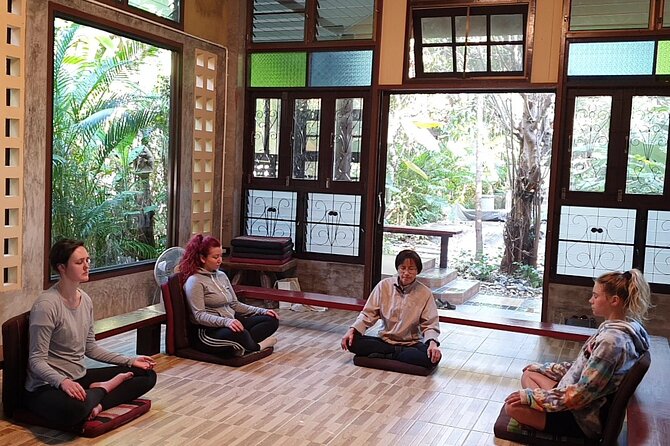
- Guided sitting meditation: structured practice with explanations that make it easier to stay present.
- Yoga or gentle stretches, adapted to you: movement that meets beginners where they are.
- A quiet tea or coffee moment in the garden: the mental reset lands better after you slow down.
- Small group size (up to 6): more personal feedback, less crowding.
- Thai culture touches: not just “wellness,” but cultural context woven into the session.
A 3-Hour Reset in Chiang Mai’s Nature Without the Retreat Fatigue
This is the kind of Chiang Mai experience you do when you want a real mental break, but your itinerary won’t allow a multi-day retreat. You get guided meditation, mindful movement, and gentle bodywork in a tight 3-hour window. That timing matters: you’re not leaving it feeling like you need a nap just from the schedule stress.
The biggest win is that this doesn’t stay theoretical. You practice. You walk mindfully. You sit with guidance. You move through yoga or stretching in a way that’s meant to feel doable, not performative.
You can also read our reviews of more tours and experiences in Chiang Mai.



Arriving at Flow Yoga Chiang Mai: Small Group, Calm Vibes
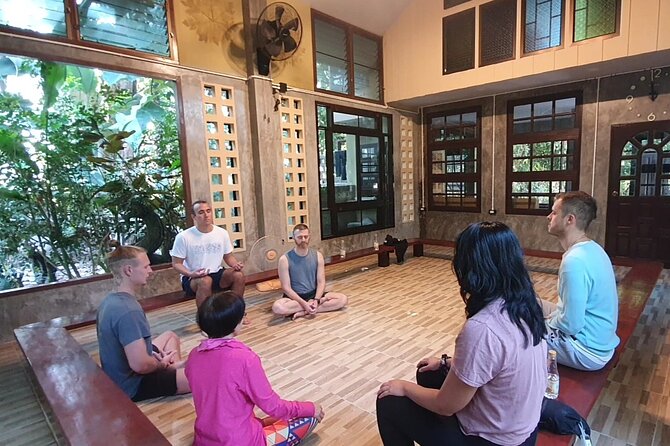
Your meeting point is Flow Yoga Chiang Mai. The retreat happens with a small group size—up to 6 participants—so it doesn’t feel like you’re part of a conveyor belt class. Several people also described the space as clean and secluded, which is exactly what you want for meditation work.
Because hotel pickup isn’t included, you’ll need to get there on your own. In Chiang Mai, that usually means sorting transport with Grab or similar options. If you’re staying in the Old City, you’ll likely find it manageable to reach the meeting point without a huge ordeal.
Mindful Walking: Turning a Walk Into a Training Session
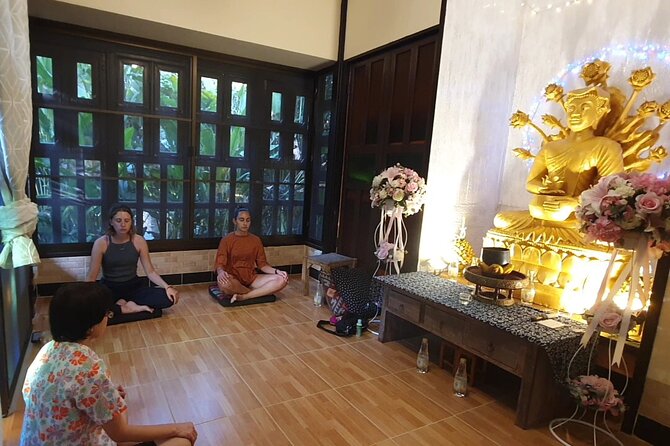
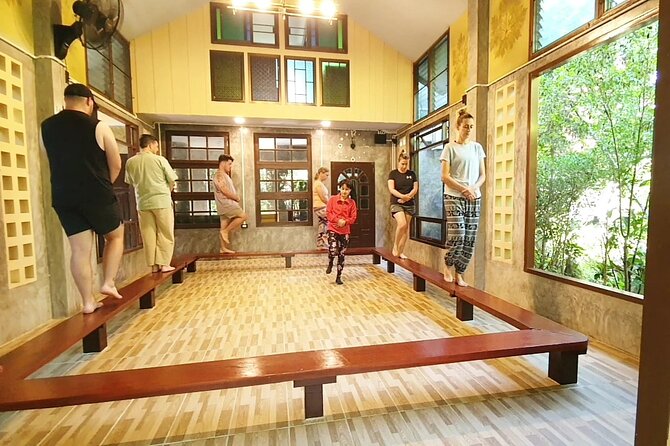
You start with mindful walking out in nature. This is one of those skills that sounds simple until you actually do it. The point isn’t to “think about walking.” It’s to notice the process: steps, weight shift, contact with the ground, and the small moments your mind tries to wander off.
If you’ve ever tried meditation and felt like your brain wouldn’t cooperate, mindful walking can be a friendly on-ramp. Your attention has something steady to hold onto. And because you’re moving, you can often feel calmer faster than you would by jumping straight into sitting.
A quiet outdoor setting helps too. Even if you’re not “a nature person,” less noise makes it easier to practice without fighting your surroundings. One person specifically appreciated that the place was away from noisy distractions.
Guided Sitting Meditation: Clear Prompts, Not Just Silence
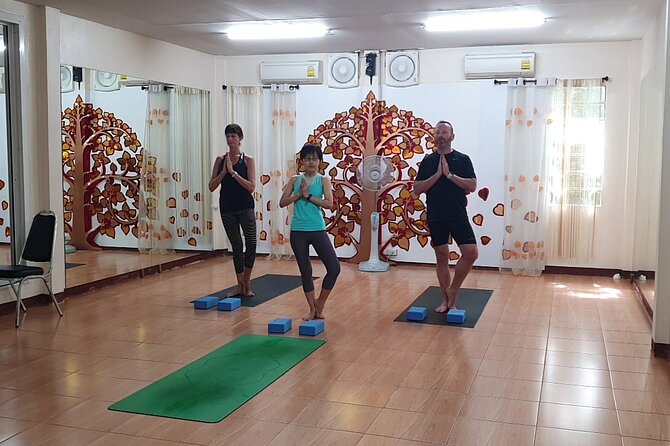
After the walking comes guided sitting meditation. This is where Amori’s teaching style shows up in people’s comments again and again: patient, clear, and supportive. The value here isn’t mystical. It’s practical instruction that helps you understand what to do when your mind behaves like a chatty radio station.
Many participants described feeling grounded and refreshed after the session. A common theme was learning a new approach—especially for people who struggled to meditate on their own. That’s important: a good class gives you more than a feeling. It gives you steps you can repeat later.
You may also get some cultural context related to Buddhist philosophy. One participant mentioned a crash course in Buddhist ideas, and another described meditation insights that helped them work through mental patterns. That’s a big reason this feels more meaningful than generic “close your eyes and breathe” classes.
Yoga or Gentle Stretches: Adapted Movement for Real Bodies
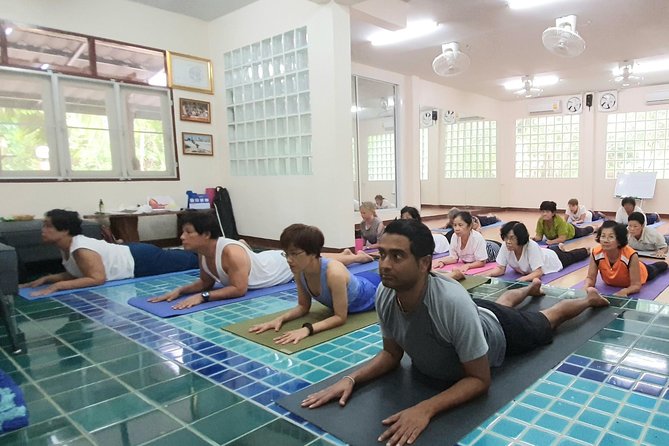
Next is yoga or gentle stretches, and the key phrase is adapted to practitioners. That means you’re not expected to show up as a contortionist. But here’s the honest part: one beginner found parts more advanced than expected. So, treat this as a “movement practice with options,” not a fully hands-off stretch session.
In a good teaching setup, you’ll be offered alternatives or modifications when needed. Several people praised Amori for adjusting the yoga session based on participant needs—especially when the group was small enough to personalize instruction. That small-group size really can matter during the yoga portion.
If you’re returning to movement after a break, gentle stretches might fit best. If you already do some yoga, you might appreciate the more challenging feel. Either way, the practical goal is to leave your body comfortable enough that you can carry the calm out of the garden and into real life.



Tea or Coffee in the Garden: The Part People Underestimate
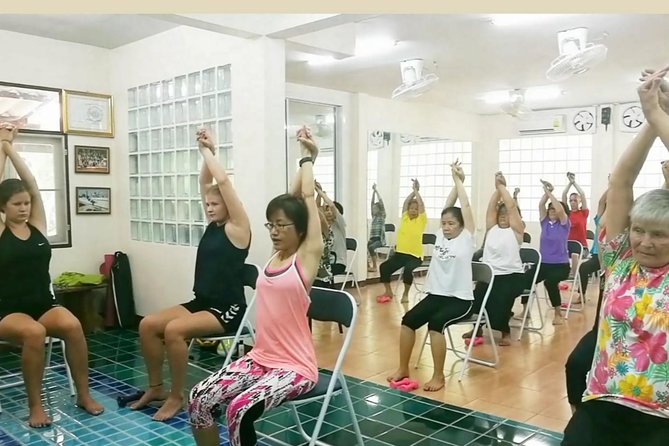
The session ends with tea or coffee in a beautiful garden. This sounds like a small detail, but it’s smart pacing. After meditation and movement, your nervous system often needs a slow landing. Sitting with a warm drink helps you absorb the experience instead of instantly sprinting back into your day.
A few reviews also mentioned extra touches like fresh fruit or snack treats. I wouldn’t count on a specific snack every time since it isn’t stated as a guaranteed item beyond tea or coffee. But it’s a good sign: the host seems to value finishing well, not just ending with a checklist.
Price and Value: What $48 Buys in Chiang Mai
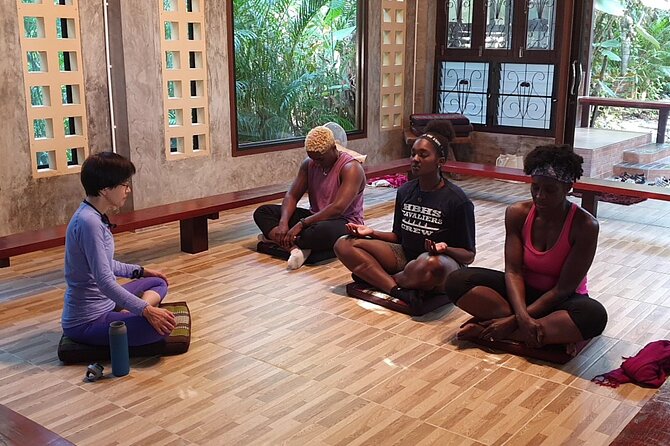
At $48 per person for 3 hours, this sits in the “worth it for a reset” category. You’re paying for three things that are hard to replicate on your own:
- Guidance during both walking and sitting meditation (so you don’t feel lost)
- Movement instruction with adaptations during yoga or stretches
- A calm environment that supports practice, not a noisy studio vibe
If you’ve tried meditation apps or YouTube videos, you know the problem: you can follow steps, but you can’t ask, tweak, or correct your technique mid-practice. In this format, Amori can explain what you’re doing and why—plus help with common struggles.
Also, the small group cap helps. With fewer people, your attention has less competition. You get a better chance of actually learning something, instead of just participating.
Who This Retreat Is Best For (And Who Might Want Something Else)
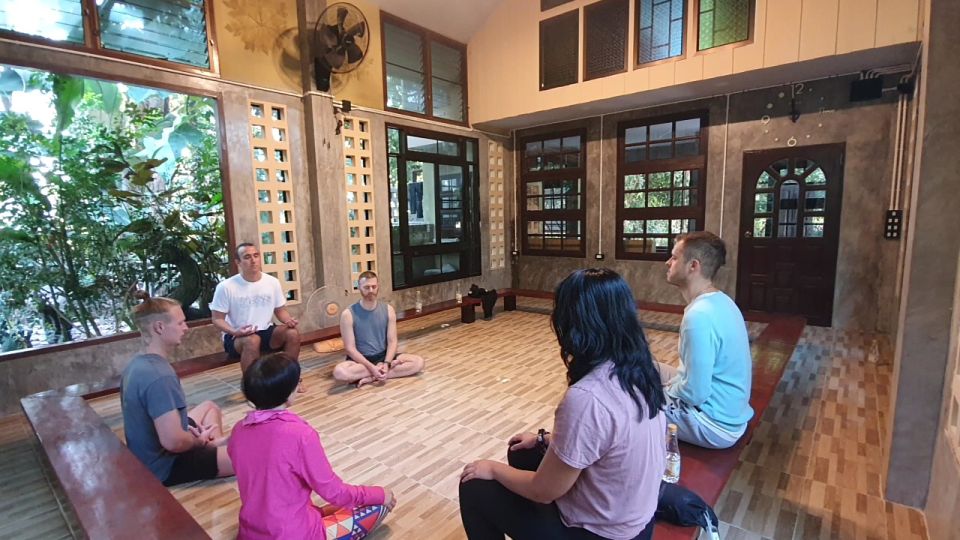
This works well if you want:
- a beginner-friendly on-ramp to meditation (especially if you’ve never done guided practice)
- a way to learn skills you can repeat later: mindful walking and sitting meditation
- a body reset that’s gentle but not boring—yoga or stretches with instruction
- Thai-culture context alongside wellness
You might want to consider a different option if:
- you need a very language-optimized experience and communication would be a challenge (one participant mentioned a language barrier)
- you’re looking for a more intense yoga workshop only, with long sequences and lots of movement (this is more balanced self-care than a hardcore training session)
In short: it’s ideal for people who want calm, clarity, and practical tools—without losing half a day to logistics.
What to Bring and Wear (So You Don’t Spend the Session Fidgeting)
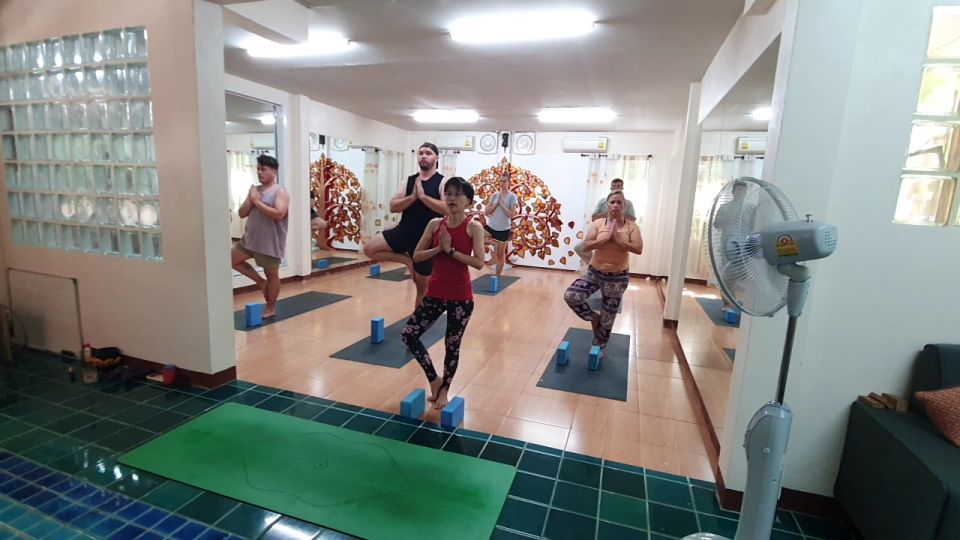
The main instruction is simple: wear comfortable clothes for the practice. You’ll be walking mindfully and doing yoga or gentle stretches, so plan for something breathable and flexible. If you usually get cold during meditation, light layers can help, but the only firm requirement here is comfort.
Also consider footwear. For mindful walking outdoors, you’ll likely want shoes or sandals that feel stable. Since the exact ground surface isn’t described, your safest bet is wearing something you can stand and move in comfortably.
Timing and Energy: When to Slot This Into Your Chiang Mai Days
Because the retreat is 3 hours, you can plug it into your trip without dismantling your whole schedule. I’d place it when you feel mentally crowded—after a day of markets, temple hopping, or lots of transport.
Finishing with tea or coffee in a garden is perfect for a “soft landing.” If your next plan is another intense activity, you might feel less like rushing. One suggestion from the session itself is that you return to Chiang Mai for more nights to rejuvenate. Even if you can’t extend, you can still use this as a reset anchor.
Should You Book This 3-Hour Meditation and Yoga Retreat in Chiang Mai?
Yes, if you want a structured, calming introduction that gives you tools you can repeat at home. The standout reason to book is the teaching style: Amori’s guidance keeps people grounded, and the format balances meditation with movement in a way that doesn’t leave you feeling clueless or sore in the wrong way.
Book it if you’re the type who likes practical steps more than vague “relax” advice. And if you’re traveling solo or in a small group, the small size can make the session feel more personal.
Skip it only if you know you need highly language-polished instruction, or if you’re searching specifically for a long, strenuous fitness-style retreat. For a mindful, self-care reset in Chiang Mai Province, this is a strong use of your time—and it’s priced like it understands you have to be picky with vacation money.
FAQ
How long is the Meditation Retreat and Self-Care in Nature?
It lasts 3 hours.
Where is the meeting point?
The meeting point is Flow Yoga Chiang Mai.
Is hotel pickup and drop-off included?
No. Hotel pickup and drop-off are not included.
What’s included in the session?
You’ll practice mindful walking, guided sitting meditation, and yoga or gentle stretches (adapted to practitioners). The session also includes tea or coffee in a garden.
What language is the instructor?
The instructor speaks English.
Do I need previous yoga or meditation experience?
The session is designed so that the yoga practice can be adapted to practitioners, and it includes guided instruction for the meditation.
What should I wear?
Wear comfortable clothes for the practice.
FAQ
What’s the cancellation policy?
You can cancel up to 24 hours in advance for a full refund.
Can I reserve without paying right away?
Yes. There’s a reserve now & pay later option.
Is this a small group?
Yes. It’s a small group limited to 6 participants.
Is free cancellation available?
Yes, free cancellation up to 24 hours is available for a full refund.
What can I expect in nature?
You’ll practice mindful walking and do guided sitting meditation outdoors in nature, then finish with tea or coffee in a garden.
What time should I plan for in my schedule?
Plan for a block of about 3 hours, depending on the starting time available.