REVIEW · CHIANG MAI
Chiang Mai: Tuk-Tuk Evening Tour with Temples & Street Foods
Book on GetYourGuide →Operated by TripGuru Thailand · Bookable on GetYourGuide
Chiang Mai at night has a different pace. This tuk-tuk tour puts you in motion after dark, mixing temples with chedis and market eating in one efficient evening. I love the mix of classic Lanna temple stops plus time to actually snack, not just pose for photos. One heads-up: you’ll be on your feet, and some temple entrances require covered knees and shoulders.
Two things I really like here. First, the tuk-tuk ride at night is genuinely fun and practical for seeing the Old City area without slowing the evening down. Second, you get guided context at Wat Suan Dok and Wat Lok Moli, including details like the white chedis, a Sri Lankan-style pagoda, and what’s housed inside the larger chedi at Wat Lok Moli. The only drawback is that street food is not included, so you’ll want to budget cash and pace yourself.
If you’re lucky enough to get one of the guides people rave about—Cookie, Gnana, Pim, Leo, Lily, or James—the explanations tend to make the whole night feel easier. That guide talk helps you order confidently at the markets and gives you something to look for while you’re walking. Just bring comfortable shoes and plan to cover up for temple visits.
In This Review
- Key highlights worth showing up for
- Why a night tuk-tuk tour feels right in Chiang Mai
- Pickup and the small-group setup that keeps things smooth
- Riding the Old City loop: walls, moat vibes, and Lanna context
- Wat Suan Dok: the white chedis and the Sri Lankan-style golden pagoda
- Wat Lok Moli: a 14th-century temple and the Mengrai ashes inside a restored chedi
- Chang Phuak Gate Night Market: where your guide helps you choose
- Warorot Market and Ton Lam Yai Flower Market for the extra-night feel
- Price and value: what’s included, what costs extra, and why it still makes sense
- Guide quality: clear explanations and the names you may hear
- Temple etiquette and packing list that keeps the evening easy
- Should you book the Chiang Mai tuk-tuk temples and markets night tour?
- FAQ
- How long is the Chiang Mai tuk-tuk evening tour?
- Are entrance fees to Wat Suan Dok and Wat Lok Moli included?
- Is street food included in the price?
- What group size is this tour?
- Where does hotel pickup happen?
- Is the tour responsible or low-impact?
Key highlights worth showing up for
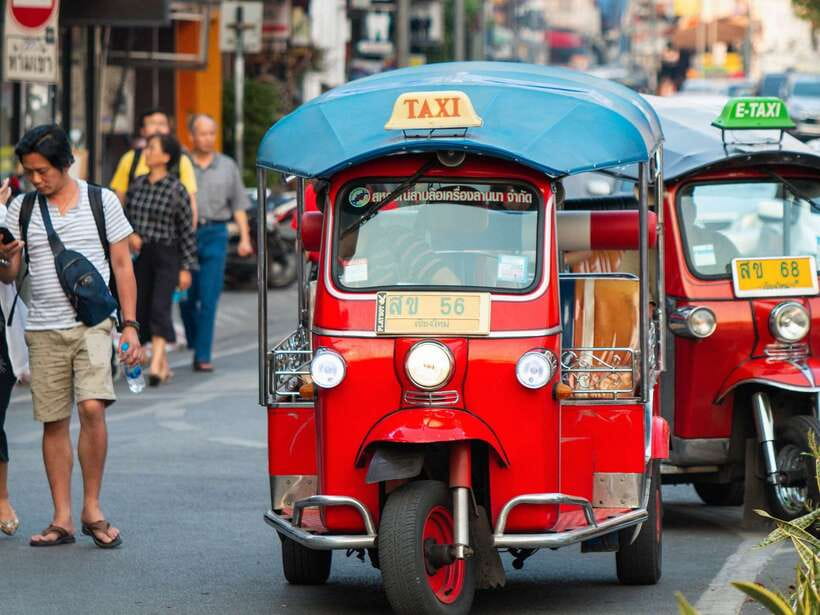
- Night tuk-tuk fun: private rides that keep the evening moving through the Old City.
- Wat Suan Dok’s iconic chedis: numerous white chedis and a tall golden pagoda with Sri Lankan styling.
- Wat Lok Moli’s royal links: a major restored chedi connected to Mengrai dynasty ashes and kings.
- Chang Phuak Gate Night Market food time: guided help finding dishes, with a relaxed stroll.
- Two extra night stops: Warorot Market and Ton Lam Yai Flower Market for atmosphere and more bites.
- Responsible touring basics: water provided in glass bottles and carbon offset credits.
Why a night tuk-tuk tour feels right in Chiang Mai
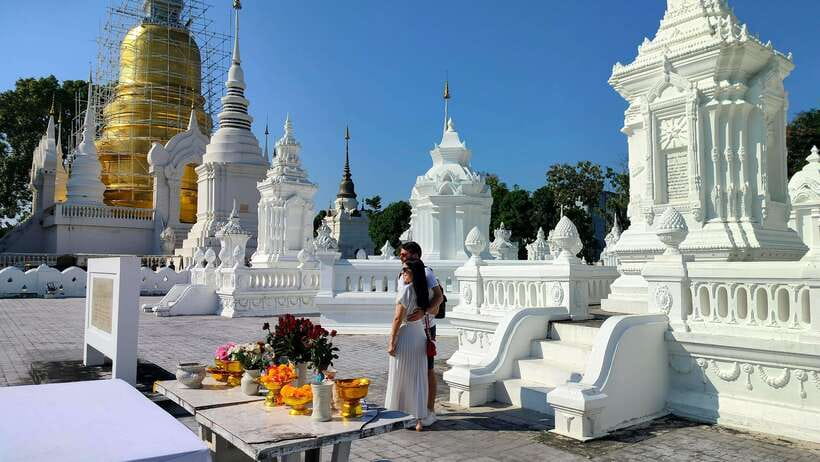
A tuk-tuk at night is part transport, part street theater. You get the city’s glow, the calmer nighttime traffic feel, and enough motion to keep everyone energized for a 4-hour evening. It’s also a smart choice here because the Old City sights are close enough to string together, but spread out enough that a car alone can feel a bit sterile.
I like that this tour doesn’t just dump you at temples and markets. The pacing is set so you can enjoy the ride, take in the walls and moat area around the Old City, and still have real time to walk through food streets. For many people, that balance is the difference between a checklist night and a night that actually sticks in your memory.
There’s also a practical side: a private tuk-tuk means your guide can adjust on the fly if you need a bathroom stop, a slower walking pace, or a moment to catch your breath. And because it’s limited to a small group of up to four, you’re less likely to feel rushed.
You can also read our reviews of more evening experiences in Chiang Mai

Pickup and the small-group setup that keeps things smooth
You’ll get hotel pickup from select locations, with free pick-up areas covering most major zones inside the Old City area and up to a 2 km radius of Thapae Gate. If your hotel sits outside that radius, the meeting point is Tha Phae Gate in front of McDonald’s. Either way, your guide will confirm the pickup time the evening before and should be easy to spot with a TripGuru sign.
The small-group limit matters more than it sounds. With only a few people, your guide can explain what you’re seeing without speaking over a crowd, and the driver can manage the tuk-tuk stops without turning the evening into a long waiting game. It’s also easier to ask questions about what to eat next, especially if you’re not familiar with Northern Thai flavors.
Language support is English and Thai. Even if your Thai is rusty, the guide will steer you through both temple rules and market choices, and that makes your evening feel less like guesswork and more like a curated night out.
Riding the Old City loop: walls, moat vibes, and Lanna context
Before the temple stops, you start by boarding your tuk-tuk and cruising around the Old City area. You’ll pass historic walls and the moat in Chiang Mai’s cultural core, which is where the city’s identity feels most visible. Even if you’ve seen Old City maps during the day, nighttime gives the area a different rhythm—less heat, more glow, and more people out and about.
This part also comes with history to hang your imagination on. Chiang Mai is tied to the Lanna Kingdom, later influenced by Burmese control, and eventually regained independence with the help of the King of Thonburi. Your guide’s explanations give you a sense of why these temple areas feel like more than sightseeing stops—they’re tied to centuries of power, belief, and rebuilding.
For me, this kind of “in-between” storytelling is what makes night tours worth it. You aren’t just traveling from one dot to another; you’re getting a thread of meaning while you move.
Wat Suan Dok: the white chedis and the Sri Lankan-style golden pagoda
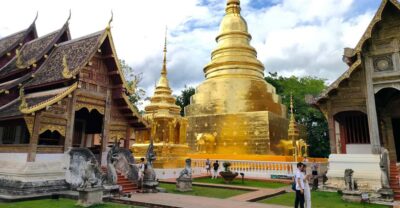
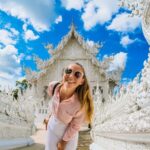
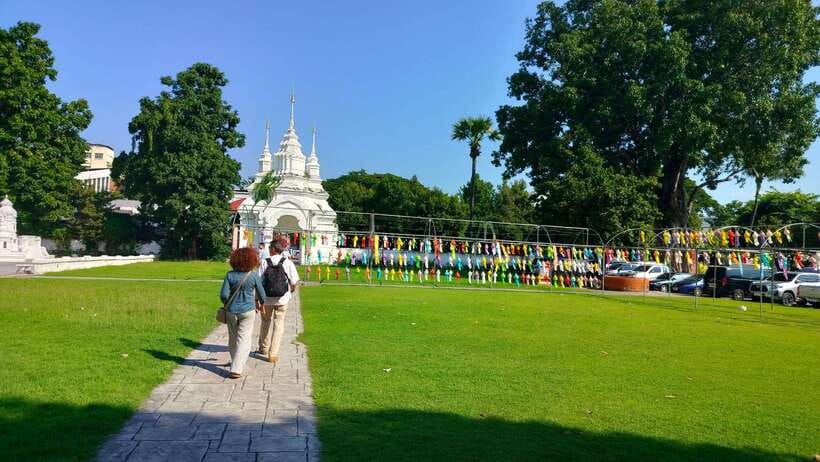
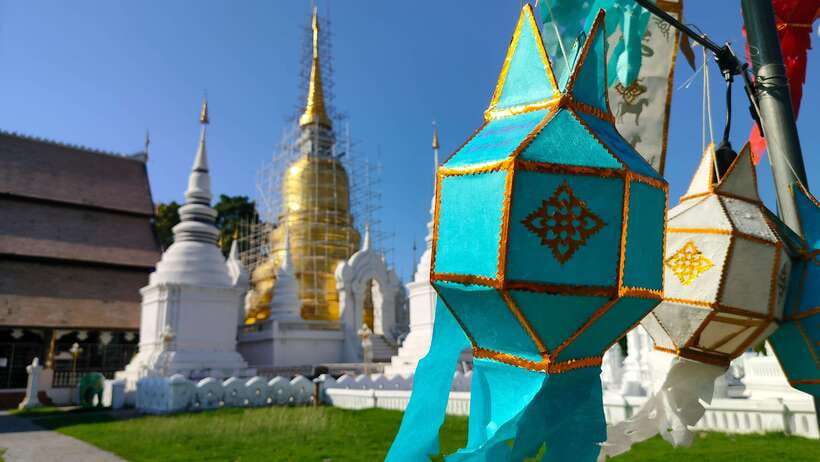
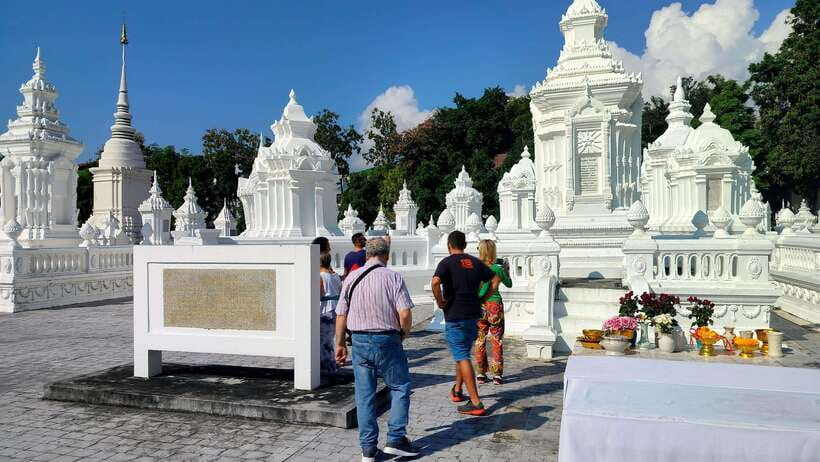
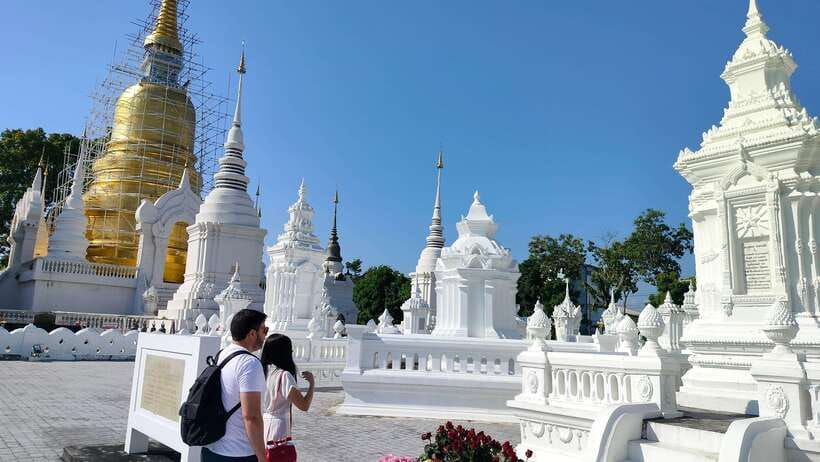
Wat Suan Dok is the star for a reason. The temple is known for its many white chedis, which look especially crisp under night lighting and evening shade. Its name connects to a royal flower garden site from the past, which gives you a helpful frame for why the space feels arranged and ceremonial instead of random.
You’ll also see a striking 48-meter golden pagoda built in the Sri Lankan style. That detail matters because Chiang Mai’s religious architecture isn’t just local—it’s a mix of regional influences. When you know the style reference, the pagoda stops being a tall object and starts being a clue about cultural exchange.
One of the more meaningful stories tied to Wat Suan Dok involves a sacred Buddha relic believed to be the shoulder bone of Buddha himself. It’s the kind of fact that turns a photo stop into a moment of attention. Even if you’re not super into relic lore, learning what people believe and why it’s protected helps you understand why worshippers treat the area with care.
Time is tight in a good way: you get a focused visit, not a half-day. Plan to slow down anyway once inside, because the chedi patterns and pagoda scale reward a little extra looking.
Wat Lok Moli: a 14th-century temple and the Mengrai ashes inside a restored chedi
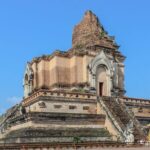
Wat Lok Moli is older, and you can feel that age in the way the complex reads. It’s a 14th-century temple and one of the older sites in the city, so the atmosphere tends to feel more grounded and less like a performance. The highlight is a massive restored chedi featuring a Buddha image.
The chedi also contains the ashes of several kings from the Mengrai dynasty. That’s one of those details that changes how you view the space: you’re not just seeing stonework, you’re seeing the city’s ruling lineage marked and preserved through religious architecture.
Before you hop back on the tuk-tuk, you’ll pass through areas connected to Lanna tradition, including a teak wood pavilion and Lanna-style Buddhist monastery features. This is a nice counterpoint after the big, eye-catching pagoda at Wat Suan Dok. If you’re trying to understand Northern Thai temple design, switching from one strong visual identity to another helps a lot.
Expect a shorter stop than Wat Suan Dok. That’s fine because your time is redistributed toward the markets afterward, where you’ll want your energy for walking and eating.


Chang Phuak Gate Night Market: where your guide helps you choose
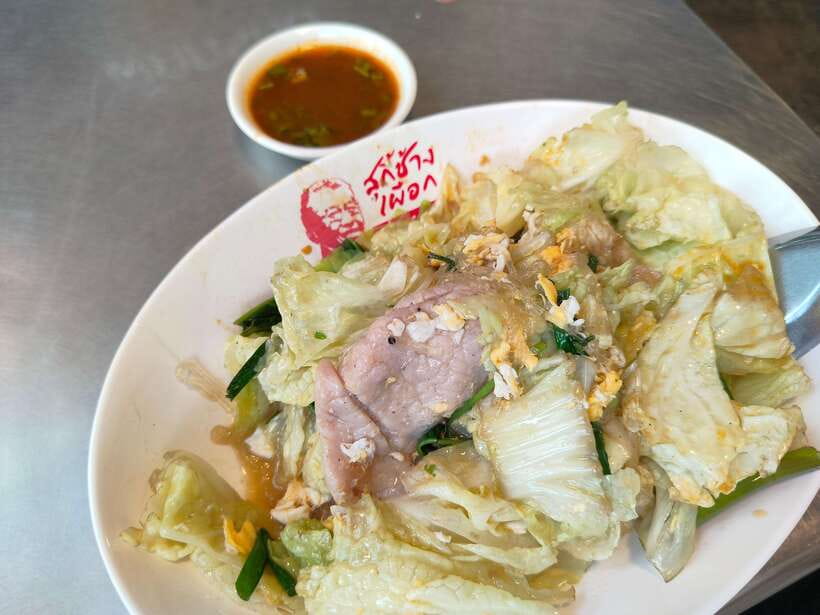
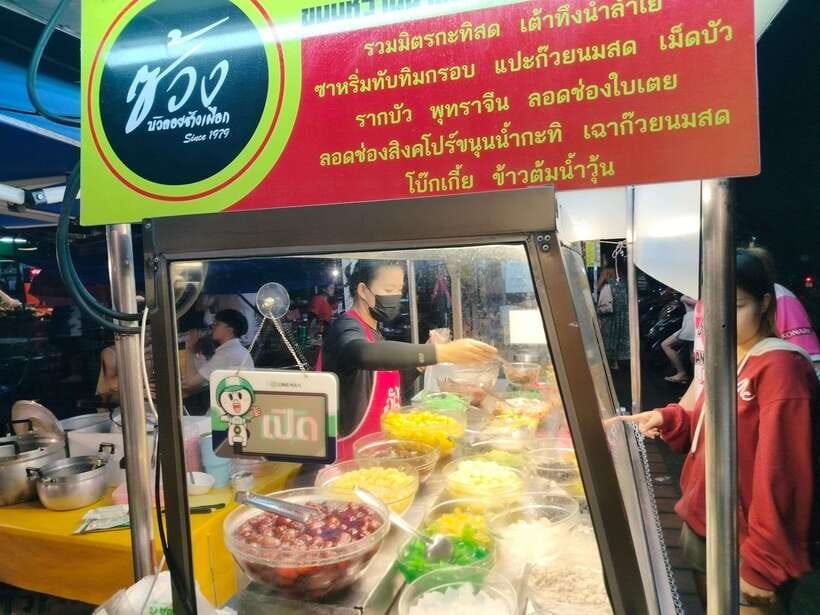
After the temples, you’ll ride to Chang Phuak Gate Night Market for a food-focused stroll. This is the kind of place where the smells and steam can overwhelm you—unless you know what you’re looking for. That’s exactly where having a guide helps, because the driver and guide can steer you toward dishes that match what you’re craving.
You’ll spend about half an hour walking the open-air market area. It’s enough time to spot good stalls, ask questions, and try something without turning it into a full meal event. Bring cash for street food, and come with flexible expectations—night market dining is more about variety than perfect pacing.
What I like here is that the tour doesn’t force one set menu. Instead, you get help locating favorite local dishes, which makes the experience feel more like you’re traveling with someone local rather than following a script. If you’re worried about ordering, that guidance is worth its weight in noodles.
Wear long pants and bring a scarf if you’re the type to get cold in temple shade. Also: comfortable shoes matter more than you think, because market walking at night adds up fast.
Warorot Market and Ton Lam Yai Flower Market for the extra-night feel
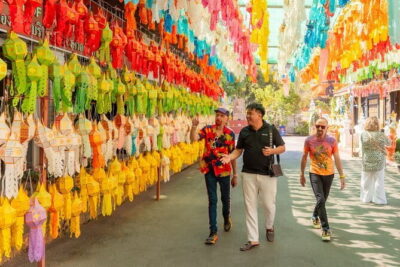
The tour doesn’t stop at just one night market. You’ll also pass by Warorot Market and Ton Lam Yai Flower Market to soak up more of the nighttime energy around Chiang Mai.
Warorot Market is a classic stop for people who want the city’s food scene and everyday hustle. Even if you only get a short look, the value is in the contrast: you’re seeing different stall styles and different crowds moving at different speeds. It’s a good way to broaden your food map without spending hours hunting.
Ton Lam Yai Flower Market adds a different angle. It’s tied to flowers, and that changes the feel of the stroll. You’ll still be in the night market rhythm—people out, vendors active—but the themes shift from pure street food to something with more sensory variety.
This extra time is what makes the evening feel like a real Chiang Mai night. You’re not just doing temple highlights and then rushing back. You’re learning how the city continues after the main sights.
Price and value: what’s included, what costs extra, and why it still makes sense
At about $64 per person for a 4-hour private tuk-tuk evening tour, the value comes from what you don’t have to organize yourself. You’re getting hotel pickup from select areas, a guide, private tuk-tuk transportation, and entry fees for Wat Suan Dok and Wat Lok Moli. Water is included, and the tour also includes carbon emissions offset credits.
The trade-off is simple: street food and additional drinks are not included. That means you should budget extra for what you choose to eat at Chang Phuak Gate and any other market bites you add. If you show up with a cash plan, the “not included” part stops feeling like a surprise and becomes part of your meal adventure.
From a value angle, temple entry fees can add up, and navigating night market areas without local help can waste time. This tour compresses the planning into one evening, plus you get context that turns ticketed entry into a more meaningful visit.
If you’re travel-style is: see key sights, learn fast, and eat well without overthinking, this price structure fits.
Guide quality: clear explanations and the names you may hear
The biggest common thread across guide feedback is clarity and friendliness. In real terms, that means you won’t be stuck translating signs or figuring out which stalls are worth your time. People have praised guides such as Cookie, Gnana, Pim, Leo, Lily, and James for patient explanations during the ride and at the markets.
Some guides even make the tour feel more personal. For example, Lily has been noted for being especially warm and for adding fun moments like Thai music during the evening. That sort of energy matters on a night tour, because a good guide can keep the group calm and curious instead of tired and distracted.
You also benefit from practical guidance. At temples, there’s a dress code to follow, and your guide’s reminders help you avoid awkward moments at the entrance. At markets, the guide’s direction helps you choose dishes quickly, so you spend less time hovering and more time eating.
Temple etiquette and packing list that keeps the evening easy
This tour can include sites with strict dress codes. Plan to cover shoulders, underarms, back, and knees. If you don’t want to gamble, bring a scarf or light layer you can wrap quickly.
You’ll want comfortable shoes because you’ll be walking through temple areas and night markets. Add insect repellent—night air in Chiang Mai can bring mosquitoes, and a short tour can still mean a few bites if you skip protection.
Other smart bring-alongs:
- Camera (temple details and night market lighting are photo-friendly)
- Cash for street food
- Long pants
- A scarf for quick covering
Also note the tour recommends a moderate fitness level. It isn’t designed for slow, limited-mobility pacing, so if you have mobility limits or health concerns, take that seriously before booking.
Should you book the Chiang Mai tuk-tuk temples and markets night tour?
I think you should book if you want a high-effort night without doing the planning yourself. This tour gives you the key temple hits—Wat Suan Dok and Wat Lok Moli—plus multiple market environments where you can snack at night. The tuk-tuk adds fun, but the real win is the guided context that makes temples feel more than “pretty buildings.”
Skip it if you know you’ll struggle with walking, crowded market areas, or temple dress expectations. It’s not suitable for pregnant women, people with mobility impairments, people with heart problems, or people with respiratory issues.
If you’re the kind of traveler who likes eating your way through a city and learning why the places matter, this is a solid value for one evening in Chiang Mai.
FAQ
How long is the Chiang Mai tuk-tuk evening tour?
The tour lasts 4 hours.
Are entrance fees to Wat Suan Dok and Wat Lok Moli included?
Yes. Entry fees for both Wat Suan Dok and Wat Lok Moli are included.
Is street food included in the price?
Street food is not included. You’ll want to bring cash for snacks and additional drinks.
What group size is this tour?
It’s a small group limited to 4 participants.
Where does hotel pickup happen?
Pickup is included from select locations, including free pick-up areas within 2 km radius of Thapae Gate and surrounding Old City Wall zones. If your hotel is outside the free pick-up area, the meeting point is Tha Phae Gate in front of McDonald’s.
Is the tour responsible or low-impact?
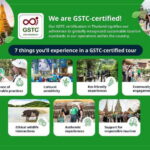
Yes. It’s GSTC-certified and includes water in glass bottles plus carbon emissions offset credits.