REVIEW · CHIANG MAI
Chiang Mai: Morning Cooking Class with Market Visit
Book on GetYourGuide →Operated by Galangal Cooking Studio · Bookable on GetYourGuide
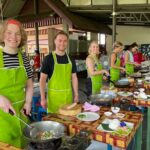
Thai cooking starts at the market gate. In Chiang Mai, I like this class because it begins with real ingredient shopping and then moves into Galangal Cooking Studio to cook with instructor New and a clear, practical teaching style. By the end, you’re not just eating Thai food. You’re taking home a PDF recipe book you can actually use.
What I really like is the mix of shopping + farming education. You’ll visit an organic garden where you pick herbs and learn how vegetables grow in Thailand, then you cook using what you bought and harvested. And the menu feels flexible: you choose from starters, mains, soups, curries, and dessert, so the day fits your tastes instead of forcing one set program.
One thing to plan around: pickup timing and meeting points matter. The driver waits only a short window, and parts of the city have limited pickup coverage. If you’re outside the route, you may need to get to the market or studio yourself, which can be stressful if you’re not paying attention to the timing.
In This Review
- Key highlights you’ll feel right away
- A 5-hour morning that begins in a real Chiang Mai market
- The organic garden stop: herbs, farming, and what changes in the flavor
- Getting cooking with New at Galangal Cooking Studio
- Your menu choices: 6 dishes total, built from real Thai categories
- Starters: pick one
- Main courses: pick one
- Soup: pick one
- Curry: choose your color and style
- Dessert: choose one
- What you should watch while you cook (so it works at home)
- Dietary fit: vegetarian, vegan, Halal, and gluten-free options
- Price and value: what $41 buys, plus the one extra fee to confirm
- Logistics that can make or break your morning
- So, should you book this Chiang Mai cooking class?
- FAQ
- How long is the Chiang Mai morning cooking class?
- How many dishes will I cook?
- What dishes can I choose from for starters, mains, soup, curry, and dessert?
- Is hotel pickup and drop-off included?
- What language is the instruction in?
- Will I receive a recipe book after the class?
- Are vegan, vegetarian, Halal, and gluten-free options available?
- Is there any extra fee not included in the class price?
- Is there free cancellation?
Key highlights you’ll feel right away
- Market-first shopping so you cook with fresh ingredients you actually picked out
- Organic garden herb picking with hands-on learning about Thai growing methods
- A choose-your-own menu that still guarantees 6 dishes total
- Thai curry paste and noodle skills that go beyond just following directions
- English instruction in an air-conditioned studio set up for comfortable hands-on cooking
- Take-home PDF recipes to help you recreate the dishes later
A 5-hour morning that begins in a real Chiang Mai market
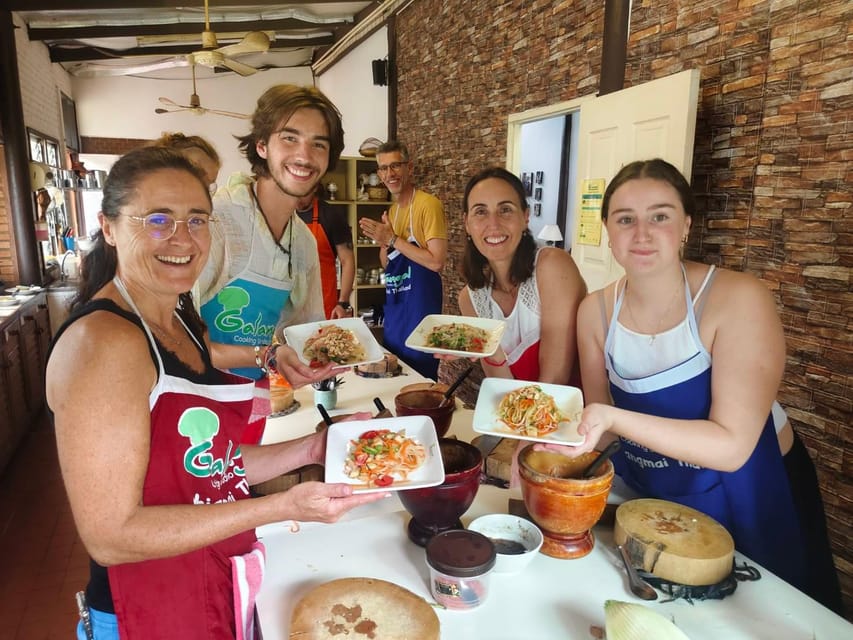
This is a morning class, and that timing is a big part of why it works. The day is built around freshness, so you start by visiting a local market where ingredients are displayed with the kind of variety you rarely see in a packaged grocery setup.
You’ll shop for the key things that make Thai food taste like Thai food: aromatics, herbs, sauces, and the vegetables you’ll use later. Expect to smell your way through the experience. That’s not a cute detail. It helps you notice what you’re buying and why it matters once you’re cooking.
The market tour is listed as depending on interest. In practice, that’s usually a sign you can spend a little more time asking questions (or skip parts if you’re short on time). Either way, plan to arrive ready to move. If you show up late, the schedule can tighten quickly.
You can also read our reviews of more shopping tours in Chiang Mai


The organic garden stop: herbs, farming, and what changes in the flavor
After the market, you head to an organic garden and farm-style area. Here’s where the day stops being just a cooking lesson and starts becoming a food education.
You’ll explore how vegetables and herbs are grown in Thailand, then you pick ingredients you’ll be able to use in your cooking. This is the moment that makes the class feel more like a story than a checklist. When you’ve chosen the herbs yourself, you pay attention to them in the pan. You also start learning Thai cooking logic: balance, freshness, and how fragrance shows up in taste.
This stop is also where you’ll get the most practical learning about what ingredients look like before they become a dish. That’s useful for you at home. Even if you can’t recreate the exact same Thai herbs, you’ll understand the role they play.
Getting cooking with New at Galangal Cooking Studio
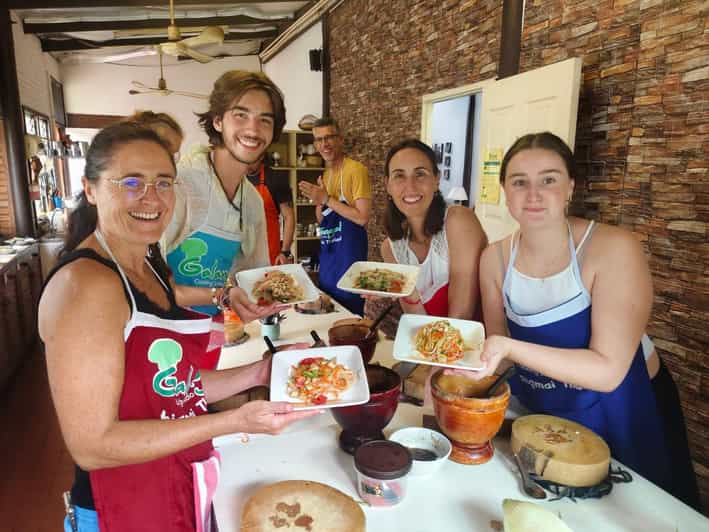
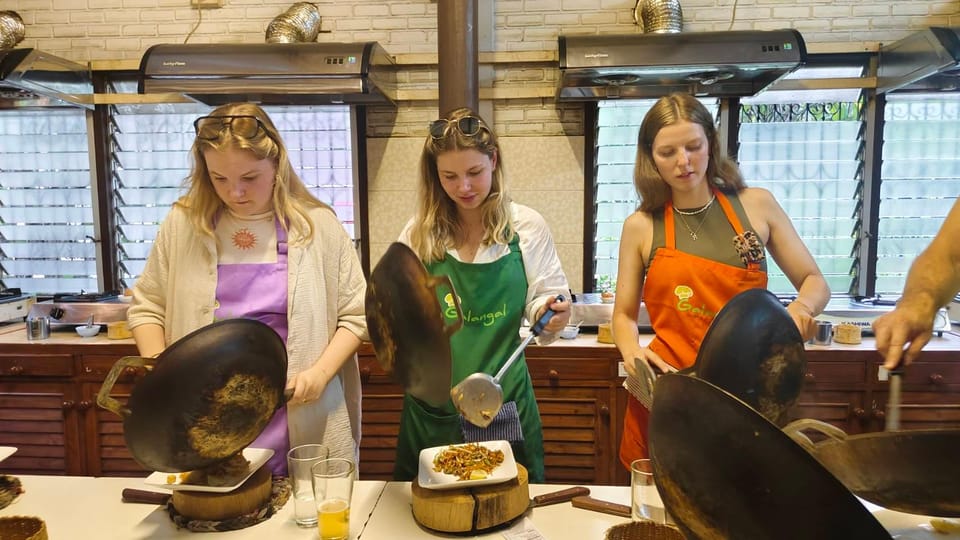
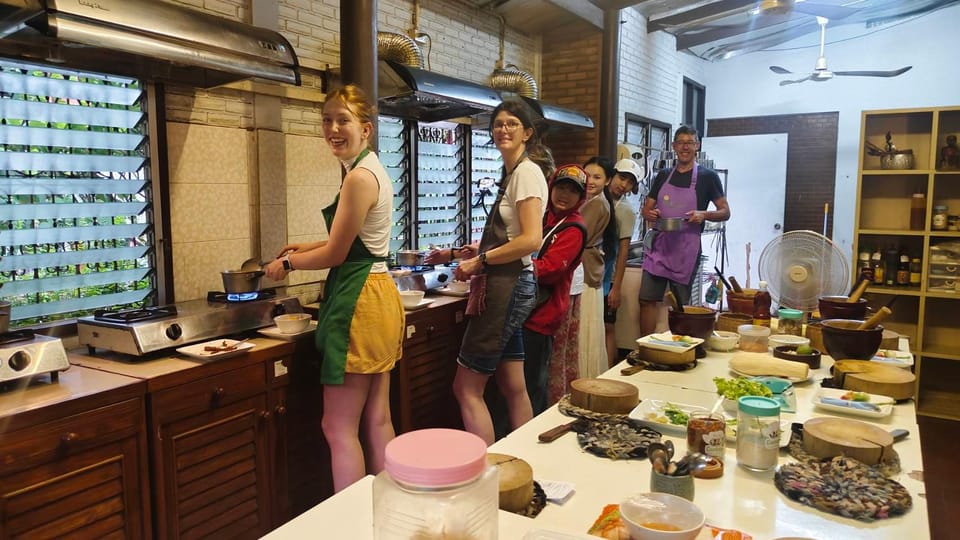
The cooking portion takes place at Galangal Cooking Studio in Chiang Mai. The setting matters. It’s set up for hands-on work, and there’s an indoor, air-conditioned dining room area used for eating and dessert later.
Your instructor teaches Thai cooking skills step by step in English. That matters because Thai cooking isn’t just about ingredients. It’s timing, texture, and technique. The class is paced for beginners while still rewarding if you’ve cooked before.
One smart tip for your comfort: the activity asks you to come with an empty stomach. That’s because you’ll shop, pick ingredients, cook, and then eat everything you made. Going hungry keeps your energy up and helps you enjoy the food at the end instead of feeling like you’re forcing it.
Also, the class is run with the basics handled for you. Ingredients and equipment for the lesson are included, along with water, tea, and coffee. Alcohol and drugs aren’t allowed, so don’t plan on drinking during the class.
Your menu choices: 6 dishes total, built from real Thai categories
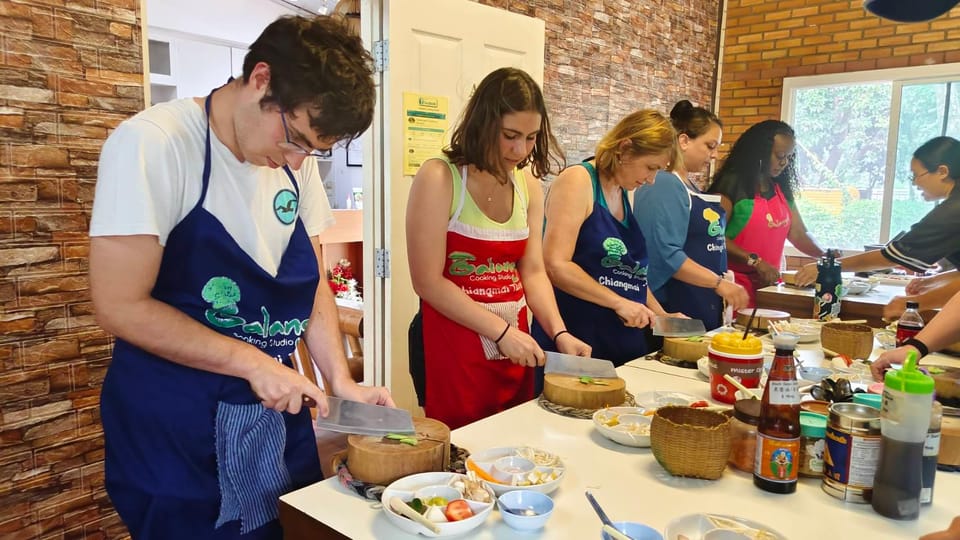
You’ll cook a total of 6 dishes. The structure is what makes it good value: you cover multiple parts of Thai cooking, not just one specialty. You can choose an appetizer, a soup, a stir-fried dish, and also curry paste and curry options. Then dessert comes after.
Starters: pick one
Choose one from:
- Som Tam (papaya salad)
- Por Pia Thod (spring rolls)
- Larb Kai (chicken salad)
- Yam Woon Sen (glass noodle salad)
If you’re new to Thai flavors, Som Tam and Larb Kai are great because they teach balance: sour, salty, and herb notes. If you want something lighter and flexible, spring rolls and glass noodle salads show how Thai cuisine handles texture, not just spice.
You can also read our reviews of more tours and experiences in Chiang Mai



Main courses: pick one
Choose one from:
- Pad Thai (Thai fried noodles)
- Pad See Ew (stir-fried chicken with fresh noodles)
- Kai Pad Med Mamuang Him Ma Pan (chicken with cashew nuts)
- Pad Kaphao Kai (minced chicken with holy basil)
Pad Thai and Pad See Ew are noodle-driven and teach you how to manage heat and sauces so everything doesn’t turn into a sticky mess. Pad Kaphao Kai is a more aromatic, basil-forward dish, and it’s ideal if you like fragrant cooking with lots of flavor intensity.
Soup: pick one
Choose one from:
- Tom Yum Kung (hot and sour prawn soup)
- Tom Kha Kai (chicken soup with coconut milk)
- Tom Kha Je (vegan soup with coconut milk)
- Tom Zap Kai (hot and sour with chicken)
Soups in Thai cooking are where you learn how spice, sourness, and aromatics work together. Tom Yum styles are fast and punchy. Tom Kha styles teach creaminess from coconut milk without making the flavor flat.
Curry: choose your color and style
You’ll also make curry options from these:
- green
- red
- yellow
- massaman
- Panang
Curry paste is where Thai cooking becomes skill-based. It’s not only about mixing. It’s about how ingredients grind and release flavor. If you’re the type who likes to understand why a dish tastes the way it does, pay attention during the curry part. This is the section that tends to stick with you after the day ends.
Dessert: choose one
For dessert, you’ll make either:
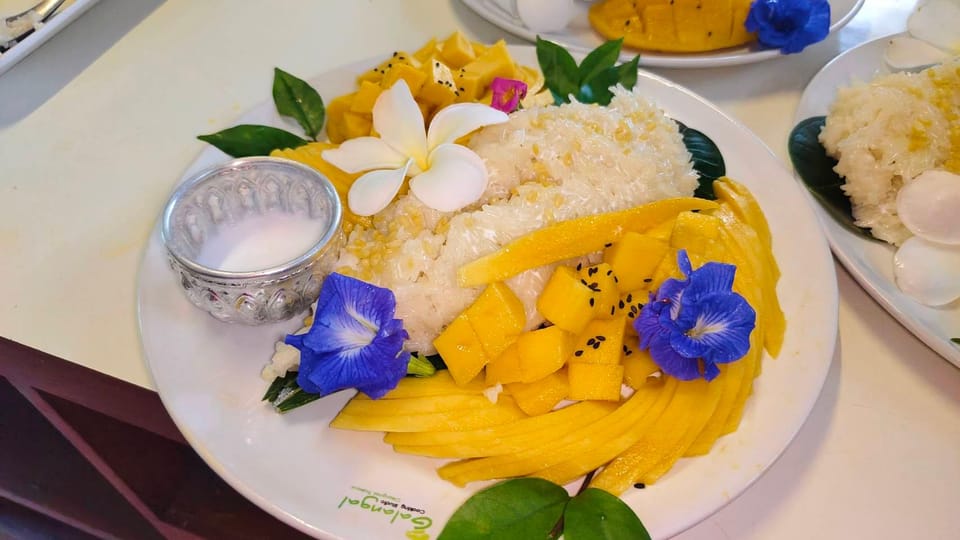
- mango sticky rice with ice cream
- Kuay Tod (deep-fried banana)
Mango sticky rice is a classic crowd-pleaser and a good finish to balance the savory heat. Fried banana (Kuay Tod) gives you crunch and sweetness, and it can feel like a Thai version of comfort dessert. It also pairs nicely with the air-conditioned dining room vibe, so you’re not eating dessert through a sweat cloud.
What you should watch while you cook (so it works at home)
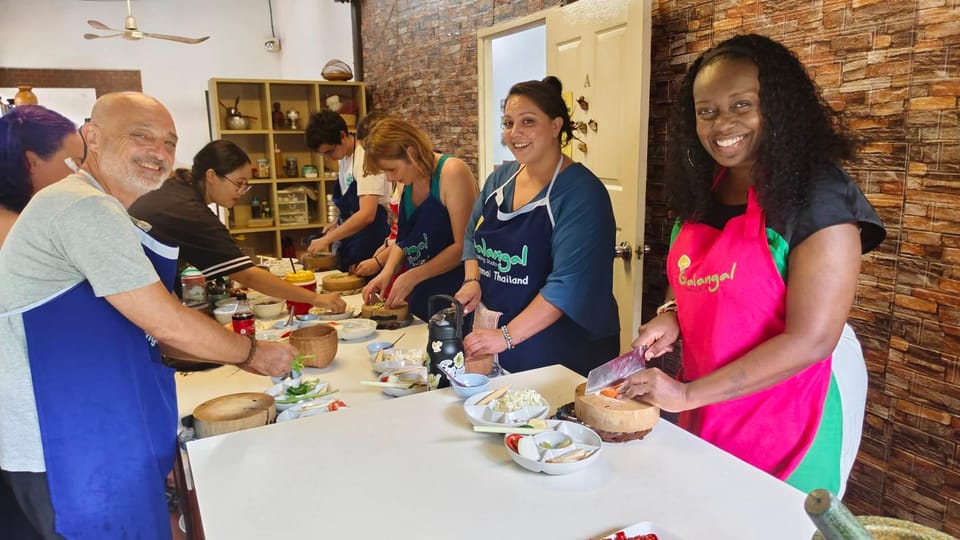
Even with clear instructions, Thai food can surprise you if you cook it like Western food. The big things to watch are heat level, timing, and sauce handling.
Here are the practical habits that make the class worth it:
- Taste as you go. Thai seasoning often requires quick adjustments, especially for sour and salty balance.
- Don’t overcook herbs. The scent fades if you treat herbs like long-cooked vegetables.
- Mind the sauce amount. Noodle dishes can go from perfect to clumpy quickly.
- Respect texture. Spring rolls and salads reward small technique differences more than you might expect.
- For curry: pay attention to how paste flavor develops. Even when recipes vary, technique is the core lesson.
I also like that you’ll hear ingredient explanations in English. You’re not just memorizing steps. You’re learning what substitutes might still get you close when you cook at home.
Dietary fit: vegetarian, vegan, Halal, and gluten-free options
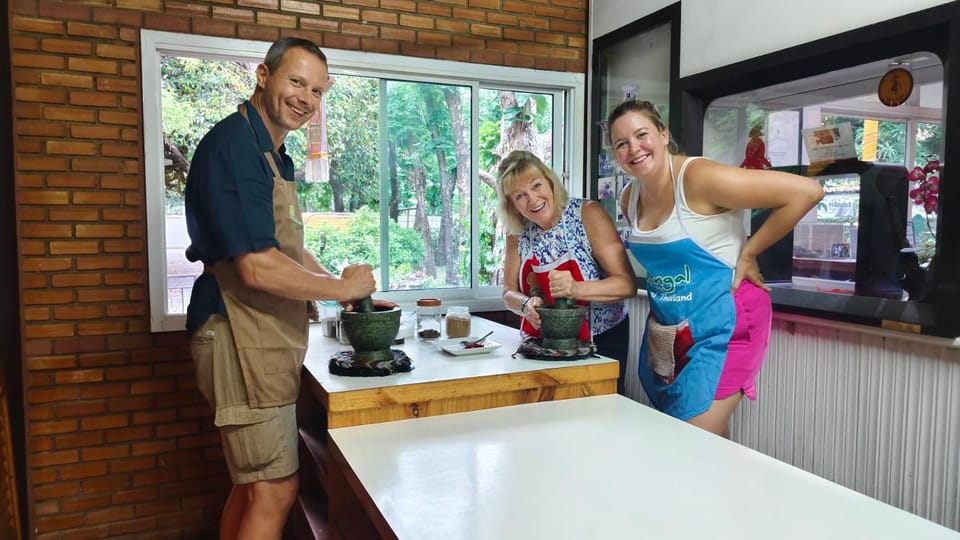
This activity explicitly notes options for:
- vegan
- vegetarian
- Halal
- gluten free
- and people with allergies
That’s a meaningful value point for real life. Thai cuisine uses lots of fresh components, but sauces and ingredients can vary. Having dietary accommodations built into the class means you can plan the day without guessing whether you’ll end up with plain food.
When you book, make sure you clearly state what you need and what you cannot have. Then during the class, follow the guidance of the instructor rather than trying to improvise mid-cook. Your results will be better, and you’ll waste less food.
Price and value: what $41 buys, plus the one extra fee to confirm
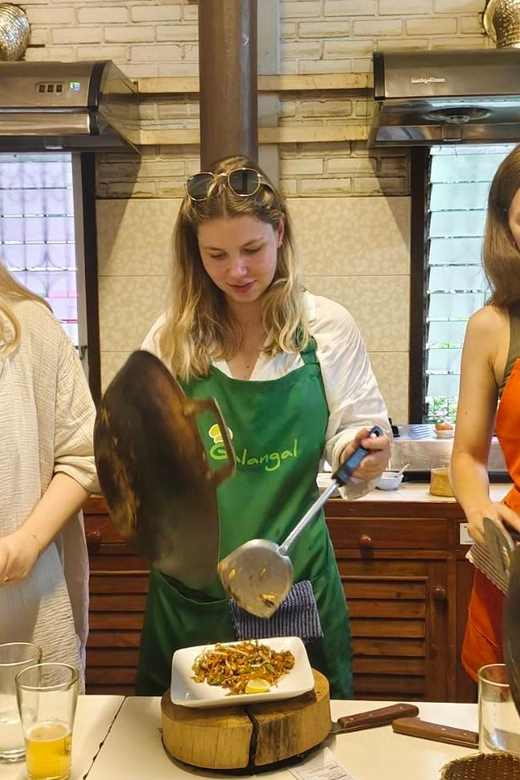
The price is listed at $41 per person for about 5 hours. For Chiang Mai, that’s a fair deal because you’re getting the full package: hotel pickup and drop-off, market shopping, cooking instruction, and ingredients and equipment. You’re also getting water, tea, and coffee, plus a PDF recipe book.
The value gets even better when you consider the scope: 6 dishes, dessert included, plus curry work where you learn techniques. A lot of food tours give you one or two dishes and call it a day. This one is structured like a real cooking lesson.
One caution on cost: there’s an additional visitor fee not included in the listed price. Adults are 500 baht per person and children 6–12 are 350 baht per person. The data doesn’t spell out what stop the visitor fee applies to, so you should confirm what that fee covers when you book, then budget it so the total doesn’t surprise you.
Logistics that can make or break your morning
This class uses hotel pickup, and it covers many hotels in and around the old city area plus areas including Santitham and Huay Keaw Road up to Maya Shopping Mall. It also covers some areas of Nimmandhaemin Road, Sirimongkrajan Road, Wat Ket Road, Chang Pheuk, Changklan, and Changmoi, but coverage depends on how far your hotel is.
Pickup timing details:
- You should wait in the hotel lobby about 5–10 minutes before pickup.
- The driver waits no longer than 5 minutes after the scheduled time.
- The driver arrives before 9:00 AM, but traffic and the number of pickup points can cause delays.
If your hotel isn’t included in the pickup service, you’ll be told and you’ll need to arrange your own transport to the cooking school or market. You can also come directly if you don’t want a transfer.
My advice is simple: double-check your pickup address information, and don’t treat the pickup like a suggestion. If you miss the market start, you lose time at the part of the day that sets up the rest of the lesson.
So, should you book this Chiang Mai cooking class?
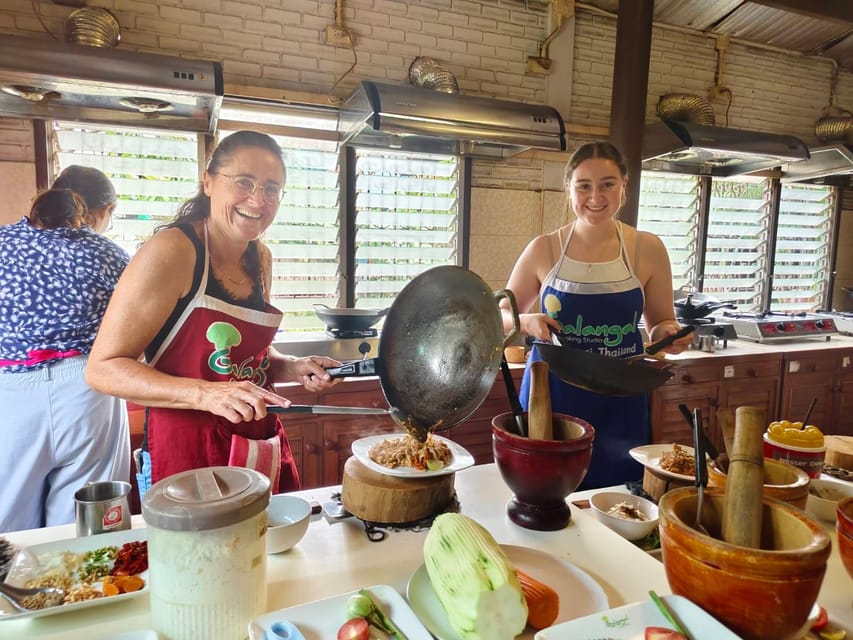
If you want a hands-on Thai cooking day with structure, this is a strong choice. I think it’s especially good for:
- first-time Thai food cooks who want clear English instruction
- food lovers who like learning ingredients and technique, not just eating
- people who want a take-home recipe resource in PDF form
- anyone traveling with dietary needs, since vegan/vegetarian/Halal/gluten-free options are explicitly supported
You might skip it if you hate tight schedules or you’re worried about getting to the market on time (especially if pickup coverage is unclear for your hotel). Also, if you’re expecting a totally hands-off tour where you mostly watch, you may find this more work than you want. It’s a cooking class. You cook.
Overall, I’d book it when your goal is skills you can repeat, plus a meal that you helped build from the ground up.
FAQ
How long is the Chiang Mai morning cooking class?
The duration is listed as 5 hours.
How many dishes will I cook?
You will cook a total of 6 dishes, with choices for starters, main courses, soup, curry, and dessert.
What dishes can I choose from for starters, mains, soup, curry, and dessert?
Starters can be Som Tam, Por Pia Thod, Larb Kai, or Yam Woon Sen. Mains can be Pad Thai, Pad See Ew, Kai Pad Med Mamuang Him Ma Pan, or Pad Kaphao Kai. Soups can be Tom Yum Kung, Tom Kha Kai, Tom Kha Je, or Tom Zap Kai. Curry options include green, red, yellow, massaman, and Panang. Dessert can be mango sticky rice with ice cream or Kuay Tod fried banana.
Is hotel pickup and drop-off included?
Yes. Hotel pickup and drop-off are included, with pickup offered to many hotels in and around the old city and nearby areas, plus some additional roads. If your hotel isn’t included, you may be asked to go by yourself.
What language is the instruction in?
Instruction is in English.
Will I receive a recipe book after the class?
Yes. You get PDF versions of the recipe book.
Are vegan, vegetarian, Halal, and gluten-free options available?
Yes. The activity is available for vegan, vegetarian, Halal, and gluten-free participants, and it also mentions support for allergies.
Is there any extra fee not included in the class price?
Yes. A visitor fee is not included: 500 baht per adult and 350 baht per child (ages 6–12).
Is there free cancellation?
Yes. Free cancellation is available up to 24 hours in advance for a full refund.