REVIEW · CHIANG MAI
Elephant care program at CHIANGMAI ELEPHANT CARE
Book on Viator →Operated by CHIANGMAI ELEPHANT CARE · Bookable on Viator
Elephants without rides make the day meaningful. At CHIANGMAI ELEPHANT CARE, you watch rescued Asian elephants roam and bathe while learning what real caretaking looks like in Northern Thailand. I love the no-riding approach and the close hands-on feeding that stays focused on the elephants’ welfare. My only flag: some of the wet or hands-on moments can vary by the day, so go in for observation and care time first, splash time second.
The logistics are simple and comfy: hotel pickup, air-conditioned transport, and a small-group feel (up to 12 people). You may even hear guide names you’ve seen around Chiang Mai—people like Tom, Ford, Tong, and Todd—because these tours are run by staff who actually talk with you, not at you.
In This Review
- Key highlights worth circling
- Elephant care without riding: what you’ll really do
- Hotel pickup and the countryside drive from Chiang Mai city
- Mahout-style uniform: the small step that changes the whole tone
- Roaming, socializing, and bathing: what “natural” looks like here
- Feeding and protein supplements: the interactive part done responsibly
- Lunch, rest, and how to keep the day enjoyable
- What to pack: the real-world list for elephants and countryside
- Who this tour is perfect for (and when it’s not)
- Price and value: why $52 can make sense here
- Small group comfort with up to 12 people
- Should you book CHIANGMAI ELEPHANT CARE?
- FAQ
- Is there elephant riding on this tour
- How long is the experience, and when do you get picked up
- What’s included in the price
- What should I bring for this elephant care program
- How many people are in the group
- What happens if the weather is bad
Key highlights worth circling
- Hotel pickup and drop-off so you don’t waste your morning figuring out transport
- Mahout-style uniform to protect both elephants and your clothes
- Close observing, not rides with roaming, socializing, and bathing time
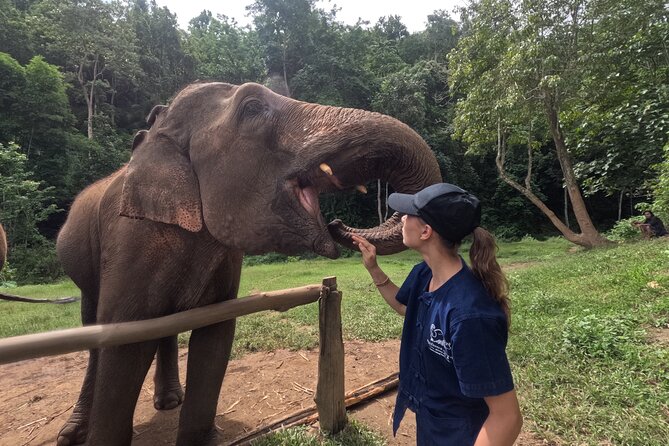
- Feeding and protein supplement making that feels interactive without being performative
- Lunch included with bottled water to keep you going on a half-day schedule
Elephant care without riding: what you’ll really do
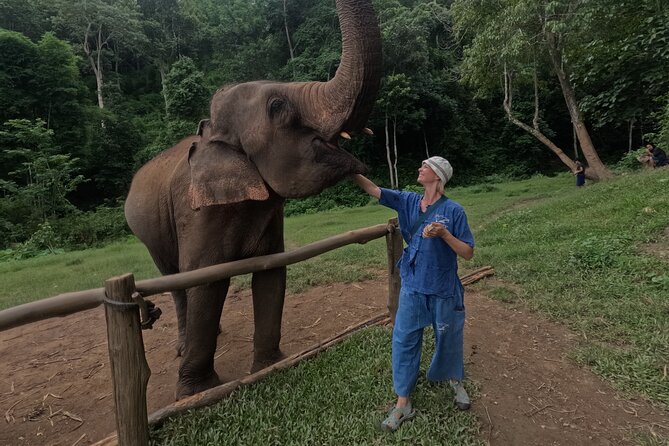
This is an elephant program built around being near elephants in a humane way, not turning them into a photo prop. The centerpiece is ethical, calm interaction: you observe rescued elephants as they move freely, socialize, and take baths, guided by the sanctuary team.
Instead of riding, you’ll spend most of your time watching behavior up close and learning what matters in day-to-day care. That includes understanding routines around feeding and the types of dietary supplements caretakers prepare. One big win here is that the experience is structured so the elephants are not forced into tricks just to entertain you.
You should still expect to get muddy sometimes. A few visitors note that the ground can be wet, and you may be given rubber boots. If you show up dressed for real field time (not a clean-city day), you’ll enjoy it much more.
You can also read our reviews of more tours and experiences in Chiang Mai.



Hotel pickup and the countryside drive from Chiang Mai city
Your day starts with pickup from your hotel lobby in Chiang Mai city. Typical timing runs early—pickup is around 08:00 to 08:30, and you’re back in town around 2:00 pm—so it feels like a half-day that doesn’t swallow your entire trip.
Before you ever see elephants, you get about a 1.5-hour scenic drive through agricultural areas. For me, this matters because it puts you in the right mindset. You’re leaving the city and heading into a calmer setting where rescued elephants are cared for—so the visit doesn’t feel like you’re just “arriving at an attraction.”
The ride is done in an air-conditioned vehicle, and you’ll also have bottled water on board. That sounds basic, but on a warm Chiang Mai morning it keeps things comfortable enough that you can focus on the experience, not logistics.
Mahout-style uniform: the small step that changes the whole tone
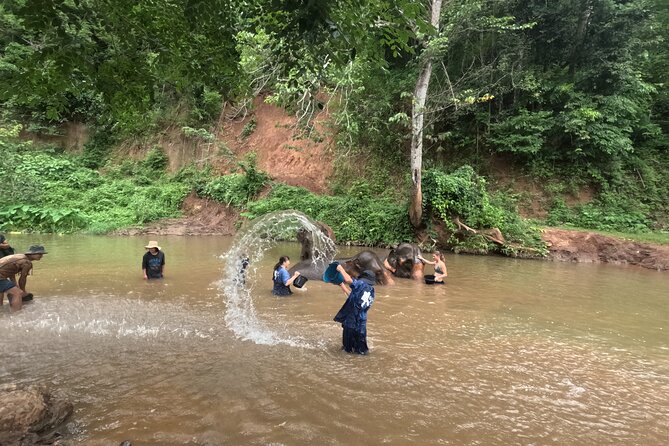
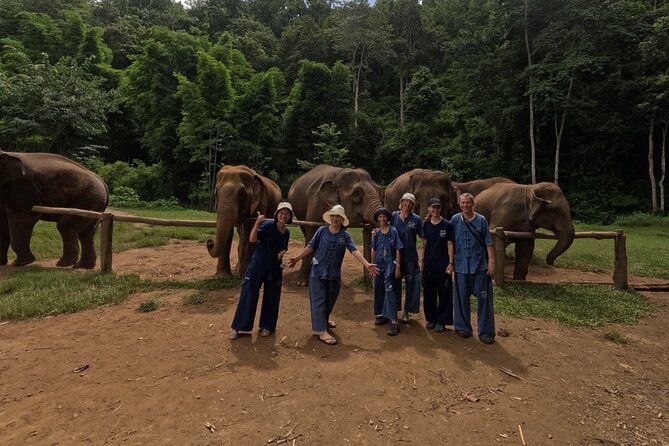
Once you arrive at the sanctuary, you’ll change into a Mahout-style uniform on site. The point is practical: it helps protect the elephants and also keeps you comfortable, with clothing that’s less precious than your usual travel outfits.
This part is more important than it sounds. When you’re dressed in the same simple style as the caretakers, you’re less likely to treat the whole thing like a costume event. It also signals that this visit follows sanctuary rules—yours included.
You’ll also get a briefing before the elephant time begins. The team explains elephant behaviors in natural surroundings and covers care basics, including references to traditional organic herbal dietary supplements used in the elephants’ routine. Even if you only catch parts of it, the structure helps you understand why the day is paced the way it is.
Roaming, socializing, and bathing: what “natural” looks like here
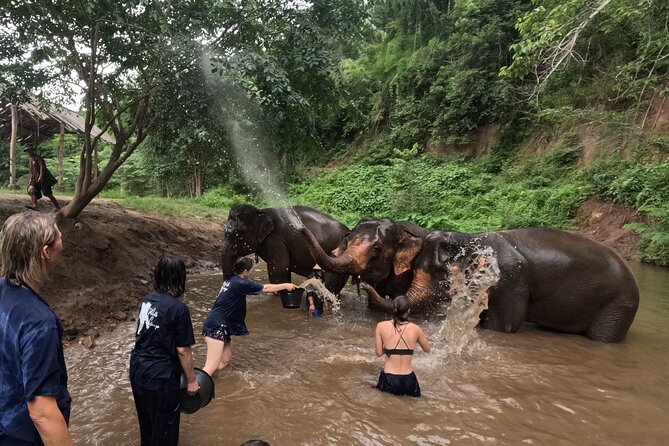
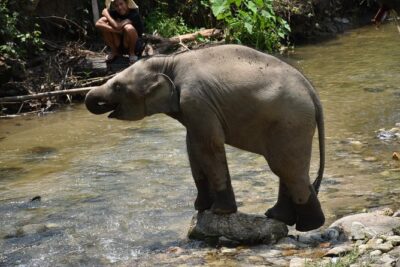
After setup, you move into the main experience: walking and observing elephants as they live day to day. The sanctuary focus is that the elephants roam and socialize at their own pace, instead of being placed into a scripted routine for tourists.
You’ll likely see rescued elephants in a mixed group setting, and the exact lineup can change. One earlier visit notes two female Asian elephants, while another describes three elephants plus a baby elephant. That’s a good reason to keep expectations flexible: your day is centered on observation, not a guarantee of a specific animal lineup.
Bathing may be part of what you see. The program describes bathing as included in the elephant-care moments, but some people report that not every washing or water interaction happens the same way on every day. So plan your mindset like this: you’re coming to watch elephants first, and you’ll go along with whatever the sanctuary schedule allows.
Feeding and protein supplements: the interactive part done responsibly
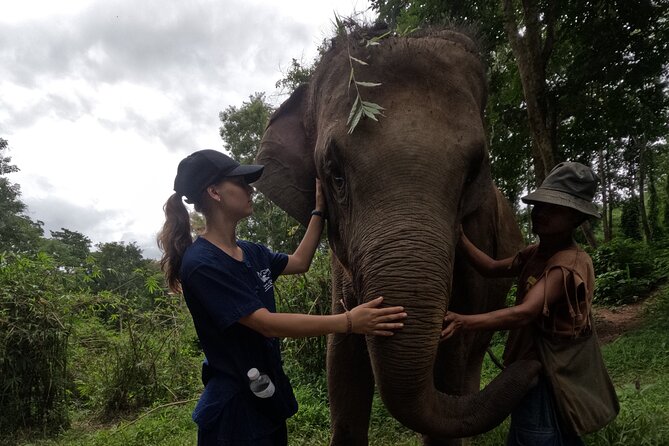
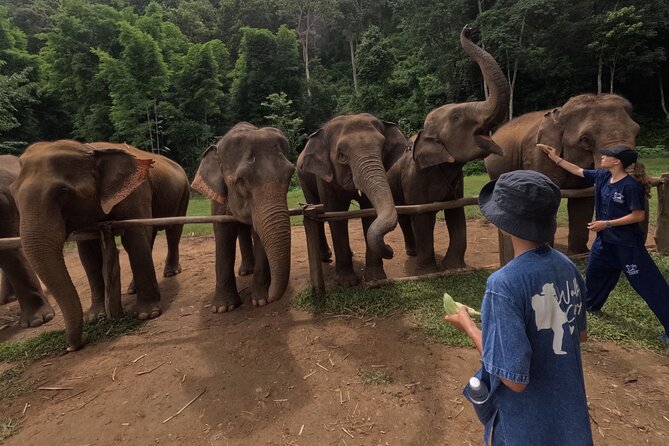
The hands-on element is a key reason people rate this experience highly. You may get to feed the elephants and help prepare protein supplements (often described as making medicine balls or similar food preparations). It’s interactive, close, and hands-on—without the hard sell tactics you see at less ethical animal attractions.
What I like about this type of interaction is that it teaches through action. When you’re making supplement food and then offering it in the right way, you learn what caretaking looks like as a process—not just a single moment for a selfie.
Guides often talk through elephant behavior while you’re doing it. In plain terms, you learn what caretakers watch for and why the elephants’ comfort is the priority. If you’re the kind of person who likes to understand how things work, this portion is likely the best use of your time.
And yes, it can get messy. A wet environment plus elephant contact means you may end up muddy. Bring your best “I’m not precious today” attitude.


Lunch, rest, and how to keep the day enjoyable
Lunch is included, and it’s typically a simple local meal with enough fuel to get you through the rest of the half-day. Multiple visitors specifically mention pad Thai, and that lines up with the overall vibe: local, filling, and not overly fancy.
This timing also helps. After you’ve been standing, walking, and paying attention for a while, you get a break before heading back to Chiang Mai. The program includes bottled water, which is a small detail but genuinely useful.
If you’re sensitive to strong sun or bug bites, this lunch break can be your “reset moment.” Use it to reapply sunscreen if needed and make sure you’re still feeling good before the drive back.
What to pack: the real-world list for elephants and countryside
Pack smart and you’ll enjoy the day more. The program asks you to bring sunscreen and bug spray. That’s not optional in practice—Northern Thailand afternoons and mornings can be buggy, and you’ll be outside near vegetation.
Also consider swim-ready gear, even though it isn’t listed as included. Swimwear and a towel are listed as not included, which usually means you may want them if the day turns wet or if you get close to bathing interactions. If you’d rather stay dry, you can still enjoy the observation parts, but having the option to change plans makes things easier.
Shoes matter too. Since the ground can be muddy, closed-toe footwear is a better choice than sandals. One review notes that rubber boots may be provided, but you shouldn’t rely on them being your exact size or fit for your comfort. Bring socks you don’t mind getting dirty.
Who this tour is perfect for (and when it’s not)
This experience fits best if you want ethical elephant time and you’re okay with a schedule that’s centered on watching and learning. The visit isn’t about thrills or performing with elephants. It’s about understanding how rescued animals are cared for and seeing their day-to-day behavior in a sanctuary setting.
It also suits families and first-timers. One review describes a family with a 9-year-old who enjoyed the day, largely because the staff kept things clear and the interaction stayed gentle and appropriate. If your group includes kids, the small group size (up to 12) can help keep the day from feeling chaotic.
A possible mismatch: if you came specifically expecting guaranteed water play or hands-on washing, you might feel differently on a day when conditions or sanctuary routines don’t allow it. The program’s core promise is no riding and observation-based care, so keep your expectations tied to that foundation.
Moderate physical fitness is recommended because there’s walking and outdoor movement. If you’re okay with that, you’ll likely feel good after the half-day.
Price and value: why $52 can make sense here
At $52 per person, the value comes from what’s bundled together. You’re not just paying for elephant access. You also get hotel pickup and drop-off, an air-conditioned vehicle, lunch, bottled water, all fees and taxes, and insurance.
When you add it up, this is a pretty fair package for a half-day structured around animal welfare and guided learning. In many places, “ethical elephant” experiences end up costing more because they bundle fewer extras or require separate transport and meals. Here, the day feels designed as a complete outing.
Your best value will come if you treat it as a learning and observing experience, not an activities checklist. If you go in calm and flexible, you’ll make the most of the feeding and supplement prep moments without feeling like you’re chasing a particular scene.
Small group comfort with up to 12 people
A big part of why people enjoy this program is the maximum group size of 12. Smaller groups typically mean:
- less waiting during instructions
- more room for hands-on tasks like feeding prep
- a calmer atmosphere for the elephants too
You’ll likely feel the difference when the day starts. Setup and briefing move quickly, and you’re not constantly stepping around large crowds. That matters when you’re dealing with animals that respond to the energy in the space.
Also, when there are fewer people, guides can answer questions more directly. Several visitors praise the way guides explain elephant behavior and care steps while staying patient with questions. If you like to learn while you travel, that’s a real quality-of-life perk.
Should you book CHIANGMAI ELEPHANT CARE?
I think you should book this if your priority is no-riding, ethical elephant care with close observation and real caretaker-led interaction. The half-day format, hotel pickup, included lunch, and small group size make it an easy win when you’re planning your Chiang Mai days.
Book it with a sensible mindset: expect roaming, learning, and feeding/supplement prep, and bring gear for sun and bugs. If you’re hunting for a guaranteed “water-splash” experience, you might feel a little let down on certain days, since elephant bathing and water contact can vary.
If you want a visit that feels like you’re supporting rescued elephants rather than buying a stunt, this is one of the more reliable choices around Chiang Mai for that goal.
FAQ
Is there elephant riding on this tour
No. The experience is specifically without riding. You observe the elephants and participate in care activities like feeding and supplement preparation.
How long is the experience, and when do you get picked up
It’s about 6 hours. Pickup is typically between 08:00 and 08:30, and drop-off is around 2:00 pm.
What’s included in the price
The price includes lunch, bottled water, all fees and taxes, an air-conditioned vehicle, and insurance, plus hotel pickup and drop-off.
What should I bring for this elephant care program
Bring sunscreen and bug spray. You should also bring a swim suit and a sandal towel if you want to be ready for possible wet bathing interactions, since these are not included.
How many people are in the group
The tour has a maximum of 12 travelers.
What happens if the weather is bad
This experience depends on good weather. If it’s canceled due to poor weather, you’ll be offered a different date or a full refund.