REVIEW · CHIANG MAI
Full Day Experience at Ran-Tong Save & Rescue Elephant Centre
Book on Viator →Operated by Ran-Tong Save & Rescue Elephant Centre · Bookable on Viator
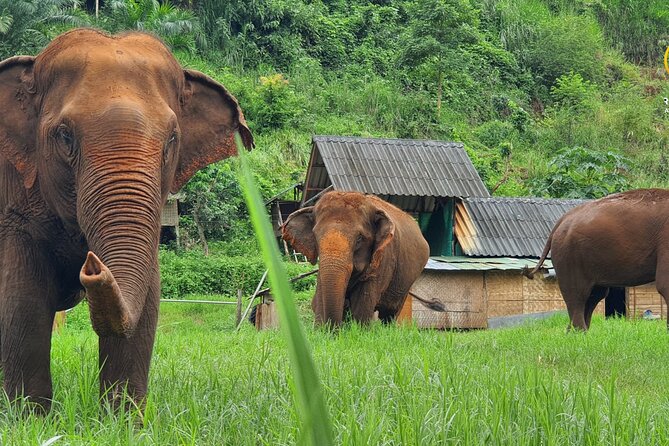
Elephants feel real here, not staged. At Ran-Tong Save & Rescue Elephant Centre, you spend hours observing and walking beside rescued elephants with a program built around welfare, not rides or circus tricks.
I especially love the chance to help with vitamin and medicine prep for elephants, including older, injured, and pregnant animals. I also like how the day stays personal with a small group size (max 15) and a guided elephant-school style start.
One drawback to plan for: this is a hands-on, outdoors day, so you’ll want to expect wet, dirty footwear and bring a change of clothes.
In This Review
- Key highlights you’ll actually use
- Why Ran-Tong’s elephant observation feels different
- Getting to Mae Taeng: pickup, drive time, and a full-day rhythm
- The elephant-school start: changing into Karen-style mahout clothes
- Making vitamins and medicine for rescued elephants
- Feeding, walking, and watching elephants in their natural behavior
- Lunch at the center: Thai food, seasonal fruit, and vegan options
- What to bring: clothes, shoes, and the usual Chiang Mai annoyances
- Price and value: is $90.86 worth it?
- Who should book Ran-Tong and who should skip it
- Should you book this full-day Ran-Tong elephant observation?
- FAQ
- How long is the full day experience?
- Is hotel pickup included?
- How far is Ran-Tong Save & Rescue Elephant Centre from Chiang Mai?
- What’s the maximum group size?
- Do you ride the elephants?
- What activities are included during the day?
- What should I bring?
- Is lunch included, and can dietary needs be handled?
- What is the cancellation policy?
Key highlights you’ll actually use
- Hands-off elephant time: you observe, feed, and walk with elephants without riding.
- Help with elephant care: you can make vitamins/medicine as part of the day’s activities.
- A smaller, calmer setup: max 15 people keeps the experience from feeling rushed.
- Ethical focus, not a show: no performances—just real conservation work and natural behavior.
- Food included with dietary care: lunch is included, and vegan diets can be accommodated.
- Optional choices around bathing: one review mentioned skipping bathing and sticking to feeding.
Why Ran-Tong’s elephant observation feels different
Most elephant experiences in Thailand sell speed: get on, get photos, move on. Ran-Tong’s program is built around the opposite pace. It’s explicitly not a show and not a circus, so the day runs like an education and observation session tied to rescue care.
What I like is that the program is framed around how elephants live and how the center supports them after rescue. You get time to watch behavior, learn what the elephants need, and participate in gentle caretaking tasks. That matters, because it changes your role from spectator to helper—without turning elephants into a prop.
The ethical approach is also practical for your expectations. If you’re hoping to ride an elephant, you’ll be disappointed. But if you want a real conservation day where the focus stays on elephants’ wellbeing and natural routines, this fits.
You can also read our reviews of more tours and experiences in Chiang Mai



Getting to Mae Taeng: pickup, drive time, and a full-day rhythm
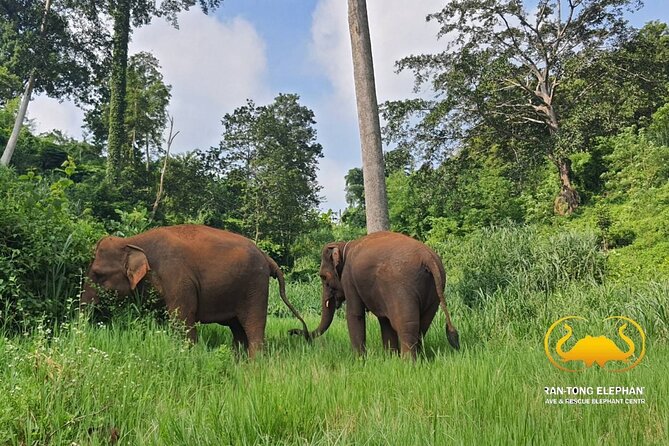
Ran-Tong is in Mae Taeng District, about an hour from Chiang Mai city. Pickup is offered from your hotel or accommodation, which keeps the day low-stress. Then you’re on the road long enough to feel like you left the city for a true day trip.
The total duration is about 8 hours. That’s a full workday in travel time, so treat it like one commitment—not a short add-on. A benefit of the longer block is that you’re not rushed through the elephant portion. You can actually settle in, change clothes, eat lunch, and return to elephant time afterward.
Group size is capped at 15. In practice, that usually means better attention from the staff during the care activities and fewer people crowding the same space at once. If you prefer a quieter experience, this limit helps.
The elephant-school start: changing into Karen-style mahout clothes
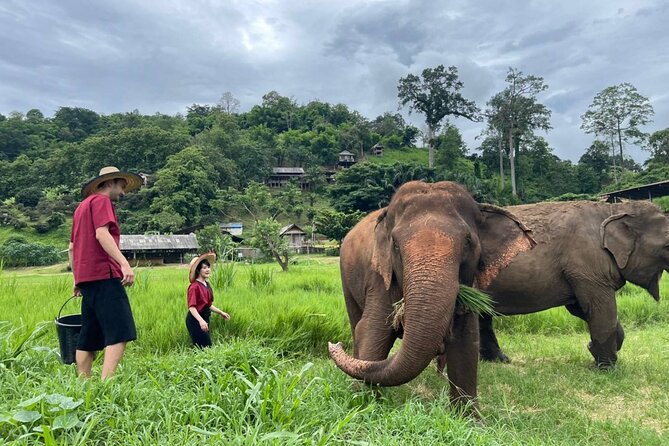
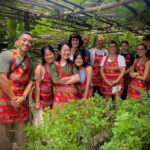
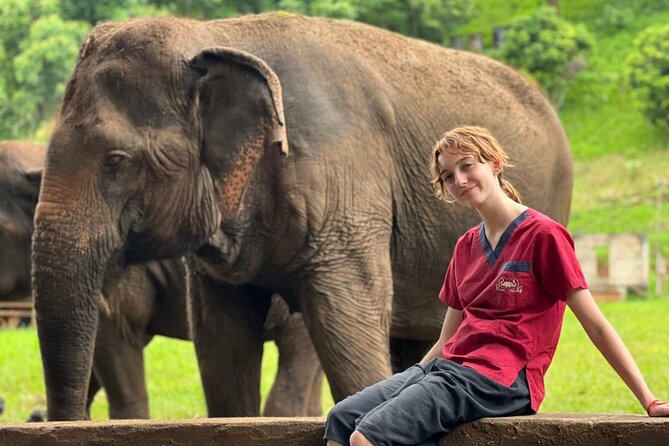
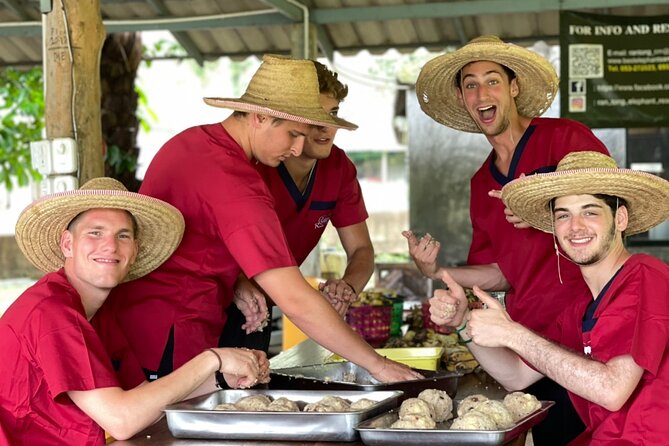
Right when you arrive, there’s a transition moment. You’ll change into Mahout-style Karen clothes and start what the program calls an elephant school. This isn’t just a costume change; it’s part of the day’s flow that signals you’re stepping into the center’s routines.
During the orientation, you learn about the center and the elephants. The value here is simple: it gives context before you meet them. Instead of just staring at big animals, you’re learning what you’re seeing—especially important when the whole point is observation and respectful interaction.
This part also affects your packing needs. You’ll be changing clothes on-site, and you’ll likely end the day in a different state than you started. Plan to treat clothing as disposable for the day, even if you bring “nice” things.
Making vitamins and medicine for rescued elephants
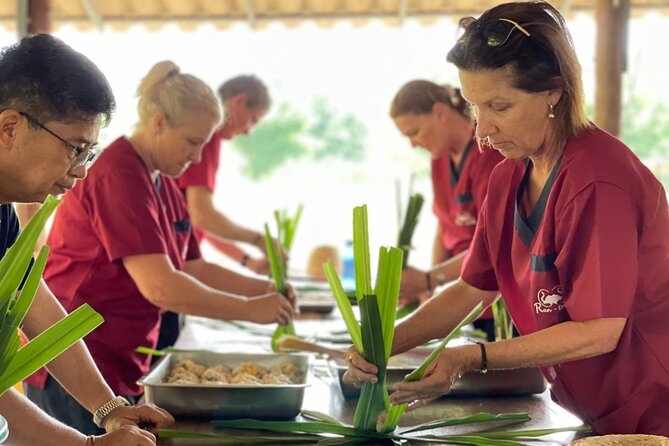
One of the most praised parts is the care work you participate in. You’ll make vitamins (including for pregnant, injured, and old elephants) and be involved in preparing what the elephants need.
This is the sort of activity that changes the entire feeling of the day. You’re not just watching rescue outcomes—you’re helping with ongoing support. And because it includes elephants with different care needs, it gives you a better sense that rescue is not a one-time event. It’s long-term work.
From the program description and the way people talk about the day, this care block tends to be hands-on and memorable. In one full-day experience, someone specifically highlighted making medicine and then moving into other caring roles later in the day (like walking and additional attention tasks). Even if your role varies slightly with the center’s schedule, expect to be involved in meaningful prep rather than only observing from a distance.
Feeding, walking, and watching elephants in their natural behavior
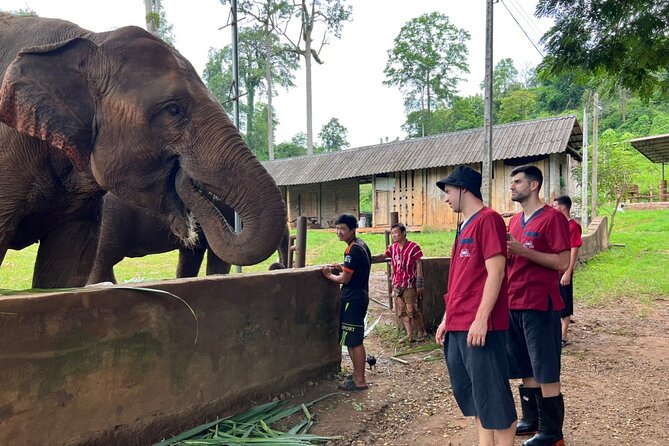
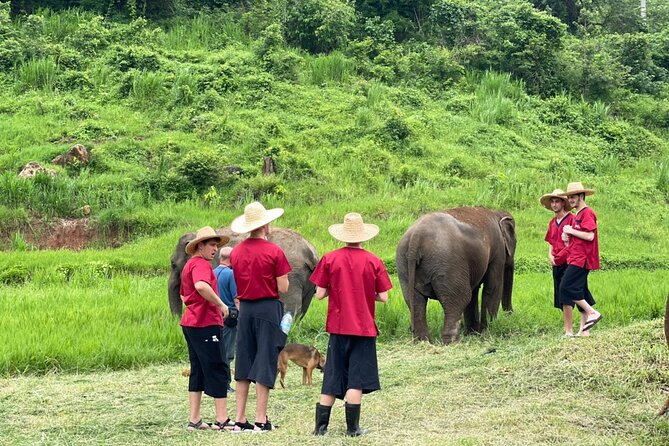
After the orientation and care prep, you meet the elephants and move into observation time. The day includes feeding and walking, with an emphasis on behavior and habitat rather than performance.
Walking with elephants is often where people feel the wow factor most strongly. You’re close enough to notice how elephants move, pause, and respond to their environment, but the day stays grounded in respectful contact. This is also where the “no riding” rule matters. It keeps the encounter focused on observation and companionship, not handling or training for entertainment.
A neat detail from the reviews: one person mentioned giving the elephants a massage as part of the day’s interactions. I can’t promise that every schedule includes that exact activity, but it signals that the center offers more than just feeding. If you want a day where you’re not limited to watching, this is a good sign.
Bathing isn’t highlighted in the main program notes, but one review mentioned a choice to only feed and not bathe. That suggests you may have options depending on what’s offered that day. If you have preferences around what you want to do, ask staff on the day and keep your tone simple and clear.




Lunch at the center: Thai food, seasonal fruit, and vegan options
Food is included, and that’s part of the value of an 8-hour format. You get Thai food, seasonal fruits, and drinking water.
One practical plus: a review mentioned the center could accommodate vegan diets for lunch. That matters because a lot of half-day animal tours ignore real dietary needs and hope you’ll “just manage.” Here, you’ve got a better chance of eating well while you’re away from Chiang Mai restaurants.
Because the day includes outdoor time and care work, eating at the center helps keep energy steady. You won’t lose the best part of the day to a rushed meal stop.
What to bring: clothes, shoes, and the usual Chiang Mai annoyances
This is an active day outdoors, and the packing list reflects that. Bring:
- spare clothes
- comfortable shoes
- sandals you don’t mind getting wet and dirty
- shampoo and soap
- a camera
- mosquito spray or insect repellent
The “wet and dirty” warning isn’t filler. Even if bathing isn’t part of your choice, you’re working around animals in a natural setting. You’ll thank yourself later if you treat your footwear like working gear, not museum slippers.
Also, bring something that makes camera time easy. You’ll spend real moments observing, not sprinting from one photo spot to another. A bit of prep improves your odds of getting photos that feel like the day you lived, not just quick snapshots.
Price and value: is $90.86 worth it?
$90.86 per person can sound steep until you line up what you get. You’re paying for a full day with pickup, a structured program, hands-on elephant care activities, and an included meal. There’s also a cap of 15 people, which usually costs more to run than a big group bus tour.
The bigger value question is what kind of elephant day you want. If you’re chasing the lowest-cost option where the main event is a ride or a photo line, this may feel expensive. If you care about welfare-focused interaction—feeding, observation, and preparation work—this price starts to make sense.
Another value point: the center’s approach is consistent with ethical conservation messaging. The day isn’t built around showmanship. That often leads to a more grounded experience, even when you can’t control every detail of the schedule.
In short, I’d call it fair pricing for an ethical, full-day, small-group conservation-style program that includes food and pickup.
Who should book Ran-Tong and who should skip it
This program suits you if you want an elephant experience that’s about observation and respectful care. It’s also a good fit if you don’t need elephant riding to feel like it was worth the trip.
It likely works for most people physically, since the description says most travelers can participate. Still, it’s an 8-hour day with walking and outdoor time. If you have mobility limits, you’ll want to think through how comfortable you are with walking periods and weather.
Skip it if your ideal day is a fast, high-action “see elephants, take rides, leave.” Ran-Tong is slower and more intentional. You’re there to learn and help, not to collect a quick thrill.
Should you book this full-day Ran-Tong elephant observation?
If you’re looking for an elephant day that feels purposeful—close, calm, and welfare-focused—this is a strong option. I like that the schedule includes learning, care prep like making vitamins/medicine, and a long stretch for walking and observation. You also get lunch with an openness to vegan diets, which makes the day smoother.
Book it if you can handle a messy, hands-on outdoor day and you’re okay with a no-riding experience. Skip it if you’re mostly chasing rides or show-style entertainment.
If you want a conservation day you’ll remember for how it felt, not just for how many photos you took, Ran-Tong is worth your time.
FAQ
How long is the full day experience?
It’s about 8 hours.
Is hotel pickup included?
Pickup is offered from hotels or accommodation in Chiang Mai city.
How far is Ran-Tong Save & Rescue Elephant Centre from Chiang Mai?
The drive is approximately 1 hour to the centre in Mae Taeng District.
What’s the maximum group size?
The experience has a maximum of 15 travelers.
Do you ride the elephants?
No. The experience is designed around observation and respectful interaction, not riding.
What activities are included during the day?
You change into Mahout-style Karen clothes, learn about the centre, make vitamins/medicine, meet and observe the elephants, have lunch, and walk with the elephants to observe them in their natural habitat.
What should I bring?
Bring spare clothes, comfortable shoes, sandals you do not mind getting wet and dirty, shampoo and soap, a camera, and mosquito spray or insect repellent.
Is lunch included, and can dietary needs be handled?
Lunch is included and includes Thai food, seasonal fruits, and drinking water. A vegan diet was accommodated in at least one review.
What is the cancellation policy?
Free cancellation is available up to 24 hours in advance for a full refund. Changes within 24 hours aren’t accepted, and the cut-off is based on local time. The experience also requires a minimum number of travelers; if it’s canceled because that minimum isn’t met, you’ll be offered a different date/experience or a full refund.