REVIEW · CHIANG MAI
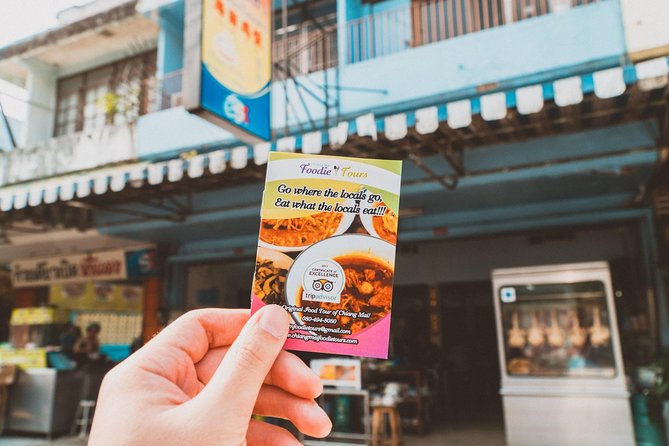
Go where the locals go, Eat what the locals eat! Food Tour with Local Foodies
Book on Viator →Operated by Chiang Mai Foodie Tours · Bookable on Viator
Your stomach will learn Chiang Mai fast. This food-first tour maps out market lanes and temple walks so you eat well while still seeing key Old City sights, and you’re not stuck in traffic because there’s a private driver. I especially like the way the route is built around iconic dishes you can’t really shop for on your own, like kao man gai and Chiang Mai’s famous kao soi, plus classic Northern Thai desserts.
One thing to consider: at around $50.52 and roughly 4 to 8 hours depending on the version you choose, this isn’t the budget move for a light-snack day. If you graze on one or two bites and move on, you may not feel the value the way you will if you go hungry and take the tastings seriously.
In This Review
- Key highlights you’ll actually feel
- Two start times, two flavors: how the tour works in real life
- Three Kings Monument and the Old City walk: kao man gai, kao soi, and dessert missions
- Warorot Market at Kad Luang: where Northern bites start lining up fast
- The restaurant section: why Gaeng Hunglay, Larb, and herb salad matter
- Headsets, temple dress code, and the small logistics that make it work
- Price and value: is $50.52 actually fair?
- Who should book this Chiang Mai food tour
- Should you book this Chiang Mai Food Tour?
- FAQ
- How long is this Chiang Mai food tour?
- Where do I meet the guide?
- What food is included?
- Are headsets available?
- What should I wear for the temple stops?
- How big are the groups?
- What if I need to cancel?
Key highlights you’ll actually feel
- Old City meets Northern Thai comfort food: temples + regional dishes, not just generic street snacks
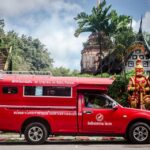
- Private driver cuts down traffic time: more eating, less riding in stop-and-go chaos
- Headsets available on request: helpful in busy markets when you want every word
- Family-run favorites and landmark dishes: like kao man gai dating back to 1957
- Long tasting flow in Warorot Market: from Northern sausages to mango sticky rice
- Max group size of 20: small enough for questions and pace adjustments
Two start times, two flavors: how the tour works in real life
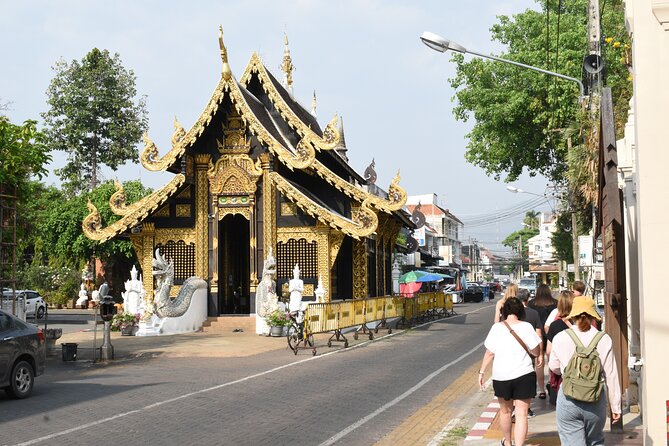
This experience is built around half-day food touring, with two different start options depending on what day part you want.
- Morning (around 9am) meets at Three Kings Monument in Chiang Mai’s Old City area, then works through temple walking and classic Northern plates.
- Afternoon (around 4pm) meets at Warorot Market (Kad Luang) and stays more focused on market-to-restaurant eating, plus nearby flower-market strolling and additional temple time.
The total time is listed as 4 to 8 hours, which is a wide range. In practice, that usually means your pace may shift with crowd levels, walking time for temple sections, and how long your guide spends explaining dishes and ingredients.
You can also read our reviews of more food & drink experiences in Chiang Mai
Three Kings Monument and the Old City walk: kao man gai, kao soi, and dessert missions
The morning version has a nice logic: start with something simple and must-eat, then go deeper into Chiang Mai’s signature bowl.
You begin at Three Kings Monument, and the first tastings are built around kao man gai—a straightforward chicken-and-rice staple that’s a local favorite. The stop is described as a family-owned spot since 1957, which matters because it’s not just food tourism cosplay. It’s a place locals keep going back to, so you’re tasting the dish the way it’s been served for years.
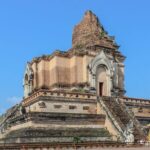
From there, you mix food with short sightseeing on foot. You’ll walk to Wat Chiang Man, described as the first temple built in the Old City. The temple walk is not meant to be a lecture; it’s there so you connect what you’re eating to where you are—Lanna-era roots, Old City layout, and the everyday rhythm of the area.
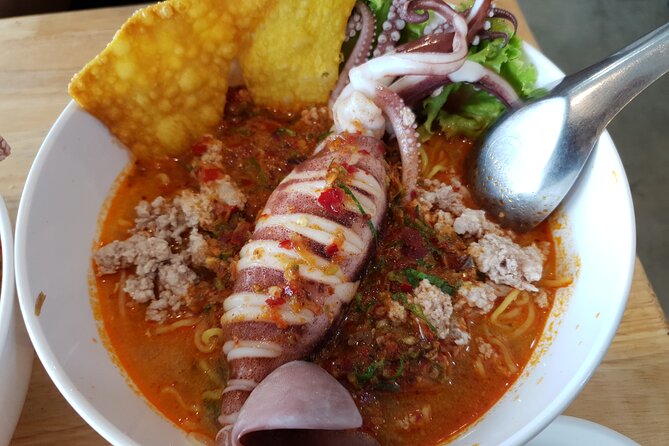
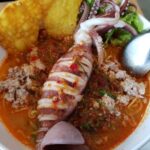
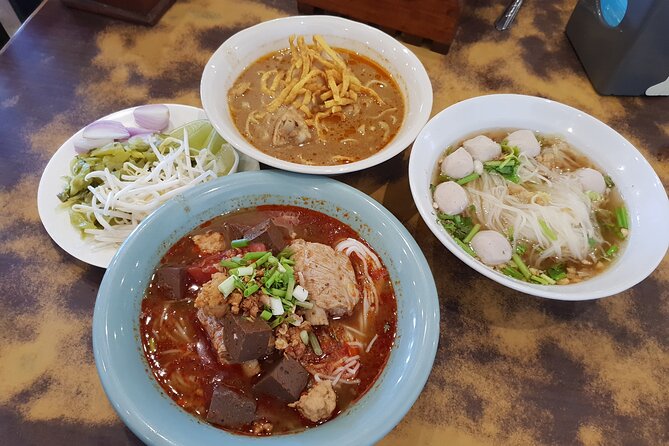
Then comes khao soi, Chiang Mai’s most famous noodle dish. This is where the tour earns its keep: you don’t just eat. You learn about the history and origins of kao soi, which helps you understand why the bowl tastes the way it does and why it’s such a pride point for the north. (In at least one described experience, the kao soi meal was taken to a restaurant setting held up as Michelin-star level, so the stop can feel like more than just a quick street bite.)
After the noodles, you head toward Wat Gate Community, which adds a more local neighborhood feel than a classic postcard temple loop. The final part of the morning route leans hard into dessert, with a stop at Chiang Mai’s number-one dessert focus for items like sakoo sai hmoo and kao griap paak hmaw. This is the tour’s not-so-subtle message: in Chiang Mai, you don’t save dessert for later. You schedule it.
Possible drawback here: if you’re not a confident eater—meaning you dislike trying unfamiliar textures or spice levels—you’ll want to pace your tastings and ask your guide to help you choose. This route includes multiple dish styles, so it’s not a one-bite-and-done tour.
Warorot Market at Kad Luang: where Northern bites start lining up fast
If the morning route is about temples and signatures, the 4pm Warorot Market version is about density—more stalls, more variety, and a tasting flow that keeps you moving without feeling rushed.
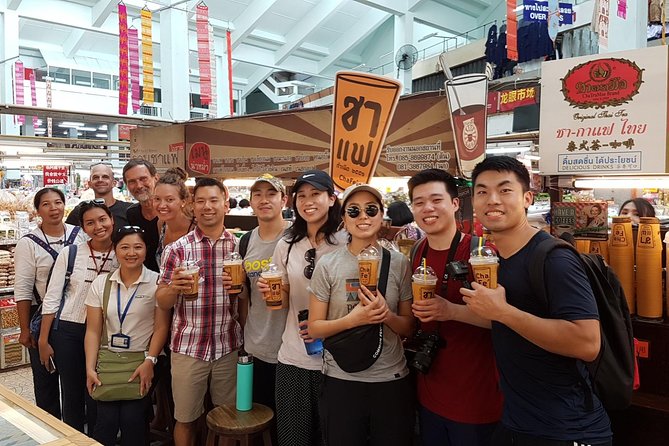
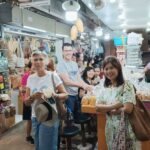
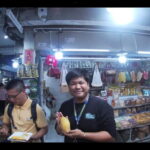
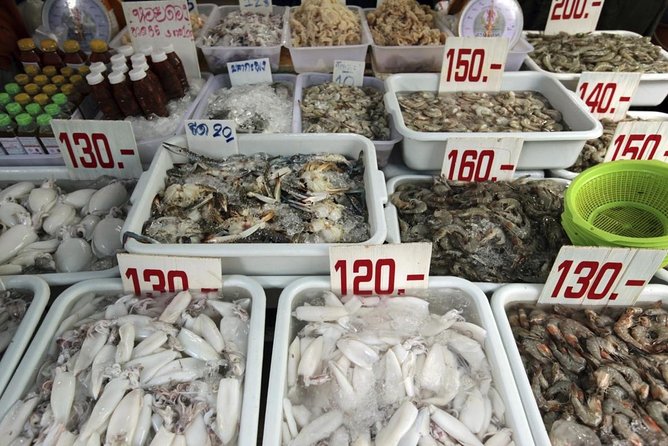
You meet at Warorot Market (Kad Luang), described as one of Chiang Mai’s oldest, largest, and most diverse open markets. This stop is where you’ll start loading up on Northern flavors. Tastings include Northern Thai sausage sai oua, plus items like Golden Curl, mango sticky rice, and Thai iced tea.
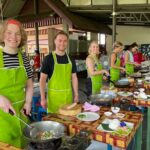
A market like this can overwhelm you if you’re doing it solo. The tour turns that chaos into a guided tasting path. You don’t have to scan menus, translate labels, or ask ten strangers which stand is best today. You get a curated route that helps you taste broad styles—sweet, savory, herb-forward, and the kind of snack that works as a meal substitute.
Right after Warorot Market, you’ll stroll through the nearby Flower Market. It’s not about buying souvenirs for the sake of it. It’s a quick shift in scenery that helps you reset visually before the next food stop.
The restaurant section: why Gaeng Hunglay, Larb, and herb salad matter
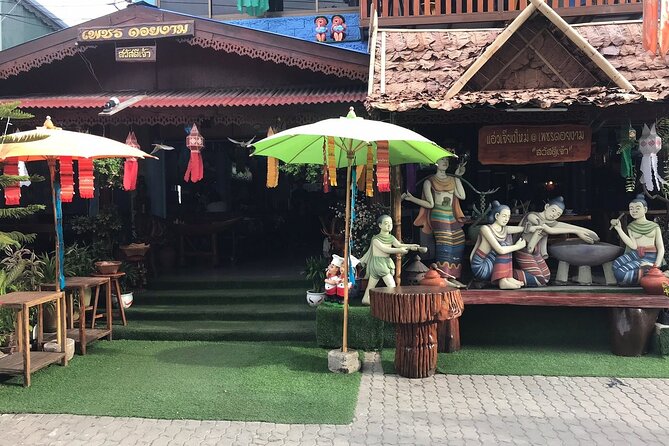
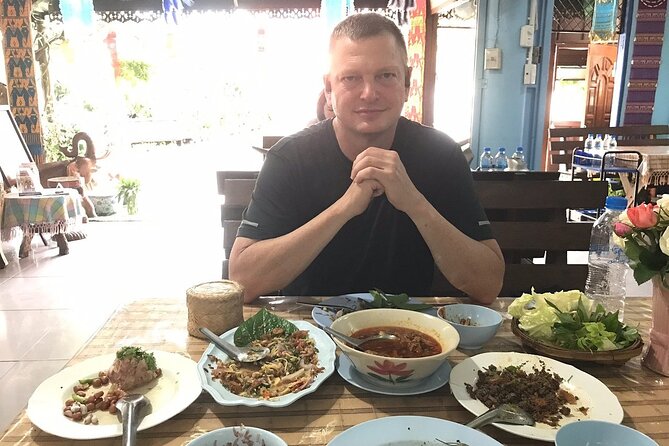
After the market, you ride to a traditional Northern Thai restaurant for a proper sit-down feast. This is important because market snacks taste best on a roll, but a meal anchors the day and lets flavors show up as they’re meant to be eaten.
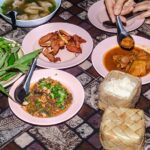
The dishes listed for this restaurant stop are the heart of Lanna/Northern Thai comfort food, including:
- Gaeng Hunglay
- Larb Moo
- Khua Jin Som
- Yum Samunprai, an award-winning herbal salad
Here’s why I like this structure: it prevents the all-street-snack problem. You still get the street-food energy, but you also get dishes served in a more complete form, with better balance between herbs, sour notes, and heat. Also, some flavors in Northern Thai cuisine—especially herbal salads and certain curry styles—can be hard to order correctly without local guidance. A guide helps you taste what you came for, not what happens to look familiar.
If your group is doing the evening portion, you may also get additional temple time later, including Wat Sadue Muang (listed as a stop after the restaurant ride). That’s a nice contrast to the restaurant heaviness: you eat, then you walk and let your digestion do its job while you see another layer of Old City life.
Headsets, temple dress code, and the small logistics that make it work
One underrated part of a market tour is sound. Chiang Mai’s food areas can get loud—motorbikes outside, bargaining chatter inside, the general hum of hungry people.
That’s why I appreciate the option for headsets on request. It’s not flashy, but it makes a real difference when your guide is explaining what you’re eating. If you’re the type who wants to remember spice names and ingredients, hearing clearly is half the experience.
You’ll also want to follow the temple dress code. If your plan is shorts or a very light top, bring something that covers shoulders and legs comfortably. You don’t want to spend the day thinking about fabric when you could be thinking about noodles.
Finally, the tour keeps the pace reasonable thanks to a driver/guide setup and “private driver” wording for cutting traffic time. You’ll walk for temple segments, but you’re not doing the whole thing on foot. That balance is the secret sauce for most people—especially if it’s hot out and you don’t want to turn your tour into a stamina test.
You can also read our reviews of more tours and experiences in Chiang Mai
Price and value: is $50.52 actually fair?
Let’s talk straight: $50.52 doesn’t scream cheap, especially if you’re used to free market wandering and self-guided street eating.
So why does this price often make sense?
- You get food tasting rather than just one or two items. The structure is multiple stops built around different dish categories (chicken-and-rice, noodle bowl, sausages, desserts, and a full restaurant meal in the market version).
- You get a professional guide plus a driver, which reduces both travel friction and the mental load of figuring out where to go.
- You get bottled water and snacks, and alcohol isn’t included (you can buy it separately if you want).
Group size matters too: the tour caps at 20 travelers. Smaller groups often mean less waiting and more chance to ask questions without shouting over everyone.
About the one potential downside some people flag: if you’re expecting a long list of destinations no matter what, you might feel the value differently. This is still a tasting-focused route—meaning you’ll spend time eating and learning, not bouncing to endless photo stops. If you like food culture and want guided ordering, that’s a good deal. If you just want maximum sightseeing with minimal tasting, you may compare it and decide it’s not your style.
Who should book this Chiang Mai food tour
This is a great fit if you:
- want Northern Thai dishes, not only the most famous Thai menu items
- like eating with context—how dishes connect to place and tradition
- prefer guided ordering at markets where you can’t easily read signs or menus
- want a mix of food + Old City temple scenery without planning it yourself
It may be less ideal if you:
- eat very little and don’t want to commit to multiple tastings
- hate walking temple areas in heat (you’ll do some on foot)
- expect alcohol to be included (it isn’t—alcohol is available to purchase)
A fun bonus: guides named like PT and Sky show up repeatedly in descriptions as part of what makes the tour feel like a friendly food outing rather than a checklist. And guides like Pondtip/Podtip are described as clear on meeting points and keeping things easy for families and mixed-age groups.
Should you book this Chiang Mai Food Tour?
My honest take: book it if you want a straightforward way to eat like a local in Chiang Mai, especially for Northern specialties you might miss on your own. The best reason to say yes is the pacing: markets, tastings, temple walks, and a restaurant meal are planned so you don’t spend your best time circling for the right stall.
Book it especially if you’re coming with a big appetite and you like learning as you eat. The tour is built around iconic dishes—kao man gai, khao soi, sai oua, mango sticky rice, and Northern favorites like gaeng hunglay and yum samunprai—so even if one item isn’t your favorite, you’ll still have plenty more bites to balance it out.
If you’re short on time or don’t want to eat much, consider saving your money and doing a lighter market browse on your own. But if you want the city to feed you and explain itself while doing it, this is a solid bet.
FAQ
How long is this Chiang Mai food tour?
It runs about 4 to 8 hours, depending on the version you choose and how the route times out.
Where do I meet the guide?
The morning option meets at Three Kings Monument. The afternoon option meets at Warorot Market (Kad Luang).
What food is included?
The tour includes food tasting plus snacks and bottled water. Alcoholic drinks are not included.
Are headsets available?
Yes. Headsets are available on request, which can help you hear your guide in busy market areas.
What should I wear for the temple stops?
Wear clothing that fits a temple dress code, since the route includes temple visits.
How big are the groups?
The group size has a maximum of 20 travelers.
What if I need to cancel?
You can cancel for a full refund if you cancel at least 24 hours before the experience’s start time.