REVIEW · CHIANG MAI
Chiang Mai: Local Food and Markets Guided Walking Tour
Book on GetYourGuide →Operated by TripGuru Thailand · Bookable on GetYourGuide
Chiang Mai food is best learned on foot. This guided walk strings together classic market stops, from sweet dumplings to Hakka-style noodles, with a flower-market pause that feels like a reset button. It’s a short outing that still hits the kind of street-food culture you can’t easily assemble on your own.
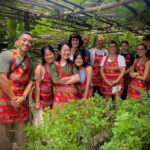
I like how the tour is built around specific local dishes (not generic “Thai food” claims). I also like the guides—people have highlighted names like Nom, Koi, Pim, Patty, and Banana for being friendly, organized, and good at explaining what you’re eating and why it’s a local favorite.
One thing to keep in mind: the $48 price covers the guide and offset credits, but tasting food is not included. You’ll need cash and a willingness to pay a little at several stops.
In This Review
- Key highlights at a glance
- A Two-Hour Taste Loop Through Chiang Mai Food Streets
- Meeting at Chansom Memorial Bridge (Khua Khaek) and Timing Smarts
- Stop 1: Lung Khajohn Wat Ket and Khao Kriab Pak Moh Dumplings
- Ton Lamyai Flower Market: Flowers, Herbs, and a Quick Reset
- Stop 2: Go Neng and Pa Thong Ko Deep-Fried Dough Sticks
- Warorot Market for Mango Sticky Rice and Market-Style Choice
- Thana Ocha: Hakka-Style Noodles as the Big Finish
- Food Costs and Value: What Your $48 Really Buys
- Who This Tour Fits Best (And Who Should Skip It)
- Making It Work for Your Body: What to Bring
- Start-Time Options and Why Morning Usually Wins
- Low-Impact Touring: GSTC and Carbon Offset Credits
- The Guide Can Make or Break the Day
- Should You Book This Chiang Mai Local Food and Markets Tour?
- FAQ
- How long is the Chiang Mai local food and markets guided walking tour?
- Where do I meet the guide?
- Is hotel pickup and drop-off included?
- What food is included in the tour price?
- What languages are available for the guide?
- Is there a vegan option?
- Does the tour include carbon offsets?
- One last thing: go with cash and good shoes
Key highlights at a glance
- Meet at Khua Khaek: Chansom Memorial Bridge is the handoff point, opposite Ton Lamyai Flower Market.
- Sweet start: Khao Kriab Pak Moh (peanut-filled steamed rice skin dumplings) gets the day going.
- Flower-market intermission: Ton Lamyai Flower Market adds color and herbal vibes between snack stops.
- Iconic street snack: Pa Thong Ko at Go Neng, often shaped like little dinosaur-like bites.
- Market variety at Warorot: Mango sticky rice plus a full-on market world of snacks, produce, and more.
- Big finale at Thana Ocha: Hakka-style noodles with stuffed tofu, fish sausage, and wontons.
A Two-Hour Taste Loop Through Chiang Mai Food Streets
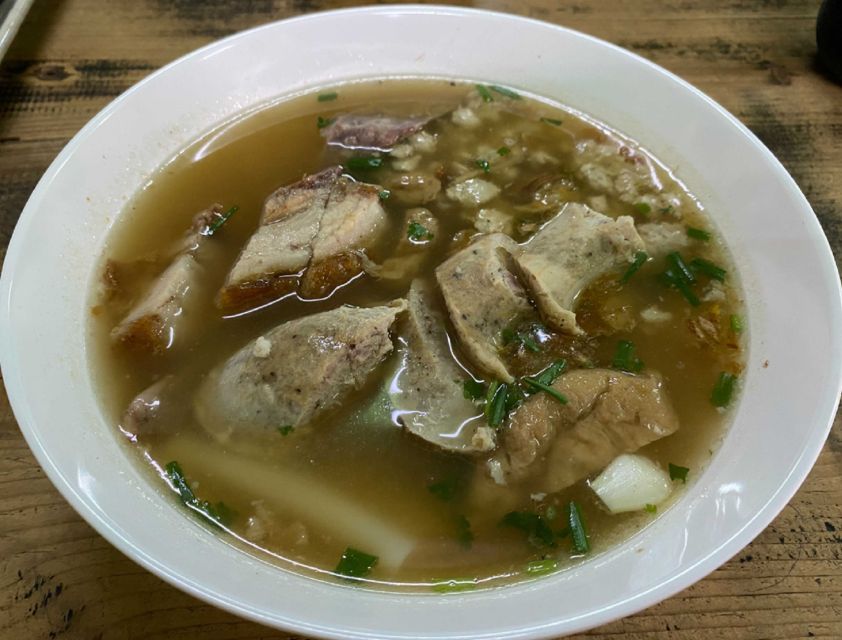
This is the kind of tour that helps you stop guessing and start eating. In about 150 minutes, you’ll move through well-known food areas and markets while your guide points you toward dishes locals actually line up for.
What makes it work is the pacing. You’re not doing a “tour for tourism” style route; it’s a food-focused walk with short explanations and enough time to sit, eat, and recover before the next stop.
You can also read our reviews of more walking tours in Chiang Mai

Meeting at Chansom Memorial Bridge (Khua Khaek) and Timing Smarts
You start at Chansom Memorial Bridge, locally called Khua Khaek, opposite Ton Lamyai Flower Market. Your guide holds a TripGuru sign, and you should be ready about 10 minutes before pickup time.
Traffic matters here. In the mornings especially, heavy traffic can stretch travel times, and the guide can wait only up to 10 minutes past the scheduled pickup time—so leave extra buffer.
Good shoes are not optional. Multiple reviews note a fast walk pace and around a 2.5-mile kind of distance, so plan for real walking, not a gentle stroll.
Stop 1: Lung Khajohn Wat Ket and Khao Kriab Pak Moh Dumplings
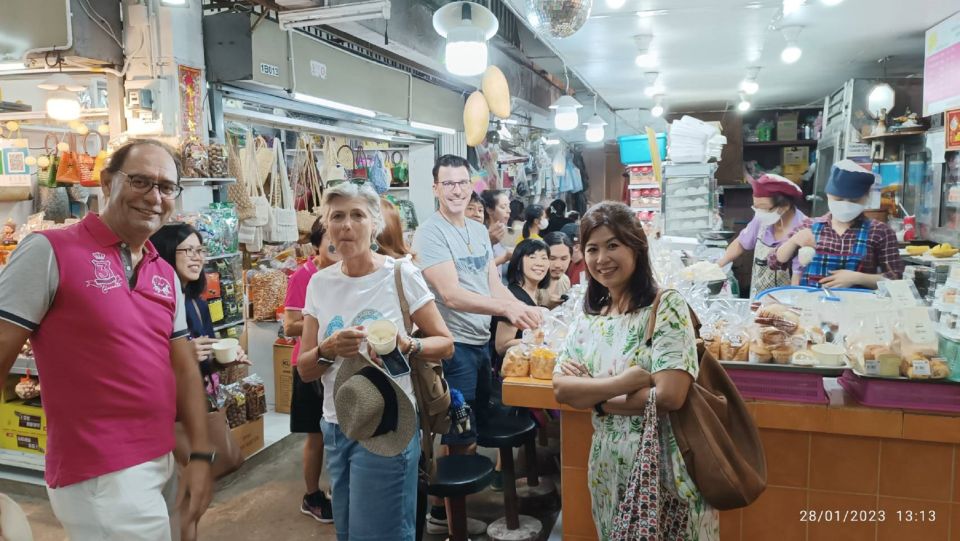
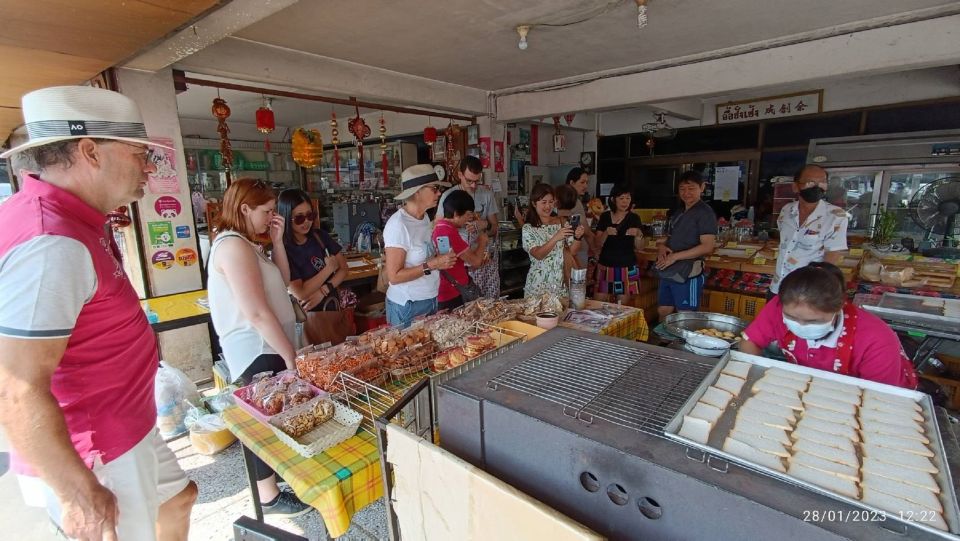
The first food stop is Lung Khajohn Wat Ket, known for sweet steamed rice skin dumplings stuffed with peanuts. The snack is Khao Kriab Pak Moh, and it’s a great opener because it’s small, sweet, and easy to judge right away.
I like the choice of starting here. You get a local specialty early—before crowds build or you get distracted—so your taste buds are ready for deeper flavors later.
If you’re new to Thai street snacks, this is also a smart warm-up. The dumplings give you a feel for how Thai markets do textures—soft outside, filling inside, and not too heavy to start.
Ton Lamyai Flower Market: Flowers, Herbs, and a Quick Reset
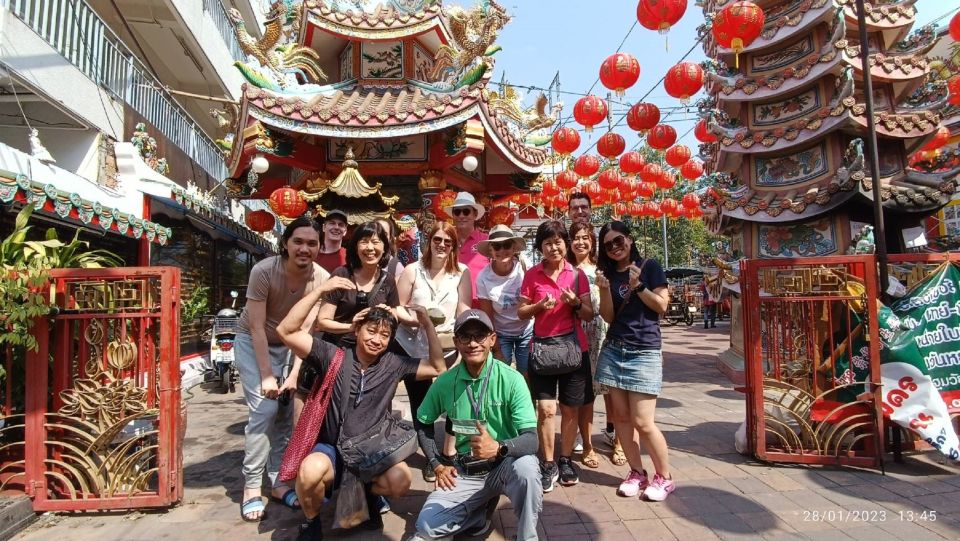
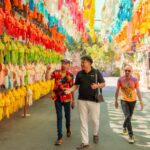
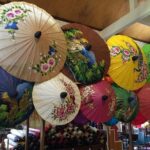
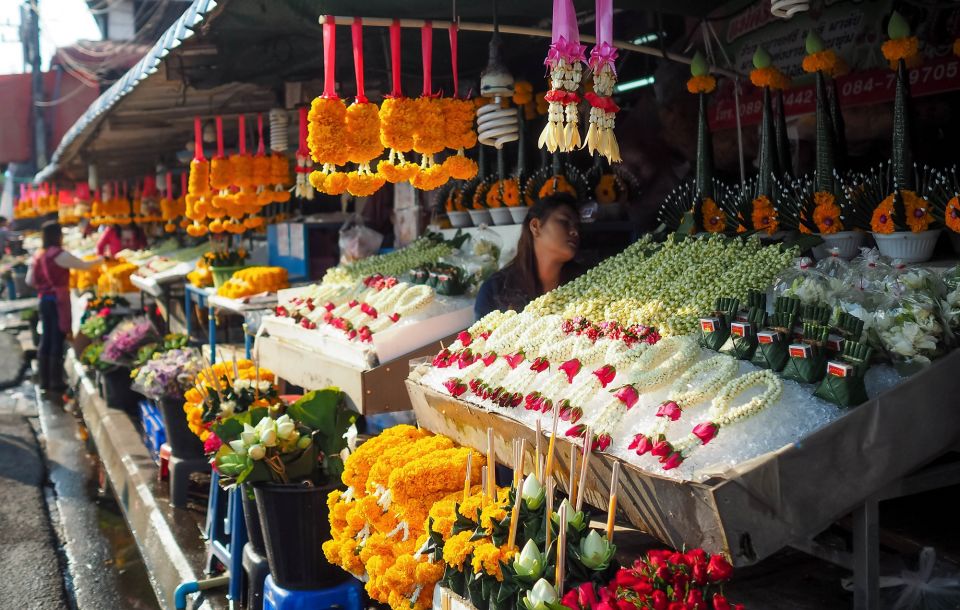
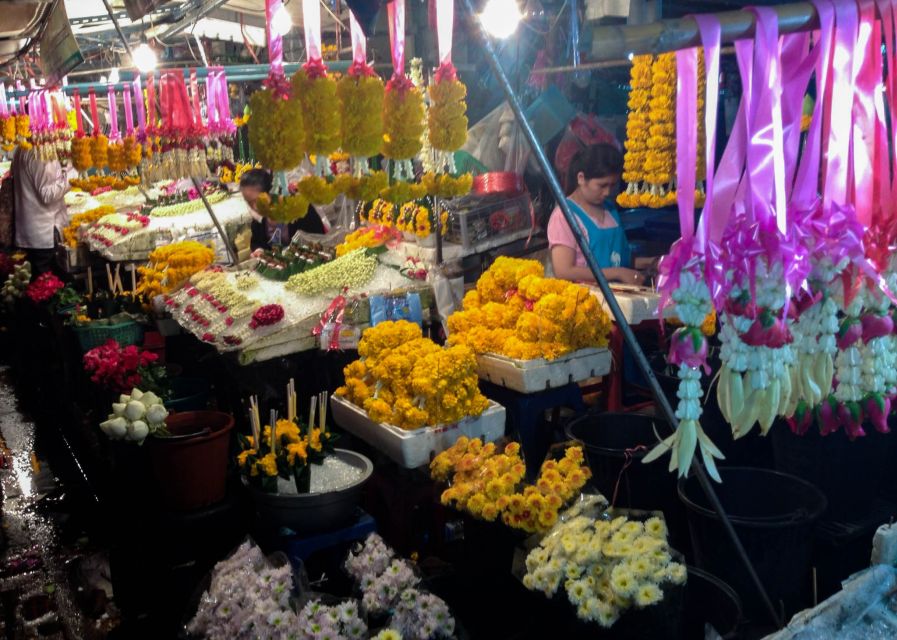
After the dumplings, you pass through Ton Lamyai Flower Market. This is a simple but effective change of pace: you’re walking past stalls with fresh flowers and local herbs, which helps break up the day so it doesn’t feel like non-stop eating.
This part also makes the tour feel more like Chiang Mai, not just “food stops.” Markets here are social spaces. Even if you don’t buy anything, you’ll see how people shop and chat around daily supplies.
If you want to buy flowers, bring a plan for carrying them. A lot of tours include shopping time inside the market flow, and you’ll likely be holding bags later at Warorot too.
Stop 2: Go Neng and Pa Thong Ko Deep-Fried Dough Sticks
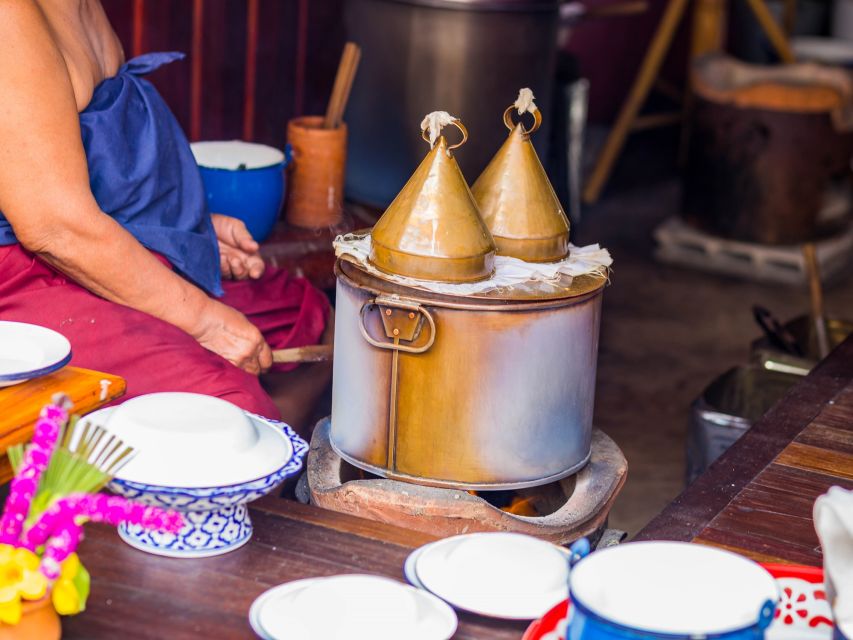
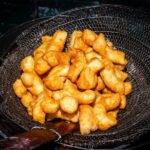
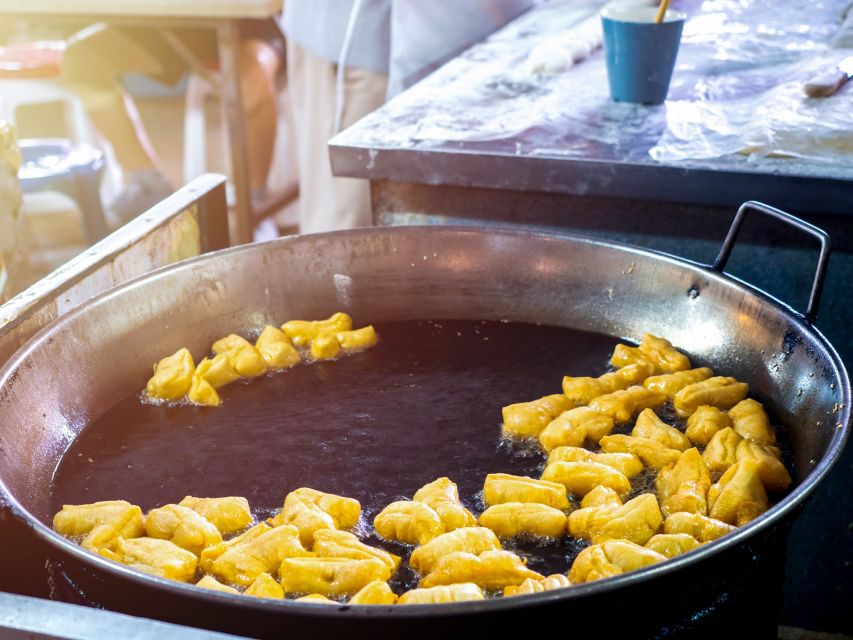
Next up is Go Neng for Pa Thong Ko—those deep-fried dough sticks that many people describe as oddly shaped (some have even compared them to dinosaur snacks). It’s one of the most popular street foods with locals, and the guide’s job is to steer you to the right stalls and tell you what to expect.
This is a useful mid-tour stop because it’s crunchy and snackable. It keeps energy up without completely filling you, so you can still enjoy the bigger bites later.
One practical tip: if you’re sensitive to oil-heavy foods, go slow with this one and sip water. Pa Thong Ko is delicious, but it’s still fried dough.
You can also read our reviews of more food & drink experiences in Chiang Mai
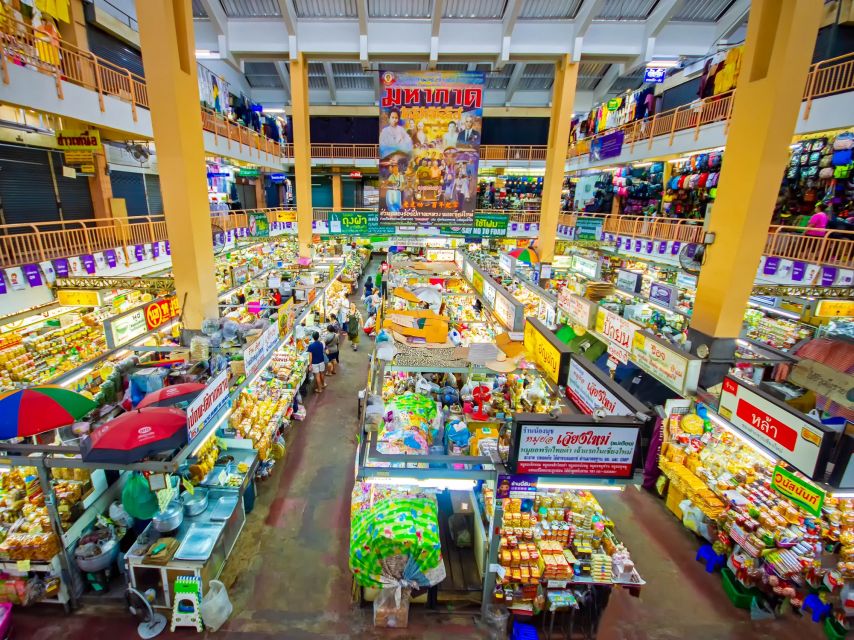
Warorot Market for Mango Sticky Rice and Market-Style Choice
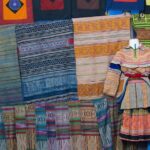
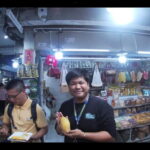
Warorot Market is a highlight for a reason: it’s a real market, not just a single photo spot. You’ll find snacks, produce, clothes, and plenty of everyday shopping in one place, which gives you a stronger sense of how the city eats beyond one street corner.
For the sweet finale here, you’ll hunt down a stall selling Thai mango sticky rice. That combo is classic for a reason—sweet mango meets creamy sticky rice, usually served in a way that feels both simple and satisfying.
I like that this stop teaches you how to buy the right thing in a big market. You’re not wandering aimlessly; you’re being guided to the stall for the dish you came for, which saves time and reduces decision fatigue.
Thana Ocha: Hakka-Style Noodles as the Big Finish
The last stop is Thana Ocha, where you’ll get Hakka-style noodles. The dish includes Hakka stuffed tofu, fish sausage, and wontons, which makes it feel distinct from the more common Thai noodle profiles you might expect.
This is a strong ending because it’s savory and filling. You’ve had sweet snacks and fried dough earlier, so the noodle bowl feels like a proper meal, not just another bite.
If you’re picky, this stop is where the tour earns its keep. Your guide helps you order and navigate the stall setup, and good guides—people have called out guides like Koi, Watsana Chaiya, Nana, and Nancy—tend to explain how the flavors work so you know what you’re tasting.
Food Costs and Value: What Your $48 Really Buys
Here’s the key value question: the tour price is $48 per person, but food tasting expenses are not included. What you’re paying for is the guide, the walking tour, and carbon emissions offset credits.
In practical terms, you should budget extra for tastings. The tour lists possible choices at your own expense, including:
- Hakka-style noodle
- Sticky rice with mango
- Pa Thong Ko (deep-fried dough sticks)
- Khao Kriab Pak Moh (steamed rice skin dumplings)
The upside is that you’re paying for guidance in high-friction places. Markets can be confusing—what to order, which stall is legit, where to sit, and what to do if something is closed. A good guide reduces all that.
A small downside shows up in at least one review theme: it can feel inconvenient to pull out your wallet at multiple stops. If you’d rather have one clean all-in price, this isn’t that kind of tour.
Who This Tour Fits Best (And Who Should Skip It)
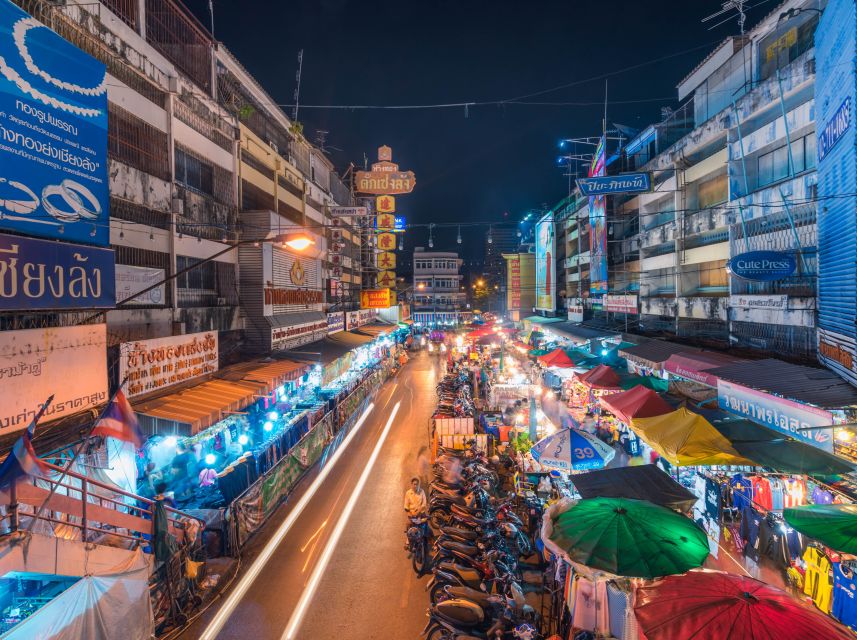
This walking food tour is best for people who want a guided “eat like locals” route and don’t mind paying for tastings along the way. It’s also a good first-day activity if you want to learn which neighborhoods and snack styles matter before you start roaming on your own.
It’s not suitable for:
- Pregnant women
- People with mobility impairments
- People with heart problems
- People with respiratory issues
- Vegans
The walking pace and food focus are the big reasons. Even if you don’t eat everything, you’ll still be moving and spending time in market areas.
Making It Work for Your Body: What to Bring
Bring what keeps you comfortable. The essentials list is clear:
- Comfortable shoes
- Sunglasses, hat, sunscreen
- Insect repellent
- Camera
- Cash
That cash part matters because tastings aren’t included. Also, if you want to buy flowers or small items at markets, you’ll need coins and small notes so you’re not scrambling later.
Hydration helps too, even though it isn’t listed. Markets plus fried and sweet snacks can add up fast, so plan for water breaks during the walking gaps.
Start-Time Options and Why Morning Usually Wins
The tour offers multiple start times. That matters because some of the places you’ll want to eat may close earlier in the day.
If you choose a later slot, the guide will take you to alternative street food stalls to keep the tastings going. One reason I recommend morning slots: you’ll likely avoid the need for substitutions and you’ll have more flexibility for stalls that open with the day.
Also, mornings can be crowded in their own way. One smart tactic is to book a time when markets are just starting, when you still get the local feel without the worst bottlenecks.
Low-Impact Touring: GSTC and Carbon Offset Credits
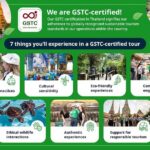
This experience is GSTC-certified, and it includes carbon emissions offset credits. If you like the idea of exploring responsibly while still eating your way through Chiang Mai, this checks that box.
Even if you don’t obsess over offsets at home, it’s nice when a company builds responsibility into how the activity is delivered. It’s a small line item that signals they’re thinking about impact, not only the food photo.
The Guide Can Make or Break the Day
In the reviews, the guide is a recurring theme, and you can see it in details like language skill, friendliness, and how well they handle pacing and food decisions.
People have specifically praised guides such as:
- Nom for being attentive and hospitable
- Koi for being flexible and helpful, even with picky eaters
- Pim for steering people from stop to stop with confidence
- Patty and Banana for clear explanations and a smooth route
- Watsana Chaiya and Nancy for guiding people to places they wouldn’t find alone
If you want the tour to feel like more than “follow the sign,” choose a start time that fits your energy level and arrive a bit early. That one habit helps your guide start strong, especially in traffic.
Should You Book This Chiang Mai Local Food and Markets Tour?
Book it if you want a short, practical food route through Chiang Mai with a guide who can steer you toward real stalls and help you order. At $48, the value is solid because you’re buying expertise and time saved in markets, plus the GSTC and carbon offset elements.
Skip it if you’re vegan, need mobility-friendly options, or hate paying for tastings separately. And if you’re the type who wants slow walks and heavy explanations, keep your expectations aligned: this is a brisk walk that prioritizes food stops over long lectures.
FAQ
How long is the Chiang Mai local food and markets guided walking tour?
The tour lasts about 150 minutes.
Where do I meet the guide?
You meet at Chansom Memorial Bridge, also known as Khua Khaek, opposite Ton Lamyai Flower Market.
Is hotel pickup and drop-off included?
No. Hotel pickup and drop-off are not included.
What food is included in the tour price?
The tour price does not include food tasting expenses. Tastings are at your own expense, and options include Hakka-style noodles, mango sticky rice, Pa Thong Ko, and Khao Kriab Pak Moh.
What languages are available for the guide?
The guide is available in English and Thai.
Is there a vegan option?
No vegan option is available.
Does the tour include carbon offsets?
Yes. Carbon emissions offset credits are included, along with the walking tour and tour guide.
One last thing: go with cash and good shoes
If you want an easy win in Chiang Mai, this is a strong choice—just budget for tastings, wear comfortable shoes, and arrive at Khua Khaek a little early so you can start without stress.