REVIEW · CHIANG MAI
Half-Day Cooking Class with Market Tour
Book on GetYourGuide →Operated by Tom Yum Thai Cooking School · Bookable on GetYourGuide
Food-first, local-home, full-to-the-brim.
That’s the feel of this half-day class in Chiang Mai Province, run in a real Thai house and anchored by a market tour for the ingredients you’ll actually use. I especially like the small-group format and the fact you choose your dishes, so you’re not stuck cooking something you don’t care about. One heads-up: you’ll likely get very full (and the food can be spicy), so don’t plan to snack beforehand.
You also get a practical “market-to-pan” path to Thai flavor, with English guidance and home-style instruction. Instructors such as Oun and Mind/Mindy (plus their family team) keep things organized, and they’ll work around allergies if you tell them in advance.
In This Review
- Key things I’d circle before you book
- Half-Day Thai Cooking at a Chiang Mai Home Kitchen
- Market Tour: Where Thai Vegetables and Seasoning Start
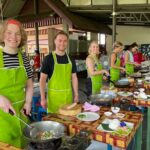
- Inside the House Kitchen: Stations, English Guides, and Cozy Flow
- What You’ll Cook: 5 Dishes Plus Sticky Rice with Mango
- Menu You Can Choose From: Pad Thai, Tom Yum, Papaya Salad, and More
- Stir-fries
- Soups
- Appetizers and salads
- Curry paste and curries (pick your style)
- Dessert
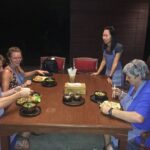
- Eating What You Make: Portions, Spice, and the Real Timing
- Price and Value: Why $36 Can Feel Like a Lot
- Who This Works Best For (and When to Think Twice)
- Practical Tips That Make the Class Smoother
- Should You Book This Half-Day Class in Chiang Mai?
- FAQ
- How long is the cooking class?
- What are the class start times?
- Do I get hotel pickup and drop-off?
- Where does the cooking take place?
- How big is the group?
- What’s included besides cooking?
- Can I choose what dishes I cook?
- What if I have allergies?
Key things I’d circle before you book
- Market tour that directly feeds your menu: see the vegetables, herbs, and staples used in class before you cook.
- Pick your own dishes: you choose items from a set menu, then cook and eat what you make.
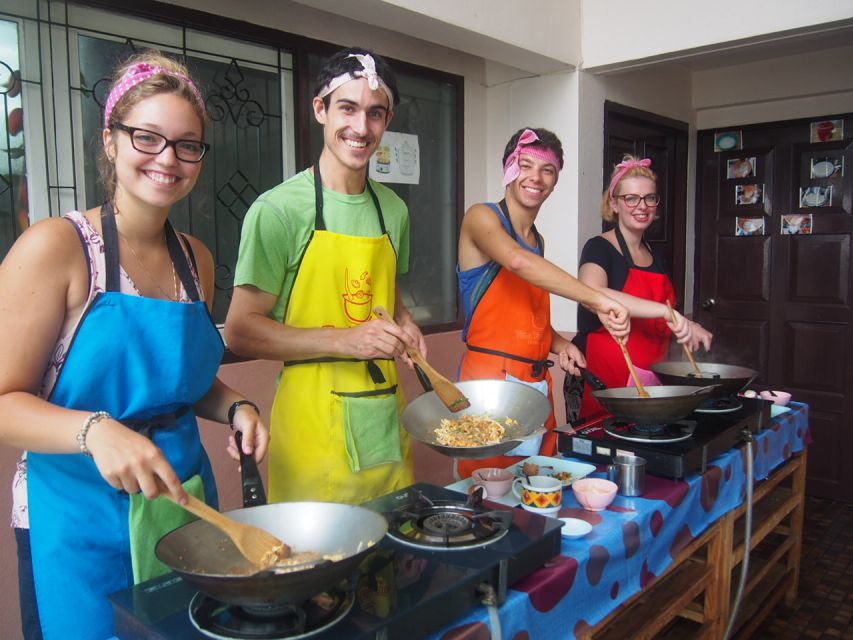
- A Thai home cooking setup: the class runs in a house, not a big commercial classroom.
- Small groups (up to 10): enough attention that you can keep up at your station.
- Five dishes plus a special extra, plus dessert for everyone: and yes, sticky rice with mango is part of the deal.
- Hotel pickup within 3 km of Chiang Mai old town: easy start, minimal hassle.
Half-Day Thai Cooking at a Chiang Mai Home Kitchen
This isn’t a sit-back-and-watch show. It’s hands-on, station-by-station Thai cooking where you learn the logic behind flavor, then taste it immediately. The structure is built for real people who are busy traveling: you get a market stop, a cooking session, and a full meal in about five hours.
What makes it feel different is the setting. The cooking happens in a home-school environment in Chiang Mai, which changes the vibe from “classroom” to “helping in the kitchen.” Oun and Mind/Mindy show up with that friendly, family-run energy that makes you want to ask questions and taste as you go.
If you’re coming for Thai food you can recreate later, this is a strong choice because you leave with a recipe book and clear guidance on how each dish is put together. You also spend less time waiting and more time cooking, since the group is capped at 10.
You can also read our reviews of more shopping tours in Chiang Mai


Market Tour: Where Thai Vegetables and Seasoning Start
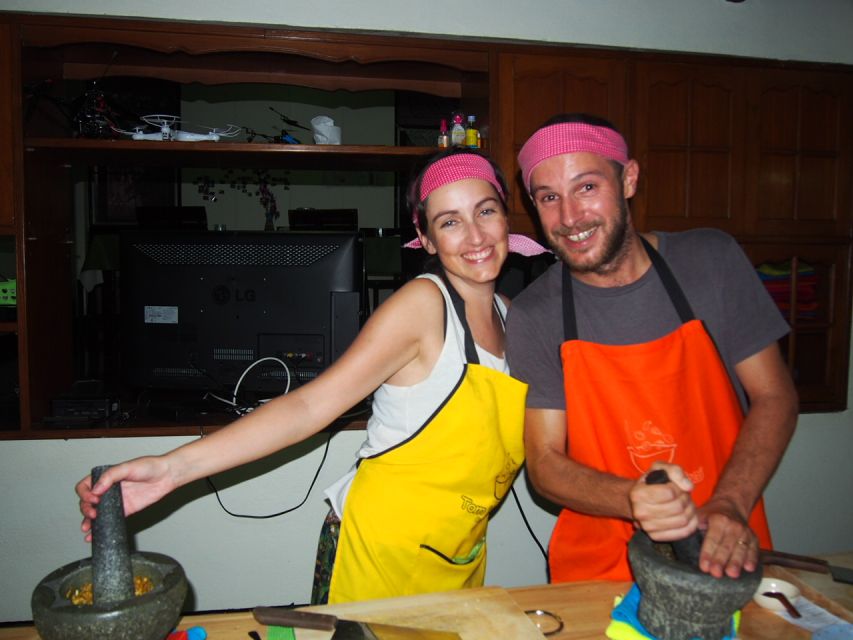
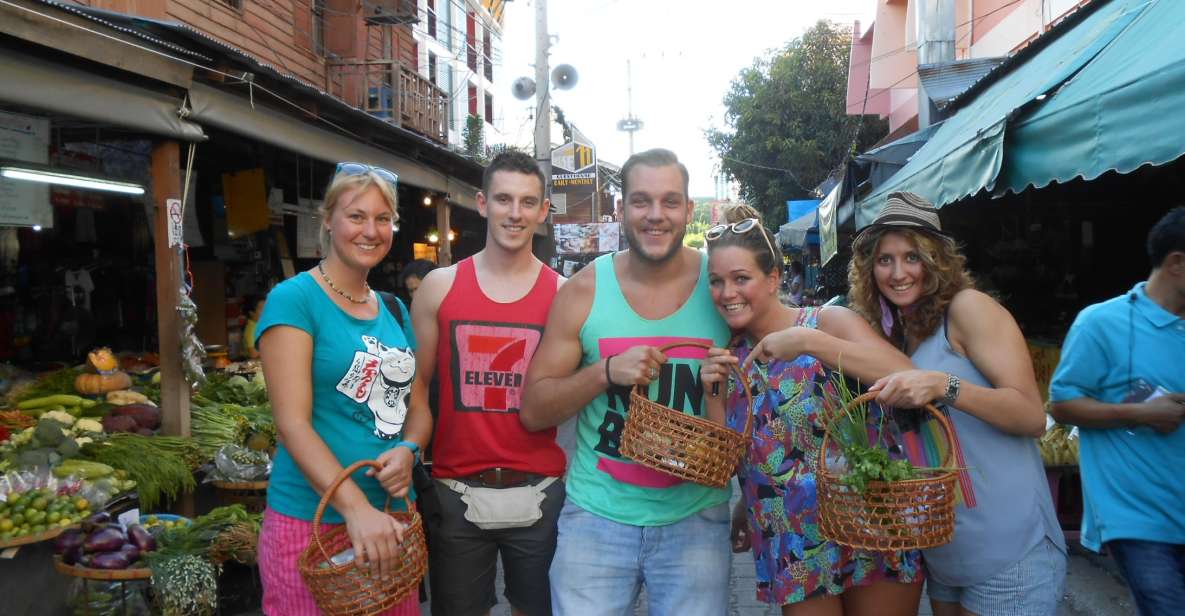
The tour begins with hotel pickup and then heads straight to a local market. The goal is simple: you’re not just sightseeing. You’re getting your ingredients for the dishes you’ll cook, plus a sense of how locals shop for everyday food.
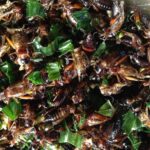
In this market portion, you’ll typically learn what Thai cooks look for—things like fresh herbs, the vegetables that matter for texture, and key ingredients that show up across many dishes. You also get a taste of the rhythm of daily shopping, which makes the class feel grounded instead of touristy.
You’ll also get seasonal snacks and fruit as part of the experience. That matters more than you might think. It helps bridge the gap between browsing ingredients and actually cooking with them, especially if you arrive hungry.
One practical note: markets can be wet or busy depending on the day. Even so, the class is designed so the shopping part is useful, not just extra walking. You come away with a better idea of what to look for later when you try these dishes at home.
Inside the House Kitchen: Stations, English Guides, and Cozy Flow
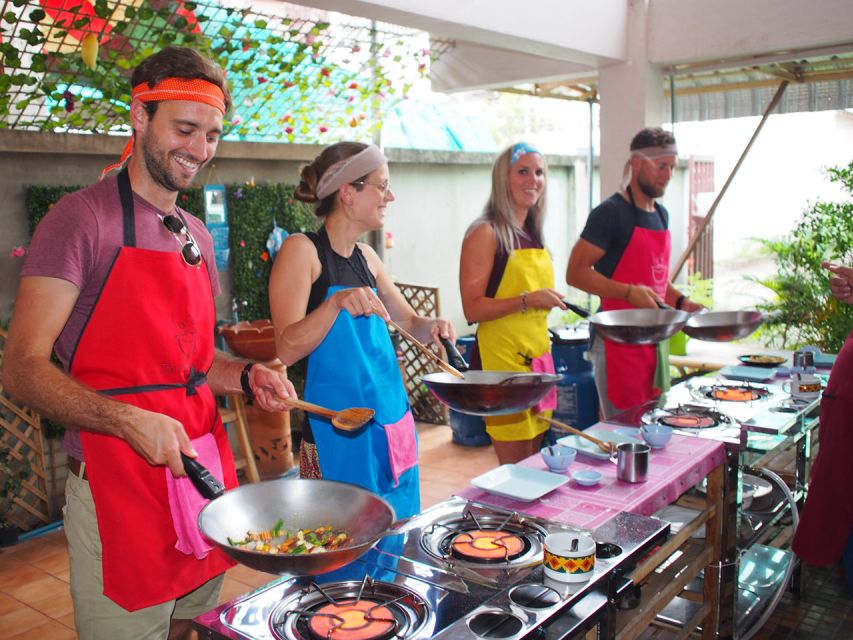
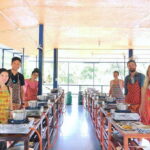
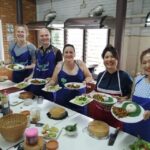
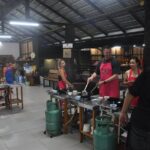
After the market, you head to the cooking school located in a home—your kitchen base for the next few hours. The setup is organized so you aren’t constantly moving around.
A common theme in the experience is that you work at your own station. One description mentions separate rooms for prepping, cooking, and eating, which keeps the flow smooth. The eating area is where you pause to taste the dishes as they’re ready, while the prep and cook areas keep things moving.
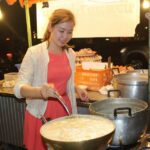
The teaching is in English, and the pace is friendly for beginners. You’ll chop and assemble, then cook with guidance so you can focus on the “why” (how balance and technique create the flavor). Oun, Mind/Mindy, and the host team tend to explain ingredients and Thai cuisine basics in a way that sticks.
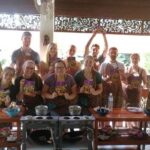
This is also a small-group class. With up to 10 participants, you’re more likely to get help when you need it—whether it’s timing, spice, or how a specific paste should smell and taste before it becomes the base for a curry.
What You’ll Cook: 5 Dishes Plus Sticky Rice with Mango
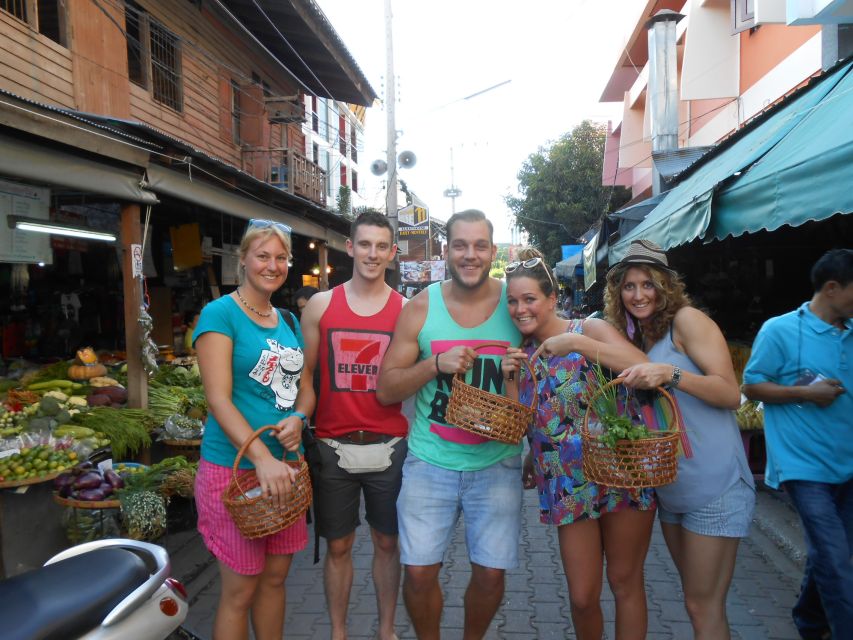
The menu is built for choice. Instead of a fixed set of dishes you have to accept, you select your own options from a list. Then you cook and eat your chosen food, plus everyone makes sticky rice with mango.
The class structure centers on five dishes plus one special dish, with a shared ending dessert. Your exact combination depends on the choices available that day, but the dish types are consistent and designed to cover a wide slice of Thai cooking: stir-fries, soups, salads/appetizers, curries, and dessert.
You should expect to eat what you cook. That’s not a buffet trick. It’s the whole point: you taste immediately, learn from the result, and then leave with recipes you can reproduce later.
If you’re the kind of person who wants to avoid getting overwhelmed, this is where the market prep helps. You connect what you saw earlier to what’s in your pan now.
Menu You Can Choose From: Pad Thai, Tom Yum, Papaya Salad, and More
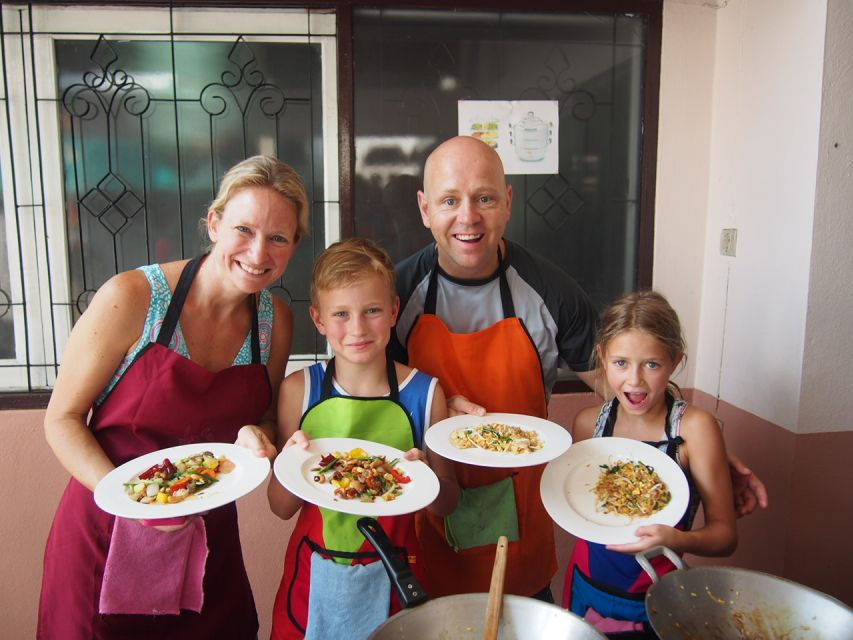
Here’s the core menu you’ll be choosing from, plus what it means for your meal.
You can also read our reviews of more tours and experiences in Chiang Mai


Stir-fries
- Pad Thai
- Cashew Nut with Chicken
- Pad See Ew
These are your noodle-and-sauce anchor dishes. You’ll learn how Thai stir-fry flavor is built quickly—usually by the way the sauce is timed and how aromatics are treated before noodles hit the wok.
Soups
- Hot and Sour Prawn Soup (Tomyum)
- Chicken in Coconut milk soup
- Thai Noodle soup
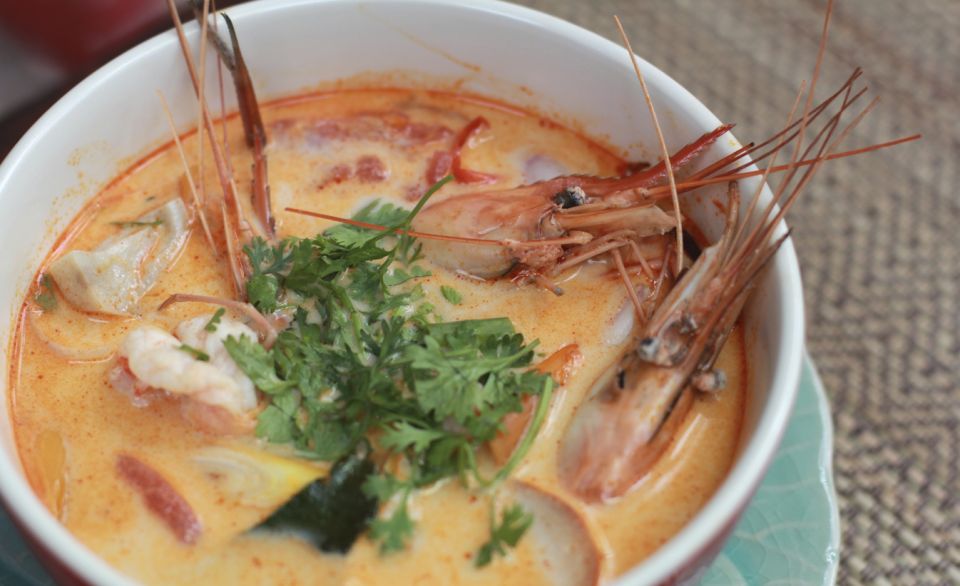
Tomyum is often the “wow” moment in Thai cooking classes. Expect strong fragrance from the sour-spicy-salty balance. The coconut milk soup gives a creamy counterpoint, which helps you understand Thai curry and soup flavor shifts.
Appetizers and salads
- Spring Roll
- Papaya Salad
- Cucumber Salad
These are the freshness dishes. Papaya salad teaches the balancing act between tang, salt, sweetness, and heat. Cucumber salad is a more mild way to learn how herbs and dressing create punch without needing a heavy sauce.
Curry paste and curries (pick your style)
- Green curry paste
- Panang curry paste
- KhaoSoi curry paste
- Green curry
- Panang curry
- Khaosoi
This part is great for people who want to understand Thai cuisine beyond one dish. Curry in Thailand is not just “spicy sauce.” It’s technique and paste flavor development. You’ll connect the paste choice to what the final curry tastes like.
Dessert
- Sticky rice with mango
That dessert is part of the shared ending. It’s sweet, fragrant, and a perfect finish after salty, sour, and spicy dishes.
One more detail that helps you plan: you’ll often be given recipes as souvenirs. That’s the difference between eating a great meal and leaving with something you can cook at home.
Eating What You Make: Portions, Spice, and the Real Timing
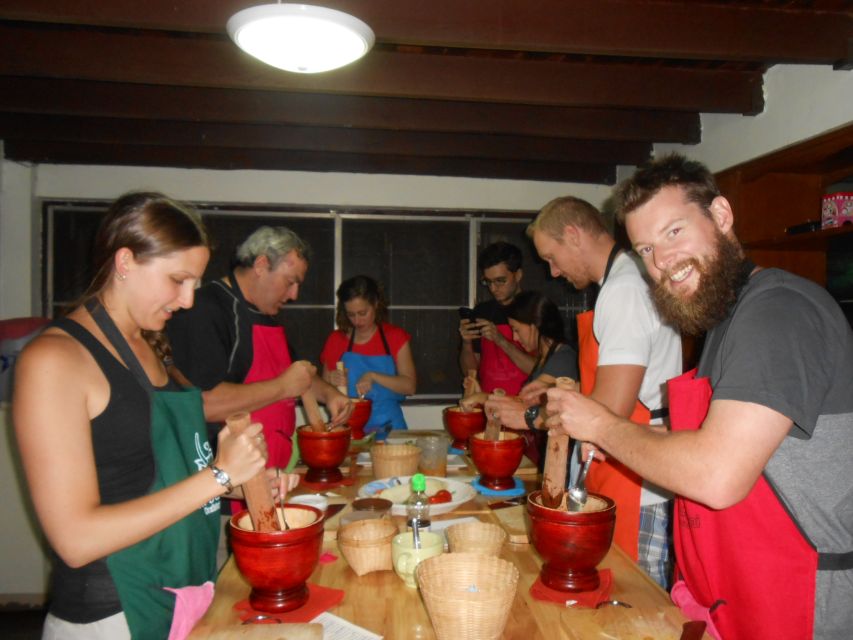
This class is designed so you eat multiple courses that you cooked. Some people arrive with a normal travel appetite and then realize halfway through that they’re already very full. The instruction is consistent: go hungry.
Timing is built around a 5-hour schedule. Morning classes run from 9:00 am to 1:30 pm, with pickup around 8:45 to 9:15 am. Evening classes run from 3:30 pm to 8:30 pm, with pickup around 3:00 to 3:30 pm.
Courses typically come as they’re ready, not all dumped at once. That reduces the “factory meal” feeling and keeps you tasting in a logical order: learn, cook, eat, repeat.
Spice level can vary by your choices and how you ask to adjust it. If you’re sensitive, tell the team. Many classes handle spice well because Thai cooking naturally works with adjustment, but you need to communicate up front.
Price and Value: Why $36 Can Feel Like a Lot
At $36 per person for about five hours, you’re getting more than a cooking lesson. You’re getting:
- a market tour tied to your menu,
- hotel pickup and drop-off within 3 km of Chiang Mai old town,
- tea and coffee plus drinking water,
- a recipe book,
- small-group hands-on cooking with an English guide,
- and you eat the results.
For a food-focused activity in a popular city like Chiang Mai, that value comes from the full package. Cooking class pricing can get steep when it’s only a demonstration or when food is minimal. Here, food is the whole event: you choose dishes, cook them, and then eat them.
If you want to do a single “food memory” activity early in your trip, this is a good candidate because it teaches you what you’ll taste later as you explore Chiang Mai restaurants. You start recognizing ingredients and sauce behavior, not just the final flavor.
Who This Works Best For (and When to Think Twice)
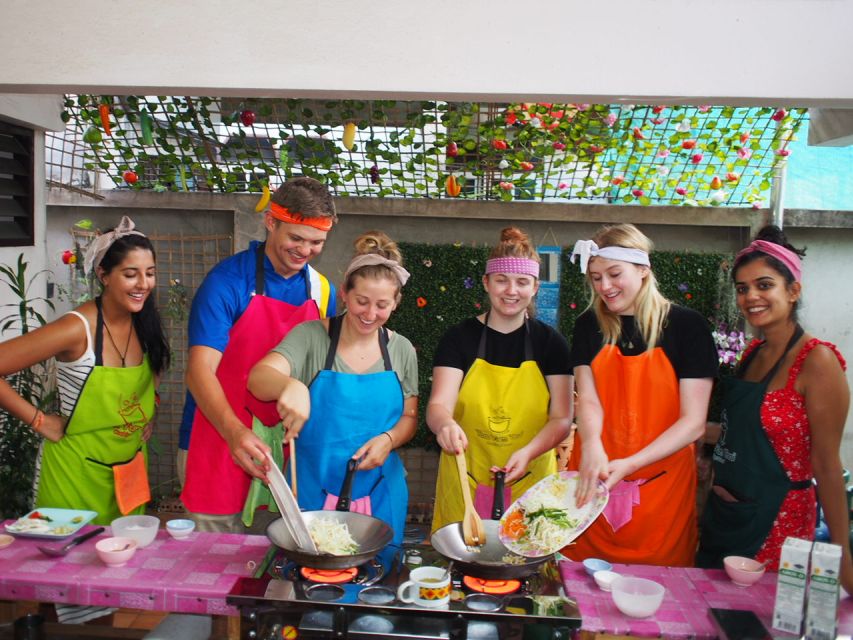
This class is ideal if you:
- love Thai food and want to learn techniques, not only recipes,
- prefer small groups and personal attention,
- enjoy markets and want ingredient context,
- want a home-kitchen experience rather than a staged restaurant setup.
It’s also a solid fit for beginners. Stations, prep guidance, and clear steps make it approachable. Many people find it fun even if their chopping skills are rusty.
A key consideration is that you may want to skip a full meal before class. You’re cooking multiple dishes and eating as you go, and portion size adds up fast.
Another consideration is pickup coverage. Hotel pickup and drop-off are included only within 3 km of Chiang Mai old town. If you’re farther out, you might need to arrange an alternate meet-up based on what’s offered.
Practical Tips That Make the Class Smoother
Here are the small choices that tend to matter in this kind of class.
- Tell them about allergies or special requests ahead of time. The host team is set up to accommodate, but it works best when you provide details early.
- Don’t eat beforehand. If you do, you’ll likely feel stuffed before you finish your own dishes.
- Choose with your taste in mind. Picking dishes you already like makes the class feel extra rewarding because you can compare your cooking to what you enjoy in Thailand.
- Plan to ask questions. This class is built for learning ingredients and Thai flavors, so use the moment when you’re working at your station.
Should You Book This Half-Day Class in Chiang Mai?
If you want an authentic Thai food experience that combines market ingredients, home-kitchen teaching, and a meal you helped create, I’d book it. The biggest wins are the small-group size, the chance to pick your dishes, and the fact the cooking and eating are tightly connected.
Skip it only if you strongly dislike spicy food or you know you’re the type who needs quiet, hands-off activities. Also reconsider if you’re outside the pickup zone and don’t want to deal with a longer transfer.
For most people, this is one of those high-value experiences where the time feels “worth it” because you get skills plus dinner, not just entertainment. And when the final dessert hits—sticky rice with mango—you’ll understand why everyone leaves with recipe book pages already marked.
FAQ
How long is the cooking class?
The experience lasts about 5 hours.
What are the class start times?
There are two options: a morning class from 9:00 am to 1:30 pm (pickup around 8:45 to 9:15 am) and an evening class from 3:30 pm to 8:30 pm (pickup around 3:00 to 3:30 pm).
Do I get hotel pickup and drop-off?
Yes, pickup and drop-off are included for hotels within 3 km of Chiang Mai old town.
Where does the cooking take place?
The cooking is done in a home setting, described as a home-school setup.
How big is the group?
The group is limited to 10 participants.
What’s included besides cooking?
You get the market visit, tea and coffee, drinking water, and a recipe book, plus hotel pickup and drop-off within the stated area.
Can I choose what dishes I cook?
Yes. You can choose your dishes from the menu, and everyone also makes sticky rice with mango.
What if I have allergies?
You can let the team know about allergies or special requests before the class so they can accommodate you.