REVIEW · CHIANG MAI
Chiang Mai: HALF-DAY COOKING COURSE at a Thai Cooking Farm
Book on GetYourGuide →Operated by THE RICE BARN THAI COOKING FARM CHIANGMAI · Bookable on GetYourGuide
Want to cook Thai food, not just watch. This half-day experience pairs a market walk with real kitchen time at The Rice Barn Thai Cooking Farm, with your own station and chef-led ingredient instruction.
I like the format most: it’s hands-on, not sit-and-snap photos. I also love that the day is built around practical staples you can recreate at home, with a color recipe e-book to take with you.
One thing to consider: you’ll be working for hours in a farm kitchen setting, so come ready for a busy, sensory day (heat, spices, and lots of chopping).
In This Review
- Quick hits
- A market stop that trains your eye for Thai flavors
- The best part for beginners (and picky cooks)
- The only watch-out
- The Rice Barn farm kitchen: clean setup, real workstations
- Where the humor and clarity come in
- What you’ll cook: Thai classics with hands-on technique
- Expect to eat a full meal, not small samples
- How the class structure works (and why it helps you remember)
- Instructor style: Oily, Timi, Katie, Gobby, Koppi, and the team vibe
- If you’re cooking solo
- Transportation and timing: the half-day that still feels like a full experience
- Consider this before booking
- Value check: $28 for ingredients, transport, and recipes you can use
- The one value caution
- Tips so you get the most out of the day
- If you want more challenge
- Should you book the Chiang Mai Rice Barn cooking course?
- FAQ
- How long is the Chiang Mai Thai cooking course?
- Is hotel pickup included?
- Is the class taught in English?
- Is the cooking hands-on?
- What dishes might I cook?
- Are ingredients and cooking materials included in the price?
- Do I eat what I cook?
- Is transportation provided in an air-conditioned vehicle?
- What’s the cancellation policy?
Quick hits
- Market stop that actually teaches ingredients, not just a photo break
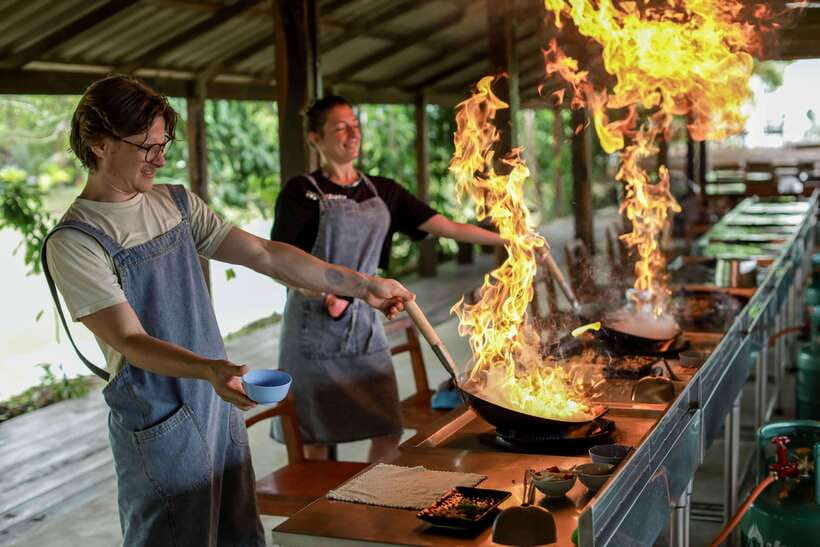
- Hands-on stations, so you cook your own dishes instead of crowding around one pan
- Multiple classic Thai dishes, with Tom Yum Kung, Pad Thai, and curries showing up in many sessions
- English-speaking instructors known for humor and clear guidance (Oily, Timi, Katie, Gobby, Koppi appear across classes)
- Air-conditioned round-trip pickup from your Chiang Mai hotel
- You eat what you make, and there’s usually a lot of it
A market stop that trains your eye for Thai flavors
Most Thai cooking classes jump straight to recipes. Here, you start in the market zone first, and that matters because Thai cooking is more about balance than memorizing one spice blend.
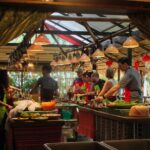
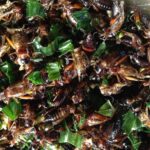
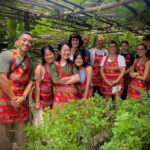
During the market walk, you learn what goes into common dishes: herbs, aromatics, sauces, and how ingredients behave once they hit a wok or a pot. One neat detail I took from the experience descriptions is that the market stop can go beyond fruit and veg browsing into practical food knowledge, like seeing how coconut milk is made. If you care about cooking past the basics, this is where you start understanding what Thai food tastes like and why.
This part also sets you up for less guesswork later. When you return to the farm kitchen, you’re not staring at a mysterious bag of items. You already know what you saw and what each ingredient is supposed to do.
You can also read our reviews of more cooking classes in Chiang Mai

The best part for beginners (and picky cooks)
Even if you’ve never cooked Thai food before, you’ll have a reference point: how ingredients look in real life. And if you’re the type who wants to control outcomes (salt level, sourness, spice), seeing the ingredients first helps you troubleshoot while you cook.
The only watch-out
Markets can be spicy-scented and busy. If you’re sensitive to strong smells or prefer calm pacing, go easy on rushing ahead and plan for a little standing and walking before you start cooking.
The Rice Barn farm kitchen: clean setup, real workstations
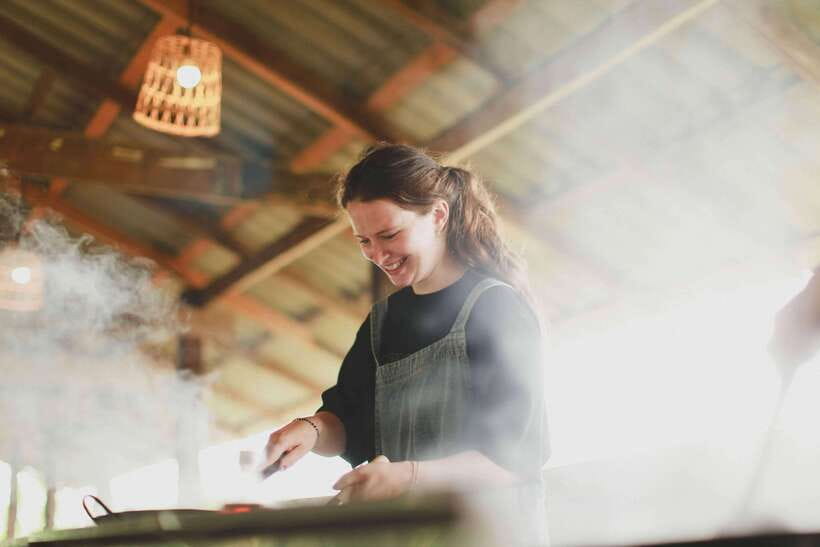
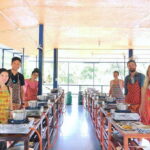
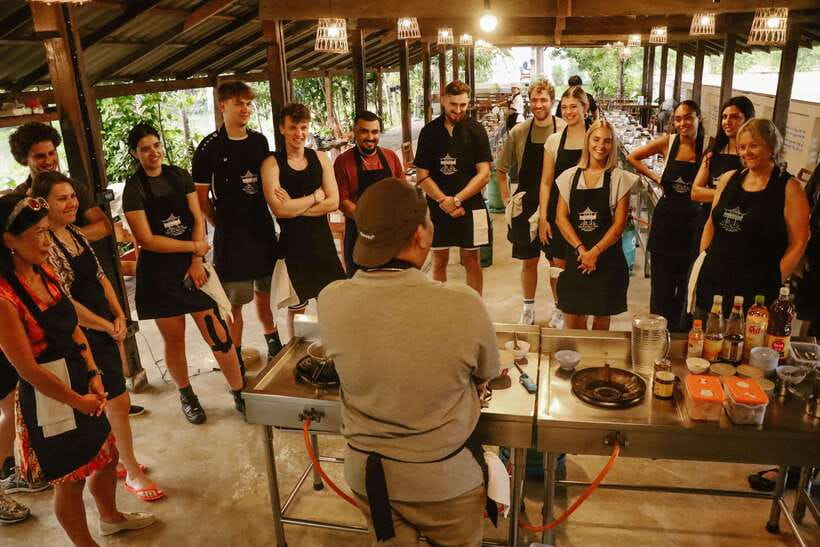
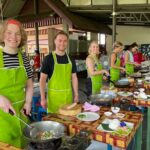
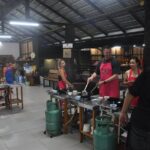
The heart of the day is the cooking portion at The Rice Barn Thai Cooking Farm, and the main thing you should care about is workflow. Each person cooks from their own setup, instead of sharing space around one stove.
Instructors run the process like a studio class. They explain the recipe, demonstrate key steps in front of you, then turn you loose at your station. That structure is exactly why so many people leave feeling confident: you’re not only tasting good food, you’re learning the sequence and the technique.
Multiple people highlight how clean the facilities are, and that’s not a minor detail. When you’re chopping herbs, handling sauces, and working with hot pans, a tidy station makes the whole experience smoother.
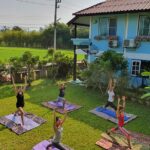
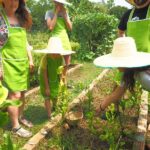
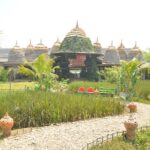
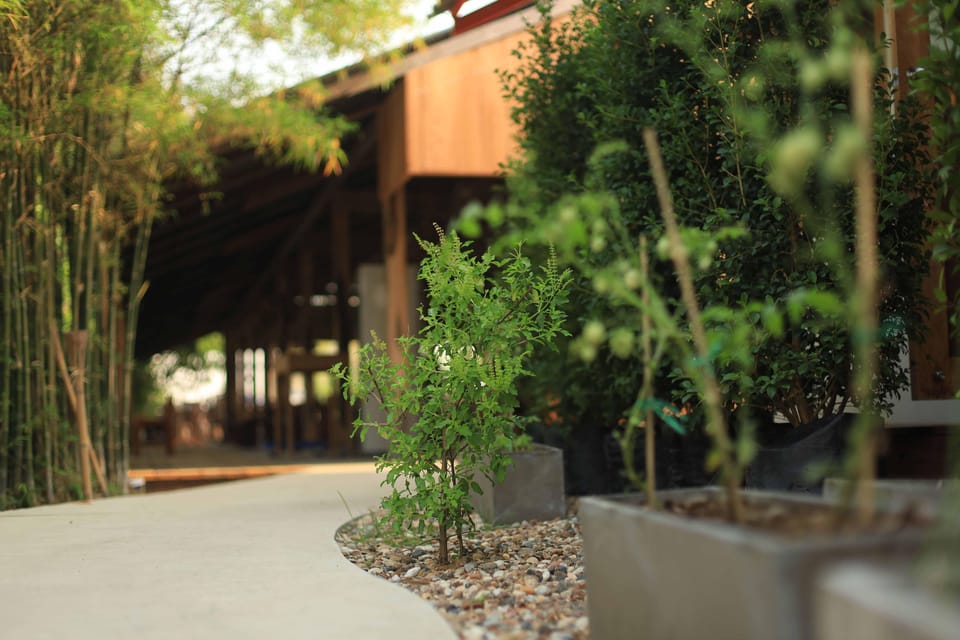
Also, the farm setting adds something practical. You’re not just in a classroom. You’re cooking in a working farm environment where you may see gardens and even get small glimpses into how ingredients are grown or prepared. That connection tends to make the recipes feel more legitimate, not like a tourist performance.
Where the humor and clarity come in
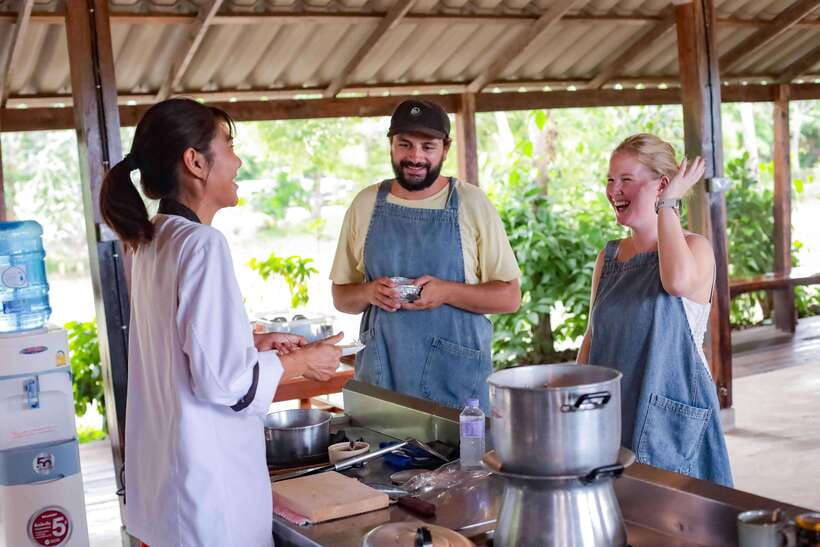
English instruction is part of the package, and the instructors named across classes often get praise for keeping things fun without losing control of the steps. Oily, Timi, Katie, Gobby, and Koppi show up as guides for different groups, and the common thread is clear explanation plus a light, entertaining tone.
If you learn best when you’re comfortable, you’ll probably like this style. If you prefer quiet instruction, know that these sessions are lively.
You can also read our reviews of more tours and experiences in Chiang Mai

What you’ll cook: Thai classics with hands-on technique
What makes this course valuable is not just that you cook multiple dishes. It’s that you usually cook dishes that teach different core Thai skills: sour-spicy balance, noodle wok technique, curry texture, and stir-fry timing.
Based on the dishes listed across classes, many sessions include a mix such as:
- Tom Yum Kung (sour, spicy Thai soup)
- Pad Thai (the noodle stir-fry)
- Panang or Green Curry (you may choose between the two)
- Cashew stir-fried chicken (wok technique and flavor layering)
- Mango sticky rice and sticky rice preparation (sweet, sticky finish)
- Plus additional dishes like parang shown in some schedules
You might notice a pattern: you’re covering a spectrum. Soup teaches heat control and seasoning balance. Noodles teach timing and wok handling. Curries teach texture and how curry paste translates into sauce. Sticky rice teaches portioning and technique so it doesn’t turn chewy or dry.
Expect to eat a full meal, not small samples
One repeated theme is quantity. You cook, then you eat what you make, and several people say it’s enough food to feel very full. If you’re used to tasting menus, this will feel more like a proper Thai dinner plus extra learning.
A practical tip from the experience flow: don’t plan to eat a big breakfast right before. Come hungry, then pace yourself while you cook and taste along the way.
How the class structure works (and why it helps you remember)
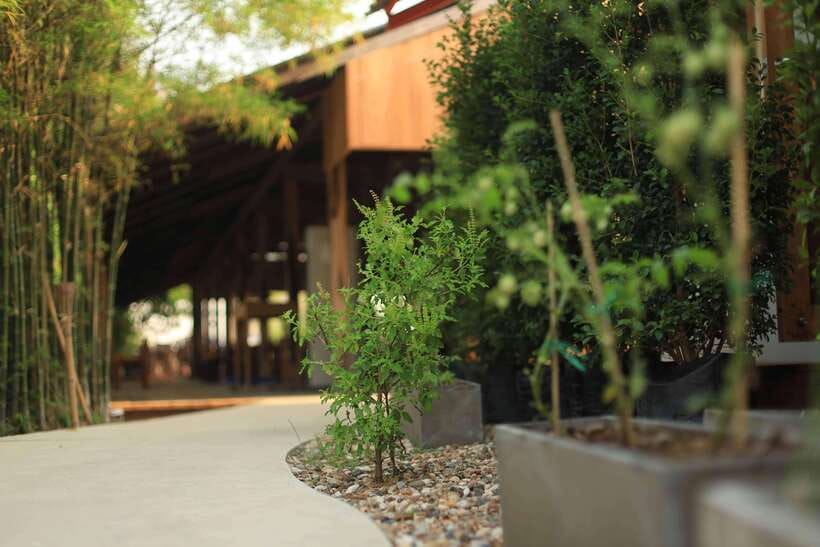
Here’s the rhythm you can expect, and it’s worth knowing because it affects how much you’ll actually learn.
- Pickup and transfer from your Chiang Mai hotel in an air-conditioned vehicle
- Market stop where the instructor explains ingredients used in classic Thai cooking
- Farm kitchen session where recipes are demonstrated and then cooked at your station
- Eat together and enjoy the dishes you’ve made
- Return transportation back after the cooking block (timing depends on the starting session)
The biggest learning advantage is the station time. If the class only demonstrated and you watched, you’d miss muscle memory. Cooking at your station forces you to do the work: chopping, measuring (often with ingredients already prepared in set amounts), heating pans, and adjusting flavor.
Some people comment that ingredients and spices may be set up in exact amounts. That can be a plus if you want a low-stress win. If you crave a more chaotic, choose-your-own-adventure cooking style, you might wish you selected more items yourself. Still, for many first-timers, this controlled setup makes the recipes succeed instead of turning into a mess.
Instructor style: Oily, Timi, Katie, Gobby, Koppi, and the team vibe
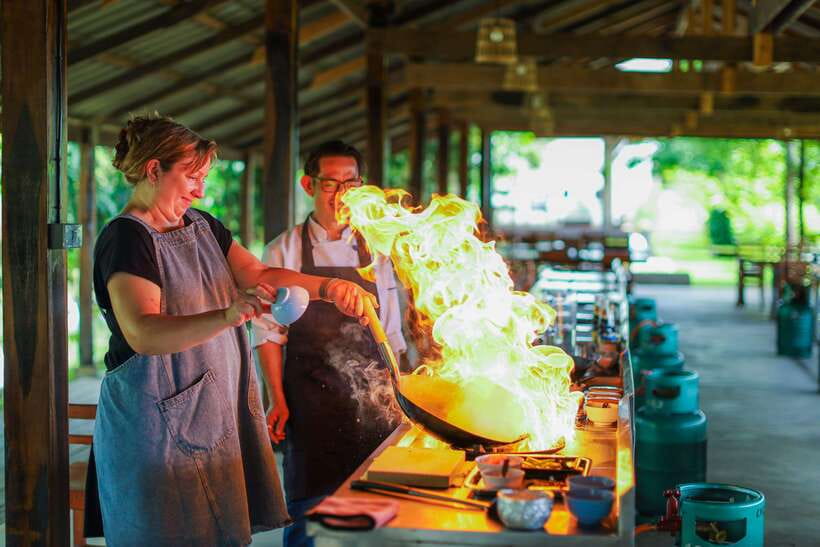
The instructor team matters here because Thai cooking has a few steps where timing and judgment make a big difference. Across different sessions, you’ll hear about different names, especially Oily, Timi, Katie, Gobby, and Koppi.
What comes up again and again is that instructors manage to be:
- attentive while supervising multiple stations
- funny without losing the recipe flow
- clear about what to do next
One useful detail: some people mention dietary attention, like an instructor being supportive with gluten-free needs. That’s not something you should assume for every situation, but it’s a good sign that they take individual questions seriously.
If you’re cooking solo
A lot of cooking classes are awkward solo because you end up watching other people’s groups. Here, since you cook at your own station, you still get full participation. One solo participant described quickly making friends, but even if you don’t chat much, you’ll have your own task list and it won’t feel like you’re waiting around.
Transportation and timing: the half-day that still feels like a full experience
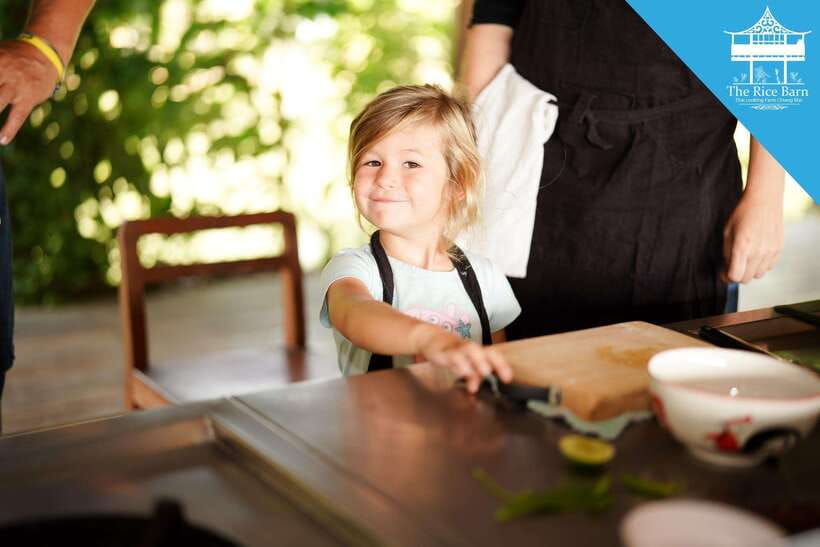
This is a 6-hour class with round-trip hotel pickup in an air-conditioned vehicle. That “half-day” label can be misleading in Thailand, because you can burn a lot of time moving around. Here, the structure keeps things moving: pickup, market, farm cooking, and return.
The other practical benefit is simplicity. You don’t have to figure out transport to a rural farm kitchen area. You also avoid the stress of being late, since pickup is part of the program.
Consider this before booking
If your trip schedule is tight, double-check the starting time availability. The class runs for 6 hours total, and the pickup window affects when you’ll be back at your hotel.
Value check: $28 for ingredients, transport, and recipes you can use
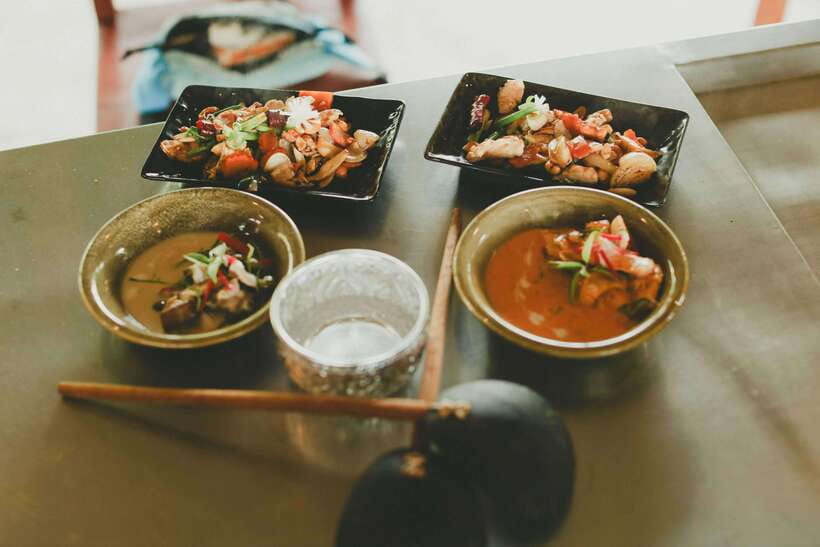
At around $28 per person, this class can feel like good value when you look at what’s included and what you’re paying for.
You get:
- Materials and all ingredients for the dishes you cook
- Round-trip transportation in an air-conditioned vehicle
- Coffee and/or tea
- A color recipe e-book
Now add the hidden costs you’d otherwise pay if you tried to learn from scratch:
- sourcing Thai ingredients in your home city
- buying the right sauces and pastes
- figuring out exact steps for things like curry texture or noodle timing
- paying for a cooking instructor and workspace
The e-book is also a legit bonus. You’re not leaving with only memories and a full belly. You have a reference you can bring into your own kitchen later.
Some people also mention professional photos being available to purchase. That’s extra, not included in the core promise, but it can be a fun memory option if you like having images of the day.
The one value caution
Because you cook multiple dishes, you’ll eat a lot. If you’re watching calories or you don’t eat Thai food well, the amount might feel like too much. Still, the chance to learn several core skills can outweigh that for many people.
Tips so you get the most out of the day
A cooking class works best when you show up ready. Here are a few practical moves based on what stands out in the experience details.
- Go in hungry, but don’t overdo it right before pickup. The food portion can be significant.
- Wear closed-toe shoes. Farm kitchen work involves spills and dropped bits, even when everything is clean.
- Ask questions during the demonstration, especially about sour-salty-spice balance. That’s the fastest route to better results at home.
- Take notes on texture, not just flavor. Curry thickness, noodle cling, and how sticky rice sets matter.
- Keep the recipe e-book handy when you cook again at home. It’s included, and you’ll want it the next time you’re shopping for ingredients.
If you want more challenge
Some participants note that some steps may be more guided than they expected. If you like selecting every ingredient and experimenting freely, consider pairing this class with another cooking session that emphasizes more customization. For first-time confidence, this setup is still a strong start.
Should you book the Chiang Mai Rice Barn cooking course?
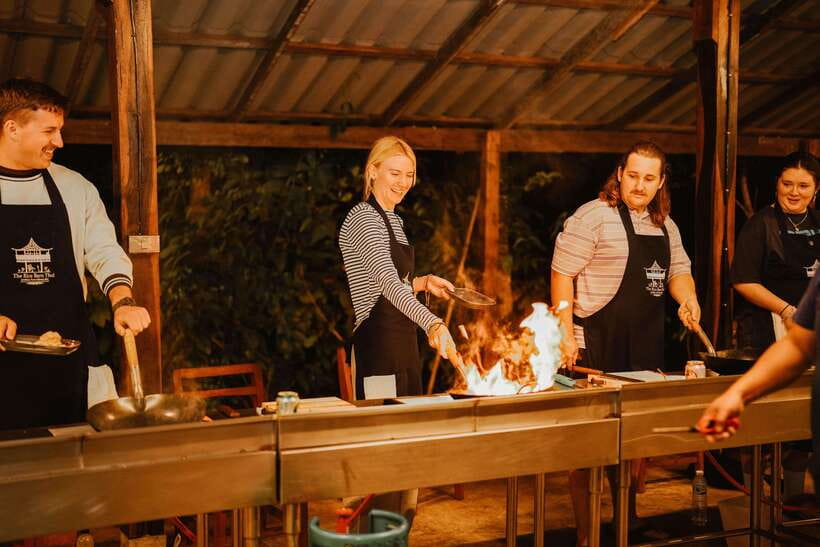
I’d book this if you want a Thai cooking experience that’s truly active: market ingredients, farm kitchen stations, and a meal built from what you cook. The price makes sense because you’re not just paying for instruction—you’re paying for ingredients, transport, and a recipe guide you can use later.
Skip it or choose a different style if:
- you’re uncomfortable with a warm, sensory cooking environment
- you want a more freestyle cooking class with less guidance
- you don’t want to eat a large portion of food
For most people, this hits a sweet spot: hands-on learning, classic Thai dishes, and instructors (like Oily and Timi, plus Katie and Gobby in other sessions) who keep the day moving and the kitchen calm enough to succeed.
FAQ
How long is the Chiang Mai Thai cooking course?
The duration is 6 hours.
Is hotel pickup included?
Yes. You’ll be picked up by the local partner at your hotel in Chiang Mai, and round-trip transportation is included.
Is the class taught in English?
Yes, the instructor speaks English.
Is the cooking hands-on?
Yes. The course is described as completely hands-on, with each person working at their own cooking station.
What dishes might I cook?
Common dishes listed include Tom Yum Kung, Pad Thai, and curry options like Panang or Green Curry, plus dishes such as cashew stir-fried chicken and sticky rice with mango.
Are ingredients and cooking materials included in the price?
Yes. Materials and all ingredients for cooking are included.
Do I eat what I cook?
Yes. The experience is set up so you prepare dishes and then enjoy the meal afterward.
Is transportation provided in an air-conditioned vehicle?
Yes. Round-trip transportation is included with an air-conditioned vehicle.
What’s the cancellation policy?
Free cancellation is available up to 24 hours in advance for a full refund.
If you tell me your travel month and whether you prefer cooking soups/noodles/curries most, I can suggest how to time this class within your Chiang Mai day.