REVIEW · CHIANG MAI
Tomyumthai Cooking Class in Chiang Mai
Book on Viator →Operated by Tom Yum Thai Cooking School · Bookable on Viator
Thai cooking, minus the guesswork, is the point here. This half-day class pairs a guided market run with practical, step-by-step instruction so you actually learn how Thai flavors come together. At Tom Yum Thai Cooking School in Chiang Mai, you’ll cook a set of dishes and eat what you make, not something handed to you after the fact.
I love the small-group size (max 10), because it keeps the teaching personal instead of rushed. And I especially like that you get a recipe book plus online photos, so you can recreate the dishes later without relying on memory. One thing to consider: the class is weather-dependent and you’ll be doing a lot of eating and cooking, so don’t plan anything tight right after.
In This Review
- Quick hits before you go
- Why Tom Yum Thai Cooking Class Feels Like Real Chiang Mai Food
- Market Shopping: The Ingredient Education You’ll Actually Use
- Back at the Cooking School: How the Step-by-Step Lesson Works
- Choosing Your Dishes: Learning Thai Techniques Through What You Want to Cook
- The Meal Itself: Why You Eat What You Cook (and How It Feeds You)
- Price and Value: Is $32.61 Worth It?
- Pickup in Chiang Mai Old City: Easy Start, Straight Finish
- When to Take the Morning or Afternoon Class
- Who This Thai Cooking Class Is Best For
- Tips to Make Your Class Smoother (and Tastier)
- FAQ
- FAQ
- How long is the Tom Yum Thai Cooking Class?
- Is pickup from my hotel included?
- What’s included in the class price?
- Can I choose between a morning or afternoon class?
- How many people are in the group?
- What happens if weather is bad?
- Should You Book Tom Yum Thai Cooking Class in Chiang Mai?
Quick hits before you go
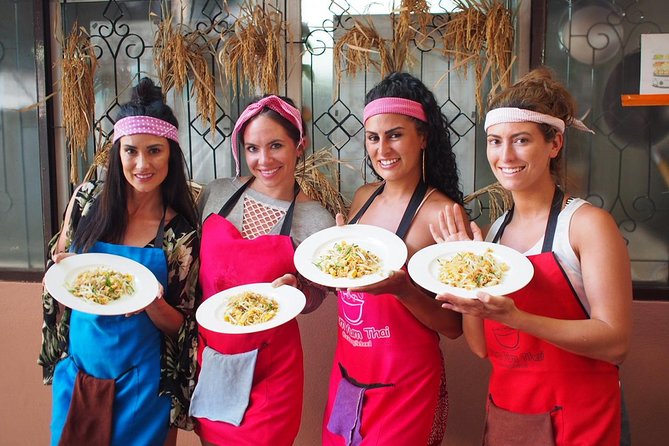
- Market shopping first: See what Thai cooks buy and why, then use those ingredients immediately.
- Small group of up to 10: More time to ask questions and get hands-on help.
- Choose your dishes: You learn about the flavors and techniques behind what you pick.
- Course-by-course eating: You get to taste as you cook, not wait for one big buffet at the end.
- Take-home tools: Recipe book and an online photo gallery help you practice later.
- Shoes-off possibility: You may take off footwear when entering the kitchen/home area.
Why Tom Yum Thai Cooking Class Feels Like Real Chiang Mai Food
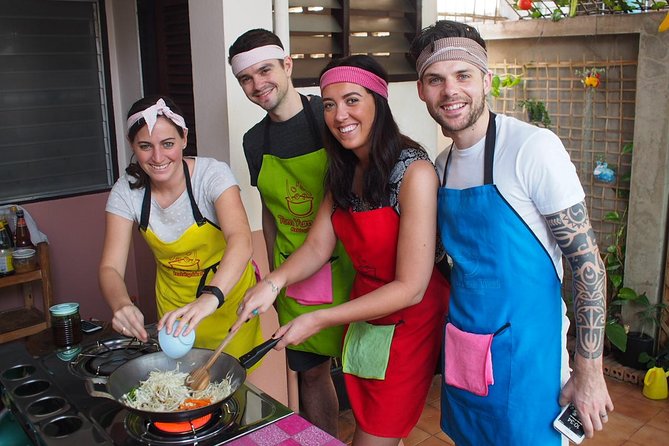
There’s a big difference between watching a cooking demo and learning Thai cooking the way Thai cooks think about it. Tom Yum Thai Cooking School aims for the second one: you shop, cook, taste, and adjust. The tone stays upbeat too—this isn’t stiff, lecture-style cooking.
You’ll be working with an English guide and a chef-instructor who narrates what you’re doing and why. The class is built around technique: how to prep aromatics, balance sour/salty/sweet elements, and get the texture right. That’s what makes the lesson useful at home.
The vibe is also “real life,” not “tour performance.” From the reviews and what’s clearly emphasized in the experience, the market part matters. It teaches you what Thai kitchens start with—and that’s where most home cooks go wrong.
You can also read our reviews of more cooking classes in Chiang Mai

Market Shopping: The Ingredient Education You’ll Actually Use
The tour begins with a food market experience where you’ll learn about vegetables and spices used in everyday Thai cooking. Instead of vague “Thai ingredients” talk, you get guided context as you choose what you’ll cook. This is where the class earns its keep.
You’ll typically be driven to the market in an air-conditioned vehicle, then you’ll wander with your guide. One great thing here: you’re not just herded. You get time to look around and understand the produce and stalls before you settle on your ingredient list. That’s handy because many Thai dishes depend on small differences—what herb you pick, how ripe fruit is, what chili variety looks the way it’s supposed to.
A chef-instructor (Oun is a recurring name in the experience) also connects ingredients to flavor. For example, learning which Thai vegetables show up in soups, salads, and stir-fries helps you stop treating recipes like magic formulas. You start seeing patterns.
When you come back to cook, the market choices aren’t random. They’re the same ingredients you’re going to use in the dishes you picked.
Back at the Cooking School: How the Step-by-Step Lesson Works
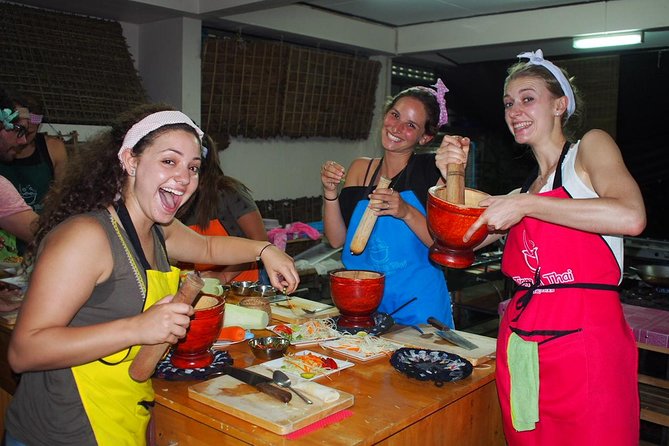
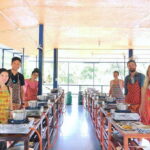
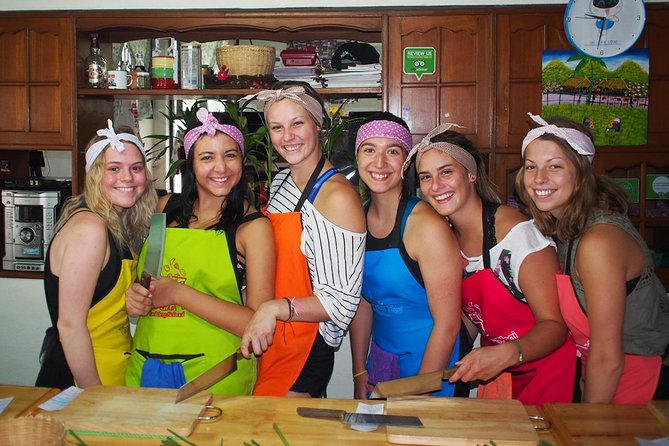
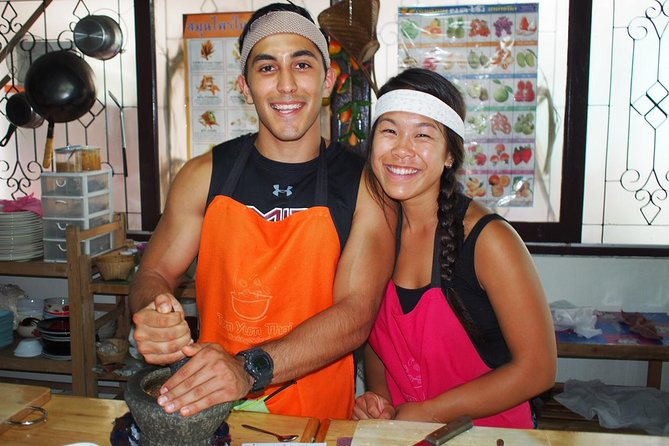
After the market stop, you return to the cooking location to cook in the school kitchen environment. The experience is designed around hands-on instruction: you use the cooking equipment provided, follow along, and get feedback as you go.
The flow matters. You’ll learn your dishes in a sequence, and you eat what you cook after each dish. That course-by-course rhythm keeps things moving and also helps you catch mistakes early. If something is too sharp, too salty, or not aromatic enough, you can adjust while the lesson is still happening.
You’ll likely notice that the instructors use humor and make it easy to stay focused—Oun and his team (including instructors named Gae and Kate in the experience) are frequently mentioned for their friendly, patient teaching. For me, that’s not a “nice-to-have.” It makes a difference when you’re handling heat, tasting sauces, and trying to remember steps without stress.
Also, plan for a slightly home-style setup. In the kitchen/home portion of the experience, you might be asked to take your shoes off. Bring socks you’re comfortable cooking in, and don’t wear footwear that’s annoying to remove.
Choosing Your Dishes: Learning Thai Techniques Through What You Want to Cook
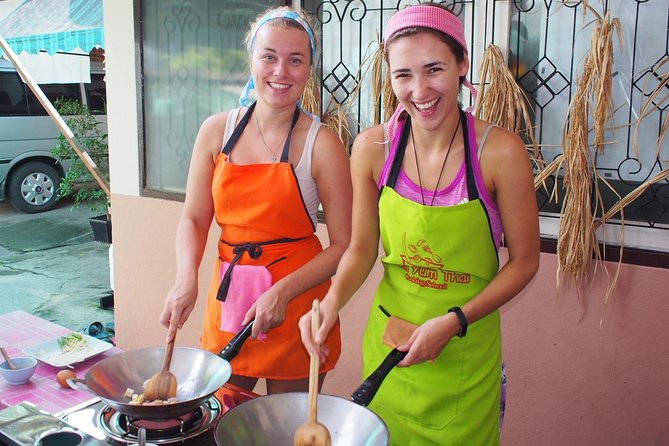
The experience is flexible. You choose to learn a set of dishes—often described as six dishes, and in other descriptions as 5 to 6 dishes depending on the session. Either way, you aren’t stuck cooking a single “tourist” plate.
That choice is smart. If you like soups, pick dishes that build on broth and balance. If you like curry, choose something that teaches paste aromatics and coconut or broth layering. If you want stir-fry comfort food, go for dishes where you practice timing and heat control.
What you’re really buying is technique transfer. The class teaches Thai cooking steps and tips—how ingredients should behave, how flavors should evolve, and what to watch for while cooking. You’ll get to ask questions along the way, and the small group size supports that.
One detail I think is especially valuable: you’ll cook, then taste immediately. That makes it easier to connect the instruction to the result. Instead of “I added this, I guess it tastes right,” it becomes “I added this, and here’s what it changed.”
The Meal Itself: Why You Eat What You Cook (and How It Feeds You)
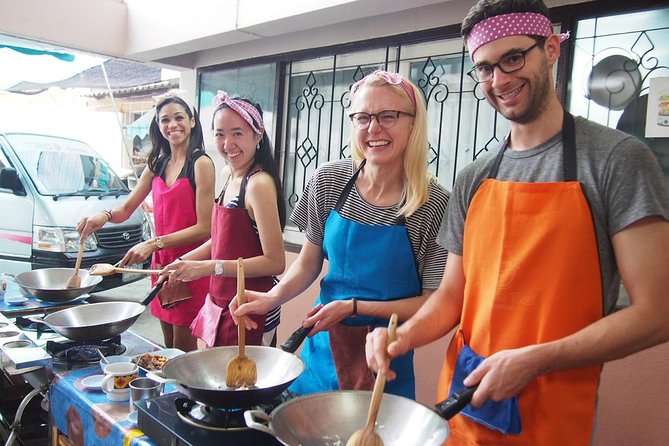
You don’t just cook and then leave. You sit down and enjoy the meal you helped create. Included in the experience are the meal itself plus coffee and/or tea, along with drinking water.
Because you eat as you cook, your stomach isn’t waiting on a final grand finale. Expect multiple rounds of food rather than one long pause. And yes—this is a “go hungry” kind of activity. People consistently end up full because you keep tasting what you’re making.
If you’re thinking about planning your day: treat this like a full meal experience, not a light snack class. You’ll likely eat enough to skip dinner, or at least keep it small.
Dessert can appear as part of the experience. One specific example mentioned in the experience includes sticky rice paired with fresh mango. Don’t assume that’s guaranteed every single time, but it’s a good clue that you may see sweet Thai classics show up.
You can also read our reviews of more tours and experiences in Chiang Mai


Price and Value: Is $32.61 Worth It?
At about $32.61 per person, this class looks like strong value once you break down what’s included.
Here’s what you’re getting without extra add-ons:
- Cooking equipment and instruction
- Your meal
- Coffee and/or tea plus drinking water
- A recipe book you can take home
- An online photo gallery
- Pickup and drop-off in Chiang Mai Old City
- An English guide
- Small-group teaching (max 10)
In practical terms, you’re paying for two things that are hard to replicate on your own: (1) guided ingredient shopping and (2) cooking feedback while you’re actually doing it. If you’ve ever tried to cook Thai food at home from a recipe and gotten stuck on why it tastes different, you already know why this lesson helps.
Is it “budget” in the sense of cheap? Yes. But it’s also structured like a real lesson, not a quick demo. The small group and the included recipe tools are what push it from fun activity into something you’ll likely use again.
One consideration: alcohol isn’t included, so if you’re the type who wants drinks with dinner, you’ll need to plan separately.
Pickup in Chiang Mai Old City: Easy Start, Straight Finish
This is one of the most convenient cooking classes in the area because you can get hotel pickup and return, as long as you’re within the supported zone in Chiang Mai’s Old City. If your hotel is farther out, pickup may not be included.
You’ll also be in an air-conditioned vehicle. That matters in Chiang Mai when you’re moving between market and school during warm hours.
The meeting point is at Tom Yum Thai Cooking School, and the experience ends back at the meeting point area. That makes it simple to pair with the rest of your day if you keep your schedule flexible.
If you want to avoid friction on arrival: confirm the pickup radius for your hotel ahead of time, especially if you’re staying just outside the Old City.
When to Take the Morning or Afternoon Class
You can choose a morning or afternoon session. Pick based on how you like your day.
- Morning class: Nice if you want the market part while the city feels calmer and you still have energy later.
- Afternoon class: Great if you’re more relaxed in the morning and want a mid-to-late day activity.
Either way, plan to spend most of the half-day involved and avoid tight plans afterward. You’ll finish full, with your recipe book in hand, and with at least a few dishes you’ll want to replicate right away.
Who This Thai Cooking Class Is Best For
This class is a great fit if you want real technique, not just a fun meal.
You’ll especially enjoy it if:
- You like markets and want to learn ingredients, not just take photos
- You want small-group attention from a chef-instructor
- You’re returning to your hotel with recipes you can actually follow
- You want a hands-on experience where you cook and eat multiple dishes
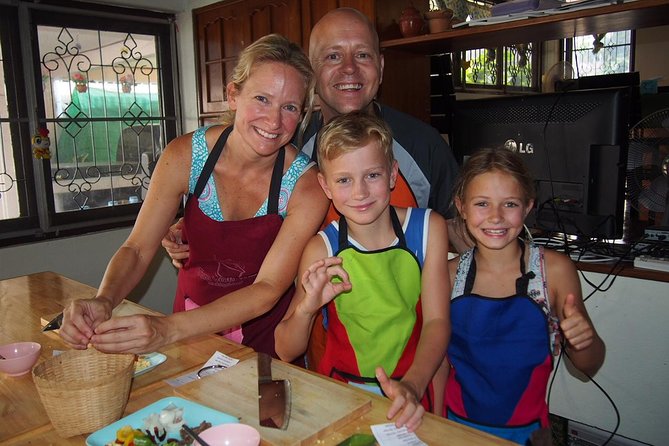
It also sounds like it works well for families. One experience in the provided info notes the class being chosen because it had experience with kids, and the instruction was described as patient. If you’re traveling with children, this is one of the more promising cooking classes to consider.
If you’re a hardcore foodie who already cooks Thai well, you might still learn something from the market ingredient choices and the step-by-step pacing—but it’s probably best for people at beginner to intermediate level who want to build confidence.
Tips to Make Your Class Smoother (and Tastier)
A little prep helps a lot:
- Go hungry. You’ll eat as you cook, and portions add up fast.
- Wear comfortable clothes for standing and chopping. You’ll be active.
- Bring socks in case you’re asked to remove shoes in the cooking/home area.
- Keep an open mind about spice and flavor balance. Thai dishes often hit sour and aromatic notes hard—in a good way.
- If you have preferences (pork vs. chicken, swapping ingredients), pay attention to what your guide can accommodate. The experience indicates catering to tastes.
Finally, take notes while you’re cooking—not because you need to write recipes like a cookbook author, but because Thai cooking often hinges on timing and tasting, not just ingredient lists. Your recipe book plus your memory of the course-by-course process will make it easier to cook later.
FAQ
FAQ
How long is the Tom Yum Thai Cooking Class?
It runs about 5 hours (approx.), which makes it a solid half-day activity.
Is pickup from my hotel included?
Pickup and drop-off are provided for hotels within Chiang Mai Old City. Pickup for hotels more than 2 miles (3 km) from downtown Chiang Mai is not included.
What’s included in the class price?
The price includes cooking equipment, your meal, coffee and/or tea, drinking water, an English guide, a recipe book, and a photo gallery online. Air-conditioned vehicle transport is also included.
Can I choose between a morning or afternoon class?
Yes. You can select either a morning or afternoon class.
How many people are in the group?
The class has a maximum of 10 travelers, which keeps the experience small and more interactive.
What happens if weather is bad?
The experience requires good weather. If it’s canceled due to poor weather, you’ll be offered a different date or a full refund.
Should You Book Tom Yum Thai Cooking Class in Chiang Mai?
If you want a Thai cooking class you can actually repeat at home, I’d book this. The market ingredient shopping plus the hands-on, course-by-course cooking is the winning combo. Add the small group size, the recipe book, and the online photo gallery, and you’re not just paying for a meal—you’re paying for a usable skill set.
Book it if:
- You like guided markets and want ingredient context
- You’re curious about learning Thai techniques step-by-step
- You want a smaller, more personal cooking class experience
Skip it (or rethink) if:
- You’re not interested in eating multiple dishes during the session
- You’re staying outside the pickup zone and don’t want to arrange your own transport
Overall, this is a practical, friendly way to learn real Thai food in Chiang Mai—then bring the flavors home with you.