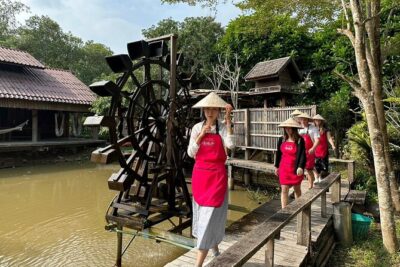
A good Thai cooking class should teach your hands. At The Rice Barn Thai Cooking Farm in Chiang Mai, you’ll shop, cook, and learn why Thai flavors change from cook to cook. I like the market-to-kitchen flow and the fact that the class is fully hands-on, so you’re not just watching from the sidelines.
Two chefs guide you through a complete cooking session, and every person gets their own station. One thing to consider: you’ll want to bring extra Thai baht cash if you plan to buy small add-ons, since alcohol isn’t included and other extras may come up.
In This Review
- Key reasons this class gets repeat bookings
- Market-to-kitchen Thai cooking in Chiang Mai
- What you’ll cook: five menus and a five-course meal plan
- The hands-on format: your own station, your own pacing
- Walking the market: ingredients, timing, and flavor clues
- Teachers who keep it light while you learn
- Location, timing, and how the day runs
- Price and what you’re really getting for $29.35
- What’s included (and how to budget for anything extra)
- A realistic expectation for skill level and learning style
- Who this cooking farm class is best for
- Bringing Thai flavors home: your takeaway checklist
- Should you book The Rice Barn Thai Cooking Farm Chiangmai?
- FAQ
- How long is the Thai cooking course at The Rice Barn?
- Where does the experience start and end?
- Do they pick you up from your hotel?
- Is the class hands-on?
- Do I need any cooking experience?
- What’s included in the price?
- Are alcoholic beverages included?
- Can I choose what dishes we cook?
- Is there a group size limit?
- Should I bring cash?
Key reasons this class gets repeat bookings
- Market tour first: you start with ingredients, not recipes on autopilot
- Hands-on cooking stations for everyone: no experience needed, you work at your own station
- Choose from five different menus: you can tailor the dishes to what you actually want to eat
- Five courses of food: you cook and eat a proper meal, not a few samples
- Small group size (max 20): you’re more likely to get help while you cook
- Value at about $29.35 per person: a full 6-hour morning or evening class with food, materials, and transport
Market-to-kitchen Thai cooking in Chiang Mai
If you’ve ever eaten great Thai food in one place and mediocre Thai food somewhere else, this class explains the why. The core idea is simple: Thai dishes rely on the freshest ingredients, used at the right moment. That sounds obvious until you see how ingredients are selected and how timing affects flavor.
Here, you don’t just get a recipe sheet. You go with the teacher through the market, then head back to the kitchen to cook what you just learned about. That order matters. You’ll connect the taste of a finished dish to the ingredient choices you watched being made.
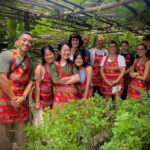
I also like that the class is designed to be fun and social. The cooking farm setup plus the chef energy turns the day into more than a checklist of dishes. Even if you’re a nervous beginner, you’re still expected to cook—so you leave with confidence, not just photos.
You can also read our reviews of more cooking classes in Chiang Mai

What you’ll cook: five menus and a five-course meal plan
One of the big attractions is menu choice. You can pick from five different and varied menus, which means you’re not stuck with one fixed lineup for every group. If you’re more into curries, stir-fries, or something lighter, you have options.
A strong pattern from the class experience is that you’ll work through five courses as part of the meal plan. Practically, that’s what makes the class feel like a real dinner you prepared, not a short demo. You get enough variety to learn techniques that transfer to other Thai recipes, like balancing sweet, sour, salty, and spicy, and adjusting seasoning as you go.
At your station, you’ll be guided through each dish step by step. The goal is to help you understand the method behind the taste. When you cook the same flavors again at home, you’ll know what to focus on instead of trying to recreate a restaurant dish word-for-word.
The hands-on format: your own station, your own pacing
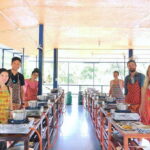
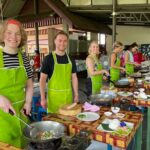
This is not a sit-and-watch workshop. Each person commands their own cooking station, and everything is set up so you can actively cook along. That matters for value. You’re paying for a learning experience that turns into a meal you made with your own hands.
You’ll also learn faster because you can ask questions in the moment. If you’re unsure about chopping, frying, mixing, or tasting, the chef instructors can guide you while you’re doing it, not after the fact. This is especially helpful if you’re new to Thai cooking techniques like stir-frying quickly or balancing a sauce before it hits the heat.
A practical note: since it’s hands-on, you’ll likely get your hands busy—so plan to dress for cooking. Wear something comfortable that you don’t mind getting food smells on, because you’ll be working with real ingredients and cooking processes.
Walking the market: ingredients, timing, and flavor clues
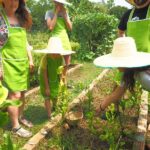
The market stop is where the class makes its biggest promise—Thai food tastes different for a reason. You’ll be introduced to essential ingredients and how they’re used, and you’ll learn why freshness and timing matter. That’s the difference between bland and bright, flat and layered.
Even if you don’t recognize every ingredient at first, the teacher’s explanations help you connect the dots. For example, you’re not only learning what goes into a dish, but also why it belongs there. That’s useful for you later when you buy ingredients at home and wonder what to do with them besides follow a single recipe.
This portion also sets expectations for the kitchen. When you arrive back at the cooking area, you’ll already have mental “handles” for what each dish needs. It makes the rest of the class feel less like memorization and more like understanding.
Teachers who keep it light while you learn
You’ll work with two chefs/instructors who keep the energy moving. What stands out in the way people describe the teaching is not just that the instructors are engaging, but that they make the cooking process feel doable. The class is hands-on, and that can be intimidating if the teaching tone is too strict. Here, it’s built to keep you relaxed and focused.
The instructors also help you develop the confidence to recreate what you cook at home. That doesn’t mean you’ll copy a Thai restaurant perfectly. It means you’ll know how to think like a cook: taste, adjust, and understand timing.
If you enjoy learning through doing—chopping, stirring, tasting—this style fits you. If you hate mess and hate standing for long stretches, you might find parts of the day tiring. But overall, the pacing is designed so you’re never stuck waiting around with nothing to do.
You can also read our reviews of more tours and experiences in Chiang Mai


Location, timing, and how the day runs
The course meets at The Rice Barn Thai Cooking Farm Chiangmai, at 3 100 Tambon San Phi Suea, อ.เมือง Chang Wat Chiang Mai 50300, Thailand. The experience ends back at the meeting point, so you’re not scrambling to get yourself somewhere new afterward.
You can choose a morning or evening course. The duration is about 6 hours, so plan it as a true half-day block. If you’re trying to fit it around temple visits or a night market, I’d treat it like the anchor event of the day. You’ll have enough time to return with a full meal experience and still keep your sightseeing plan intact.
Pickup is offered, and the included transport is by air-conditioned vehicle. That’s a practical comfort in Chiang Mai, especially if your day includes heat or humidity. The class also caps group size at 20, which usually helps you feel less lost and more supported.
Price and what you’re really getting for $29.35
At about $29.35 per person, this sits in the “good deal” category for Chiang Mai cooking classes—especially because so much is included. Your fee covers coffee and/or tea, food and materials, and an air-conditioned vehicle. You’re also getting a market introduction plus the full hands-on cooking time.
The most important part of the value isn’t the headline price—it’s the fact that you cook. Many classes at similar prices give you a station or two to work on. Here, each person has their own station and the course is structured around making multiple dishes through a menu.
Two small cost realities:
- Alcoholic beverages are not included. You can buy them at the cooking school if you want.
- Plan to bring some Thai baht cash for a few extra items. One clear tip from people doing this class is to keep baht on hand for small extras.
If you budget thoughtfully and pick a menu you genuinely want to eat, the price feels fair. If your goal is purely to learn a few basic recipes with minimal interaction, you might feel it’s more than you needed. But if you want a full cooking-and-eating experience, it’s strong value.
What’s included (and how to budget for anything extra)
Here’s what your booking covers:
- Coffee and/or tea
- Food and materials
- Air-conditioned vehicle (pickup offered)
- Hands-on cooking instruction through the course
What’s not included:
- Alcoholic beverages (you can buy at the cooking school)
Then there are practical “maybe” costs. The class info doesn’t promise a long list of add-ons, but the recommendation to carry cash in baht suggests there can be optional purchases during the session. If you want to play it safe, bring a modest amount.
A realistic expectation for skill level and learning style
The class is friendly for beginners. You don’t need prior cooking experience to participate. The format is structured around guidance at the station, and the chefs walk you through how to build flavor for each dish.
Where this becomes really useful is when you go home. You won’t just have a list of ingredients. You’ll have muscle memory for techniques, plus a clearer sense of flavor balance. That’s what helps you recreate Thai dishes without chasing exact restaurant results.
Also, because the class includes a market stop, you’ll know how to talk about ingredients and how to shop more intentionally later. In practical terms: you’re learning to buy like a Thai cook, not just a tourist.
Who this cooking farm class is best for
This is a strong match if you:
- Want a hands-on Chiang Mai cooking class rather than a demo
- Enjoy learning through eating and want a full five-course meal
- Are a beginner and want a supportive teaching style
- Like a structured day with hotel pickup and an easy return to the starting point
- Prefer smaller groups (it’s capped at 20)
It may not be ideal if you:
- Hate being hands-on or don’t want to stand for long stretches
- Want a class that’s ultra-customized to your exact dietary rules (menu choice exists, but you’re still cooking within the set plan)
Bringing Thai flavors home: your takeaway checklist
What you should take seriously is not the individual dish name—it’s the cooking logic behind it. When you cook again at home, keep these in mind:
- Freshness and timing change the entire flavor of Thai food
- Taste as you go, not only at the end
- Use the ingredient set you learned (not a random substitute if you can avoid it)
- Focus on balancing the core flavor pillars—sweet, sour, salty, and heat
If you do that, your homemade version will feel more Thai and less like a guess. Even when Thai brands and local ingredients differ, the method helps bridge the gap.
Should you book The Rice Barn Thai Cooking Farm Chiangmai?
I’d book it if you want a real cooking-and-eating experience in Chiang Mai, with market context and a hands-on setup that actually teaches you. The overall rating is also hard to ignore: it averages 5/5 with 603 reviews, and 100% recommendation is a strong sign the experience is consistent.
I’d also say go for it if you care about value. For around $29.35, you get food, materials, transport, market learning, and multiple dishes through a full session. That’s the kind of “worth it” tourism that doesn’t feel like a souvenir stop in disguise.
If you hate cooking mess or you’re only chasing a quick activity, then this might be more interactive than you want. But for most people who truly want to learn Thai food, it’s a solid choice.
FAQ
How long is the Thai cooking course at The Rice Barn?
The cooking class lasts about 6 hours.
Where does the experience start and end?
It starts at The Rice Barn Thai Cooking Farm Chiangmai, and it ends back at the meeting point.
Do they pick you up from your hotel?
Pickup is offered, and an air-conditioned vehicle is included.
Is the class hands-on?
Yes. It’s completely hands-on, and each person works at their own cooking station.
Do I need any cooking experience?
No cooking experience is needed. The course is set up so you can follow along and learn as you cook.
What’s included in the price?
Coffee and/or tea, food and materials, and an air-conditioned vehicle are included.
Are alcoholic beverages included?
No. Alcoholic beverages are not included, but you can buy them at the cooking school.
Can I choose what dishes we cook?
Yes. You can choose from five different and varied menus.
Is there a group size limit?
Yes. The maximum group size is 20 travelers.
Should I bring cash?
It’s a good idea to bring Thai baht in cash for a few extra things, even though the core items are included.