REVIEW · CHIANG MAI
2 Days Hiking Tour in Chiang Mai
Book on Viator →Operated by TEE WATERTOWN · Bookable on Viator
Jungle trails and Karen bamboo at night. This two-day Chiang Mai hike mixes waterfall walking, garden snack stops, and a night in a Karen hill-tribe village—plus the chance to learn what’s growing all around you. I especially like how the route breaks up the walking with real moments of payoff: a jungle lunch at Mae Saphok Waterfall and time to talk with village families when you arrive.
One thing to weigh first: this is a hike that asks for moderate fitness, and the overnight setup is simple—think bamboo accommodation and a village life without electricity.
In This Review
- Key things that make this hike worth your time
- Day 1 starts with a market errand and quick jungle momentum
- Mae Saphok Waterfall: lunch, cooling off, and the real reason to go
- Banana garden views and free snacks you didn’t expect
- Arriving in Karen country: village visit hours that actually feel human
- Overnight in a bamboo house: simple comfort and a real change of pace
- Day 2 breakfast: soft-boiled rice and the morning you didn’t plan
- Karen village without electricity and the contrast that hits fast
- The jungle waterfall and beach: a swim break in the middle of hiking
- Guides Dali and Fern: plant knowledge, foraging, and good humor
- Price and value: what $130.21 really buys you
- How hard is it, and what should you bring
- Should you book this Chiang Mai Karen jungle overnight hike?
- FAQ
- How long is the hiking tour?
- Is hotel pickup included?
- What price should I expect to pay?
- What physical condition do I need?
- Is there an overnight stay in the Karen village?
- Will I eat local food during the trip?
- Can I swim during the hike?
- What is the cancellation policy?
Key things that make this hike worth your time
- Karen hill-tribe village time with guide-led explanations and free time to wander
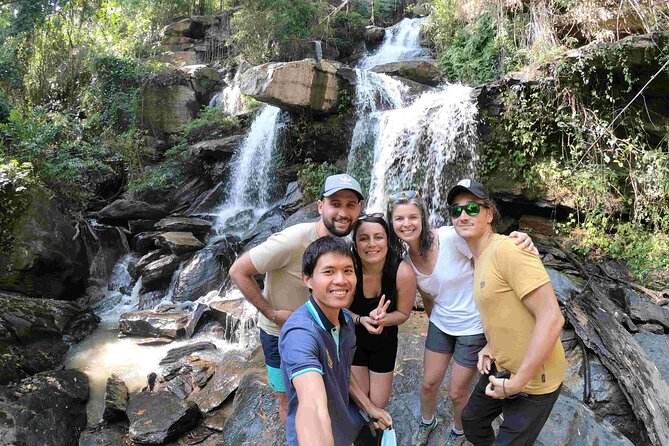
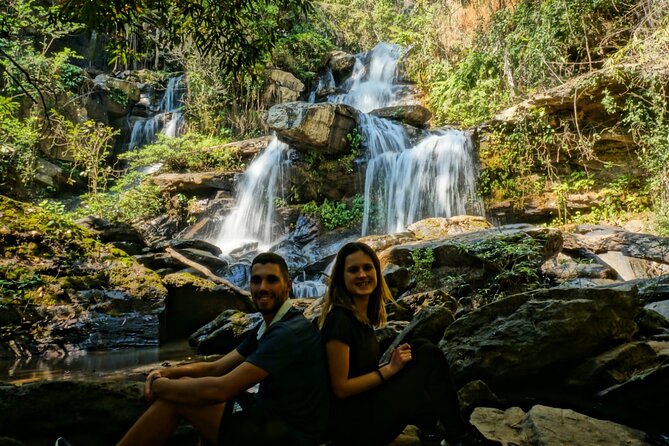
- Mae Saphok Waterfall stop where you hike in, cool off, and eat lunch
- Banana garden stop where you can grab a snack from the tree if it’s ripe
- A jungle waterfall you only reach by walking (the kind you won’t see on a map)
- Jungle beach swimming on day 2 at Huai Chakka Khrai
- Guides who teach plant knowledge, including Dali and Fern from the mountain
Day 1 starts with a market errand and quick jungle momentum
The day begins with hotel pickup, then a short drive into Chiang Mai to reach a local market. You get a brief 20 minutes there to buy whatever you want for the hike. That small window matters: it helps you top up snacks or drinks before the real walking starts, without turning the day into a shopping trip.
After the market, you’re back on the road for about another 45 minutes. This pacing is useful. You’re not immediately thrown onto a long trail with no prep—there’s time to organize yourself and get mentally into hiking mode.
Then you ease into the jungle with the day’s first big highlight: Mae Saphok Waterfall.
You can also read our reviews of more hiking tours in Chiang Mai

Mae Saphok Waterfall: lunch, cooling off, and the real reason to go
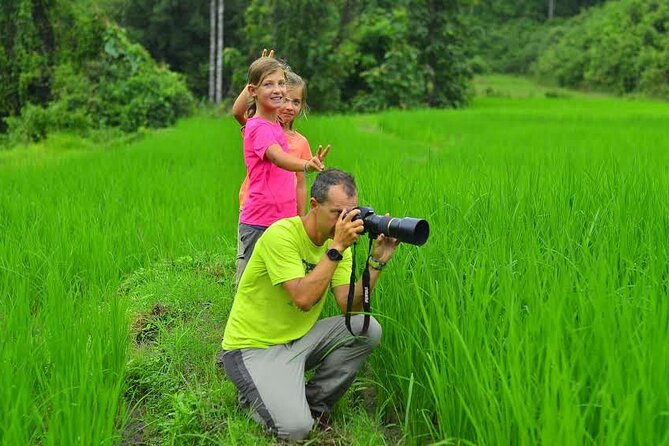
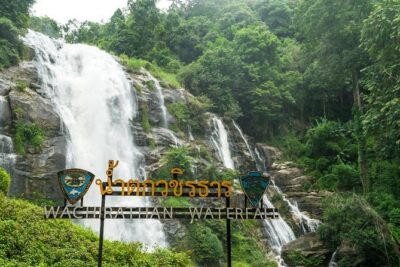
The hike into the jungle leads you to Mae Saphok Waterfall, and that’s where your lunch happens. It’s not just a photo stop. You spend about an hour there, enough time to refresh yourself, eat, and reset before continuing.
The practical win is simple: water + shade + a break from heat. Even if you’re an experienced hiker, that combination keeps the second half of the day from turning into pure suffering.
One note: waterfalls in the jungle can be slippery. Wear shoes with real grip and keep an eye on footing near the edges and wet rocks.
Banana garden views and free snacks you didn’t expect
After the waterfall, the route shifts to a lighter-feeling stop: a banana garden. You can eat bananas for free from the trees, and the people there are described as friendly.
This part sounds almost too simple, but I like it for two reasons. First, it gives your legs a breather without fully pausing the day. Second, it’s an easy way to slow down and notice how daily life and farming sit right alongside the trails.
The stop also includes viewpoints along the way. So you get both a snack break and a scenery break before reaching the village.
Arriving in Karen country: village visit hours that actually feel human
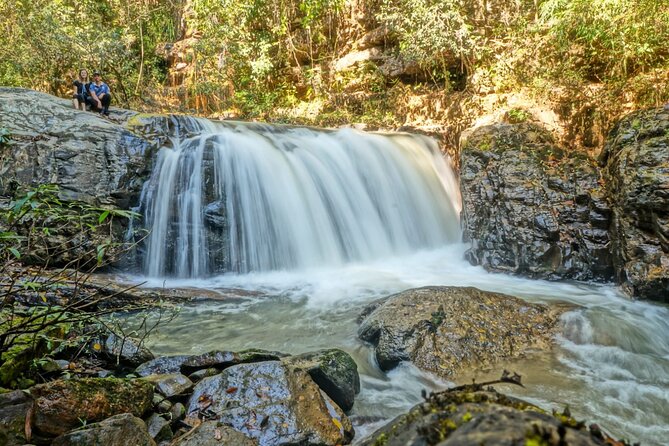
You reach the Karen hill-tribe village late afternoon, around 2:30 to 3:30 pm. That timing is smart. It’s late enough that you’ll be tired in a good way from walking, but early enough that you can still do things on arrival.
Your guide gives context about Karen life—how people live and what daily routines look like. Then you get free time to visit the village on your own.
I like that this isn’t just a staged cultural stop. You’re given room to look, ask questions if you want, and experience the slower rhythm that comes with village time. Just remember: you’re a visitor, and your best tool is respectful curiosity.
Overnight in a bamboo house: simple comfort and a real change of pace

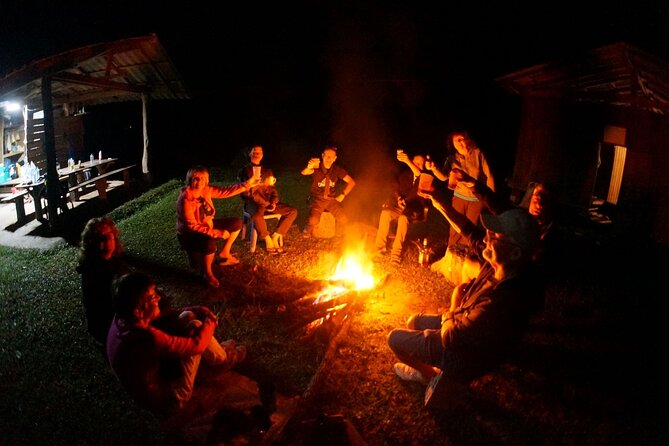
Night one is spent in the Karen village in a bamboo house, with a simple bed setup. Everything is local, and that’s the point. This is not the kind of overnight stay where you’ll expect modern conveniences.
The biggest consideration is electricity—or rather, the limited/no-electricity reality you’ll encounter in the Karen village day. So charge nothing at the last minute and don’t plan on evening scrolling as your default activity. Bring a flashlight if you have one, and keep your expectations aligned with basic village living.
The upside is equally real: when everything slows down, the surroundings feel louder. You hear more. You see more. And the whole trip stops being a checklist and becomes a lived experience.
You can also read our reviews of more tours and experiences in Chiang Mai



Day 2 breakfast: soft-boiled rice and the morning you didn’t plan
Day 2 starts with local breakfast: soft-boiled rice and some fruits. It’s a small meal, but it’s timed well for hiking—enough fuel without making you heavy.
If you’re picky about breakfast, this is your nudge to try the local standard. The tour clearly frames this as part of the experience, not an optional add-on.
After breakfast, you head out again.
Karen village without electricity and the contrast that hits fast
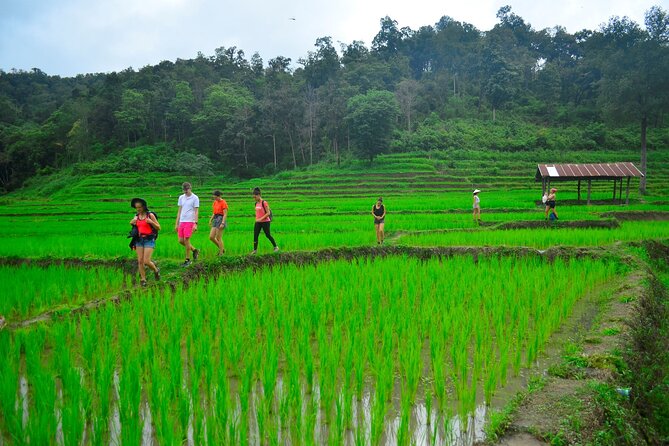
About one hour of walking gets you to another Karen village area, described as no electricity. Your guide explains daily life again, focusing on how it differs from what you’re used to.
This second village stop is powerful because it changes the tone of the trip. Day 1 is about arriving and learning. Day 2 makes you compare—how people adapt to their environment, how routines work without the conveniences many visitors rely on, and how community life fills the gaps.
You only need a few minutes here to realize it’s not about being dramatic. It’s just daily reality.
The jungle waterfall and beach: a swim break in the middle of hiking
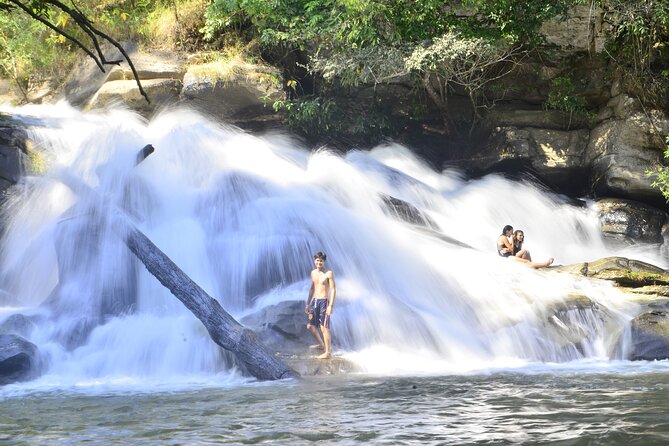
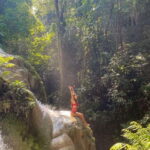
After the village, the trail continues until you reach a waterfall and a beach within the jungle. You can swim there. It’s the kind of stop that transforms the day from steady effort into a reward you can feel.
The sequence matters, too. You hike to the water, you cool off, and then you keep moving. That rhythm helps you avoid the usual “I’m tired now, so I’ll just quit” feeling.
Then it’s back to walking toward the car park, with about 30 minutes on the trail after the swim. Overall, day 2 includes 4–5 hours within the jungle, so it’s not a short stroll day.
Finally, there’s a beach stop at Huai Chakka Khrai described as the last attraction. You can swim or refresh yourself there too. In practice, this means you likely get at least one solid opportunity to enjoy the water—and possibly a second chance if conditions allow.
Guides Dali and Fern: plant knowledge, foraging, and good humor
One of the most praised parts of this trip is how the guides bring the trail to life. Two guides are mentioned by name: Dali and Fern. They’re described as jolly and also very good at teaching.
You’ll learn about the usage of plants you see along the road. The best example from the trip context is that the guides talk about foraging mushrooms and herbs for dinner. Even if you don’t plan to taste everything the same way, it’s a strong reminder that “the jungle” isn’t just scenery—it’s food, medicine, and materials for locals.
The practical takeaway for you: when your guide points something out, slow down and listen. Their plant knowledge can make the hike feel like a class taught by someone standing right in front of you, not a lecture from a distance.
If you’re curious, ask questions. If you’re not, just enjoy the flow—good guides keep the pace moving without rushing the experience.
Price and value: what $130.21 really buys you
At $130.21 per person for roughly two days, this sits in the mid-range for a Chiang Mai overnight adventure. What makes it feel fair is that you’re paying for more than a trail.
You’re also getting:
- hotel pickup and round-trip drives
- guide support across both days
- waterfall and jungle stops that structure the full route
- an overnight stay in a bamboo-house village setup
- local breakfast on day 2
A lot of trekking packages can get expensive for far less. Here, a big portion of the value is the night in the village and the guided learning. That’s hard to replicate on your own unless you already have contacts and local logistics.
One thing to consider: lunch timing and any personal purchases may not be fully covered. The market stop tells you you’ll likely want some cash or a backup plan for snacks. Bring a little buffer so you’re not stuck deciding on the spot.
Also, the tour can include up to 50 people. That group size isn’t tiny, so your best strategy is to be engaged and ask questions at the moments your guide is focused on your group. You’ll still get the experience, just don’t expect one-on-one tutoring the entire time.
How hard is it, and what should you bring
The tour asks for moderate physical fitness. That’s a fair label: you’ll hike for multiple hours, including day 2’s 4–5 hours in the jungle. Expect uneven paths and heat/humidity.
What helps most:
- Good grip shoes for wet jungle terrain
- A light rain layer just in case (weather can change fast)
- Water between stops, plus small snacks if you’re picky
- Sun protection for the walking stretches
- A light layer for the morning and for getting out of wet areas
For the overnight, pack for simple conditions. Keep your essentials organized because you’ll be living with limited space and basic arrangements.
If you’re the kind of person who hates bugs, bring your own comfort solutions. The tour data doesn’t mention bug protection, but jungle hikes in northern Thailand are rarely bug-free.
Should you book this Chiang Mai Karen jungle overnight hike?
I’d book this if you want a real change of pace from temple days and city wandering. The combination of waterfall walking, a Karen village night, and day-2 swimming in the jungle makes it feel like a full experience instead of a quick photo outing.
I would skip it if you need electricity at night, want a hotel-style overnight, or you know you’re likely to struggle with multi-hour hikes. Also think twice if you have limited tolerance for simple food options—breakfast is local, and the day is built around jungle timing.
If you’re flexible, respectful, and ready to walk, this trip offers a rare mix: nature time plus village time in the same package.
FAQ
How long is the hiking tour?
It runs for about 2 days, including 1 night.
Is hotel pickup included?
Yes, pickup from your hotel is offered.
What price should I expect to pay?
The price is $130.21 per person.
What physical condition do I need?
The tour is listed as suitable for travelers with moderate physical fitness.
Is there an overnight stay in the Karen village?
Yes. You overnight in a bamboo house in the Karen hill-tribe village.
Will I eat local food during the trip?
Yes. Day 2 includes a local breakfast made with soft-boiled rice and fruit. You also stop at a waterfall where you can have lunch.
Can I swim during the hike?
Yes. On day 2, you reach a beach in the jungle where you can swim, and you also visit a beach at Huai Chakka Khrai where you can refresh yourself.
What is the cancellation policy?
You can cancel up to 24 hours in advance for a full refund. Changes within 24 hours of the start time aren’t accepted, and cancellation less than 24 hours before won’t be refunded.