REVIEW · CHIANG MAI
Chiang Mai: Exploration of Old City by Private Tuk-Tuk
Book on GetYourGuide →Operated by Oh-Hoo · Bookable on GetYourGuide
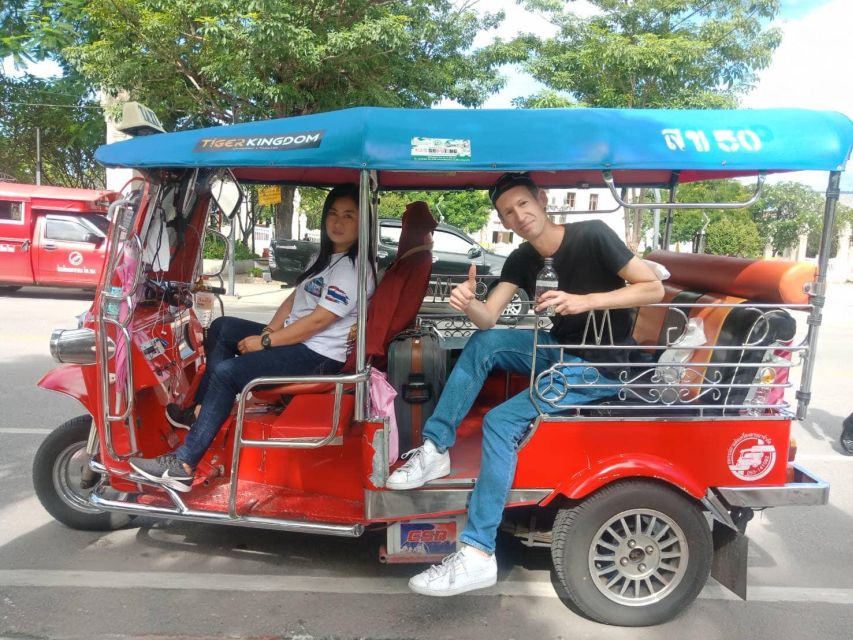
Hot temples are easier by tuk-tuk. This private half-day ride is a smart way to see Chiang Mai’s Old City without wrestling with narrow lanes and long walks, and the open-air vehicle helps on hot days. I also like how you get a tight loop of major sights plus market time, so you’re not just doing temples—you’re living the day-to-day Chiang Mai vibe.
Private tuk-tuk logistics plus Old City landmarks in one shot is the core win here. My second favorite part is the stop lineup: Wat Sri Suphan (Silver Temple) and Wat Chedi Luang give you that classic northern Thai feel fast, with silversmith craft and big, story-heavy temple scale. One thing to think about: an English-speaking guide isn’t included, so how much you learn depends on your driver’s English and willingness to explain.
- Open-air comfort on a short schedule: It’s a 4-hour loop, and the tuk-tuk makes moving between temple doors less tiring in the heat.
- Silver Temple craft stop: Wat Sri Suphan is known for silversmiths working traditional techniques while you visit.
- Chedi Luang’s big backstory: Wat Chedi Luang connects to the famed Emerald Buddha story, adding meaning to what you see.
- Multiple classics, minimal hassle: You hit Tha Phae Gate, the Three Kings Monument, and top temples, then end at markets.
- Markets finish the day the practical way: Muang Mai Market and Warorot Market turn your last hour into browsing and snacks-before-you-go energy.
In This Review
- Why a private tuk-tuk beats hopping around on your own
- Price and value: what $50 buys (and what it doesn’t)
- Pickup reality: where you’ll start, how the 4 hours flow
- Wat Sri Suphan: the Silver Temple stop that’s more than decoration
- Wat Chedi Luang: why the Emerald Buddha story sticks
- Wat Phra Singh Woramahawihan and the Three Kings Monument
- Tha Phae Gate: a place that feels like a time machine
- Muang Mai Market and Warorot Market: shopping with an honest plan
- Your driver matters: English, pacing, and how to get more from the ride
- Entrance fees and temple etiquette you should follow
- Who should book this tuk-tuk loop (and who should skip it)
- Should you book this Chiang Mai Old City private tuk-tuk tour?
- FAQ
- How long is the Chiang Mai Old City exploration by private tuk-tuk?
- What’s included in the price?
- Are temple entrance fees included?
- Do I get an English-speaking guide?
- Where does pickup happen?
- What should I wear for the temple stops?
- Is this tour suitable for people with mobility impairments?
Why a private tuk-tuk beats hopping around on your own
In Chiang Mai’s Old City, getting from one “must-see” to the next can feel like a puzzle. Streets are narrow, traffic can be stop-and-go, and temple locations don’t always line up neatly with how you plan your day. A private tuk-tuk solves that. You’re not spending your energy on routing—you’re spending it on looking up at roofs, reading temple details, and deciding where you want to slow down.
You also get a nice trade-off in comfort. Even with the wind, Chiang Mai can cook, especially midday. The tuk-tuk’s open sides help you breathe through the heat while you’re moving between stops. And since your pickup and drop-off are handled within the old-city radius (within 5 km), you’re less likely to lose time figuring out “Where do we meet?” or “How do I get back?”
Finally, this is built for efficiency without turning into a sprint. You get multiple stops, but each one is short enough to fit a 4-hour half-day format. That matters if you’re also doing night markets, a cooking class, or a day trip later.
Price and value: what $50 buys (and what it doesn’t)
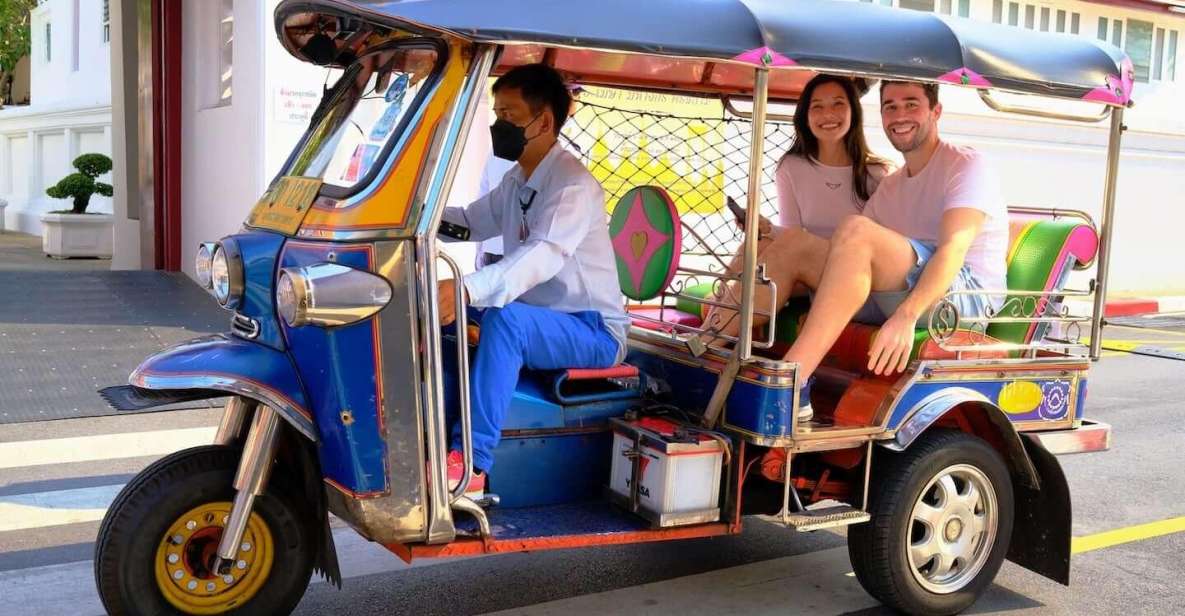
This tour is priced at $50 per group up to 2 people. For a private tuk-tuk, that can be good value if you’re comparing it to paying for separate transport and then also paying for the time cost of getting around.
Here’s the real value math:
- You’re paying for private transport + half-day routing through the Old City.
- Hotel pickup/drop-off within 5 km reduces hassle.
- You also have travel accident insurance included.
The cost you still need to plan for:
- Entrance fees are not included (listed as 90 THB).
- An English-speaking guide isn’t included. Your driver may explain things, but don’t treat the stops like a full scripted guided tour.
That’s why I’d call this a great “get your bearings fast” option. If you’re the type who loves temple architecture and photos and you’re okay exploring on your own inside each site, this works well. If you’re looking for a deep, fluent English lecture at every door, you may feel shortchanged.
You can also read our reviews of more city tours in Chiang Mai
Pickup reality: where you’ll start, how the 4 hours flow
You’ll start at your hotel in Chiang Mai’s old town area (within 5 km). The operator confirms your exact pickup time by email, and you’ll want to be in the lobby at least 10 minutes early. If you’re late, the tour can move on—this is a tight loop.
What the “4 hours” feels like:
- Expect short, focused temple/monument visits.
- You’ll spend enough time at each stop to walk, look around, and take photos.
- You’ll end at markets for browsing and a practical way to wrap up your day.
One more practical note: a tuk-tuk isn’t built for wheelchairs or mobility aids, and this activity is listed as not suitable for people with mobility impairments. If that’s your situation, plan for a different type of private transport.
Wat Sri Suphan: the Silver Temple stop that’s more than decoration
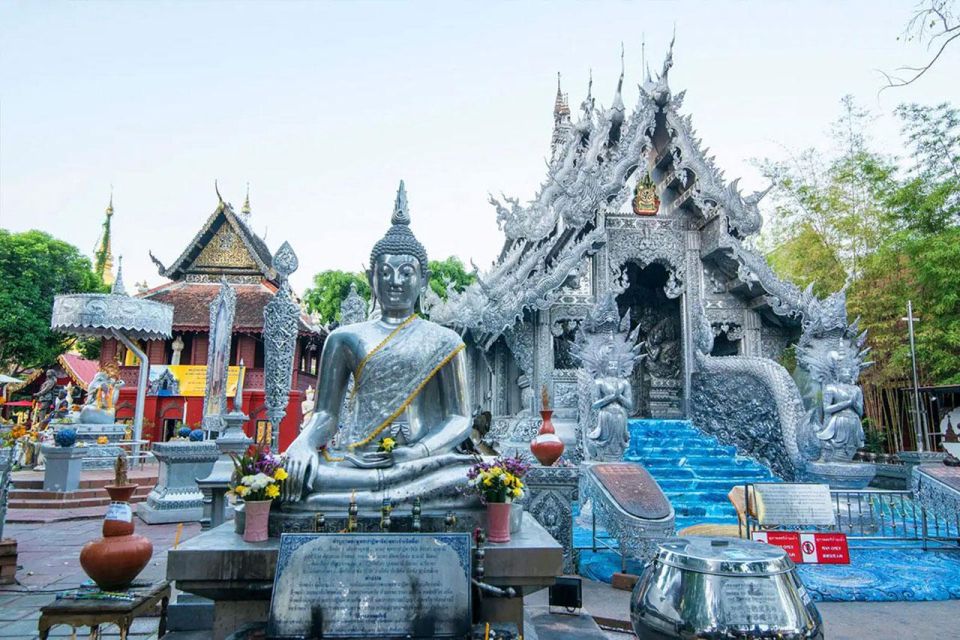
Wat Sri Suphan is famous as the Silver Temple, and that reputation isn’t just about shiny details. When you arrive, look for the craft focus—this temple is tied to silversmiths practicing traditional techniques. That changes how you experience the site. Instead of treating it as a photo stop, you can spend a little time watching how skill and tradition live side-by-side.
In a short visit window (about 20 minutes), I’d do this:
- Walk the key viewpoints first, so you’re not rushing later.
- Spend a minute or two looking at craftsmanship details rather than trying to photograph everything.
- If your driver speaks clear English, ask one simple question like what makes the silver work important here. It often turns a quick stop into something memorable.
Dress code matters here. Plan to cover your shoulders and legs before you go in. It’ll save you from awkward last-minute scarf shopping and make entry smoother.
Wat Chedi Luang: why the Emerald Buddha story sticks
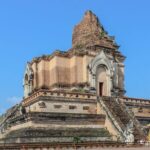
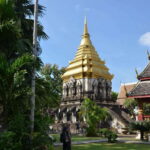
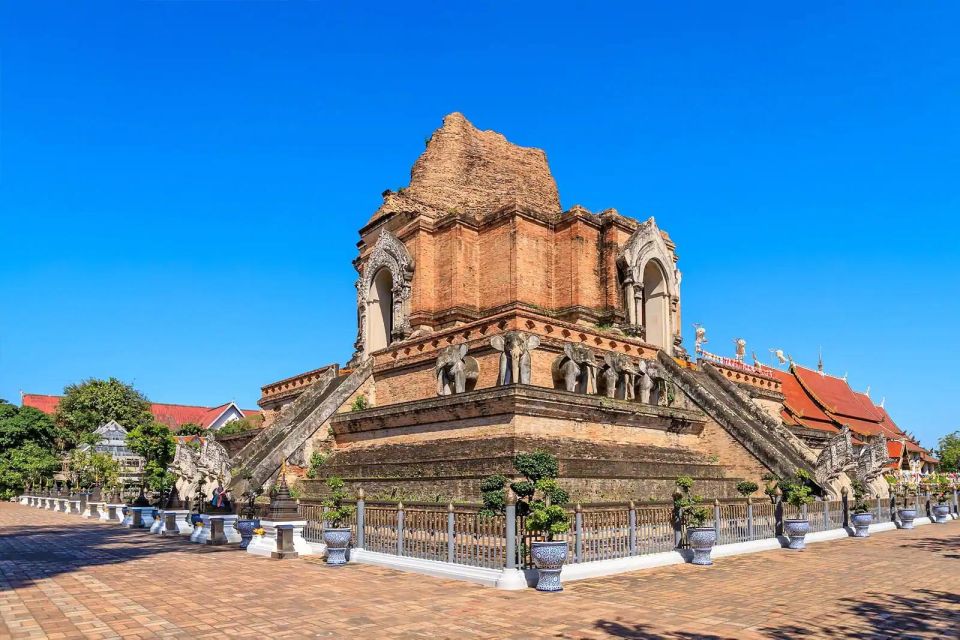
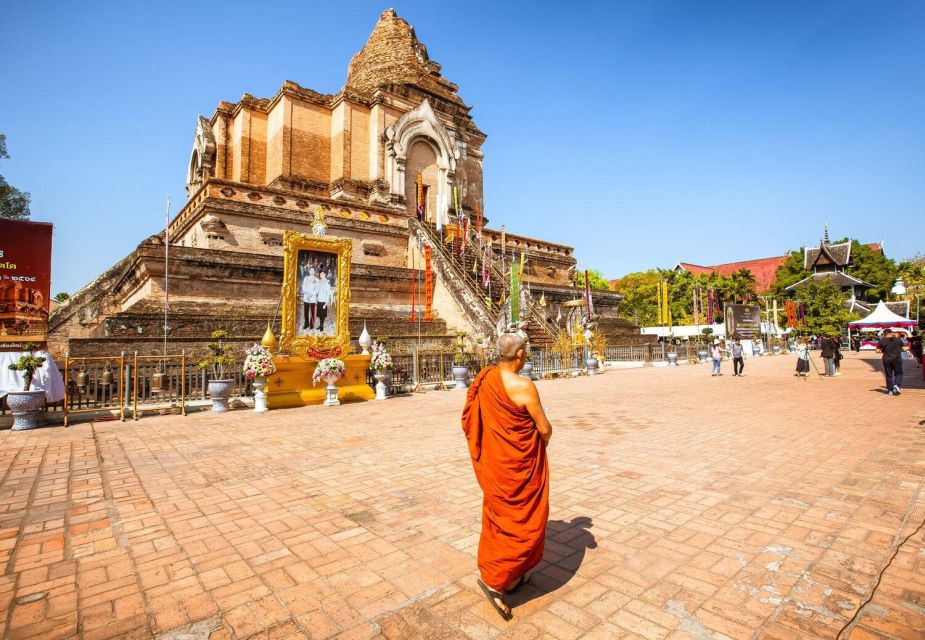
Next up is Wat Chedi Luang, a major landmark with serious presence. This is one of those places where the scale does part of the storytelling. The big structure helps you understand why this area mattered for centuries.
The standout connection here is the story that it once housed the renowned Emerald Buddha. Even if you know the Emerald Buddha from Bangkok, the Chiang Mai link makes the northern temple scene feel linked to the broader Thai cultural map rather than isolated “local sights.”
Timing is tight but fair. With about 20 minutes, you can:
- Do a quick exterior orientation first (notice angles, layout, and the overall shape).
- Then spend your second pass on smaller details around the main area.
If you’re visiting in a hot time window, plan your photos strategically. Take the wide shots early, then slow down for detail after you’ve shaded a bit. You’ll enjoy it more.
Wat Phra Singh Woramahawihan and the Three Kings Monument
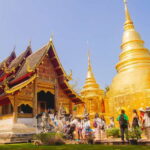
Wat Phra Singh Woramahawihan is known for its intricate temple design, often described in terms of Lanna style elements. In a half-day format, this is your “beauty and detail” stop—think patterns, textures, and temple features that reward looking longer than a quick glance.
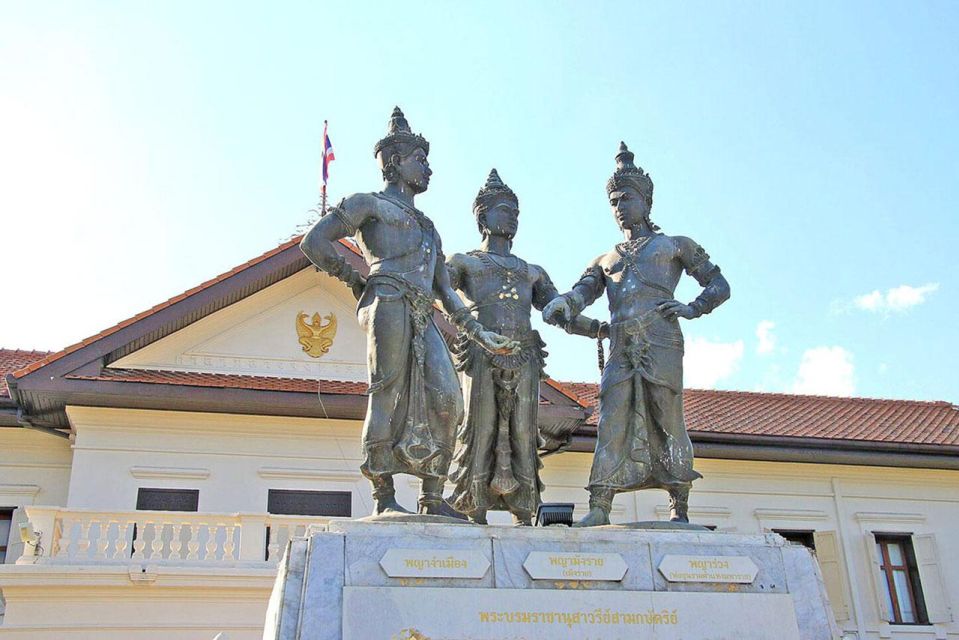
Then you move to the Three Kings Monument. This isn’t a temple interior; it’s a landmark where the vibe shifts from sacred spaces to city identity. The monument gives you a clean, central reference point for understanding how modern Chiang Mai still frames its identity around rulers and era-making figures.
A useful strategy: if your tuk-tuk driver offers explanations, ask about the connection between these kings-era ideas and the temples you just saw. Drivers vary—some share a bit of history clearly, and some English is harder to follow. Either way, you’ll at least learn one key takeaway that makes the next stop click.
You can also read our reviews of more private tours in Chiang Mai





Tha Phae Gate: a place that feels like a time machine
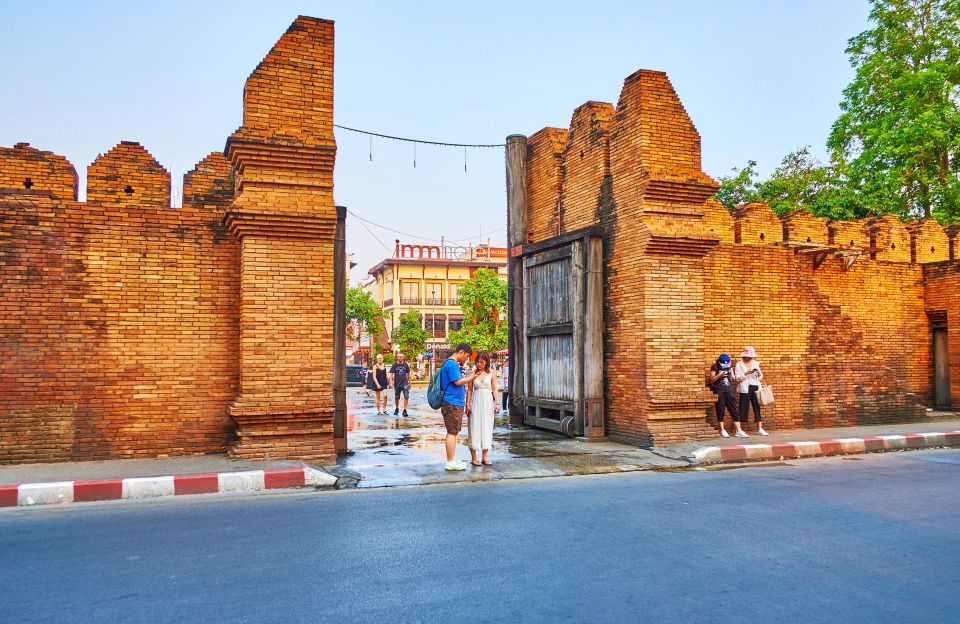
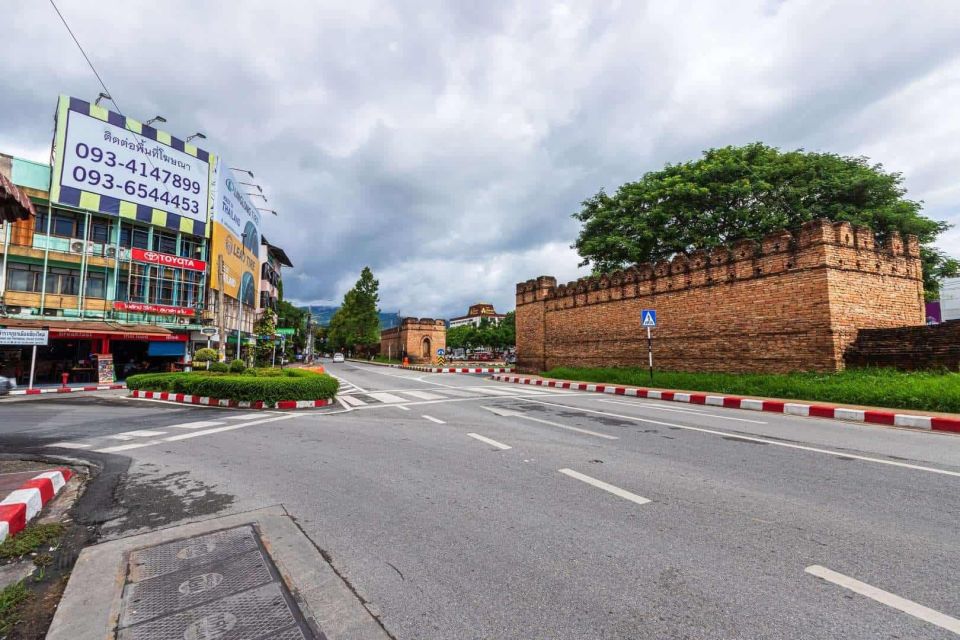
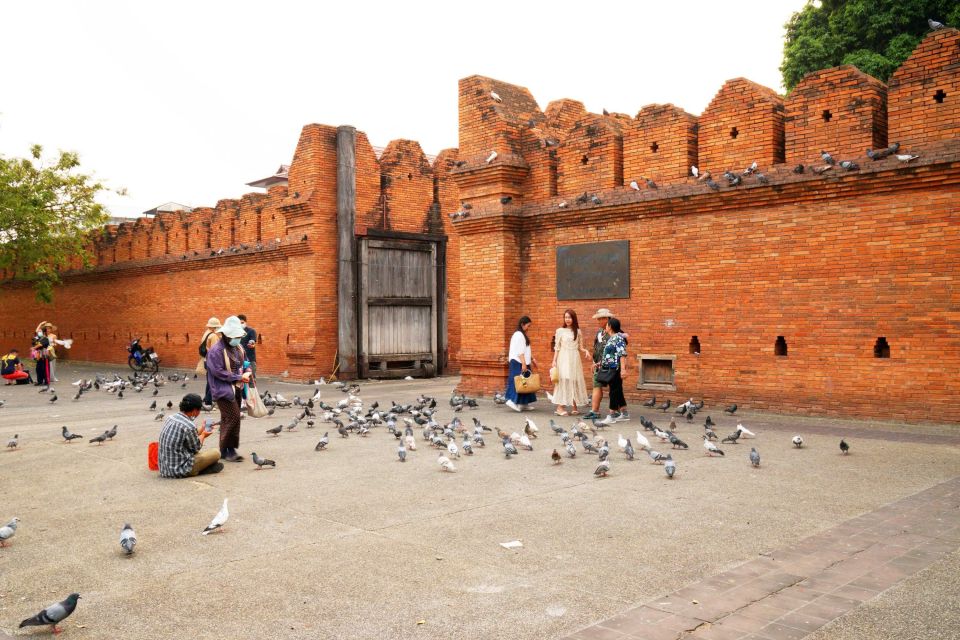
Tha Phae Gate is one of the Old City’s iconic entry points. In many itineraries you hear it described as a gate tied to older defenses, and on this route it functions like a visual reset: you go from temple detail back to the sense of city walls, entrances, and movement.
This is also a good spot for photos because the gate helps you frame the city layout. You can stand, look around, and feel how the Old City is designed to funnel people through recognizable points.
Practical tip: if you’re trying to keep your afternoon unhurried, don’t spend your entire 20 minutes only snapping. Take 2 minutes to just observe traffic, life, and the flow of people. It makes the Old City feel real instead of like a theme park of temples.
Muang Mai Market and Warorot Market: shopping with an honest plan
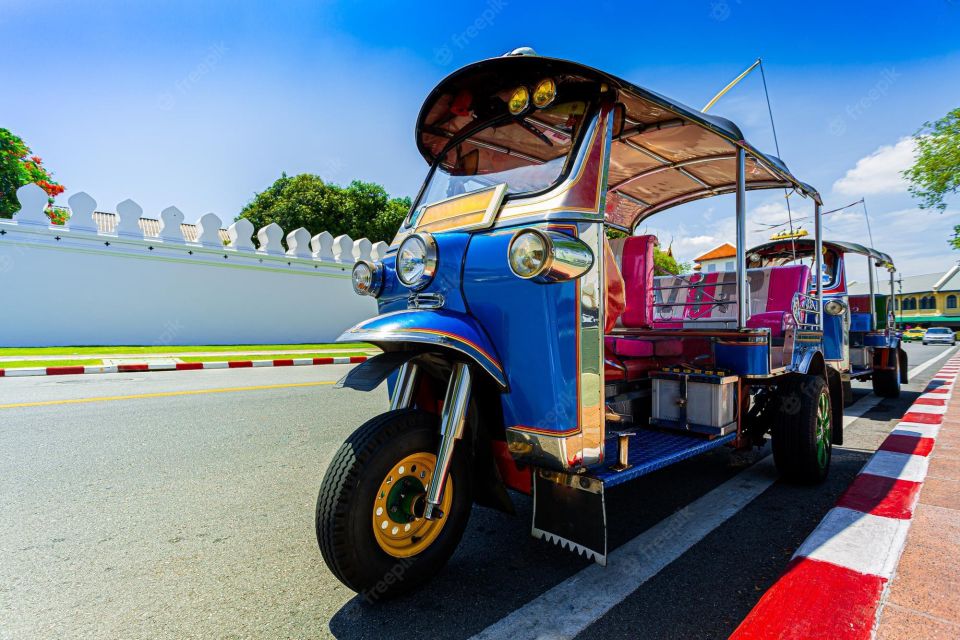
At the end, you’ll hit Muang Mai Market and Warorot Market (each a short visit block, about 20 minutes). This is where the tour earns its keep beyond sightseeing. You get a chance to browse local goods, scan for souvenirs, and eat something you actually want instead of guessing later.
What to do with only about 20 minutes:
- Decide upfront what category you want: snacks, fruit, small gifts, or temple-related items.
- Give yourself a strict “first look” phase (5 minutes), then only buy after you compare 2-3 stalls.
Also, markets can turn into a sensory overload quick. If you’re shopping for gifts, it helps to set a budget before you start browsing. One driver may point you toward specific shops, and you might feel gentle pressure to buy higher-end items—so it’s on you to keep control of your priorities.
Your driver matters: English, pacing, and how to get more from the ride
This is a private group with a driver, not a guaranteed fully English-led guide. That’s the biggest “how it lands” variable.
Some drivers are praised for being kind, patient, and willing to explain what you’re looking at. Names that have come up include Mr D, Son, Allan, Oy, Py, Padada, Alan, and Paphada. What you should take from that isn’t the names—it’s the pattern: you’ll have a better experience if you treat your driver like part of the tour.
How to make that work in real life:
- At the first stop, ask: What’s the one thing I should notice at each temple?
- If English is limited, switch to simple questions (architecture? main hall? why this temple is known?)
- If the pace feels too fast, ask for a quick extra minute before you move on.
One more consideration from actual site behavior: some temple rules can restrict what you can enter based on gender. If that applies to you, you may be limited to viewing certain areas from outside during the visit. This isn’t something you can fix with better planning, but knowing it ahead of time helps you set expectations.
Entrance fees and temple etiquette you should follow
Entrance fees are not included, and they’re listed as 90 THB. Since you have multiple temple stops, that fee matters enough to remember, especially if you’re budgeting tightly.
Also take the dress code seriously:
- Cover shoulders and legs when entering temple areas.
You don’t need to overthink it—just bring a light layer you can move quickly in and out of. It’ll make entry less stressful and help you avoid being turned away or needing to adjust at the last second.
Who should book this tuk-tuk loop (and who should skip it)
You should book if:
- You want private transport through the Old City without negotiating with taxis.
- You want the core highlights: Silver Temple, Chedi Luang, Phra Singh, Three Kings, Tha Phae Gate, and both market areas.
- You like doing quick, focused walking at each stop and moving on before the day gets too hot or your energy drops.
You might want to skip it if:
- You need a fully English-speaking guide to explain every detail.
- You use mobility aids or need step-free access (the tour is listed as not suitable for mobility impairments).
- You want a long, slow, in-depth temple experience. This one is designed for a half-day loop, not a daylong museum-style study.
If you’re traveling with kids, the tuk-tuk capacity note matters too. The tour allows two adults/people per tuk-tuk, and depending on size you can sometimes fit a third person under about age 12. If you’re trying to fit a family group, confirm your exact passenger count before you go so the vehicle works for everyone.
Should you book this Chiang Mai Old City private tuk-tuk tour?
Book it if you want an easy, well-paced way to cover major Old City sights fast—especially if you’ll appreciate the ride for what it is: convenient transport plus a clean highlight list.
Skip it if you’re chasing a fully guided, fluent English narrative at every stop, or if temple access rules and mobility needs don’t fit your situation.
My practical call: this is a strong choice for couples and solo travelers who like temples, photos, and local markets, and who don’t mind that the “guiding” part may depend on your driver’s English. You’ll come away with a set of iconic Chiang Mai anchors—and a sensible way to end your afternoon in the markets instead of back at your hotel with no plan.
FAQ
How long is the Chiang Mai Old City exploration by private tuk-tuk?
The tour is about 4 hours total.
What’s included in the price?
You get half-day tuk-tuk transport, travel accident insurance, and hotel pickup and drop-off within 5 km of Chiang Mai Old City.
Are temple entrance fees included?
No. Entrance fees are not included and are listed as 90 THB.
Do I get an English-speaking guide?
An English-speaking guide is not included. Your driver can communicate in Thai and English, so the amount of explanation you get may vary.
Where does pickup happen?
Pickup is available for hotels within 5 km of Chiang Mai Old City. The operator confirms the exact pickup time by email.
What should I wear for the temple stops?
Cover your shoulders and legs when entering temple areas.
Is this tour suitable for people with mobility impairments?
No, it is listed as not suitable for people with mobility impairments.