REVIEW · CHIANG MAI
Chiang Mai: Historic Old City Bike Tour – Morning or Night
Book on Viator →Operated by Discova Thailand · Bookable on Viator
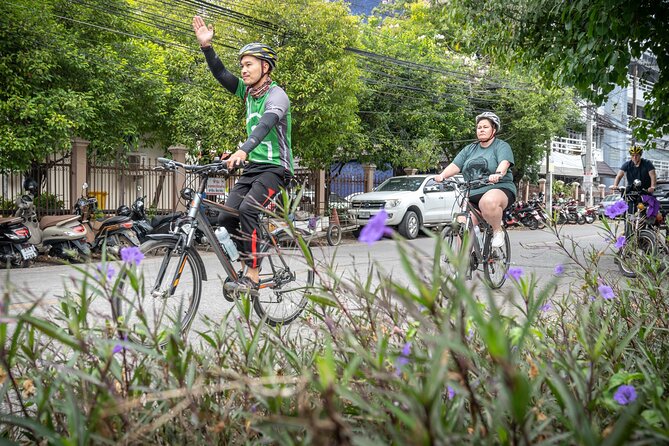
Old City Chiang Mai looks different from a bike. You can pedal past temples and landmarks while an English guide puts the stories into context, from the old trading gate to the spiritual center of the kingdom. Old City is the focus, with a relaxed route and plenty of chances to stop, look, and ask questions.
I love that the tour keeps you fed—light snacks and drinking water are included—and the ride itself is designed to feel manageable. I also like the small-group feel, with up to 20 riders, so you’re not stuck watching someone else’s back for four hours.
One thing to keep in mind: this is very much a highlights route. If you’re hoping for long stretches in residential neighborhoods or a deeper, off-the-beaten-path theme, you may want to pair this with other time on your own.
In This Review
- Key things you’ll notice on this tour
- Why biking the Old City works so well
- Starting at Discova Day Tour Shop: the “easy yes” logistics
- The ride itself: distance, time, and what to expect
- Tha Phae Gate: the trading entrance you’ll actually feel
- Wat Chedi Luang Varavihara: the massive ruined chedi and City Pillar
- Wat Intakhin Sadue Muang: the City Navel Temple stop
- Three Kings Monument: history at street-level
- Market stop: morning produce or night street food
- The “guide factor” that makes or breaks the tour
- Safety, bikes, and comfort you’ll feel in the first 20 minutes
- Price and value: is $39 worth four hours?
- When to choose morning vs night departures
- Should you book this bike tour?
- FAQ
- How long is the Chiang Mai Historic Old City Bike Tour?
- What distance will I cycle?
- How much does it cost?
- What’s included in the tour price?
- Are the temple entries included?
- Do I need to bring my passport details?
- What should I do about a bike ticket if I’m booking online?
- Is the ride suitable for families or kids?
- Can I get a refund if I change my mind?
- What’s the group size like?
Key things you’ll notice on this tour
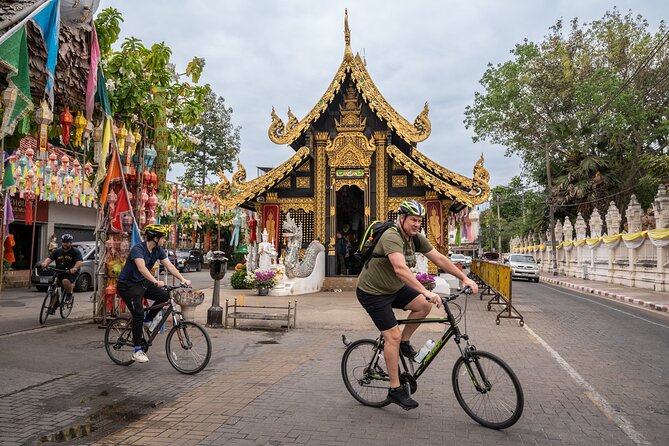
- Flat, easy pacing across roughly 12–14 km, so you can focus on sights instead of grinding gears
- English-speaking guides who explain Buddhist and local history at temple stops
- Temples plus a market stop, with either morning produce or a night market and street food
- Included snacks and water, plus a donation allowance at key religious sites
- Helmet + quality mountain bike and accidental insurance for peace of mind
- Up to 20 people, so the guide can actually keep track of the group
Why biking the Old City works so well
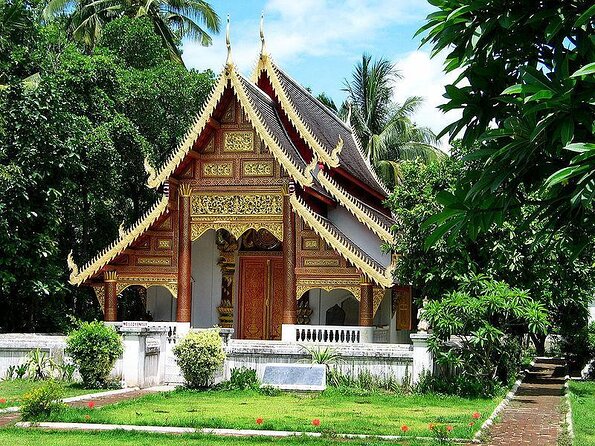
Chiang Mai’s Old City is best understood slowly, but it’s also easy to feel like you’re doing a lot of walking. On a bike tour, you get that sweet spot: you cover ground without turning your day into a leg workout, and you can still pause at temples when something catches your eye.
I like how this tour is built for first-timers. You get a guided route that threads through the main historic anchors—gates, major wats, and monuments—then finishes with a market stop where local food and everyday life take center stage. It’s the kind of mix that helps you understand how the Old City is arranged, even if you only have a day or two.
You can also read our reviews of more cycling tours in Chiang Mai

Starting at Discova Day Tour Shop: the “easy yes” logistics
The tour starts at Discova Day Tour Shop Chiang Mai at 10/3 Wiang Kaew Rd, near Chang Puak Gate (north gate). It’s set up so you can show up, get your bike and helmet, and roll out without a bunch of wandering.
Two practical details matter here:
- You’ll be issued a mobile ticket and you’ll return to the same meeting point.
- The route is guided, so you’re not navigating around one-way lanes and turn-offs while also trying to read temple signs.
If you’re the type who hates waiting around, you’ll likely appreciate that the tour begins with a clear meeting point and then moves directly into the Old City loop.
The ride itself: distance, time, and what to expect
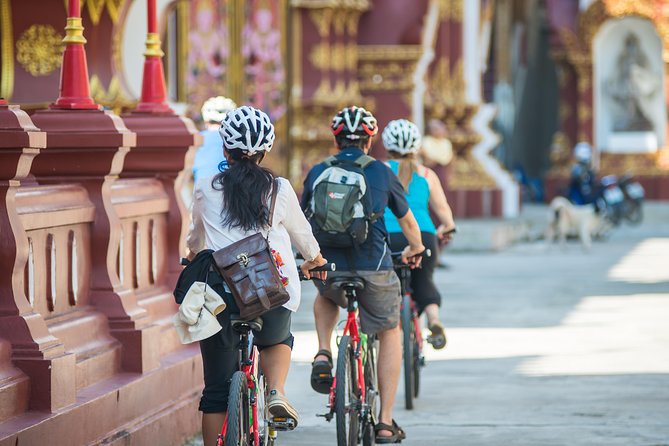
Plan on about 4 hours total. The cycling distance is described around 7.5 miles (12 km) across the tour, and it can be closer to 12–14 km depending on the day’s pace.
The biggest review theme is that the ride feels flat and easy. People consistently mention relaxed back-street riding, with routes that avoid major hassles. That said, any Old City bike tour still includes moments where you’re sharing space near gates or busier crossings, so you’ll want to ride calmly and let the guide handle the timing.
What I’d wear:
- Comfortable closed-toe shoes (temples often involve short walks and uneven surfaces).
- Light layers for mornings or evenings, plus something to keep off drizzle if you’re riding during wet-season showers. One review even notes the tour runs fine despite rain, with the experience still enjoyable.
Tha Phae Gate: the trading entrance you’ll actually feel
The first major landmark stop is Tha Phae Gate, one of Chiang Mai’s historic entrances tied to trade. This matters because it’s a reminder that the Old City wasn’t just a religious zone—it was also a gateway where goods and people moved in and out.
You’ll cycle directly into the Old City toward the gate, then spend time here before heading to the temples. It’s a good “orientation stop.” When you’re seeing the walled-city layout for the first time, starting with a gate gives your brain a reference point for everything after.
Practical note: gates and nearby roads can be lively. If you’re nervous about riding in groups, this early segment is where you’ll learn the rhythm of the tour—stop, start, follow the guide, and keep a steady pace.
Wat Chedi Luang Varavihara: the massive ruined chedi and City Pillar
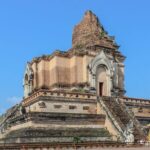
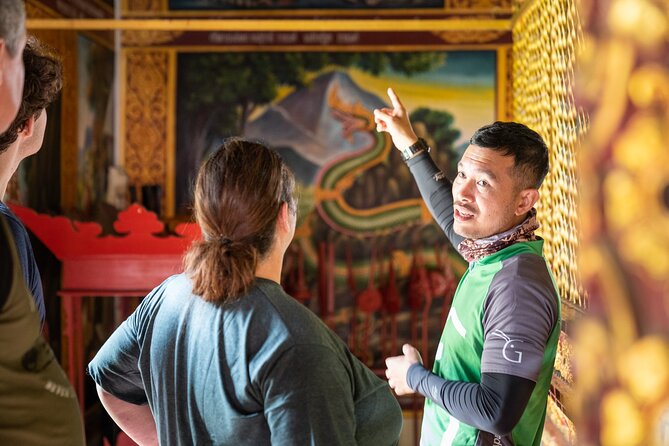
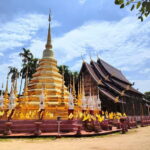
Next up is Wat Chedi Luang Varavihara, a major name in Chiang Mai temple life. You’ll visit the impressive ruined chedi and the ancient City Pillar, both central to how the city frames its spiritual identity.
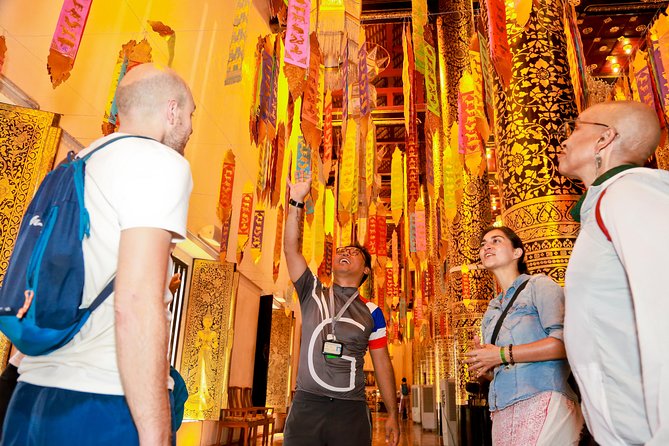
This stop tends to be where the tour turns from sightseeing into understanding. A strong English guide can connect what you’re looking at—an enormous old structure, the idea of a protective city pillar—to how Buddhism is practiced and talked about locally. Reviews also mention guides explaining Buddhist beliefs and encouraging participation in small temple activities when they’re offered.
What to watch for:
- Dress respectfully. Temple areas usually require covered shoulders and knees.
- Look for details around the pillar area and the chedi ruins—this is the kind of place where small symbolic elements make more sense once a guide points them out.
One possible drawback: because this stop is one of the “big” ones, it may feel more structured and less free-roaming than a self-guided stroll. The trade-off is that you’ll know what you’re seeing.
You can also read our reviews of more city tours in Chiang Mai
Wat Intakhin Sadue Muang: the City Navel Temple stop
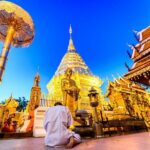
Then you’ll head to Wat Inthakhin Sadue Muang, known as the City Navel Temple. The phrase City Navel isn’t just poetic—it signals that this point is treated as the symbolic center of the ancient kingdom.
This is a powerful stop if you like meaning behind the scenery. Instead of only photographing buildings, you’re learning how locals frame the spiritual map. I’d especially enjoy this if you’re curious about how Chiang Mai connects religion with everyday city identity.
If you’re the type who likes questions, this is where you can get them answered. The group pauses long enough to take photos, but the guide’s explanation is what turns it into more than just a quick look.
Three Kings Monument: history at street-level
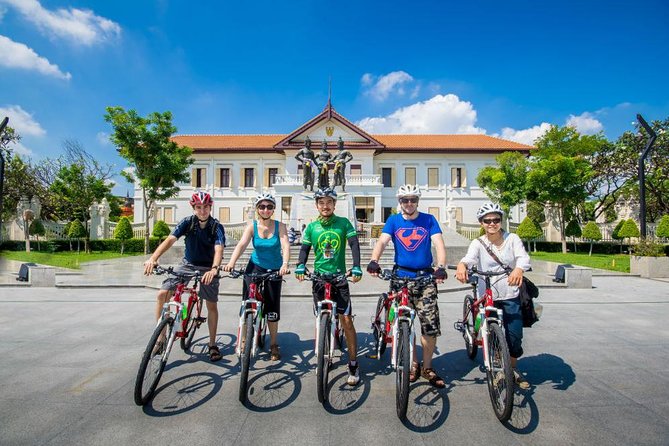
After the City Navel Temple, the tour visits Three Kings Monument. It’s another Old City anchor, and it fits nicely after the temple stops because it shifts from religious symbolism to historical identity.
Reviews often praise the way guides keep the context going—Buddhism at the wats, and then local history and meaning at monuments. If you’ve been wondering why Chiang Mai feels both devotional and political in its heritage, this stop helps connect those threads.
Practical tip: spend a little time just watching where people move through the area. Even when you’re on a bike tour, seeing how locals use the space tells you more than another photo angle.
Market stop: morning produce or night street food
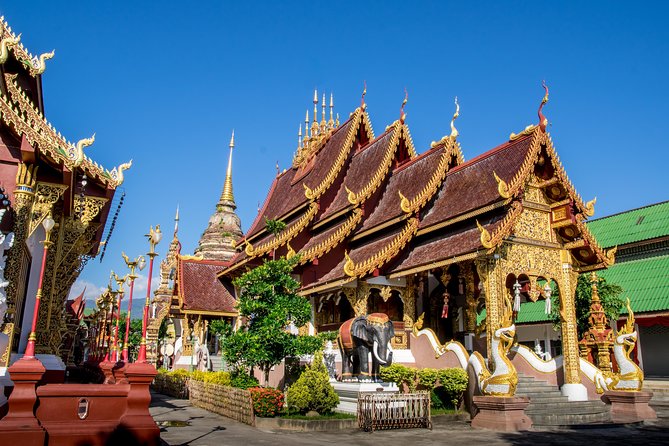
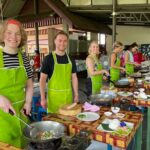
The highlight variety here is the included market time: 1 hour where your guide brings you to a local market. The departure type determines whether you get a fresh morning market full of produce or a night market with street food.
This is one of the best parts of the tour for most first-timers because it turns “Old City history” into “Old City life.” You get help trying a few simple snacks, and guides often point out fruit, local sweets, and easy-to-buy items you can later seek out on your own.
A few examples from guide styles you might run into:
- Some guides take the snack stop seriously and help you sample a mix of foods and produce.
- Others guide you to specific smoothie moments or a local cafe for a refreshing finish.
- People have even mentioned market tie-ins like seasonal pop-up events around festivals.
One consideration: if you love markets, you might wish the market time was longer. A couple of people felt the market stop was a bit short compared to how much there was to see and taste. If you want a deeper food experience, plan a second, independent market visit after this tour.
The “guide factor” that makes or breaks the tour
This tour’s quality depends heavily on pacing and translation. The good news: you’re not stuck with a bland facts-only guide. The English-speaking guides seen in recent departures include names like Kitty and Tom, Farm, Gun, Boy, James (007), Nene, Aei, and Amy—and the consistent pattern is clear, friendly explanations plus an emphasis on safety.
Many guides also go beyond talking:
- They help you participate in small activities offered at temples.
- They encourage questions.
- Some even take lots of photos or videos and share them afterward.
If you’re nervous about being in a group, the way guides manage turns and re-grouping matters. One review mentions direct, careful guidance through city traffic, and another mentions the guide being accommodating if someone arrived late. That kind of competence is exactly what you want when you’re riding close enough to buildings and other people that you can’t just drift along.
Safety, bikes, and comfort you’ll feel in the first 20 minutes
You’re provided with a quality mountain bike and a safety helmet. Drinking water and light snacks are included too, which matters because the tour is long enough that you’ll want energy once you start temple-hopping.
The route is repeatedly described as flat and mostly on quieter streets, which helps both comfort and confidence. You’re not sprinting between stops; you’re moving with pauses built in.
If you’re traveling with teenagers or want something active but not punishing, this can fit well. Reviews mention it works for families and for groups that include teens—mostly because the pace is relaxed and the route is not technical.
For the kids: child seats are available on request, but only for a child weight up to 14 kg, and children must be accompanied by an adult.
Price and value: is $39 worth four hours?
At $39 per person for about 4 hours, the value comes from what’s bundled. You’re not just paying for a bike and a route; you’re also getting:
- An English-speaking guide with cultural explanations
- Quality bike + helmet
- Drinking water and light snacks
- A temple donation allowance
- Accidental insurance
In practice, that means fewer add-ons during the day. You’re paying once, then you can focus on the experience: riding, learning, and tasting.
If you’re comparing options, think about what you’d pay if you tried to self-guide:
- Bike rental plus helmet
- Someone to translate and interpret what you’re seeing
- Temple donation/fees handled on your behalf
- A guided market snack moment
This tour doesn’t try to replace a full day of museums. It’s more like a well-paced orientation that leaves you ready to explore the rest of Chiang Mai smarter.
When to choose morning vs night departures
The itinerary structure stays similar, but the market portion changes. That affects your overall vibe.
Morning departures tend to pair well with:
- Produce-heavy markets and a calmer start
- Feeling fresher for temple walking
- A first-day plan when you want your bearings fast
Night departures can be great if you want:
- Street-food focus at the market
- A more energetic atmosphere when the city lights up
- Less daytime heat, depending on the season
If you hate surprises, pick the departure that matches your food style. If you love both, do it once on one day and plan a second market visit later on your own.
Should you book this bike tour?
Book it if:
- You’re in Chiang Mai for the first time and want a fast way to understand the Old City’s layout.
- You want temples plus a market in one morning or afternoon without planning every turn.
- You’d rather ride a bike on mostly flat routes than spend your day climbing between distant stops.
Skip it (or pair it) if:
- You only care about deep, neighborhood-level exploring and are okay doing temples without a guide.
- You want a longer food-focused experience; the market time is 1 hour, and that can feel short if you’re a serious taster.
For most visitors, the decision is simple: this is a low-stress way to get oriented, learn what you’re looking at, and end with local flavors instead of just photos.
FAQ
How long is the Chiang Mai Historic Old City Bike Tour?
It runs about 4 hours (approx.) including the ride and stops.
What distance will I cycle?
The tour covers around 7.5 miles (about 12 km), and it’s described as roughly 12–14 km at a relaxed pace.
How much does it cost?
The price is $39.00 per person.
What’s included in the tour price?
You get an English-speaking guide, quality mountain bike and a safety helmet, drinking water and light snacks, temple donation allowance, accidental insurance, and all taxes/fees/handling charges. The market stop is also included.
Are the temple entries included?
Temple-related costs are handled as part of the tour. Some temple admissions are listed as free, while others are included in the activity.
Do I need to bring my passport details?
Passport name, number, expiry, and country are required at booking for all participants.
What should I do about a bike ticket if I’m booking online?
You receive a mobile ticket.
Is the ride suitable for families or kids?
Most travelers can participate. Children must be accompanied by an adult, and child seats are available on request for kids up to 14 kg.
Can I get a refund if I change my mind?
You can cancel up to 24 hours in advance of the experience for a full refund.
What’s the group size like?
The tour has a maximum of 20 travelers, and it’s set up as a small-group experience.
If you tell me your dates and whether you’re leaning morning or night, I can help you pick the best departure based on the vibe you want for markets and temple time.