REVIEW · CHIANG MAI
Full Day Doi Inthanon National Park Tour( Joint)
Book on Viator →Operated by My Trip Maker · Bookable on Viator
A day above the clouds sounds dreamy, but the best part is practical. This full-day Doi Inthanon National Park trip mixes big viewpoints with real cultural stops, plus air-conditioned pickup and drop-off to keep the day stress-free. You also get a guided look at Karen hill tribe life around rice terraces and coffee growing.
The main consideration is weather and timing. If the mountain is socked in with clouds, the view can feel muted, and lunch timing can run late; I’d plan for that and pack a snack just in case.
In This Review
- Key Highlights at a Glance
- Price and Logistics: What You’re Really Paying For
- Morning Ascent at Doi Inthanon: 8,500 Feet and Bird-Paradise Views
- Ang Ka Nature Trail and Mae Klang Luang Area: Karen Culture Comes First
- Twin Royal Stupas: A Photo Stop With Real Purpose
- Doi Pui Mong Hill Tribe Village and Hmong Market Break
- Ban Mae Klang Luang: Rice Terraces, Coffee Orchards, and Tasting Time
- Baan Tawai Village (Also in the Mae Klang Luang Area): One More Culture Stop
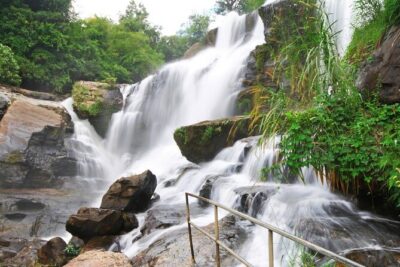
- Wachirathan Falls: The Waterfall Payoff and Why Weather Matters
- The Scheduling Reality Check: Lunch Timing and Quick Stops
- What I’d Pack (So You Don’t Spend the Day Thinking)
- Best Fit: Who This Tour Works For
- Should You Book This Doi Inthanon Tour?
- FAQ
- What time does the tour start?
- Where is the meeting point?
- How long is the full-day tour?
- Is pickup and drop-off included?
- What’s included in the price?
- Do I need to buy park tickets myself?
- Is lunch provided?
- How big is the group?
- Do I get a ticket on my phone?
- What happens if the weather is poor?
Key Highlights at a Glance
- Highest point in Thailand (Doi Inthanon) at about 8,500 feet for crisp air and big views
- Karen village-style cultural stops with rice terraces and coffee orchard time
- Twin Royal Stupas tied to King Bhumibol Adulyadej and Queen Sirikit for great photo angles
- Wachirathan Falls for that wet, misty mountain waterfall payoff
- Small-group feel (up to 15 people) inside a comfortable, A/C vehicle
- Admissions and lunch included, so you don’t have to manage tickets all day
Price and Logistics: What You’re Really Paying For
At about $77 per person for a 9–10 hour shared tour, the price makes sense for people who want mountain scenery without a DIY headache. You’re paying for an English-speaking guide, admission fees included as listed, lunch, and the convenience of hotel pickup and drop-off in an A/C vehicle.
This is also the kind of day where logistics matter. Doi Inthanon is far enough that you’ll feel it if you’re coordinating transport on your own, and a shared schedule helps keep the flow from stop to stop. The meeting point is Tha Phae Gate, and you return there at the end, which is simple if you’re already based in central Chiang Mai.
The group size cap is 15, so it won’t feel like a giant bus herd most of the day. Still, this is a full day with multiple stops, so bring a real plan for comfort: layers, good shoes, and something small to eat in case the day runs behind.
You can also read our reviews of more tours and experiences in Chiang Mai



Morning Ascent at Doi Inthanon: 8,500 Feet and Bird-Paradise Views
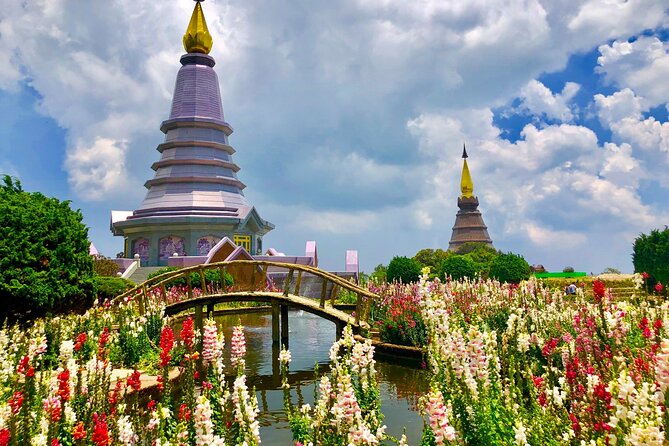
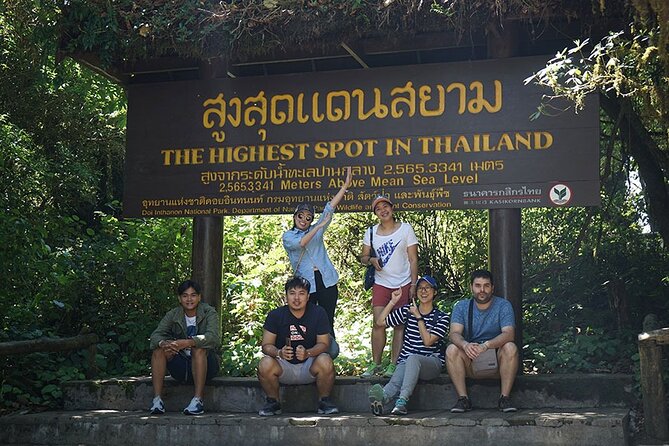
You start around 8:30 am at Doi Inthanon National Park, heading up to the highest summit in Thailand at roughly 8,500 feet. This is the first shift of the day—air feels cooler, and the whole tone of the trip changes from city heat to mountain chill. If you’re a view person, this early timing is ideal because weather tends to be more forgiving in the morning.
You’ll have time at the park with admission listed as free, and your guide will point out what makes Doi Inthanon special. The park is described as a natural environment that’s a paradise for birds, so even if you’re not seeing rare species, you’ll feel the “protected ecosystem” vibe in the way the area is managed and explained.
A quick realism check: mountain views in the north can disappear fast in clouds. The park can still be worth it on a cloudy day—you’ll get greenery, viewpoints, and the sense of being high—but if you came for dramatic panoramas, arrive mentally flexible.
Practical tip: dress for temperature swings. You’re not just going up in altitude—you’re also going from sun to shade to mist, and you’ll feel it.
Ang Ka Nature Trail and Mae Klang Luang Area: Karen Culture Comes First
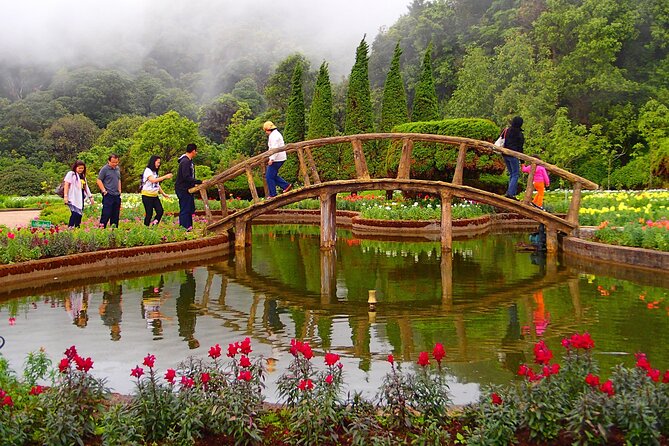
Around 10:30 am, the itinerary moves to the Ang Ka Nature Trail, described as a spot where a Karen tribe locale resides. This portion is where the tour turns from “nature sightseeing” to “people and place,” with time to learn about culture and way of life as you explore the Mae Klang Luang area.
This stop lasts about 1 hour, with admission listed as included. That time is short, so you’ll want to treat it like an introduction rather than a deep documentary. The value here is that you’re not just taking photos of hillsides—you’re hearing how rice, daily routines, and community life connect to the landscape you’re walking through.
One thing to be aware of: parts of the day involve walking. Even when trails are described simply, it’s still a walk on uneven ground. If you’re pairing this with flip-flops or flimsy sandals, you’ll regret it by late morning.
I like this stop because it’s not only about souvenirs. The point is interaction and understanding, and it’s the part of the day that makes the mountains feel human—not just scenic.
Twin Royal Stupas: A Photo Stop With Real Purpose
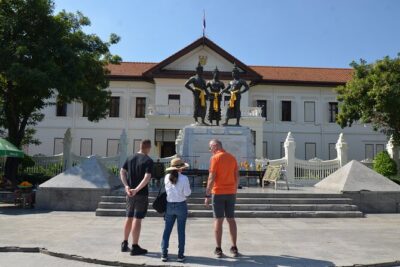
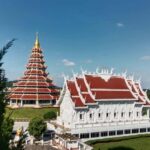
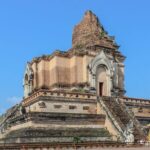
About 11:30 am, you’ll visit the Twin Royal Stupas—Phra Maha Dhatu Nabha Metaneedol and Phra Maha Dhatu Nabhapol Bhumisiri. These are built for King Bhumibol Adulyadej and Queen Sirikit, and that connection gives the site a deeper meaning than “nice temple views.”
The stupas are twin structures, and that design matters for sightseeing. You’ll likely notice how they frame angles and sightlines—great for photos, but also for getting your bearings. This is a good break in the day rhythm: you can slow down, look around, and take in the mountain air without feeling like you’re rushing a hike.
Timing matters here. If clouds roll in, temples still look good, but you lose the full “see-the-range” effect. Even in lower visibility, the stupas are worth it because they’re a clear, well-known landmark within the park area.
Doi Pui Mong Hill Tribe Village and Hmong Market Break
Around 12:30 pm, the tour heads to Doi Pui Mong Hill Tribe Village. It’s followed by a short break at a local market—listed as the Hmong Market, where you can find fruits, vegetables, flowers, and other local products.
This portion is where your senses wake up again after the quieter temple and trail stops. Markets are loud, fast, and alive, and they’re one of the easiest places to get a feel for daily mountain-town life without needing any special cultural context.
Admission here is listed as free, so the value is really in what you choose to do: browse for snacks, look at produce, and keep an eye out for local handmade items if that’s your thing. If you’re trying to eat earlier, note that your next food stop may not happen right away later in the day.




Ban Mae Klang Luang: Rice Terraces, Coffee Orchards, and Tasting Time
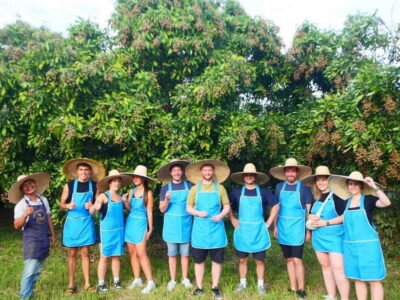
In the early afternoon—around 2:00 pm—you’ll visit Ban Mae Klang Luang, described as a famous Karen Hill Tribe village. Villagers grow rice and coffee, and you’ll have time for stops like a rice terrace and a coffee orchard.
Then there’s a tasting element. The itinerary notes you’ll have a chance to taste some coffee, which turns this from a viewing stop into a “do something” stop. I like that a lot. Food and drink are the easiest way to turn culture into memory, and coffee is a natural link to the region’s agriculture.
Here’s the honest expectation: this isn’t the same as living in the village. It’s a short visit. Still, if you ask simple questions—How does the coffee get grown? What’s most important in daily work?—you’ll get more out of it than you might with only pictures.
Wear shoes you can walk in. Even short terrace paths can be slippery or uneven, especially if it rained earlier.
Baan Tawai Village (Also in the Mae Klang Luang Area): One More Culture Stop
About 2:45 pm, you’ll go to Baan Tawai Village. The details provided place this village in the Mae Klang Luang area again, so think of it as an additional Karen community-style stop rather than a totally different zone of the day.
This is a good moment to slow down and absorb what you learned at the first Karen-focused stop. If you treat it like a second chapter—comparing how people talk about farming, daily tasks, or village routines—you’ll get more meaning from the repetition than you would from a random added stop.
If you’re sensitive to pacing, this is also where you can feel the day stretching. By mid-afternoon, energy can drop, and the schedule can feel busy. That’s not a reason to skip—it just means you should plan for breaks and hydration.
Wachirathan Falls: The Waterfall Payoff and Why Weather Matters
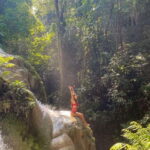
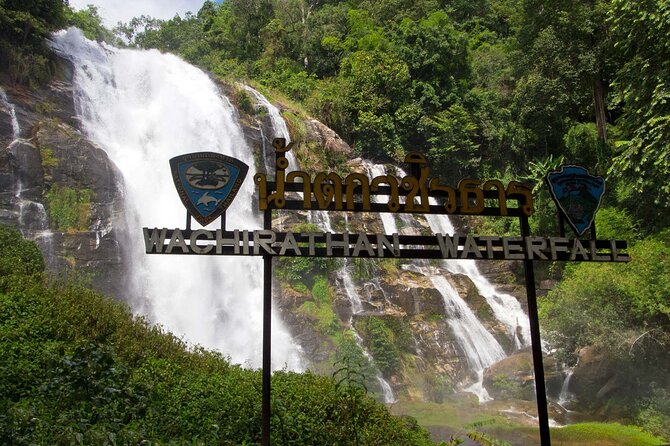
The day’s big scenery moment comes next at Wachirathan Falls. The itinerary places this after the coffee/orchard portion and lists about 1 hour at the falls, with admission included.
Waterfalls are one of those travel things where you can’t fully control the outcome. If the air is humid and the sky is partly clear, Wachirathan can look dramatic and alive. If clouds and mist hang around, the waterfall might still be gorgeous, but the surrounding view can blur. Either way, the sound and cool spray can reset the whole day.
I also appreciate that the falls stop isn’t rushed into a 10-minute photo grab. A full hour lets you find a good viewpoint and adjust for lighting, plus it gives you a chance to step back and just enjoy being in a forested waterfall zone.
The Scheduling Reality Check: Lunch Timing and Quick Stops
This is where I’d offer the most practical advice. The trip is designed to be “easy and slow,” but a full-day park schedule can still slip. One clear pattern to watch is late lunch timing. If your day is sensitive to food timing, set expectations now.
There can also be a quick convenience-store stop before you’ve eaten, which might feel unnecessary if you’re expecting to go straight from sightseeing to lunch. If that kind of schedule bothers you, handle it by bringing a small snack you can eat right away, like biscuits or a granola bar.
And yes, language clarity can vary with any joint tour. If you find the guide harder to follow in fast moments, switch your strategy: focus on the written/visual cues at stops and ask one simple question at each major location. You’ll still get the core value without needing to catch every word.
What I’d Pack (So You Don’t Spend the Day Thinking)
A day like this mixes altitude, walking, and waterfall mist. You’ll be happier with a small checklist:
- Light layers for mountain chill (it can feel cooler than you expect at elevation)
- Comfortable shoes for uneven paths and terrace areas
- Small snack + water in case lunch runs later than planned
- Rain cover or poncho if the weather looks unstable
- Camera + charged phone, especially if the royal stupas and park viewpoints clear up
If you’re the type who gets motion-sick, bring what works for you. You’ll spend plenty of hours inside the vehicle traveling between stops.
Best Fit: Who This Tour Works For
This tour suits you if you want a guided day with a real mix of nature and culture, without managing tickets and transport yourself. I’d also call it a good option for people who enjoy temples, waterfalls, and short cultural introductions where you can ask questions and learn the basics.
It may not be ideal if you want long hikes, lots of free time, or a very flexible day. The schedule is structured, and you’ll follow it—especially at major landmarks.
If weather is your worry, remember this: even when views are limited, the day still offers meaningful stops like the royal stupas and Karen village coffee/rice routines. You’re not paying only for panoramas.
Should You Book This Doi Inthanon Tour?
I’d book it if you want a high-effort day with minimal planning: park highlights, Wachirathan Falls, Karen village culture, and included admissions and lunch. The A/C vehicle and pickup/drop-off are the kind of comfort that pays off when you’re spending nearly the whole day away from Chiang Mai.
Skip it (or choose a different format) if you’re extremely sensitive to timing—especially lunch—because full-day mountain schedules can stretch. Also, if you’re chasing only top-tier mountain views, understand clouds can blur the payoff.
If you do book, go in with the right mindset: treat it as a guided sampler of Doi Inthanon and the surrounding hill tribe areas, and you’ll leave with photos, tastes, and a better understanding of what life looks like up in the hills.
FAQ
What time does the tour start?
The tour starts at 8:30 am.
Where is the meeting point?
Meet at Tha Phae Gate, Tha Phae Road, Tambon Chang Khlan, Amphoe Mueang Chiang Mai, Chiang Wat Chiang Mai 50200, Thailand.
How long is the full-day tour?
It runs about 9 to 10 hours (including travel time).
Is pickup and drop-off included?
Yes, pickup is offered, and the tour returns to the meeting point.
What’s included in the price?
Included items are air-conditioned vehicle, English speaking guide, admission fees as mentioned, and lunch.
Do I need to buy park tickets myself?
No, admission fees are included as mentioned on the itinerary.
Is lunch provided?
Yes, lunch is included.
How big is the group?
The tour has a maximum of 15 travelers.
Do I get a ticket on my phone?
You’ll receive a mobile ticket.
What happens if the weather is poor?
The tour requires good weather. If it’s canceled due to poor weather, you’ll be offered a different date or a full refund.