REVIEW · CHIANG MAI
Private Tour: Chiang Rai Golden Triangle Day Trip from Chiang Mai
Book on Viator →Operated by Mam Holidays Thailand Co Ltd · Bookable on Viator
The Golden Triangle day feels like a passport trip. I like the private driver-guide style (less fumbling, more control of timing) and the Mekong cruise angle for fresh views of the border region; the one caution is that the hill-tribe stop can feel overly commercial and you’ll want to set your expectations accordingly.
This is a long outing, about 13 hours, starting at 7:00 am. You’ll bounce between hot springs, museum history, two major modern Thai temples, and border-country scenery on the Thai-Laos-Myanmar edge—then end back in Chiang Mai around 8:00 pm.
If you’re the type who enjoys slow moments inside major sites, plus a few big wow stops, this day can really land. If you hate long car time or prefer quiet, off-the-beaten-path villages only, I’d read the practical notes below carefully before booking.
In This Review
- Key points to know before you go
- Private Golden Triangle route: why it feels worth the 7am start
- Getting from Chiang Mai to Chiang Rai: long drive, real northern scenery
- Mae Khachan Hot Spring: warm mineral water and egg-boiling local life
- Hall of Opium Museum: hard history that adds context
- Mekong River time: calm boat views, plus a Laos-side option
- Golden Triangle border views and Mae Sai market reality check
- White Temple (Wat Rong Khun): modern symbolism in an all-white shell
- Blue Temple (Wat Rong Suea Ten): a contrast that makes the whole temple set click
- Golden Triangle Market: souvenirs, spices, and cross-border goods
- Akha and Yao hill-tribe village visit: meaningful or staged? Go in prepared
- Price and value: what $208.98 buys you in a long private day
- Who this tour suits best (and who should consider alternatives)
- Should you book the Chiang Rai Golden Triangle private day trip?
- FAQ
- FAQ
- What time does the tour start in the morning?
- How long is the Golden Triangle day trip?
- Is hotel pickup and drop-off included?
- Do I need a passport for the Mekong boat to Laos?
- What are the main included activities?
- Which temples are visited during the tour?
- Is this tour private?
- Can I cancel and get a full refund?
Key points to know before you go
- Private car, shared stops: You get your own driver-guide, but popular sights still mean you’ll be among crowds at times.
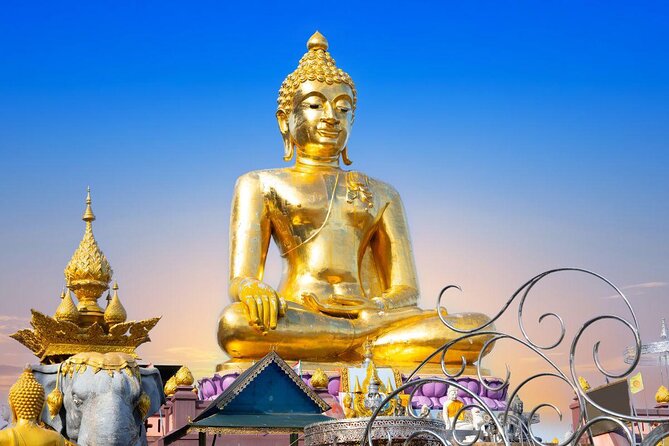
- Passport matters for Laos: To take the boat ride over to Don Sao on the Laos side, you’ll need your original passport.
- Wat Rong Khun + Wat Rong Suea Ten in one day: Two visually intense temples—white contemporary symbolism, then a blue-and-gold counterpart.
- Mae Khachan hot spring is a hands-on break: Warm mineral water plus the local egg-boiling habit.
- Border-country context: The day includes both the Hall of Opium story and the Mae Sai border-market moment.
- Hill-tribe village visit is the wildcard: It can be meaningful, but it’s also the part most likely to feel staged or rushed.
Private Golden Triangle route: why it feels worth the 7am start
A Chiang Rai Golden Triangle day trip from Chiang Mai is a logistics game. The region is far north, roads take time, and the border area is not the kind of place you want to “figure out” on your own if you’re on a tight schedule. This private setup helps because you’re not negotiating vans, meeting points, or switching between multiple mini-group logistics.
What you gain with a private driver-guide is simple: you’re moving as a single unit, and the schedule is built for seeing a lot. Your driver takes you deep into the area by car, then the river portion breaks up the day. That mix—driving stretches, then water and temple time—keeps it from turning into one endless bus ride.
That said, private doesn’t automatically mean empty. The White Temple, Blue Temple, and market stops are popular for a reason, so you’ll likely share those moments with other visitors.
You can also read our reviews of more private tours in Chiang Mai
Getting from Chiang Mai to Chiang Rai: long drive, real northern scenery
Pick-up starts at 7:00 am from your Chiang Mai city area hotel (the tour notes mention they can’t pick up from Airbnb locations unless the listing provides the house name/number). You’ll then head north into Chiang Rai Province toward the Golden Triangle area.
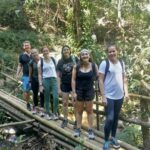
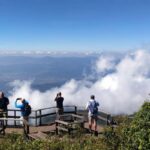
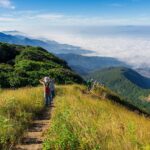
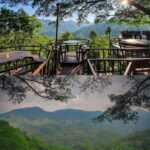
Plan on a lot of time in the car. The good news is that this isn’t just boring highway time—northern Thailand scenery is part of the experience. On this route, the countryside stretches out into rural views, and you’ll get that “far north” feeling before you ever reach the border.
A practical tip: dress in layers. Even if Chiang Mai is warm, you can feel temperature changes in the northern region. Also bring something for the ride—water, a snack you like (even though lunch is included), and anything that helps you stay comfortable for a day that ends around 8:00 pm.
Mae Khachan Hot Spring: warm mineral water and egg-boiling local life
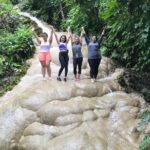
One of the best breaks in the morning is Mae Khachan Hot Spring, where you dip your feet into warm, mineral-rich water. It’s the kind of stop that doesn’t require a strict “tourist mindset.” You can relax, look around the small local garden area, and watch daily routines happen nearby.
Here’s a fun detail you should expect: locals sell chicken eggs specifically so you can boil them in the hot spring water. It’s a small ritual, but it’s also one of the best ways to see how people use a natural feature—not just pose for photos.
Possible drawback: hot springs stops can feel a bit brief if you want a longer soak. You get about an hour total here, so treat it as a refresh, not a spa day. Bring flip-flops or something easy to slip on and off.
Hall of Opium Museum: hard history that adds context
Next up is the Hall of Opium (about 45 minutes). This museum focuses on the opium trade in the Golden Triangle—how it shaped the region and what it did to communities socially, economically, and politically.
If you’re visiting only for the border scenery and temples, the museum might seem like a detour. But it’s actually a useful gear shift: suddenly the Golden Triangle isn’t just a map point. It’s also a place with a complicated past that still affects the present border economy and cultural tensions.
The museum’s format is designed to be moving—immersive exhibits and historical artifacts—so you get a story rather than a list of facts. In a day that’s otherwise full of visuals, this stop gives your brain something to chew on.
Mekong River time: calm boat views, plus a Laos-side option
The day turns scenic again with the Mekong River portion. You’ll board a boat for about an hour, gliding along calm waters and seeing villages from the river’s perspective. There are also glimpses of Laos and Myanmar across the water, which helps make the border geography feel real.
Then comes the bigger Mekong moment after lunch: a boat ride that can take you to the Laos island of Don Sao. There’s an important rule here—you must show your original passport if you want to take the Laos-side boat ride. If you don’t want to cross to Laos, or you don’t have the right documents in hand, you may have to sit out that specific portion.
What I like about this river segment is that it slows everything down. Driving through border towns can feel hectic; the Mekong gives you space to look—at water, at boats, at daily life along the banks—without having to squeeze in another temple photo stop.
You can also read our reviews of more tours and experiences in Chiang Mai
Golden Triangle border views and Mae Sai market reality check
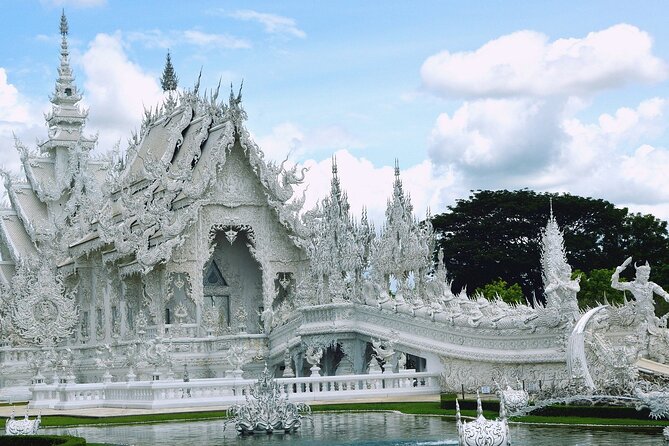
The tour heads to the Golden Triangle area where you can see the meeting points of Thailand and the neighboring countries across the border region. After lunch, you’ll also connect to the Laos-side boat option (again: passport needed) and then move toward Mae Sai, the Thai border town with Myanmar.
This is where the day becomes more “border-life practical” and less “postcard.” The market area is busy and focused on cross-border commerce. You’ll also be very close to Myanmar—there’s a note that Myanmar is only around ten meters away across the river, so the border feels immediate rather than abstract.
What to expect: you’ll spend about two hours in this whole Golden Triangle + border market flow. It’s enough time to see the place, wander a bit, and buy small souvenirs if you want. But it’s not a deep cultural immersion of days and days. Think of it as a quick snapshot of border-day rhythm.
A note on shopping: this is one of those places where items can look similar across stalls. Set a budget, compare prices quickly, and don’t feel pressured to buy on the spot.
White Temple (Wat Rong Khun): modern symbolism in an all-white shell
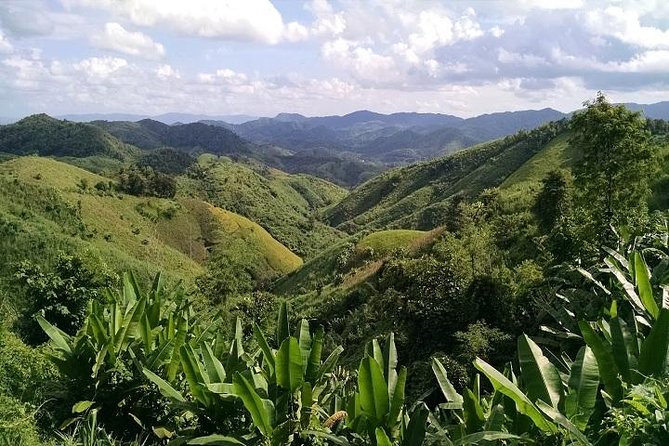
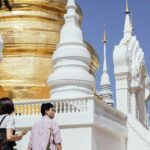
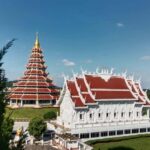
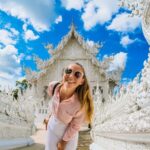
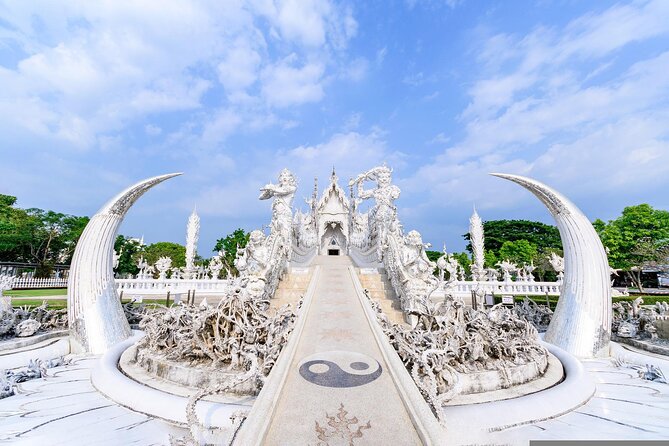
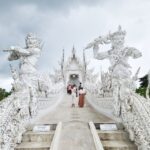
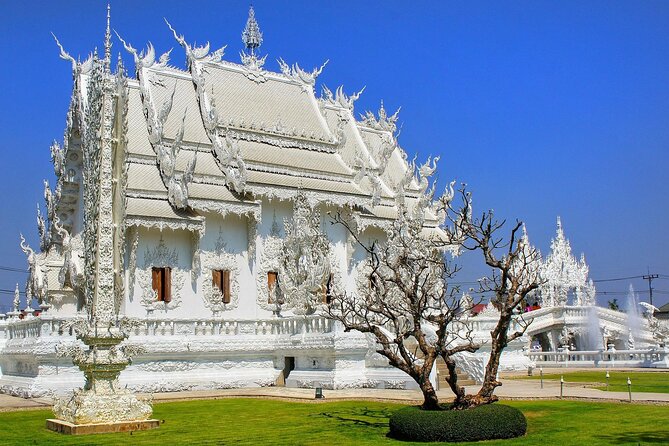
Your temple run starts at Wat Rong Khun, also called the White Temple. You’ll have about an hour here, which is the right amount of time for a place that mixes traditional Thai temple design with contemporary art elements.
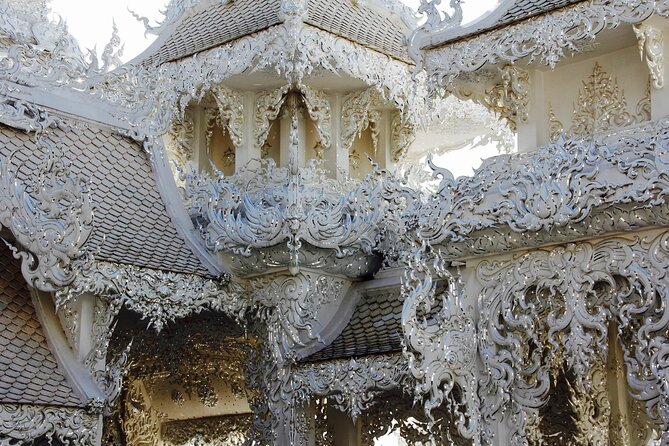
The exterior is strikingly white, and that clean look creates an almost unreal atmosphere as you walk up. Inside, you’ll see intricate sculptures and murals that reinterpret Buddhist themes through a modern lens.
The big practical point: wear comfortable shoes and plan on walking around. Even when the tour is timed, you’ll want a little pause time to stare at details. If you only glance and rush, you’ll miss the fun part.
Blue Temple (Wat Rong Suea Ten): a contrast that makes the whole temple set click
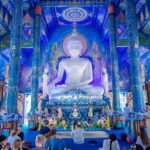
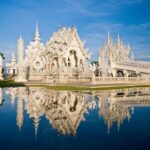
Then you switch gears to Wat Rong Suea Ten, the Blue Temple, with about 30 minutes. This one is a vivid blue-and-gold contrast to the White Temple, and it also features a massive white Buddha statue inside, surrounded by detailed murals.
What makes doing both temples on the same day work is the contrast. Your brain registers “modern temple design in two different color languages,” and the second stop makes the first one feel even more intentional.
One caution: 30 minutes can feel short if you love slow temple wandering. If you have a strong attachment to art and details, you might wish you had more time here—but 30 minutes is still enough to see the main sculptural layout and murals.
Golden Triangle Market: souvenirs, spices, and cross-border goods
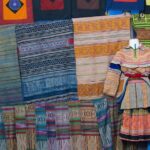
After the temples, you’ll spend around 30 minutes at the Golden Triangle Market. This stop is about shopping and browsing: handicrafts, textiles, jewelry, and spices from the border-region mix.
If you like bringing home small edible souvenirs (spices are usually easiest), this is the practical moment to do it. If you hate shopping with a time limit, use the quick browse rule: look for one category you actually want, compare two or three stalls, then move on.
The market part of the day isn’t meant to be profound. It’s meant to be a quick, colorful snapshot—useful if you want a few items that feel like they belong to the border story.
Akha and Yao hill-tribe village visit: meaningful or staged? Go in prepared
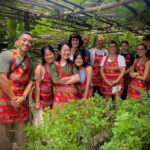
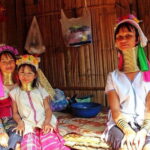
On the return leg toward Chiang Mai, you’ll stop at hill-tribe villages with Akha and Yao communities. This is about an hour total.
This is also the section that can split opinion. The vibe can range from genuine cultural contact to something that feels too “tour presentation.” If you’re hoping for a calm, respectful window into daily life without any performance feel, you should keep your expectations flexible.
How to make this stop work for you:
- Watch for respect and authenticity in how the visit is conducted.
- Don’t feel obligated to buy anything just because you’re being shown items.
- Keep your camera use gentle. If people seem uncomfortable, step back.
When this part goes well, it adds the human scale to a day that’s otherwise dominated by temples, museum history, and border scenery. When it goes poorly, it can feel like the weakest link. Either way, this stop is where your personal comfort and values matter most.
Price and value: what $208.98 buys you in a long private day
At $208.98 per person, this is not a budget day trip. But you’re paying for a specific package: a private driver-guide, hotel pick-up and drop-off within Chiang Mai city area, traditional Thai lunch, Mekong boat charges, and the Laos embarkation fee, plus the admission tickets listed across the day.
There’s also the time factor. A day this long means the tour is built around efficiency—because the Golden Triangle is far away. If you’d otherwise spend time arranging transport, negotiating schedules, and managing cross-border details, a private day can end up feeling like less hassle than you’d expect.
The tradeoff is that private tours still hit popular places. So if your top goal is avoiding crowds entirely, the price might buy convenience more than solitude.
Who this tour suits best (and who should consider alternatives)
This experience fits you well if you want:
- A one-day structure that covers the Golden Triangle region’s main hits.
- Temple stops that are visually dramatic: Wat Rong Khun and Wat Rong Suea Ten.
- A history pause at the Hall of Opium so the border region isn’t just scenic.
- The option for a Mekong cruise that can reach Don Sao if your passport is ready.
Consider a different style of tour if:
- You strongly dislike long car days.
- You prefer villages that don’t feel commercial in any way.
- You’re only interested in temples and would rather skip museum and border market time.
Should you book the Chiang Rai Golden Triangle private day trip?
I’d book it if you want a full, ambitious day with the comfort of a private driver-guide and you’re genuinely curious about the layers of the Golden Triangle—modern art temples, Mekong river life, and the opium trade history.
I’d hesitate if hill-tribe village experiences are a sensitive topic for you. This stop can be the swing point. If you do book, go with patience and keep your sense of what respectful cultural contact should look like.
If you want to make this day go smoothly, pack for a long ride, bring your original passport (so you don’t lose the Laos-side boat option), and give yourself permission to enjoy the big visual moments without expecting everything to feel quiet and untouched.
FAQ
FAQ
What time does the tour start in the morning?
The tour starts at 7:00 am with hotel pick-up from the Chiang Mai city area.
How long is the Golden Triangle day trip?
It runs about 13 hours (approx.), ending with drop-off back at your Chiang Mai city area hotel around 8:00 pm.
Is hotel pickup and drop-off included?
Yes. Pickup and drop-off are included for Chiang Mai city area hotels. The tour notes that they can’t pick up from Airbnb lodging unless the house name/number is provided.
Do I need a passport for the Mekong boat to Laos?
Yes. You’ll be required to show your original passport if you want to take the boat ride on the Mekong to the Laos side (Don Sao).
What are the main included activities?
Included are the Mekong River boat trip, the Laos embarkation fee, traditional Thai lunch, English-speaking tour guidance, and scheduled visits including Mae Khachan Hot Spring, the Hall of Opium, Wat Rong Khun, Wat Rong Suea Ten, and the Golden Triangle market.
Which temples are visited during the tour?
You’ll visit Wat Rong Khun (the White Temple) and Wat Rong Suea Ten (the Blue Temple).
Is this tour private?
Yes. It’s a private tour, and only your group will participate.
Can I cancel and get a full refund?
Yes. The experience allows free cancellation, and you can cancel up to 24 hours in advance for a full refund. If you cancel less than 24 hours before the start time, the amount paid is not refunded.