REVIEW · CHIANG MAI
Half day Elephants in Nature Experience (Morning)
Book on Viator →Operated by Elephant Care & Grand Canyon Jumping · Bookable on Viator
Elephants, but in their real home. I like how this Chiang Mai elephant half-day experience is built around the elephants’ natural habitat, not a hard-sell show. You’ll also get a steady dose of context on how elephants fit into Thai life and what a good day in the forest actually looks like.
One thing I really appreciate is the guide-led tone, especially with Korn—people are clearly there to learn, not just take photos. The second big plus for me is the hands-on time: you’ll get close enough to observe daily behaviors, with feedback from staff on how to interact respectfully (including feeding and washing in the way the program runs).
The main drawback to consider is simple: it’s a half-day that includes a 90-minute drive each way, so it’s not the best fit if you’re allergic to long car rides or want an all-day pace.
In This Review
- Key Highlights You Should Know
- The Morning Drive From Tha Phae Road: Why the Trip Starts Off Better
- From City to Elephant Home: What You’ll Do On Arrival
- Guide Korn’s Role: Ethics and Elephant Culture in Plain Language
- Time With Elephants: Feeding and Washing With Supervision
- Mahouts and Team Care: Seeing Who Works With the Elephants
- Group Size, Pacing, and Comfort: What Makes It Feel Manageable
- Pickup, Mobile Tickets, and the Real-World Logistics That Matter
- Price and Value: Is $77.44 a Fair Deal for This Kind of Day?
- Who Should Book This Elephant Experience in Chiang Mai
- Should You Book the Half-Day Elephants in Nature Experience?
- FAQ
- How long is the Half Day Elephants in Nature Experience?
- How much does the tour cost?
- Is pickup offered?
- Where does the tour start?
- How many people are in the group?
- What ticket method is used?
- Are service animals allowed?
- Is there free cancellation?
Key Highlights You Should Know
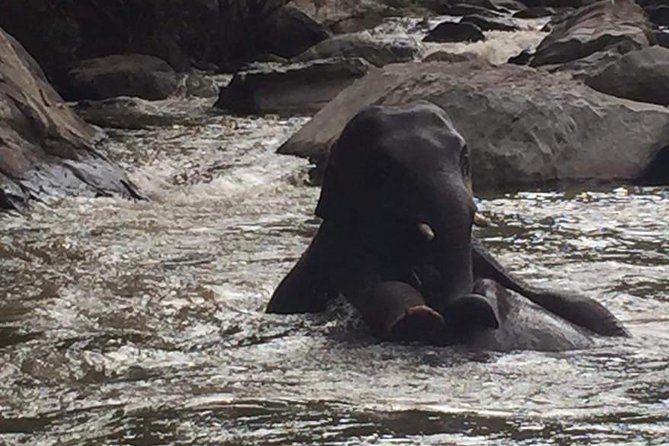
- Natural habitat focus: You meet the elephants where they spend their day, with time to observe routines rather than rushing.
- Small group limit (max 16): A more personal pace, which matters when you’re learning how to behave around large animals.
- Guide Korn’s on-the-ground perspective: Explanations tied to elephant culture in Thailand and how tourism can be handled responsibly.
- Up-close contact with clear guidance: Reviews specifically call out feeding and washing time, guided by the team.
- Mahouts in the picture: You’ll meet the people who work with the elephants day-to-day and understand their role better.
The Morning Drive From Tha Phae Road: Why the Trip Starts Off Better
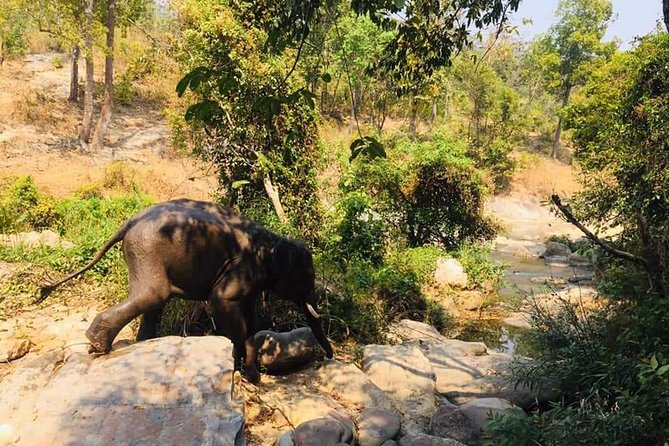
The day starts at Tha Phae Road in Chiang Mai, and pickup is offered depending on your hotel area. From there, you head out for about 90 minutes through rural roads—fields, hills, and patches of forest—while the guide sets the scene.
This drive matters more than it sounds. When a tour starts with context, you arrive less like a spectator and more like a visitor who understands the animals you came to see. It also helps that the drive is described as cool and comfortable, which is a real quality-of-life detail in Chiang Mai.
You can also read our reviews of more tours and experiences in Chiang Mai



From City to Elephant Home: What You’ll Do On Arrival
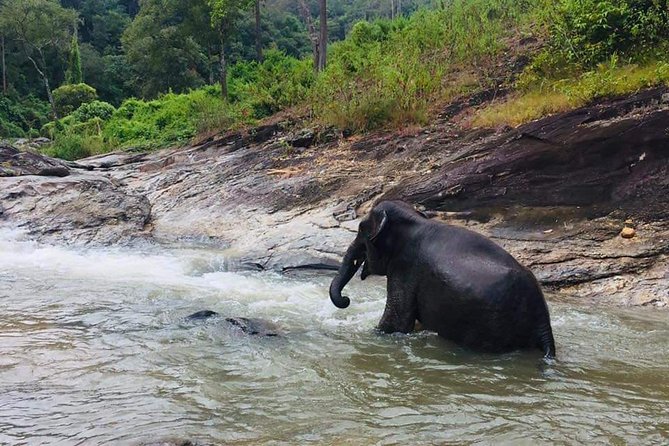
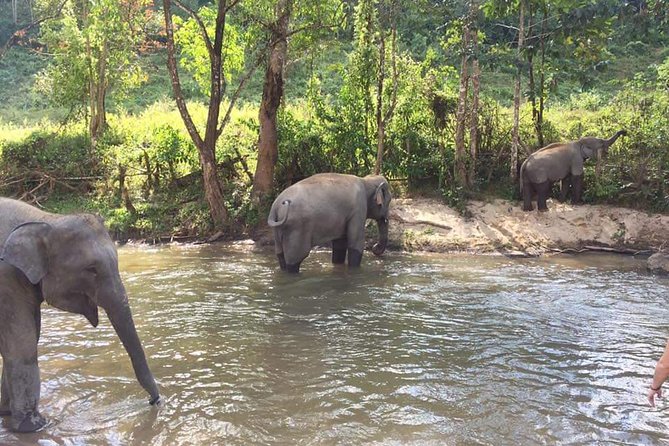
Once you reach the elephants’ area, the program shifts from “getting there” to “being there.” The goal is straightforward: meet the elephants at their home and see how they spend most of their day in their natural environment.
You won’t just stand behind a fence with a quick look and a ticket stamp. The experience is set up so you can watch how the group moves, rests, and responds to the routines around them, while the guide explains what you’re seeing.
The wording used for this tour is consistent: it’s framed as an authentic elephant experience, with time that feels less like a checklist and more like a visit. That difference is huge if you care about animal welfare and you don’t want a rushed photo-op.
Guide Korn’s Role: Ethics and Elephant Culture in Plain Language
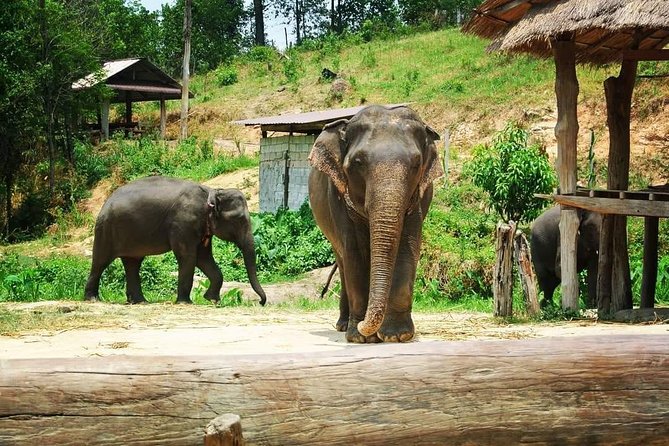
One reason people rate this tour so highly is the guide experience—especially Korn. The tone described in the feedback is educational and practical: he explains what you’re learning along the way, and he also brings in perspective on elephants in Thailand.
A recurring theme is ethics—how the operation thinks about sustainability and how tourism affects local people. You’ll hear discussion that connects elephants to Thai history and daily life, not just wildlife facts.
That matters because elephant experiences in Asia come in many flavors. In a good program, you leave understanding what respectful care looks like and why it differs from the common tourist shortcuts. Here, Korn’s explanations are part of the value, not an add-on.
Time With Elephants: Feeding and Washing With Supervision
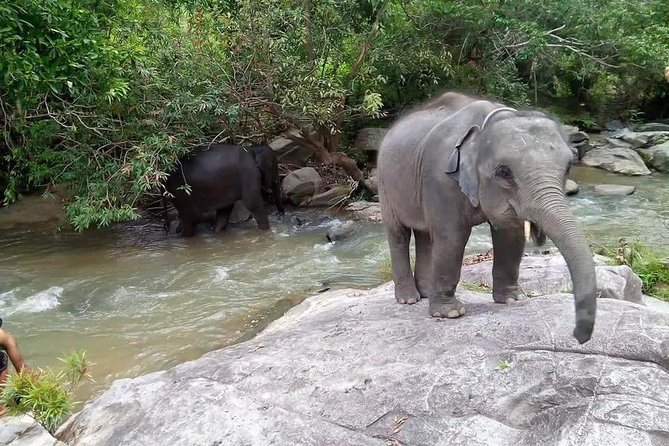
This is the part most people remember clearly: getting close to the elephants and spending meaningful time with them. Feedback highlights feeding and washing moments, where you’re not just watching from a distance—you’re part of the interaction under staff direction.
A couple practical notes for your own expectations. First, the exact flow can depend on what the elephants are doing that day, and on weather and team schedules. Second, even when it’s hands-on, you should treat it like an animal-care process, not a performance.
Where this tour feels strong is that the team doesn’t hand you a moment and walk away. You’re guided on how to handle the interaction appropriately, which is especially important with large, powerful animals that are fully aware of their environment.
Also keep an eye out for the “extra attention” moments. One review mentions a baby elephant being adorable, and that matches what usually makes these days feel special: the daily dynamics of the herd are more interesting than a single action scene.
Mahouts and Team Care: Seeing Who Works With the Elephants
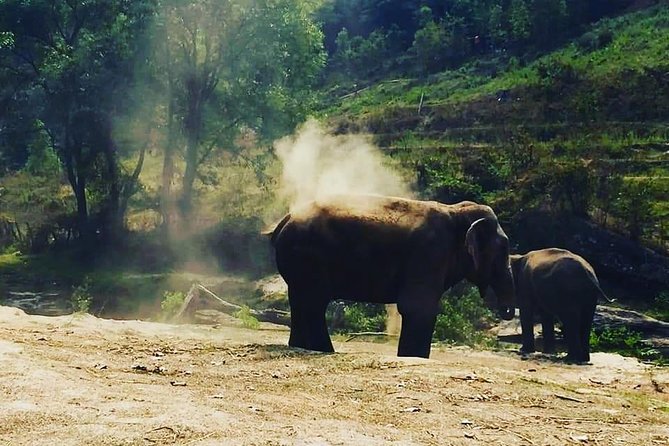
Another highly praised part is the human side of the program. Reviews mention meeting the mahouts—the people who work with the elephants as part of the daily routine.
Why this matters: mahouts don’t just manage care; they carry knowledge about behavior and timing. When you meet them, you start to understand why elephants are treated as living beings with preferences and patterns, not just “activities.”
The tour is also described as family-run, with an emphasis on sustainability for the local Thai community. That’s a useful filter for your thinking. When a program is connected to the people who care for elephants long-term, it tends to feel more grounded and less like a one-size-fits-all operation.






Group Size, Pacing, and Comfort: What Makes It Feel Manageable
The tour caps the group at 16 travelers, and that’s a meaningful detail. Smaller groups usually mean you get better attention from the guide when questions pop up, and you can move through the day without feeling like cattle.
The overall duration is listed as about 5 to 6 hours. Since you spend around 90 minutes driving out, the on-site time can feel like the core event rather than a brief stop between transfers.
There’s also mention of lunch in one of the reviews, so plan on food being part of the day even if your exact meal setup may vary. If lunch is included, it’s another small value win because it saves you from hunting for food immediately after the elephant portion.
For comfort, wear something that handles getting a little wet or dirty, and bring a change of clothes if you’re picky about fresh outfits later in the day. Even if you don’t plan to get wet yourself, washing and water play are part of what people celebrate here.
Pickup, Mobile Tickets, and the Real-World Logistics That Matter
This experience is designed for practical travel days. Pickup is offered, and the tour uses a mobile ticket, which is handy when you’re already juggling phone directions, Grab rides, and temple visits.
The tour also notes it’s near public transportation, which can help if you decide not to use pickup. And while it isn’t framed as a niche activity, it says most people can participate, which suggests there’s no overly technical requirement.
One more point I like: it’s run by Elephant Care & Grand Canyon Jumping, which keeps the company identity clear rather than changing names mid-process. When you’re spending a chunk of your day on a wildlife experience, you want the operation to feel accountable.
Price and Value: Is $77.44 a Fair Deal for This Kind of Day?
At $77.44 per person, you’re paying for more than access. You’re paying for:
- a half-day schedule with a long rural transfer (that 90-minute drive),
- a professional guide,
- a small group size,
- and a program framed around natural habitat time plus ethics education.
In many elephant experiences, the cheaper option can be tempting—but “cheap” often means less education, less supervision, or more emphasis on quick interactions. This tour’s standout value is the combination of up-close time and explicit ethical framing.
It also sounds like the team actively teaches you what you’re doing and why, with Korn providing the explanations that connect elephant care, Thai culture, and responsible tourism. That’s the kind of value that lasts beyond the photos.
If you’re comparing prices, don’t just compare the number. Ask yourself whether you want a guided day that includes meaningful interaction and clear care standards, or a faster stop that might skip the education part.
Who Should Book This Elephant Experience in Chiang Mai
This tour is a great fit if you want your elephant time to include education, up-close contact, and a focus on how elephants live. It also makes sense if you’re traveling with a small group of friends and want a guide who can keep the day organized.
I’d also point it out for people who care about sustainability and local perspective. The program is repeatedly described with attention to ethics, and Korn’s discussions are part of why people feel they understand what they’re seeing.
One more match: if you’re short on time, the half-day length can be perfect. You still get a substantial slice of the experience—drive out, time at the habitat, and time with the elephants—without committing to a full day itinerary.
If, instead, you’re the type who wants a super laid-back schedule with lots of free time in town, this one may feel like it steals your morning. The drive time is real.
Should You Book the Half-Day Elephants in Nature Experience?
I’d book this if you care about an ethical, guided elephant visit and you want real time in the elephants’ natural habitat, not just a quick look. The combination of small group size, Korn’s explanations, and the hands-on elements like feeding and washing makes it feel like more than a one-time photo stop.
I’d hesitate only if you know you hate long car rides or you’re hoping for a schedule with very little structure. With a 5 to 6 hour day and a big chunk spent on the road, this is designed for people who are okay trading time for animal-focused learning and care-centered access.
FAQ
How long is the Half Day Elephants in Nature Experience?
The experience lasts about 5 to 6 hours.
How much does the tour cost?
It costs $77.44 per person.
Is pickup offered?
Yes, pickup is offered.
Where does the tour start?
The meeting point is Tha Phae Road, Amphoe Mueang Chiang Mai, Chang Wat Chiang Mai 50300, Thailand.
How many people are in the group?
The tour has a maximum of 16 travelers.
What ticket method is used?
You receive a mobile ticket.
Are service animals allowed?
Yes, service animals are allowed.
Is there free cancellation?
Yes. You can cancel for free up to 24 hours in advance for a full refund.