REVIEW · CHIANG MAI
Chiang Mai: Customize Your Own Chiang Mai City Tour
Book on GetYourGuide →Operated by TripGuru Thailand · Bookable on GetYourGuide
A day of temples can feel like a checklist. This one lets you shape the route around your pace and priorities, in a comfortable car. I like that it’s built as a true private Chiang Mai city tour, not a one-size-bits-everyone schedule. You’ll also spend real time in the places that make Chiang Mai feel like Chiang Mai, especially the temple circuit and the markets.
I particularly like the hands-on flexibility: you choose up to four key stops, and the driver/guide can design the day with distance in mind. That matters in Chiang Mai, where a clever order saves energy and time for the good parts. The result is a tour that feels personal, whether you want more sacred sites or more shopping and street-level color.
One drawback to consider: the experience depends on smooth communication and last-minute coordination. If you have a very specific guide-language request or strict timing, I’d double-check details the evening before pickup and stay reachable.
In This Review
- Key things I’d zero in on
- Private Chiang Mai temple time, without the group scramble
- How the customization really works (and how to pick smartly)
- The route, stop by stop: what each place gives you
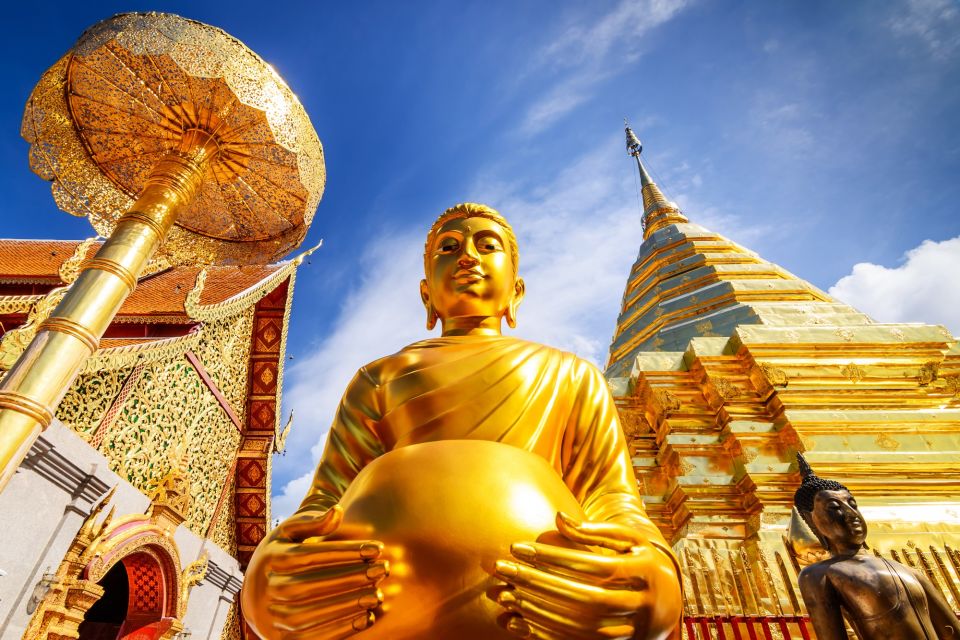
- Wat Phra That Doi Suthep
- Wat Phra Singh
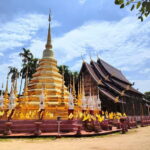
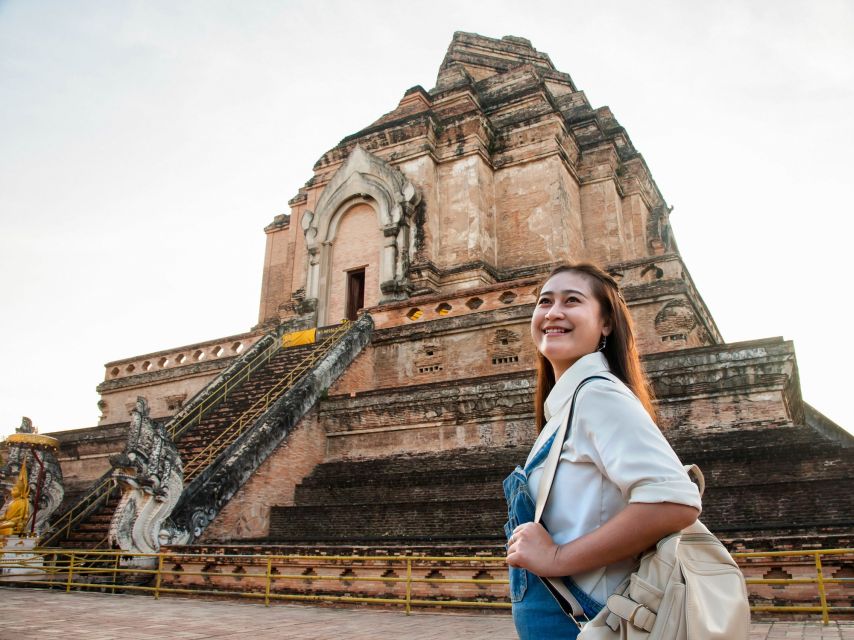
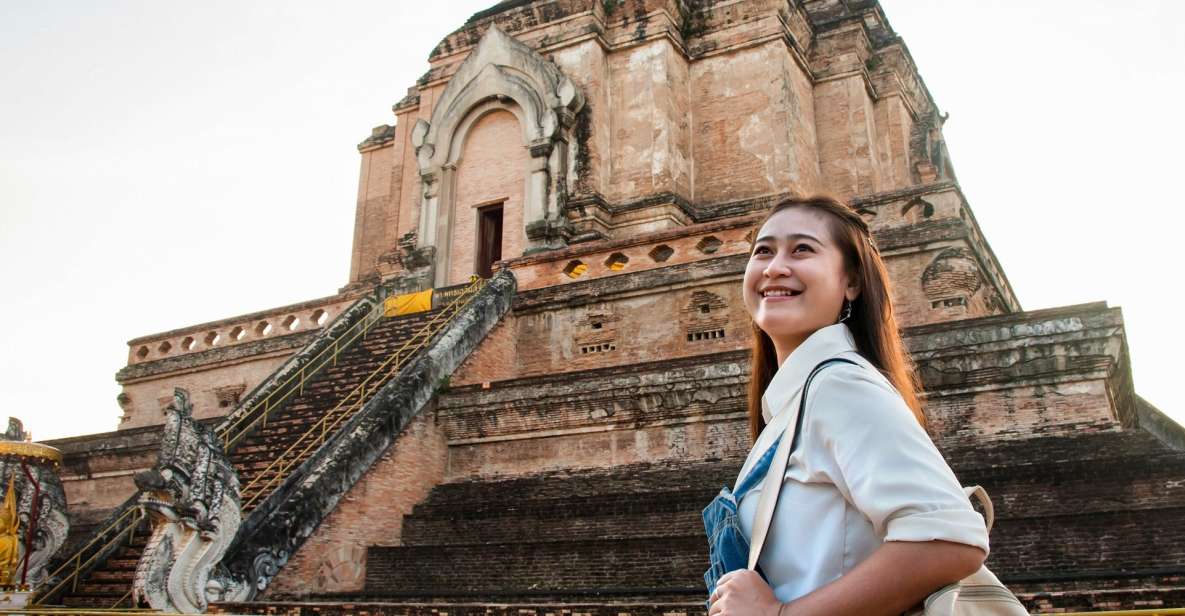
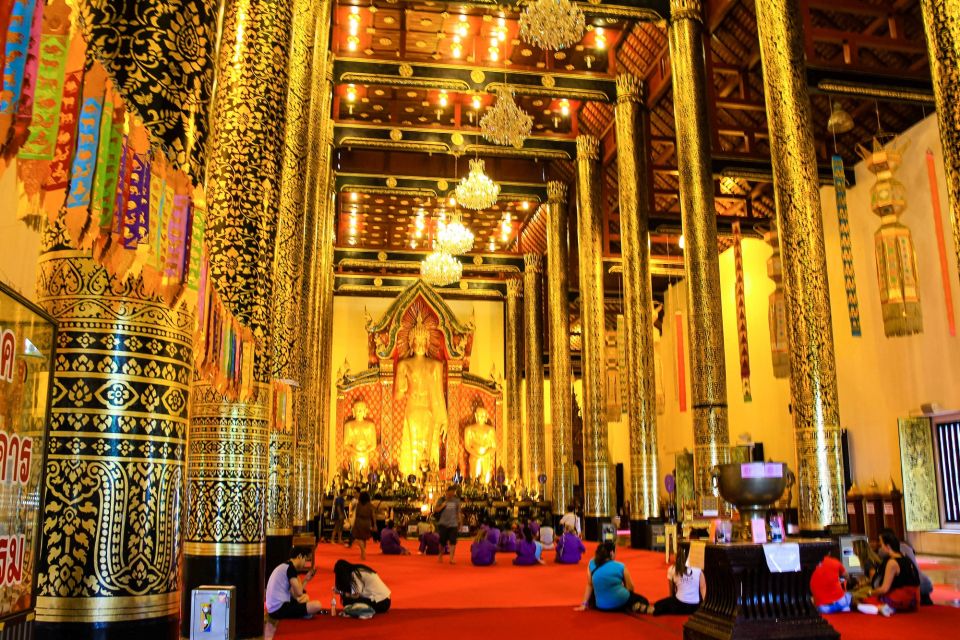
- Wat Chedi Luang (Temple of the Big Stupa)
- Wat Phan Tao
- 3 Kings Monument
- Wat Chiang Man (Chiang Mai’s oldest temple)
- Wat Lok Moli
- Wat Suan Dok
- Wat Umong (tunnel temple)
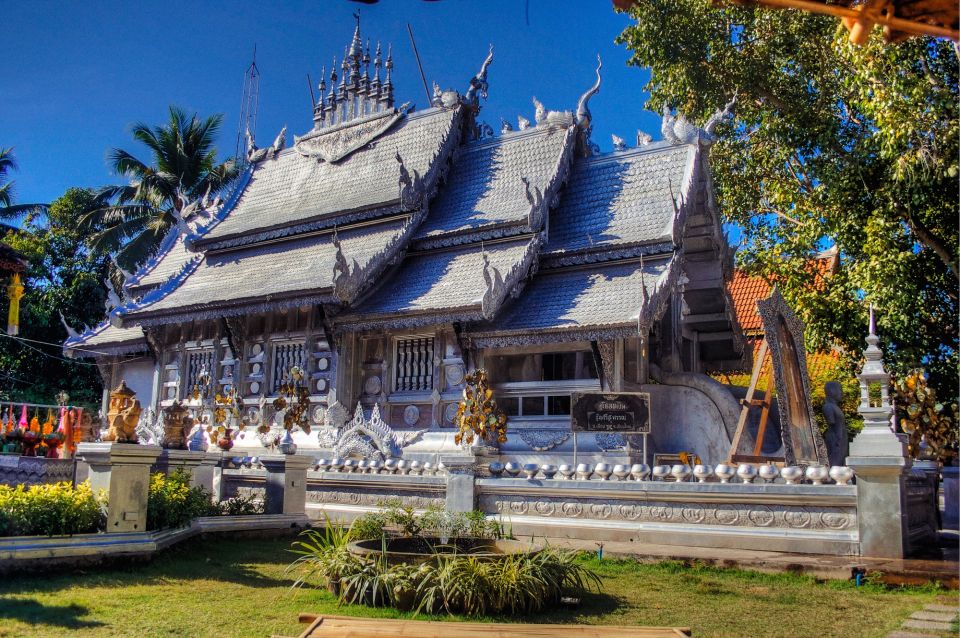
- Wat Srisuphan (silver temple)
- Warorot Market (Kad Luang)
- Ton Lamyai Flower Market (fruit and flower market)
- Tha Pae Gate
- Chang Moi Street (handicraft street)
- Kruba Srivichai Monument
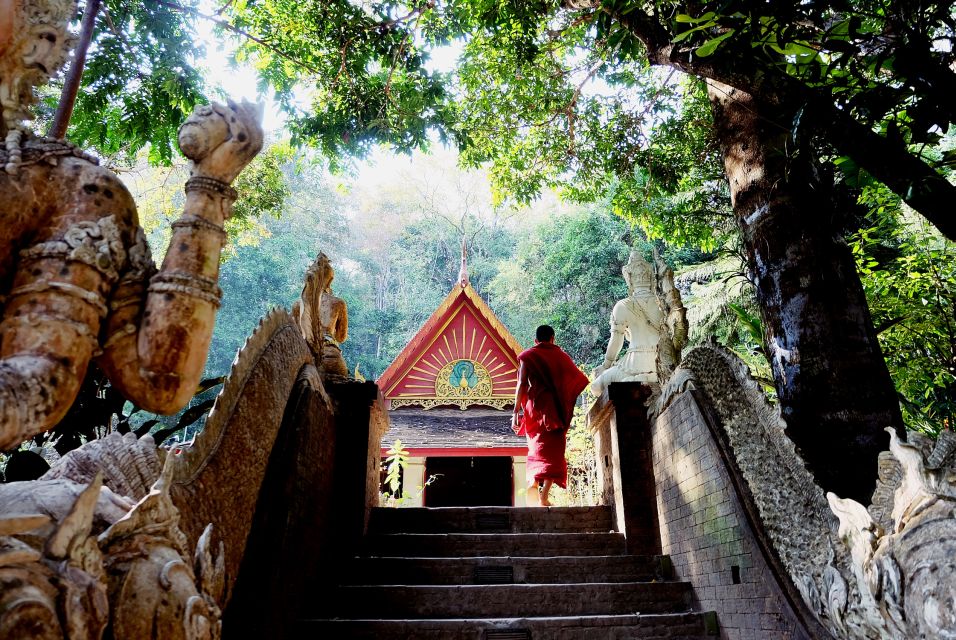
- Wat Pha Lat (Hidden Temple)
- Driving comfort and timing: the underrated part of a good tour
- Low-impact exploration: water in glass and carbon offsets
- What it costs and why it can still feel like value
- Suitability: who this tour fits, and who should skip it
- Dress code and packing: don’t let clothing slow you down
- What makes the best guides matter here
- Should you book this customized Chiang Mai city tour?
- FAQ
- How many attractions can I choose for my customized itinerary?
- Are entrance fees included?
- What languages are available for the tour guide?
- What is included in the tour price besides the sites themselves?
- Where does hotel pickup happen?
- What should I wear to visit temples?
Key things I’d zero in on
- Private, air-conditioned comfort so temple time feels less like logistics
- Choose up to four attractions for a route that matches your interests
- Old City + markets combo: sacred wats and places like Warorot Market in the same day
- Low-impact touches with glass bottled water and carbon offset credits
- Culture-friendly dress expectations (no shorts/short skirts; shoulders/knees covered)
- Guides can add value when they adapt on the fly, like extra stops and helpful local errands
Private Chiang Mai temple time, without the group scramble
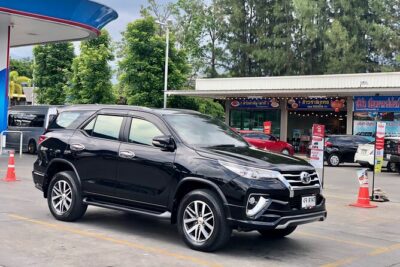
Chiang Mai temples are gorgeous, but most tours turn into a race. This format avoids that. You get hotel pickup and drop-off, an air-conditioned vehicle, and a driver who takes you between locations so you’re not stuck navigating taxi math or transit transfers.
That’s a big quality-of-life upgrade if you’re balancing heat, sun, and temple rules. It also keeps the day flexible. If you only want a couple of major temples and more time browsing, you can shape it. If you want the classic religious stops plus a market, you can do that too.
And because this is customized inside Chiang Mai City, you’re not traveling to far-flung areas just to fill a schedule. The tour is designed around what you pick, with the guide building a logical route based on geography and minimizing driving time.
You can also read our reviews of more city tours in Chiang Mai
How the customization really works (and how to pick smartly)
When you book, you list your preferred attractions. For a full day, you’ll note 3–4 favorites; for a half day, you’ll note 2–3. Your guide uses that list to craft the best schedule for your energy level and the distances between stops.
Here’s how I’d choose if you want the most payoff:
- Pick one “anchor” temple (a major site) and then add smaller texture stops.
- Include at least one market if you want the day to feel local, not only sacred.
- Keep the mix realistic: too many temple grounds can turn into repetitive photo-and-walk time.
The good part is that you’re not stuck with a rigid path. The tour is private, so you can keep your priorities clear. If you’re unsure, you can default to famous temple options like Wat Phra That Doi Suthep, Wat Phra Singh, or Wat Chedi Luang, and then round out with markets and streets.
The route, stop by stop: what each place gives you
Your exact order can vary based on what you select, but this is the full menu of stops you can build into your day. The tour is guided, which helps you move through temple sites with context instead of guessing your way around.
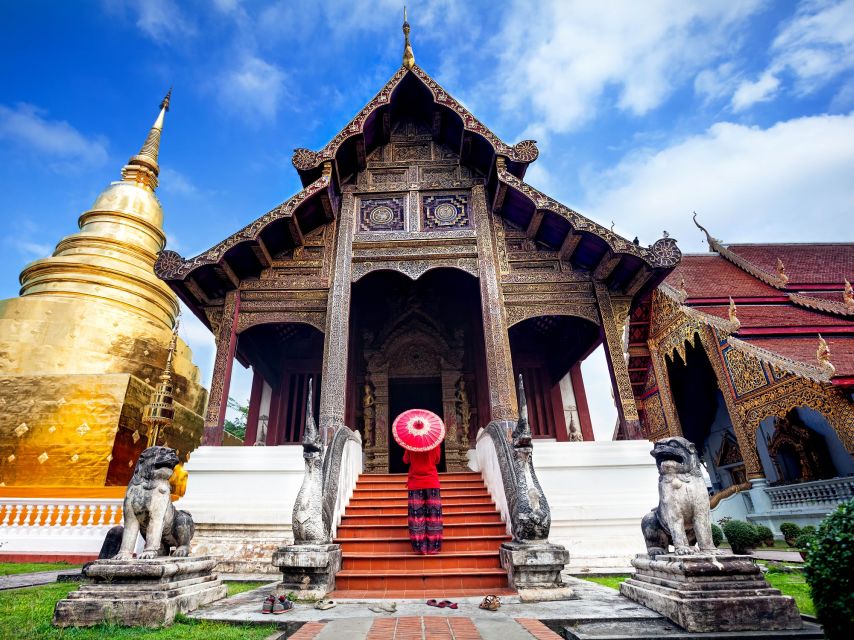
Wat Phra That Doi Suthep
This is one of the best-known sacred temple options on the list. If you’re choosing an anchor site, it’s a strong candidate. You’ll get a guided visit, which helps you understand what you’re seeing and how to behave respectfully on temple grounds.
Practical note: temple stops often mean walking on uneven surfaces and taking time to look. Wear your most comfortable shoes and expect the pace to be steady, not rushed.
Wat Phra Singh
Another sacred stop, guided. This is a good pick if you want a classic temple visit without overthinking it. Pairing it with another major wat makes for a satisfying religious “arc” during your day.



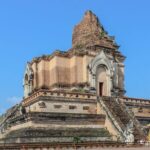
Wat Chedi Luang (Temple of the Big Stupa)
This temple’s nickname is built into the stop name, so it’s easy to remember what to look for. You’ll see it on a guided visit, which is useful because major temple sites can feel overwhelming if you’re trying to figure everything out alone.
Wat Phan Tao
This is a quieter-style add-on option on the list: another guided temple visit that can balance a bigger anchor site.
3 Kings Monument
This is a non-temple landmark option. If you want the day to include something beyond temple architecture, this works well as a pause point before you head back to wats or markets.
Wat Chiang Man (Chiang Mai’s oldest temple)
This is one of the “big names” on the list because it’s explicitly framed as Chiang Mai’s oldest temple option. With a guided visit, it’s easier to appreciate why that matters rather than treating it like another stop on a map.
Wat Lok Moli
A guided temple visit option that can add variety to your itinerary. If your choices lean heavily toward the Old City, it’s a helpful “middle” stop to keep the day flowing.
Wat Suan Dok
Another guided temple visit on the menu. I like this kind of stop when you want a bit more depth and a slower mood rather than jumping straight from market noise to the next major temple.
Wat Umong (tunnel temple)
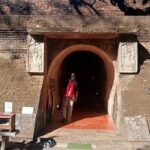
This one stands out on the list because it’s described as the tunnel temple. That unique framing is exactly why it’s worth considering: it can break up a day that might otherwise feel like visiting similar temple grounds back-to-back.
Wat Srisuphan (silver temple)
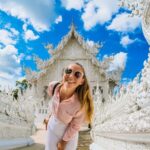
If you want an eye-catching cultural stop, this is the one. It’s explicitly called the silver temple, and you’ll have a guided visit so it’s not just about photos.
Warorot Market (Kad Luang)
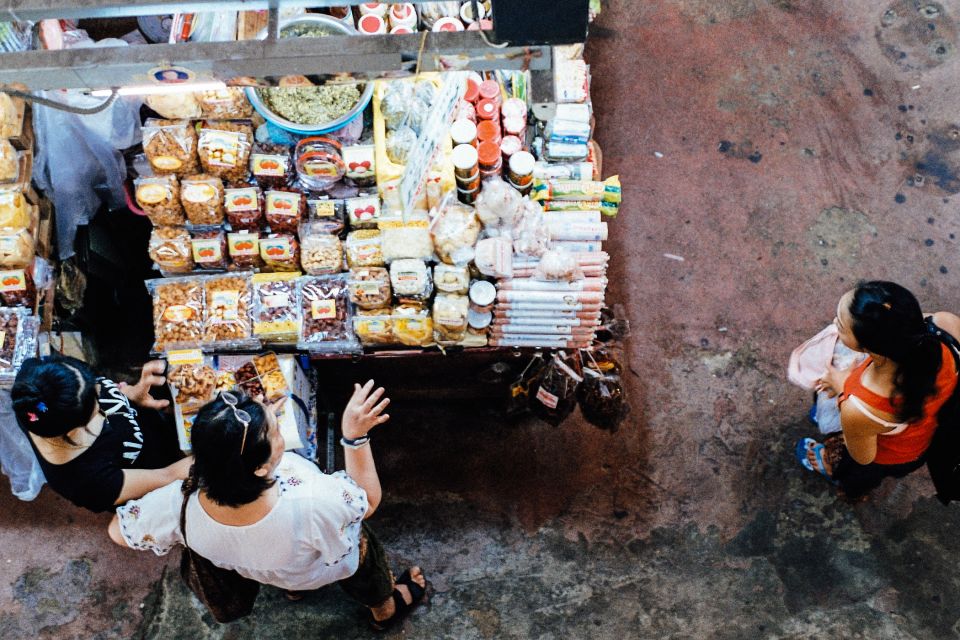
This is the market stop I’d prioritize if your main goal is food and local goods. The tour notes that you can browse clothes, local products, and food at Warorot Market, described as the most famous market in Northern Thailand.
Practical tip: bring small bills. Markets are where cash is simplest, especially when you’re tempted by snacks, fruit, or small handmade items.
Ton Lamyai Flower Market (fruit and flower market)
This adds a totally different sensory feel: fruit and flowers. If you like color and want a market stop that isn’t only about food, this is a great complement to Warorot Market.
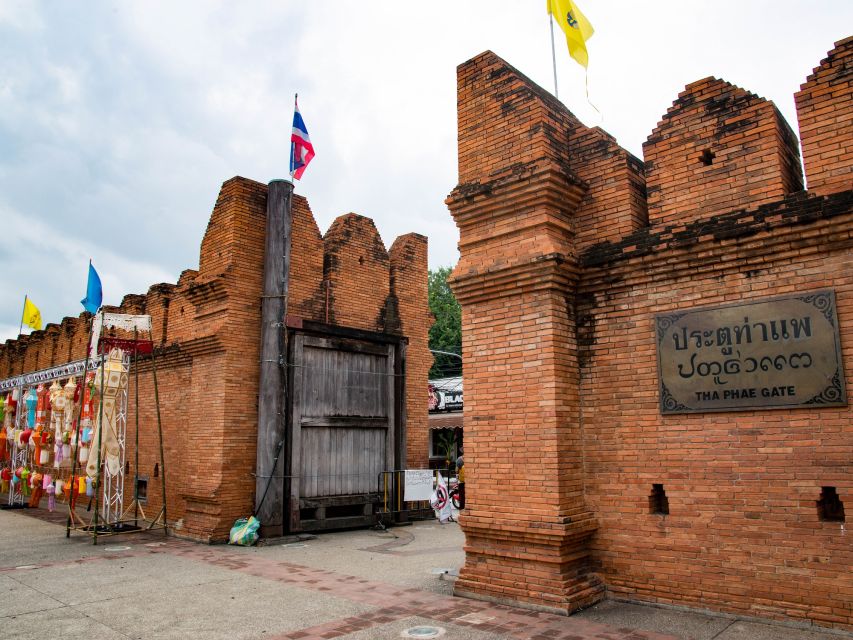
Tha Pae Gate
This is your eastern gate of the walled city. It’s a landmark pause that helps you orient yourself. If your day includes multiple temple grounds, stopping here gives your feet a break without leaving the historic center vibe.
Chang Moi Street (handicraft street)
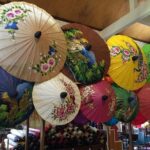
If you want souvenirs that feel more like real craftsmanship than mass-produced tourist stalls, this is the street to build into your day. The list describes it as known for selling handicrafts, which is exactly the kind of shopping that’s worth a bit of time.
Kruba Srivichai Monument
Another landmark option that can add a local flavor beyond temples and markets. It also works well as a short stop between larger locations.
Wat Pha Lat (Hidden Temple)
The list calls this the hidden temple, and that phrasing alone makes it an interesting option if you’re trying to avoid only the most famous names. Because it’s still a guided visit, it should feel less like you stumbled into a random site and more like it has meaning within the day’s story.
Driving comfort and timing: the underrated part of a good tour
You’re in an air-conditioned car, and that’s not a small thing. Chiang Mai heat and sun can drain you faster than you expect, and temples usually ask for a slow, careful pace.
A private car also lets you handle temple logistics without stress:
- You can take breaks without losing the group.
- You can move through crowded streets without doing the mental workload of navigation.
- You can prioritize what you actually care about, then stop when you’ve hit your personal limit.
The tour also includes drinking water. Combined with the low-impact note about water in glass bottles, it’s a thoughtful touch for a long day where you’re walking between sites and shopping.
Low-impact exploration: water in glass and carbon offsets
This tour is framed as a low-impact way to explore, with two specific elements called out:
- Providing water in glass bottles
- Offsetting carbon emissions with credits for every tour
If you’re trying to travel more responsibly (without turning your vacation into a guilt project), this is one of the easier ways to do it. You’re not asked to change your itinerary, just to accept a couple of practical greener choices as part of how the day runs.
What it costs and why it can still feel like value
The price is $94 per person for 5–10 hours, and it includes several things that usually cost extra if you book them separately:
- Hotel pickup and drop-off
- An air-conditioned vehicle
- An English-speaking driver
- Customized private routing within Chiang Mai City
- Drinking water
- Carbon offset credits
Entrance fees and food are not included, so you’ll want some cash or card budget for what you choose at each site and market. Still, when you add up private transport plus the flexibility of a tailor-made day, this can be good value if you’re traveling with a partner or group and want control.
This is also one of those tours where the real “cost” is your attention. If you’re the type who enjoys planning and wants the day to follow your taste, you’ll feel that value quickly.
Suitability: who this tour fits, and who should skip it
This tour is not listed as suitable for:
- Pregnant women
- People with mobility impairments
- People with heart problems
- People with respiratory issues
That’s a reminder that temple visits often involve walking and standing, plus the general physical demands of a full day. Even with car transport, you should assume you’ll be on your feet for meaningful chunks of time.
If you’re fit and comfortable with walking in warm weather and following temple dress rules, you’re in the right lane. If not, you may want a shorter plan with fewer stops.
Dress code and packing: don’t let clothing slow you down
This is one of the easiest ways to avoid stress at temples. Some sites have strict dress rules, and the guidance is clear:
- Clothes revealing shoulders, underarms, back, and knees are not allowed
- Shorts and short skirts are not allowed
- Bring a scarf and long-sleeved shirt as backups
Also pack:
- Comfortable shoes
- Sunglasses and sunscreen
- Hat and umbrella
- Insect repellent
- Camera
- Cash
This matters because you don’t want to waste time searching for cover-ups while everyone else is already waiting at a temple entrance.
What makes the best guides matter here
Because this is private and customized, your guide can shape the whole day. The tour notes that a tour guide is optional, and languages for the live guide are available in Chinese, English, and Spanish.
Some guides seem to do more than just read directions. I’ve seen mentions of guides like Charoen and Nick being especially strong at adapting to what a guest cares about and explaining Buddhism and Chiang Mai in a way that feels personal. Another guide, Philip, is noted for adjusting quickly when interests shift mid-planning. Ratcha is described as a great host with solid local depth.
Even if you don’t get those exact guides, the takeaway is simple: on a customized tour, the best experience happens when you communicate priorities clearly before you start moving.
Should you book this customized Chiang Mai city tour?
I’d book this if you want a private, air-conditioned temple-and-market day and you like having control over what you see. It’s especially smart for first-timers who want the classic names plus local shopping, without feeling trapped in a group schedule. The glass-bottle water and carbon offset credits are small, easy wins for travelers who care about impact.
Skip it or rethink your plan if you:
- Have tight mobility limits or a health condition that makes temple walking hard
- Want a lot of short, stop-start rushing between places
- Are very dependent on a specific guide language at the last minute
If you go for it, do one simple thing: when you list your 2–4 preferred attractions, also add a few words about what you want most (temples first, markets first, or a balanced day). Then you’ll get the kind of route that feels built for you.
If you’re deciding between booking now versus later, this option is offered with free cancellation up to 24 hours in advance and a reserve-now, pay-later approach.
FAQ
How many attractions can I choose for my customized itinerary?
You’ll indicate preferred attractions at checkout. For a full-day tour, list 3–4 favorites; for a half-day tour, list 2–3. The plan is built around those choices to keep travel time reasonable.
Are entrance fees included?
No. Entrance fees are not included, so you’ll want some money ready for temples and other paid areas.
What languages are available for the tour guide?
The live tour guide (optional) is listed in Chinese, English, and Spanish.
What is included in the tour price besides the sites themselves?
The tour includes hotel pick-up and drop-off, an air-conditioned vehicle, an English-speaking driver, drinking water, carbon emissions offset credits, and a customized private tour within Chiang Mai City.
Where does hotel pickup happen?
Pickup is included from hotels/registered accommodations in major downtown areas within a 5 km radius of Tha Pae Gate, including zones around the Old City Wall and nearby roads such as Chang Klan Road, Thapae Road, and Wualai Road. Pickup isn’t available from roadsides or shopping malls.
What should I wear to visit temples?
You should avoid shorts and short skirts, and dress appropriately so shoulders, underarms, back, and knees are covered. Bringing a scarf or cover-up is a smart idea since some sites have strict dress codes.