REVIEW · CHIANG MAI
Spiritual Sunrise Wat Doi Suthep, Pha Lat, Alms & Meditation
Book on GetYourGuide →Operated by Elephant Welfare Sanctuary · Bookable on GetYourGuide
Chiang Mai wakes up before the sun. This tour is built around Doi Suthep at dawn plus real participation in chanting, alms giving, and meditation with a former monk guide. I love how early you arrive, which means quieter temples and better light for photos. I also like the mix of classic landmark views and lesser-visited temple styles in the jungle. One possible drawback: the day starts at 5:00 am, and the uphill temple access may mean chilly mornings and early walking before you fully feel awake.
You’ll get picked up from three Old City–area meeting points and driven up to Wat Phra That Doi Suthep before the crowds and heat show up. Then the morning keeps moving: a short break, sunrise time, breakfast, and two more temple stops (including U-Mong’s tunnels). If you’re expecting a leisurely pace, plan for a structured morning with a lot packed into about five and a half hours.
Key Points You’ll Care About
- Ex-monk, long-ordained guide: your English guide is a former monk (often 8–20+ years) who can answer questions about rules and daily practice.
- Doi Suthep sunrise, early enough to breathe: you reach the pagoda and viewpoints while monks are just starting their day.
- Participate, don’t just watch: chanting, basic meditation, and a Thai-style alms offering moment.
- Temple mix that feels different: Wat Pha Lat (jungle setting with Lanna/Myanmar influences) and U-Mong (tunnel/forest peace).
- Small group (max 9): it’s easier to hear instructions and join rituals without getting lost.
- Two ways up the hill: 306 steps or a tram option, so you can match it to your legs.
In This Review
- First Light at Doi Suthep: Why This Tour Works
- The 5:00 AM Pick-Up and Ex-Monk Guide Factor
- Walking 306 Steps (or Taking the Tram): Getting Up the Hill
- Chanting and Basic Meditation: What You Actually Do
- Sunrise at the Pagoda: Photos, Views, and Quiet Timing
- Alms Offering the Thai Way: A Moment That Feels Personal
- Breakfast With Local Flavor Before the Temple Hopping
- Wat Pha Lat: Jungle Temple Energy and Lanna-Myanmar Touches
- U-Mong (Underground Temple): Tunnels and Peace
- Transport, Timing, and the Small-Group Advantage
- Price Value: Is $59 Worth It for a Monk-Led Morning?
- What to Bring (and What to Wear) for a Respectful Dawn
- Who This Tour Fits Best (and Who Should Skip)
- Should You Book This Sunrise and Alms Tour?
- FAQ
- What time does the tour start and end?
- Where are the pickup locations?
- How do you get up to Wat Phra That Doi Suthep?
- Is there meditation included?
- What does the alms offering include?
- How many temples are visited?
- What meals are included?
- What language is the tour guide?
- What should I wear and bring?
- Who is this tour not suitable for?
- The One Question You Should Answer Before You Go
First Light at Doi Suthep: Why This Tour Works
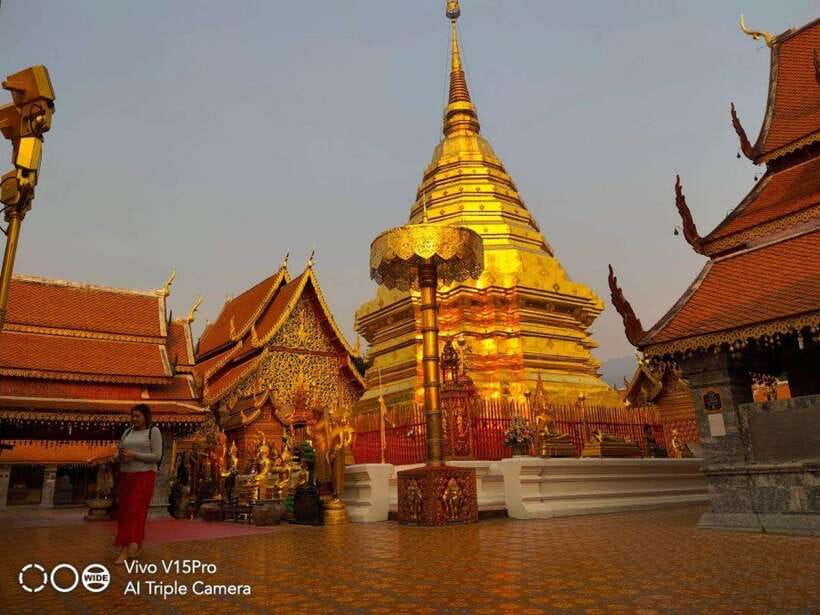
The star here is Wat Phra That Doi Suthep, Chiang Mai’s most famous landmark on the peak of Doi Suthep Mountain. The big value is not just seeing the gold pagoda and the city view. It’s being there at dawn, when the temple is still waking up, monks are beginning their morning routine, and the air feels less rushed.
You’ll also get a real sense of morning temple life. The tour is timed so you don’t arrive for a sleepy museum moment. You arrive for a living ritual moment—bells, chanting, and the quiet focus that comes before the day gets busy.
The 5:00 AM Pick-Up and Ex-Monk Guide Factor
Your morning begins with pickup around 5:00 am from one of three locations: Hotel M (opposite Thapae Gate), Wat Chedi Luang (main entrance opposite 7-Eleven), or Chang Phueak Gate. From there, you head by air-conditioned SUV/van toward the mountains.
What makes this tour feel different is the guide. This isn’t a generic history script. Many groups are led by ex-monks who have been ordained for years (often described as 8–20+ years), and they’re ready to explain both the spiritual meaning and the practical “how to behave” details. In past groups, guides like James, Tu, Non, Blue, and others were praised for storytelling, humor, and clear explanations of what you’re actually doing in the rituals.
And yes, the start is early. You might feel groggy at pickup, but you’ll also be the kind of person who gets the sunrise that most people only hear about later.
You can also read our reviews of more tours and experiences in Chiang Mai

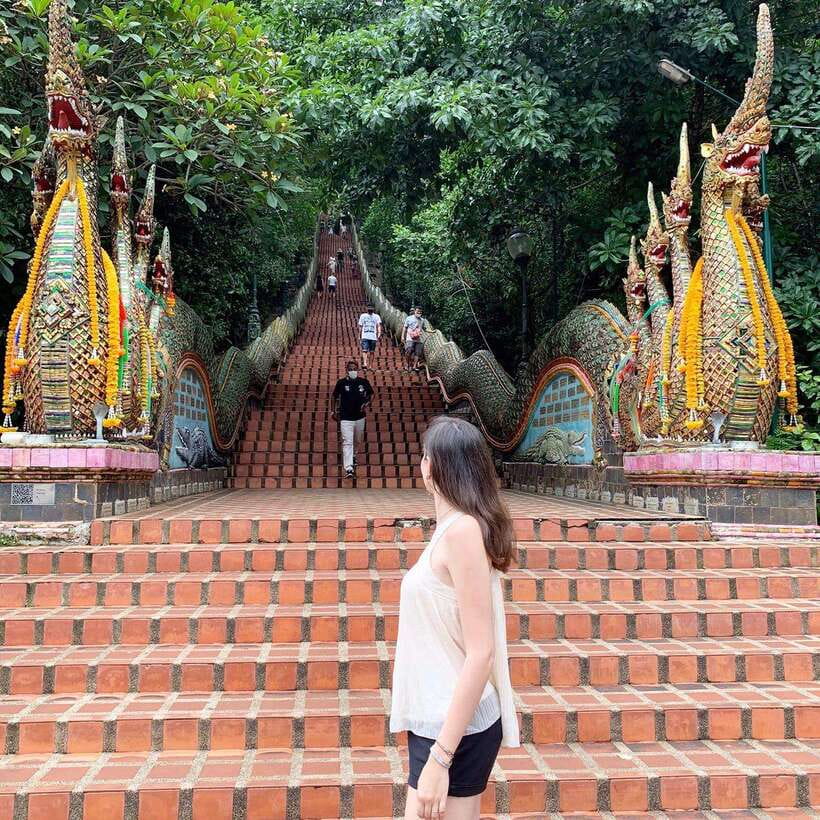
Walking 306 Steps (or Taking the Tram): Getting Up the Hill
At Wat Phra That Doi Suthep, you have a choice for the climb: 306 steps or a tram option. The tour describes it as pretty easy if you choose to walk, but it also respects that not everyone wants stairs in the dark.
This choice matters because it affects your energy for the rest of the morning. If you walk, you’ll build momentum quickly and arrive warm (and possibly a little breathless). If you take the tram, you’ll arrive with more calm energy to settle in for chanting and meditation.
Bring a long-sleeved layer and long pants. The clothing rules are not just about style; temples expect respectful coverage, and the early morning can be chilly depending on the season.
Chanting and Basic Meditation: What You Actually Do
Once you’re at the temple, the morning shifts from travel mode to ritual participation. You’ll join monks chanting and get guided through basic meditation for relaxation of body and mind, framed as building positive energy.
This is where the ex-monk guide really earns their pay. Guides in past groups (including named ex-monks like James and Tu) were repeatedly praised for making the spiritual ideas understandable without turning it into a lecture. You’re not just told to sit. You’re coached on what to focus on and how to follow along respectfully.
One practical note: Buddhist temple schedules can vary. On at least one group day, the meditation part was adjusted due to a monk holy day. If you’re really set on a specific sequence, keep a flexible mindset. You’ll still be at the right place for chanting and the core ritual flow.
Sunrise at the Pagoda: Photos, Views, and Quiet Timing
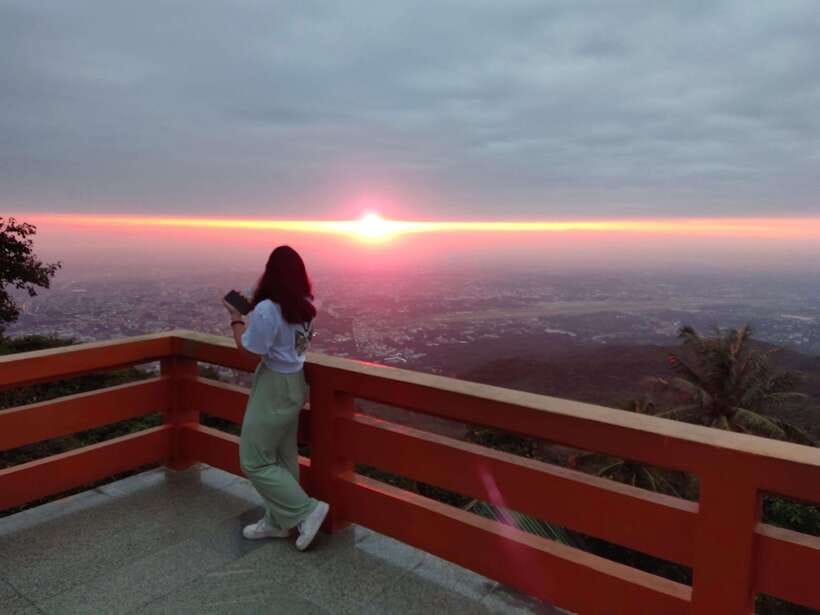
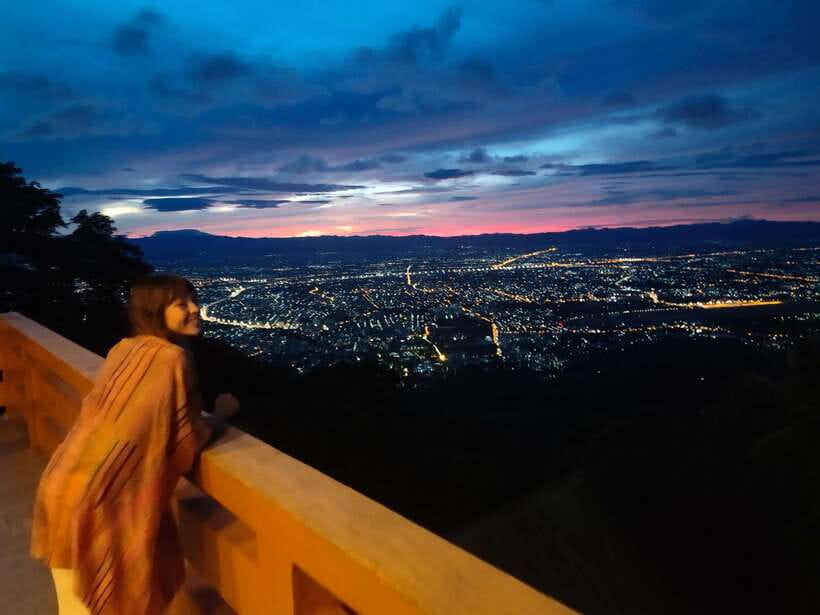
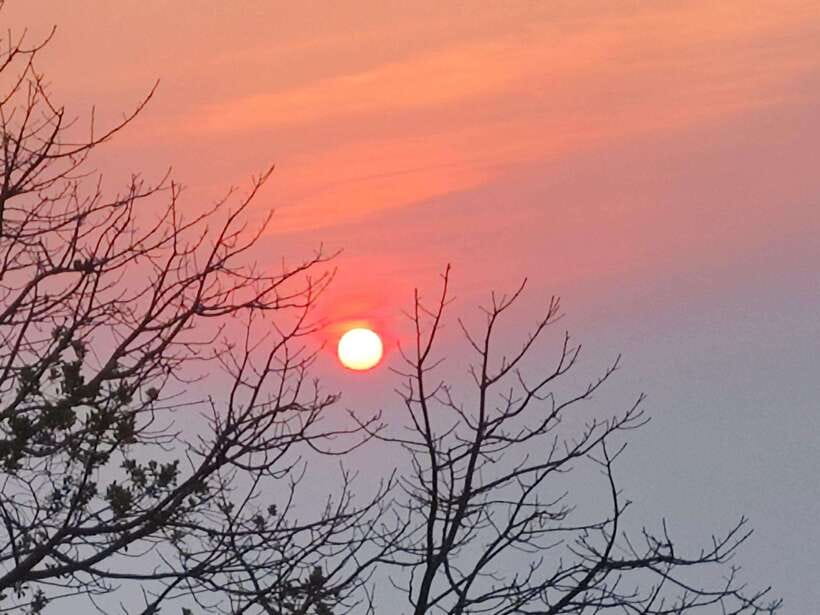
Watching sunrise at Doi Suthep is the payoff for the alarm clock. From the pagoda area and viewing platform, you can see panoramic views over Chiang Mai and out toward the mountains as the morning sky changes.
The practical advantage of this tour’s timing is simple: fewer crowds and better calm. You have space to watch the sun come up without fighting for position, and the light is ideal for photos. In past experiences, guides also helped groups with picture timing and angles, so you’re not stuck snapping shots at random.
If you’re a photographer, this is also a “move with the moment” kind of stop. The most dramatic colors tend to happen in a short window. So listen to your guide, arrive where they point, and be ready when they say it’s time.
Alms Offering the Thai Way: A Moment That Feels Personal
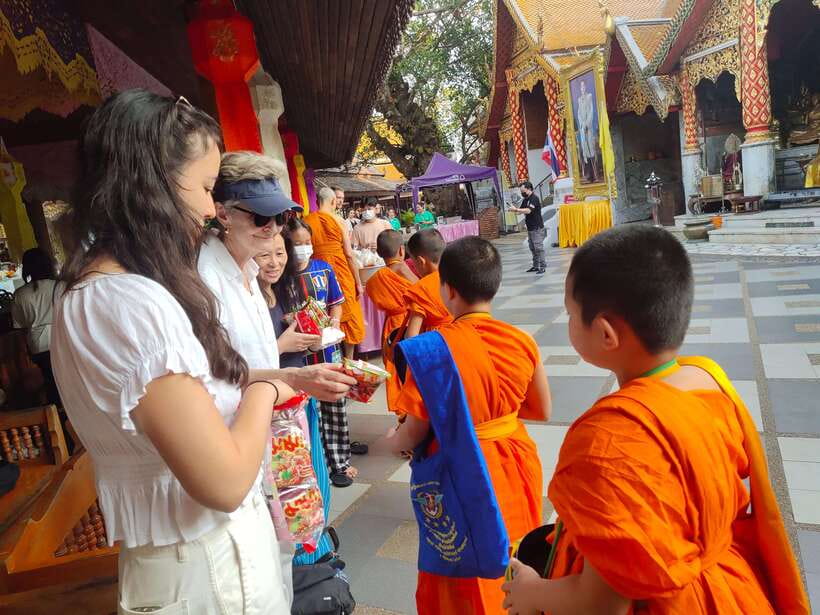
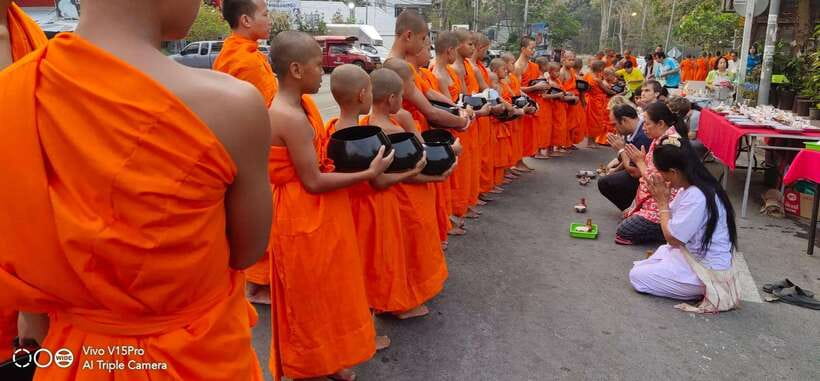
This tour includes food for alms offering and a chance to do it in the Thai way. After sunrise and the guided moments at the temple, you’ll participate by offering food to monks and then receive a blessing from them for prosperity, good fortune, and staying safe.
There’s a difference between watching a ritual and joining it. The alms ceremony is structured, respectful, and slightly nerve-wracking at first—until you have a guide who explains what’s expected. That’s why this tour keeps repeating the same core idea: the guide sets you up for the right behavior before you step in.
If you want a spiritual experience that feels real rather than staged, this is usually the part people remember most. Not because it’s dramatic. Because it’s focused, quiet, and human.


Breakfast With Local Flavor Before the Temple Hopping
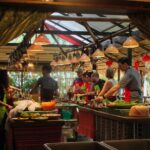
Before you head to the other sites, the tour includes breakfast with a local dish (often Khao Soi or another Thai local option). You’ll also be in the “temple day” rhythm, where eating isn’t an afterthought.
This matters because you’ll likely be walking, standing, and waiting in cool early hours. Food keeps your energy steady for the second and third temples, which are less about one big wow view and more about atmosphere and quiet details.
Wat Pha Lat: Jungle Temple Energy and Lanna-Myanmar Touches
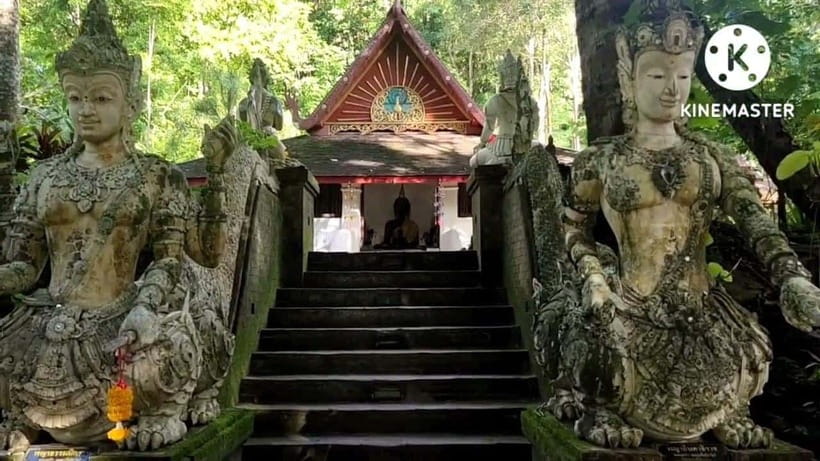
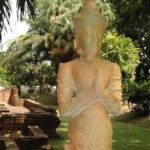
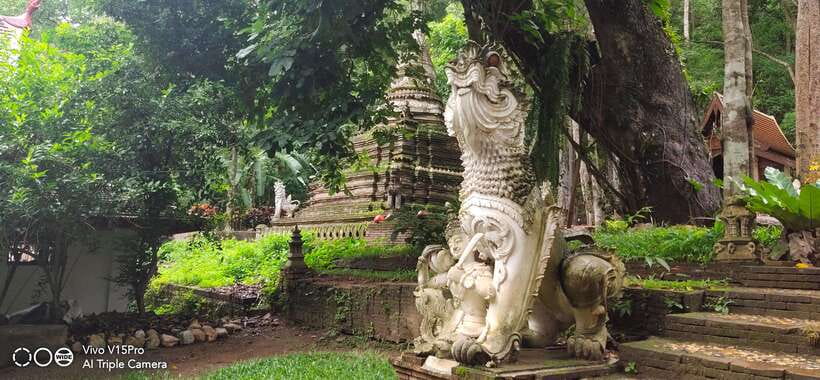
After Doi Suthep, you’ll stop at Wat Pha Lat, described as a more peaceful “jungle” temple. This is the part of the itinerary that gives you contrast: big landmark dawn view first, then a quieter site with an ancient-feeling feel.
Wat Pha Lat is noted for mixing Lanna and Myanmar architectural influences, and it’s often praised for being different from the more famous temple circuits. In other words, it’s not just another pagoda stop. You’re walking through a temple atmosphere that feels more tucked into nature.
Time here is guided (about an hour). That means you’ll get the important highlights without turning it into a long wandering day. If you love slow temple strolling, you might wish you had more time here, but the schedule protects the sunrise-driven structure of the morning.
U-Mong (Underground Temple): Tunnels and Peace
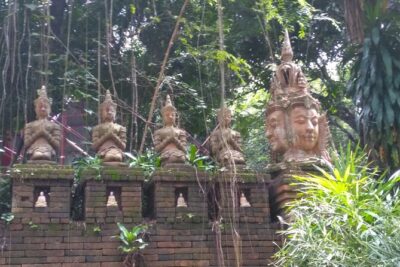
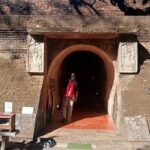
Your final temple stop is U-Mong (also called the underground temple). The tone shifts again toward serenity. This site is known for its tunnel-like structures and a quiet surrounding environment.
The value of finishing with U-Mong is psychological. After the dawn excitement and the alms ceremony, the tunnels help you settle. You end the tour with a calmer type of wonder—less about sunrise colors, more about stillness and how temple spaces are used for retreat and refuge.
Guided time here is shorter (about 40 minutes), so you’ll want to pay attention to what your guide points out—because the “why this matters” is often what makes a tunnel temple click.
Transport, Timing, and the Small-Group Advantage
The itinerary runs about 330 minutes total, roughly 5:30 hours, typically finishing around 10:30 am. There’s a drive up (about 45 minutes) and later van time (about 45 minutes), with temple time broken into guided blocks.
A key detail: the group is limited to 9 participants. That changes the experience. In a small group, you can actually hear instructions for rituals, and your guide can correct or help you step into the ceremonies the right way.
Also, transport is air-conditioned in a small SUV or VIP van depending on group size. Bottled water is included, which matters when you’ve been outside early.
Price Value: Is $59 Worth It for a Monk-Led Morning?
At $59 per person, you’re paying for more than entry tickets. You’re paying for early access timing, guided participation (chanting, meditation, alms), and a licensed English ex-monk guide, plus transport and breakfast.
If you were to self-guide, you could probably find temples and sunrise viewpoints. But you wouldn’t get the same coaching on ritual behavior, and you likely wouldn’t arrive at the same hour with the same sequence. Also, having someone who can explain what you’re seeing while you’re standing inside it makes a big difference.
Where the cost can feel less “worth it” is if you’re mostly there for photos and prefer a quick stop. This tour is structured like a spiritual morning, not a photo scavenger hunt. If you want a relaxed temple crawl, you might feel the schedule is full. If you want meaning plus atmosphere plus sunrise, the price is easier to justify.
What to Bring (and What to Wear) for a Respectful Dawn
Don’t overthink it, but do pack smart. You’ll want:
- Camera
- Cash
- Long-sleeved shirt and long pants
Shorts are not allowed. That’s a hard rule, so plan outfits accordingly.
Seasonal comfort matters too:
- Rainy season (July–October): bring an umbrella
- Winter months (Dec–Feb): bring a jacket
Even if you dress warmly, early mornings on the mountain can still feel cold. You’re standing for sunrise, not just walking through.
Who This Tour Fits Best (and Who Should Skip)
This is best for you if you:
- want a Doi Suthep dawn experience that feels quiet and real
- appreciate spiritual context and guided participation
- like temple variety in one morning (landmark + jungle temple + tunnel retreat)
It’s not a fit if you need wheelchair access, and it’s listed as not suitable for people with diabetes or babies under 1 year. The walking element, early timing, and overall schedule make it less workable for those needs.
Should You Book This Sunrise and Alms Tour?
If you’re choosing just one “temple morning” in Chiang Mai and you want it to feel purposeful, I think this is a strong pick. The combination of early arrival, monk-led explanations, chanting/meditation participation, and alms offering hits the sweet spot of culture and spirituality without turning it into a vague tour.
Book it if you’re okay with an early start and you want to participate rather than observe from the sidelines. Skip it if you want a slow brunch-style morning or you’re sensitive to cold and stairs. If you can handle the 5:00 am wake-up, you’ll likely feel the day’s momentum right from the first bell at Doi Suthep.
FAQ
What time does the tour start and end?
Pickup is at 5:00 am and the tour finishes around 10:30 am (approx.). The total duration is about 330 minutes.
Where are the pickup locations?
You can be picked up at Hotel M Chiang Mai (opposite Thapae Gate), Wat Chedi Luang (main entrance opposite 7-Eleven), or Chang Phueak Gate.
How do you get up to Wat Phra That Doi Suthep?
You can walk up 306 steps, or you have the option to take the tram.
Is there meditation included?
Yes. The program includes monks chanting and basic meditation as part of the experience.
What does the alms offering include?
You’ll receive food for alms offering to monks and you’ll participate in a Thai-style offering moment, followed by a blessing.
How many temples are visited?
You visit three temples: Wat Phra That Doi Suthep, Wat Pha Lat, and Wat Umong.
What meals are included?
There is a local dish breakfast included, plus food provided for the alms offering.
What language is the tour guide?
The tour is guided in English.
What should I wear and bring?
Wear a long-sleeved shirt and long pants, and bring a camera and cash. Shorts are not allowed.
Who is this tour not suitable for?
It is not suitable for wheelchair users, people with diabetes, and babies under 1 year.
The One Question You Should Answer Before You Go
Are you ready to trade sleep for a quiet dawn, monk-led participation, and the kind of temple morning you can’t get by walking in later? If yes, this is an easy decision. If not, you may prefer a later temple tour.