REVIEW · CHIANG MAI
Old Town Chiang Mai Food Tour with 10+ Local Dishes Tastings
Book on Viator →Operated by Secret Food Tours · Bookable on Viator
Start your Chiang Mai map with your stomach. This Old Town walking tour mixes northern Thai classics and a few calmer temple moments, then pulls in one very thought-provoking stop tied to rehabilitation work. You’ll taste at least 10 dishes across multiple venues without having to do the research yourself.
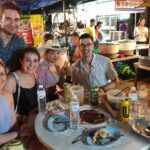
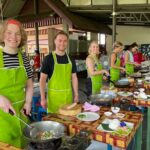
I like the way the tour builds variety fast: grilled-in-banana-leaf sticky rice, chicken satay with peanut sauce, and the spicy, roasted-rice-laced laab khua all show up early in the flavor lineup. I also love the human side—guides such as Warat, Nicha, and Varisa are repeatedly mentioned for being friendly, chatty in a helpful way, and tuned into what to eat (including where to find great khao soi).
One thing to consider: the pace is focused on a handful of core food stops where tastings stack up. If you expected 10 separate venue entrances to photograph back-to-back, you may feel differently about the number of stop locations.
In This Review
- Key highlights you’ll actually feel
- Entering Old Town Chiang Mai Through Food, Not Guesswork
- Morning vs Afternoon: Choosing Your Best Culinary Clock
- Three Kings Monument to Wat Inthakhin: Temples That Set the Scene
- Intrawarorot Road: The Street-Food Sprint You’ll Actually Remember
- Chiang Mai Women Correctional Institution Vocational Training Center
- Prapokklao Road Desserts: Sweet Stops and Northern Colors
- Wat Lok Molee: Finishing the Walk with a Temple Moment
- What You’ll Taste: The 10+ Dish Menu (and why the mix works)
- Price and Value: Why $54 Can Be a Smart Deal
- Guides Make It Personal: Warat, Nicha, Varisa, and Nutnicha
- Small-Group Walking Reality Check (12 People Max)
- Who Should Book This Tour (and who should pass)
- Quick Checklist Before You Go
- Should You Book This Old Town Chiang Mai Food Tour?
- FAQ
- How long is the Old Town Chiang Mai food tour?
- How much does the tour cost?
- How many dishes will I taste?
- Is there a morning and afternoon option?
- Where does the tour start and end?
- What are some of the dishes included?
- Which stops will be included on the route?
- Can the tour accommodate dietary requirements?
- How big is the group?
- What if the weather is bad?
Key highlights you’ll actually feel
- 10+ tastings built around northern Thai favorites, not just snacks
- Morning or afternoon scheduling so you can match your energy level
- Temples at the start and end help you place Old Town in context
- A visit to a vocational training center connects food with rehabilitation work
- A small group capped at 12 travelers keeps the walk from feeling chaotic
- A fun finish with butterfly pea ice cream and bua loi
Entering Old Town Chiang Mai Through Food, Not Guesswork
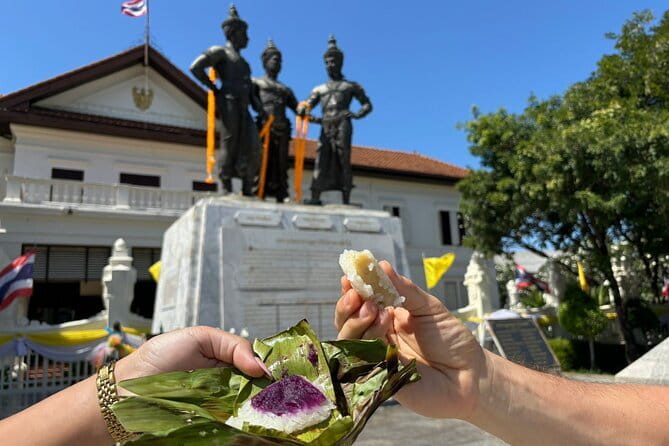
This tour is a practical way to understand Chiang Mai without turning your trip into a research project. The route starts with two short temple stops, then quickly moves into street-food mode, where you can actually feel how northern Thai meals work: mix of textures, heat from spicy salads, and comfort foods like noodles and coconut desserts.
The big value here is how the tastings are arranged. Instead of one long sit-down meal, you get a sequence of different flavors—savory, spicy, grilled, creamy, and sweet—so you can remember the city by taste. That matters when you only have a few days and want your eating to feel like sightseeing.
You can also read our reviews of more food & drink experiences in Chiang Mai
Morning vs Afternoon: Choosing Your Best Culinary Clock
You can pick either a morning or an afternoon tour, which sounds simple until you notice how much food tours depend on timing. If mornings are your jam, you’ll likely hit the street-food and dessert rhythm with a lighter day ahead. If afternoons work better, you can pace your day around markets and temple visits you already planned.
Either way, expect a walking experience across Old Town. With a duration listed around 2 hours 50 minutes to 3 hours 20 minutes, plan this for a day segment when you don’t need to rush to another reservation immediately after.
Three Kings Monument to Wat Inthakhin: Temples That Set the Scene
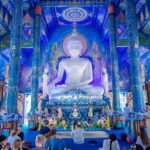
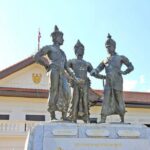
The meeting point is Three Kings Monument, and the first stop area includes a nearby small temple visit. This is a smart opener because it gives you grounding right away—Old Town is full of religious sites, and the tour uses that context to make what you’re walking past feel less random.
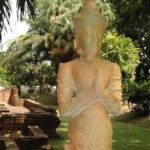
Next comes Wat Inthakhin Sadue Muang, another short temple visit. You won’t just see a pretty building and move on; the tour is set up to explain why the place matters and how it connects to the rest of the walking route. Since the time at these early stops is brief (about 20 minutes and 10 minutes), you’re not getting stuck in long sightseeing waits.
If you’re the type who likes a quick culture hit before you start eating, this opening style fits well. If you prefer to skip temples entirely, you may still enjoy it because the stops are short and tied to the route’s overall story.
Intrawarorot Road: The Street-Food Sprint You’ll Actually Remember
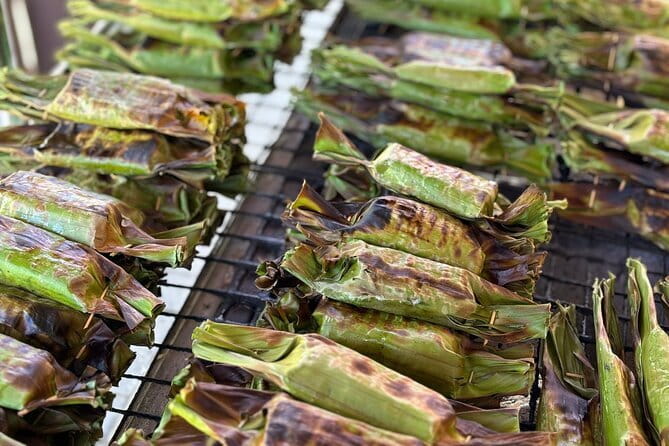
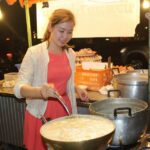
After the temple intro, the tour shifts gears. On Intrawarorot Road, street vendors take over, and you start with the kind of flavors you’ll want to chase later in your own searches.
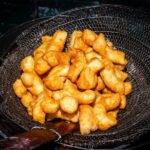
The tastings you’re set up to try here include grilled-in-banana-leaf sticky rice, chicken satay skewers with peanut sauce, plus fried snacks. This is classic northern street-food logic: sticky rice for heft, satay for salty-sweet satisfaction, and fried bites to keep the walk moving.
One practical benefit of a street-food-heavy middle section: you can compare flavors across vendors without having to menu-scan like you’re speed-reading Thai. You’re guided through what matters—what to eat, and how the dishes fit together.
Chiang Mai Women Correctional Institution Vocational Training Center
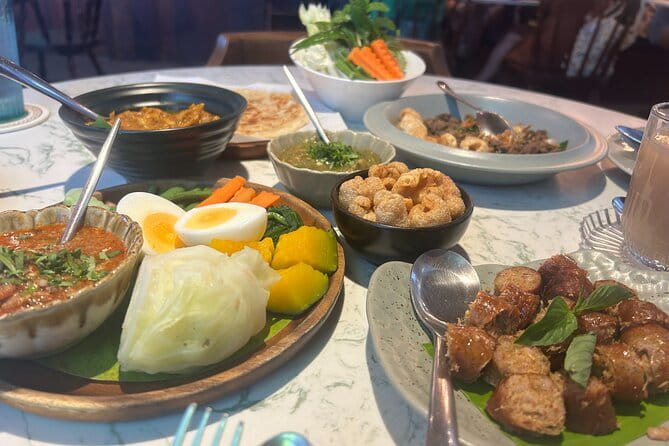
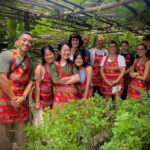
This is the stop with the strongest “why this exists” factor. You’ll visit the Chiang Mai Women Correctional Institution Vocational Training Center, and the tour specifically frames the connection between redemption and massage. It’s a thoughtful pause in a day that otherwise moves quickly through food.
While there, you’ll also be sipping a refreshing Thai tea and sampling famous local dishes. That combination matters: you get context for the work behind the scenes, then you taste the food in a way that feels more purposeful than a normal restaurant stop.
The time here is listed around 30 minutes, so it’s not a long lecture. It’s enough time to reset your brain, understand the human side of the stop, and then return to eating with a different perspective.
You can also read our reviews of more tours and experiences in Chiang Mai

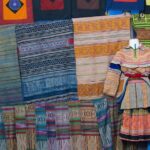
Prapokklao Road Desserts: Sweet Stops and Northern Colors
After the center stop, the route heads to Prapokklao Road, where desserts take control. This part of the tour is designed to end the savory run with something more playful—good if you want your last bites to feel lighter and fun.
You’ll taste local desserts that leave you with a sweet impression, and the menu also includes two standout dessert items that connect directly with this portion of the day:
- Butterfly pea ice cream, paired with bua loi (rice balls in coconut cream)
Butterfly pea is one of those ingredients that turns a dish into an experience. The color alone grabs attention, but the pairing with bua loi gives you a creamy, comforting finish that doesn’t feel like you’re just eating sugar for the sake of it.
If you tend to get dessert fatigue easily, pace yourself during the earlier savory stops so you can enjoy this part when it arrives.
Wat Lok Molee: Finishing the Walk with a Temple Moment
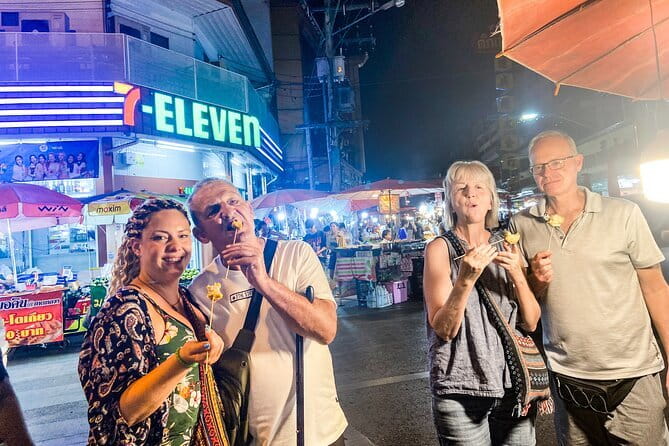
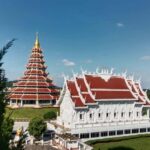
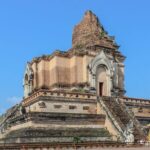
The tour ends at Wat Lok Moli (often written as Wat Lok Molee), with the walk wrapping up about five minutes away from the temple. This final stretch is a good way to close the loop: you start with temple landmarks and finish with another one, which helps Old Town feel like a coherent area rather than isolated corners.
The tour describes Wat Lok Molee as one of Chiang Mai’s charming temples, and the finish time is about 30 minutes. You’ll have enough time to slow down after eating, take photos, and look back at the places you just learned to “read” with your new food knowledge.
What You’ll Taste: The 10+ Dish Menu (and why the mix works)

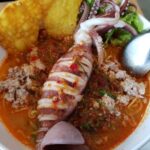
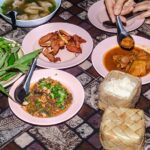
The tour’s menu is structured so you get both northern Thai signatures and street-level staples. Here’s what’s included in the listed tastings:
Savory starters and snacks
- Grilled-in-banana-leaf sticky rice
- Chicken satay skewers with peanut sauce
- Laab khua: spicy minced meat salad with roasted rice powder
- Sai ua: Northern Thai sausage
Vegetable and comfort food
- Stir fried pak boong (morning glory)
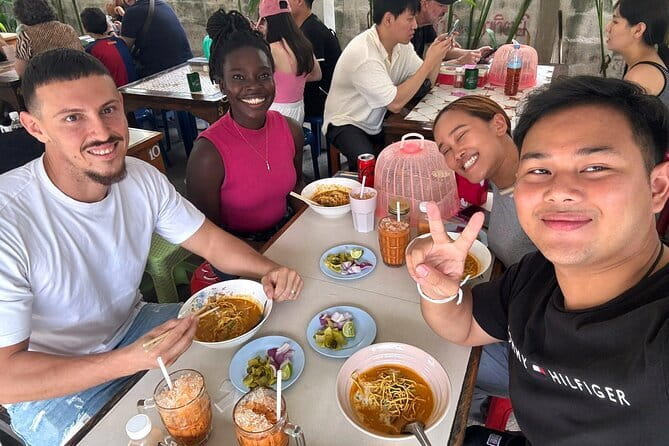
- Khao soi: creamy coconut curry noodles
Sweet bites
- Khanom krok: sweet and savoury coconut-rice mini pancakes
- Butterfly pea ice cream with bua loi (rice balls in coconut cream)
And then there’s a secret dish—not detailed in the information provided, but clearly part of what you pay for. In practice, that kind of uncertainty is fun because it breaks the “I know what everything will taste like” mindset.
Why this mix matters: you’re not only eating one style of food. You get spicy, creamy, grilled, crunchy, and chewy in one route. It makes it much easier to remember northern Thai cooking when you’re back in your room later.
Price and Value: Why $54 Can Be a Smart Deal
At $54 per person, the value mostly comes from three things:
First, you’re paying for time plus structure. The tour lasts roughly 2h50 to 3h20, with multiple stops and guide direction so you don’t burn your limited Chiang Mai hours figuring out what to order.
Second, the tasting list is unusually specific. You’re not told vague things like street food. You’re given a set menu of dishes that covers meat, noodles, vegetables, and desserts, plus Thai tea and the secret dish.
Third, the group size is capped at 12 travelers, which usually keeps questions from feeling awkward and helps the pacing stay human. That small-group format is a big part of why guides like Warat, Nicha, and Varisa show up in recommendations: people can actually interact, not just follow.
Potential drawback on value: if you end up feeling that the “stop count” is lower than expected, you might want to focus on what you’re really getting—more than ten tastings rather than ten separate doors.
Guides Make It Personal: Warat, Nicha, Varisa, and Nutnicha
This tour’s most praised aspect is the guides. The names that show up clearly include Warat, Nicha, and Varisa (with Nutnicha also mentioned). Across those experiences, the common threads are:
- friendly and warm hosting
- clear dish explanations
- extra local tips, including where to find great khao soi
- pointing out temple or museum-style spots you might want to revisit later
That last point is key for you if you like planning your trip day-by-day. A good guide doesn’t just feed you; they help you turn what you walk past into options for later.
One caution: because the focus is food-first, if you want constant narration with zero downtime, you may need to ask questions during the walk. Some people prefer a guide who talks more on command; others are happiest letting the food lead.
Small-Group Walking Reality Check (12 People Max)
This is a walking route in Chiang Mai’s Old Town, and it works best if you’re comfortable moving at a tourist pace while stopping for tastings. The tour is also marked as near public transportation, and you’ll use a mobile ticket, which makes the start smoother once you’re at the meeting point.
Because it’s capped at 12 travelers, you generally won’t feel like you’re in a conveyor belt. That also means you can ask about dishes and get answers that actually relate to what you’re eating right now.
And yes—since the menu and route can change based on availability and weather, plan on a flexible mindset. Food tours rarely go 100% identical in every city, and the “subject to change” note is part of what keeps the experience practical.
Who Should Book This Tour (and who should pass)
This tour is best for you if you want:
- northern Thai food without the planning work
- a guided route that includes short temple stops at the start and finish
- variety: spicy salad, noodles, grilled rice, sausage, and desserts in one outing
- a small-group format where you can ask questions
You might skip it if:
- you strongly prefer seeing lots of separate venues as separate “events,” not tasting multiple dishes in fewer stop locations
- you’re sensitive to walking time and want a fully seated experience
Quick Checklist Before You Go
- Wear comfortable walking shoes. It’s a guided Old Town walk.
- Think about your priorities: temples are brief, but food is the center of gravity.
- If you have dietary needs, contact the operator in advance. Dietary requirements are specifically noted as something they want you to flag ahead of time.
Should You Book This Old Town Chiang Mai Food Tour?
If you’re hungry for northern Thai flavors and want the city to make sense through what you eat, I think this is a smart booking. The dish list is concrete, the pace is built for tastings (not just sightseeing), and the guides—often named Warat, Nicha, and Varisa—are a major part of the appeal.
One last decision tip: ask yourself whether you care more about tasting depth or number of physical stop locations. If it’s the tastings that matter most, this tour is built for you.
FAQ
How long is the Old Town Chiang Mai food tour?
The tour runs about 2 hours 50 minutes to 3 hours 20 minutes.
How much does the tour cost?
It’s $54.00 per person.
How many dishes will I taste?
You’ll sample at least 10 different dishes, with multiple tastings across different venues.
Is there a morning and afternoon option?
Yes. You can choose between a morning or afternoon tour.
Where does the tour start and end?
It starts at Three Kings Monument and ends near Wat Lok Moli (the tour ends about 5 minutes away from the temple).
What are some of the dishes included?
The included tastings include items such as grilled-in-banana-leaf sticky rice, chicken satay with peanut sauce, laab khua, sai ua, khao soi, khanom krok, and butterfly pea ice cream with bua loi (plus a secret dish).
Which stops will be included on the route?
The itinerary includes stops at Three Kings Monument, Wat Inthakhin Sadue Muang, Intrawarorot Road, Chiang Mai Women Correctional Institution Vocational Training Center, Prapokklao Road, and Wat Lok Molee.
Can the tour accommodate dietary requirements?
You should contact the operator in advance with any dietary requirements so they can cater for you as best as possible.
How big is the group?
The maximum group size is 12 travelers.
What if the weather is bad?
The tour requires good weather. If it’s canceled due to poor weather, you’ll be offered a different date or a full refund.