REVIEW · CHIANG MAI
Private-Tour Doi Suthep Temple and Khun Chang Kien Village Half-Day
Book on Viator →Operated by Touring Center · Bookable on Viator
A temple morning, then village reality. This private half-day gives you the best kind of contrast: Doi Suthep’s golden stupa and calm courtyards, followed by a look at Khun Chang Khian Hmong life with a guide who actually explains what you’re seeing. I particularly liked how the visit isn’t just photo stops, and how the guide turns Buddhism and local traditions into something you can follow in plain language. One thing to consider: the Hmong village stop can feel more like a focused cultural visit than a big marketplace, and the open-truck road can be a bit rough on narrow stretches.
In This Review
- What you’ll feel from the tour
- Key points worth knowing
- A half-day that mixes Buddhist temple focus and village life
- Khun Chang Khian Hmong Village: crafts, everyday routines, and tea time
- Wat Phra That Doi Suthep: golden stupa, terraces, and temple etiquette
- The ride and timing: minivan comfort plus an open-truck link
- Price and logistics: why this costs $87.47 and what you get
- What you learn with a guide like Tui
- Who this tour suits best (and who might want a different plan)
- The practical bits you should pack and plan for
- Weather matters
- Should you book this Doi Suthep and Khun Chang Khian tour?
- FAQ
- How long is the private tour?
- What time does the tour start?
- Where does the tour meet, and where does it end?
- Is hotel pickup included?
- What’s included for the Doi Suthep visit?
- Do we stop for tea or coffee?
- Will we ride an open truck?
- Is there free cancellation?
What you’ll feel from the tour
This tour runs about 5 hours and keeps moving without rushing. Air-conditioned van comfort handles most transfers, then you get a more hands-on feel on the shorter open-truck segment. If you like temples but also want to understand how people live beyond the tourist script, this is a strong fit.
Key points worth knowing
- Two cultures, one route: Buddhist temple time at Doi Suthep plus Hmong village learning at Khun Chang Khian
- Tea and coffee with a view: a planned stop breaks up travel with community-supported refreshments
- Covered temple etiquette: knees and shoulders need to be covered at Doi Suthep
- Private group experience: only your group participates, so questions actually get answered
- Guide-driven understanding: a good English guide (like Tui) can connect rituals to everyday meaning
- Road comfort varies: an open truck can mean bumpy moments on narrow roads
You can also read our reviews of more private tours in Chiang Mai

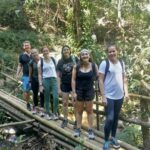

A half-day that mixes Buddhist temple focus and village life
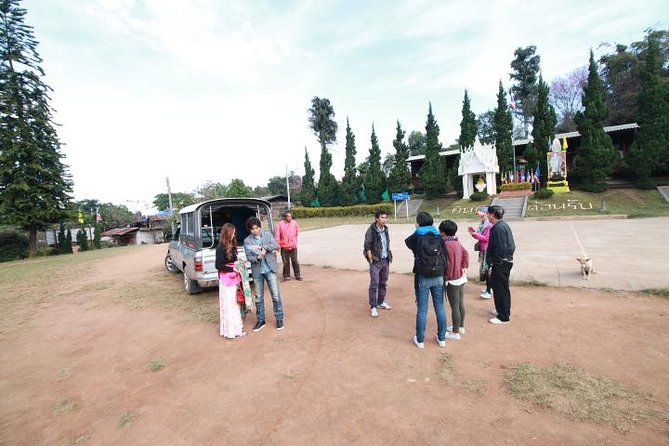
You go to Chiang Mai expecting temples. You come back with something else too. This tour is built around two places that people tend to treat separately. Here, they’re stitched together into one morning: Wat Phra That Doi Suthep for Buddhist practice and symbolism, then Khun Chang Khian for Hmong daily life, crafts, and local history.
What I liked most is that the pacing makes both parts make sense. Doi Suthep doesn’t turn into a sprint up and down. You get time in the temple compound to notice the terraces, courtyards, and the golden stupa that pulls the eye the moment you arrive. Then the village visit shifts the tone. It’s not just standing around in front of costumes. You’re shown how people live, what they value, and how their community has changed over time, including museum-style context.
The only caution I’d give is expectations. If you want a huge, all-day market experience, the village stop is more structured and limited by time. If you want a clear, guided cultural visit, it works well.
Khun Chang Khian Hmong Village: crafts, everyday routines, and tea time
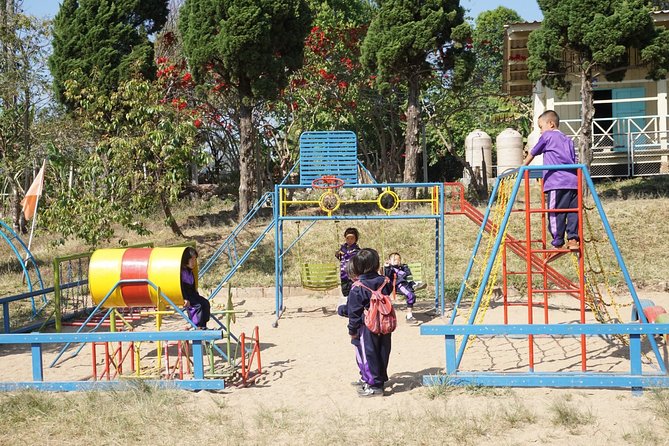
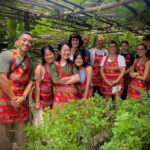
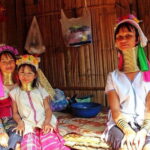
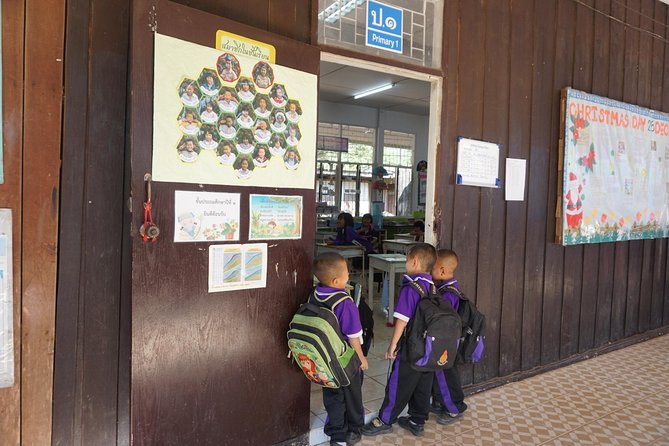
Khun Chang Khian is the kind of place where the details do the talking. You’re not dropped off with a map and a hope. Your guide keeps things grounded, and you’re given time to walk around and meet people, observe local routines, and understand the village’s way of life.
A big part of the experience is the learning angle. The tour includes a chance to meet villagers and learn about their lives. You also get museum-style context, so you’re not only looking at present-day culture but also getting a sense of how the community’s story fits into the wider region. That matters because without any framework, a village visit can feel like a set of scenes. With the context, it starts to feel like a living timeline.
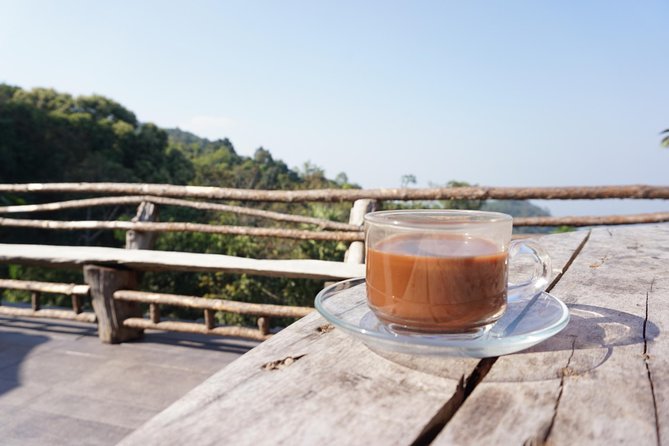
Then there’s the tea and coffee stop in the village area. The tour specifically builds in morning tea or coffee with biscuits, and it’s described as community support. For me, this is one of those practical breaks that also helps the day feel human. You get a moment to slow down, ask questions, and decide what you want to look for next while you’re still mentally fresh.
One more note from real-world experience: the village portion may not satisfy everyone the same way. Some people will want more time, more craft shopping, or more dramatic scenery. If you’re expecting a major entertainment-heavy experience, you might feel slightly underwhelmed. If you’re here for understanding and conversations, it’s a solid, respectful stop.
Wat Phra That Doi Suthep: golden stupa, terraces, and temple etiquette
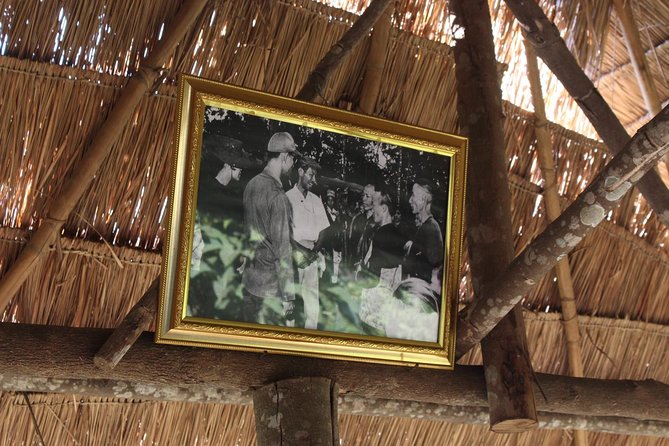
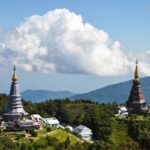
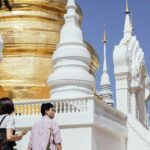
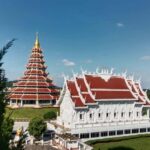
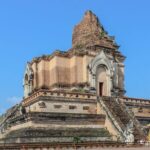
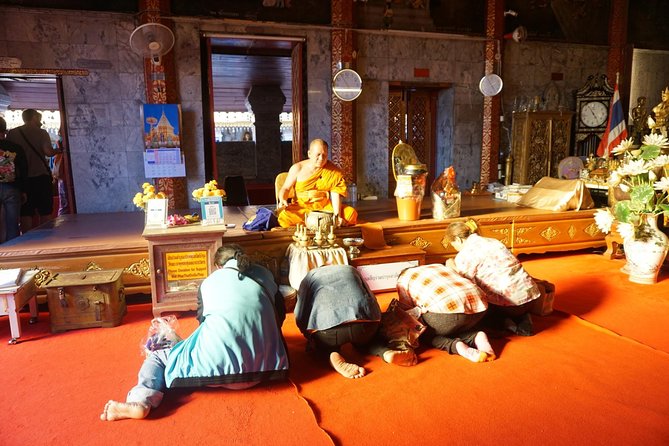
Then you shift back into temple mode at Wat Phra That Doi Suthep. This is one of northern Thailand’s major temples, and you feel that in how the compound is organized. The focus is on the golden stupa, plus the terraces and courtyards around it, where people come for worship and for quiet.
Your guide’s job here is huge. If you’re not sure what you’re looking at, temple visits can turn into “pretty structures” with no deeper meaning. With a good explanation, those elements start to connect to Buddhist beliefs, rituals, and the purpose of the visit. In one guide experience shared by guests, Tui stood out for explaining Buddhist monks, teachings, and rituals in a way that made the region’s spiritual story click. That kind of interpretation is exactly what improves the temple experience from sightseeing into real understanding.
Plan for temple etiquette before you arrive. Dress code is smart casual, with knees and shoulders covered while visiting the temple. It’s simple, but it prevents last-minute stress. If you’re in shorts or a tank top, fix it before you leave town.
Time-wise, you should expect around an hour to an hour and a half exploring the temple compound. That’s long enough to notice details and also catch your breath when needed. You’re not forced to rush through the most important parts.
The ride and timing: minivan comfort plus an open-truck link
The tour balances comfort and authenticity in how it moves. The main transport is an air-conditioned minivan with a professional driver, which helps a lot in Chiang Mai’s morning heat. You’re also provided water, and there’s tea or coffee during the village visit.
Then comes the open-truck segment. The tour includes transport by a small open truck between the Doi Suthep Temple area and the Hmong village. That’s a classic northern feel: less sealed, more exposed, and more “you’re actually going somewhere.” The upside is the views and the change of pace. The downside is road comfort. One experience report flagged that the drive can feel unpleasant on a narrow road, especially if you’re sensitive to bumps or sudden turns.
If you’re the type who gets motion discomfort easily, it might be smart to bring what you need (like basic travel motion remedies) and sit where you feel safest. If you’re comfortable with rougher roads, you’ll probably enjoy the open-air character of it.
Also, remember it’s a half-day that starts at 7:30 am. That early timing is part of the value: you get the main sights without eating your whole day.
You can also read our reviews of more tours and experiences in Chiang Mai



Price and logistics: why this costs $87.47 and what you get
At $87.47 per person, you’re not paying for just a driver. You’re paying for a guided morning with included transport, refreshments, and temple access.
Here’s what that money turns into on the ground:
- Hotel pickup and drop-off for hotels within 6 kilometers of the Three Kings Monument
- A professional English-speaking guide
- Air-conditioned minivan transport
- Doi Suthep admission included
- Transfers that include the open truck segment to the village
- Morning tea or coffee with biscuits, plus bottled water
- Travelling accident insurance
- Alcohol isn’t included, but it’s available to purchase
That mix is the core value. Doi Suthep admission alone would push the cost up if it weren’t included. Add guided context at both stops and you have something that’s harder to replicate on your own without careful planning.
Pickup details matter too. If your hotel is outside the pickup zone, there’s a surcharge (the tour notes THB500 per way for 6–15 km and THB1,000 per way for 16–30 km). If you’re staying close to central Chiang Mai, you’ll feel like the tour fits neatly into your vacation. If you’re farther out, double-check the pickup range so you’re not surprised by the extra cost.
Finally, this is a private tour/activity with only your group participating, and a minimum of 2 people per booking is required. That can be great for families or small friend groups who want a calmer schedule and more conversation time.
What you learn with a guide like Tui
The difference between an okay tour and a great one is usually the guide’s explanations. On this route, that’s especially true because you’re moving between two very different cultural contexts.
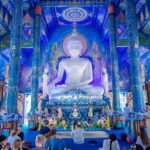
At Doi Suthep, the guide’s interpretation helps you connect the golden stupa and temple rituals to what Buddhism teaches, what monks do, and why visitors behave the way they do. One shared experience highlighted Tui’s strength here: explaining monks and their teachings, plus the rituals tied to the temple. When that kind of narration is present, you stop wondering and start understanding.
At Khun Chang Khian, the same principle applies. Without guidance, you might focus mainly on appearance and crafts. With guidance, you also learn about how people live, how traditions carry forward, and how history is explained through the village museum component.
If you like asking questions, a private format is a bonus. Your guide can spend time where you want, whether you’re more interested in religious practice, daily life, or how crafts fit into survival and community identity.
Who this tour suits best (and who might want a different plan)
This tour is a good match if you:
- want one morning that covers both a major temple and a hill-tribe village
- like guided context instead of self-guided wandering
- can handle short travel segments and a bit of open-air riding
- have smart casual clothing for temple dress code
It might be less ideal if you:
- want a long, unstructured market-style village experience
- are very sensitive to uneven or narrow-road driving
- expect the village visit to be extremely expansive in time and shopping options
Also, the tour notes moderate physical fitness is recommended. That doesn’t mean you need to be an athlete, but you should be comfortable with walking inside temple and village areas for the allotted time.
The practical bits you should pack and plan for
This is a morning tour, so keep it simple:
- Wear something easy to cover for the temple: knees and shoulders must be covered.
- Bring sunscreen and a hat, since you’re outdoors at least parts of the day.
- Expect you’ll be in motion: minivan transfers plus the open truck.
- Bring a light layer if you get chilly early, since 7:30 am can feel cooler than you expect.
And one more tip: this tour includes tea/coffee and water, but it doesn’t include breakfast or lunch. If you’re hungry by late morning, plan a meal afterward.
Weather matters
The tour requires good weather. If poor weather cancels the experience, you’ll be offered a different date or a full refund. This is one of those trips where rain doesn’t just make things unpleasant; it can affect how comfortable the drive and outdoor parts feel.
Should you book this Doi Suthep and Khun Chang Khian tour?
If you want a smart, guided half-day that connects temple spirituality with village life, I’d book it. The biggest reason is not the sites themselves. It’s the structure: guided temple time at Doi Suthep plus a village visit that includes meeting villagers and museum-style context, with tea/coffee built in so the day doesn’t feel rushed or mechanical.
Choose this tour especially if you like learning from a guide and you want a private schedule that feels calmer. If your main goal is shopping, or if you’re very uncomfortable with rougher roads, you might prefer a different format.
Overall, this is a good value morning in Chiang Mai because it bundles admission, transportation, and guided cultural meaning into one clean block of time.
FAQ
How long is the private tour?
It runs about 5 hours.
What time does the tour start?
The start time is 7:30 am.
Where does the tour meet, and where does it end?
It starts at Coffee Plus14 on Rachadamnoen Rd Soi 5, and it ends back at the meeting point.
Is hotel pickup included?
Hotel pickup and drop-off are included for hotels located within 6 kilometers of the Three Kings Monument.
What’s included for the Doi Suthep visit?
Doi Suthep admission is included, along with guided time exploring the temple compound.
Do we stop for tea or coffee?
Yes. The tour includes morning tea or coffee with biscuits, plus bottled water, and there is also coffee and/or tea included.
Will we ride an open truck?
Yes. The tour includes transport by a small open truck from Doi Suthep Temple to the Hmong village.
Is there free cancellation?
Yes, you can cancel up to 24 hours in advance for a full refund. If it’s canceled due to poor weather, you’ll be offered a different date or a full refund.