REVIEW · CHIANG MAI
Chiang Mai: Temple & City Tour Part II
Book on GetYourGuide →Operated by Journey D Travel · Bookable on GetYourGuide
Four temples. One calm walking route.
What makes this Chiang Mai temple experience interesting is how it strings together Wat Chiang Man—built in 1296 by King Mengrai—with the crystal Buddha connection, then keeps going to three more sites that explain the city’s mix of Tai, Shan, and Burmese influence.
I also really like the people angle: the guides are often great at translating Buddhist practice into everyday terms, including how to enter temples properly and what to focus on during quiet moments (I’ve seen names like Katoon and Mr. Big come up). The only real drawback is the heat—this is a walking day—so plan for sweating, not comfort.
In This Review
- Key Things That Make This Tour Worth Your Morning
- How This Chiang Mai Temple Walk Works From the 08:20 Start
- Wat Chiang Man: 1296 Origins and the Crystal Buddha Connection
- Wat Chiang Yuen: Shan Residential History in a 16th-Century Temple
- Wat Pa Pao: A Shan-Burmese Temple Outside the Old Walls
- Wat Ku Tao: The 1613 Chedi Story and Prince Saravadi
- Guides Who Teach Buddhism, Etiquette, and Calm Focus
- Price and Value: Why This $31 Day Feels Fair
- Practical Stuff to Pack: Umbrella, Water, Cash, and Clothing Rules
- Who Should Book This Temple & City Tour Part II
- Should You Book This Temple Walk in Chiang Mai?
- FAQ
- What time does the tour start?
- How long is the tour?
- What does the tour cost?
- What’s included in the price?
- Is food included?
- What languages are the guides?
- What should I bring?
- Is this tour refundable if plans change?
Key Things That Make This Tour Worth Your Morning
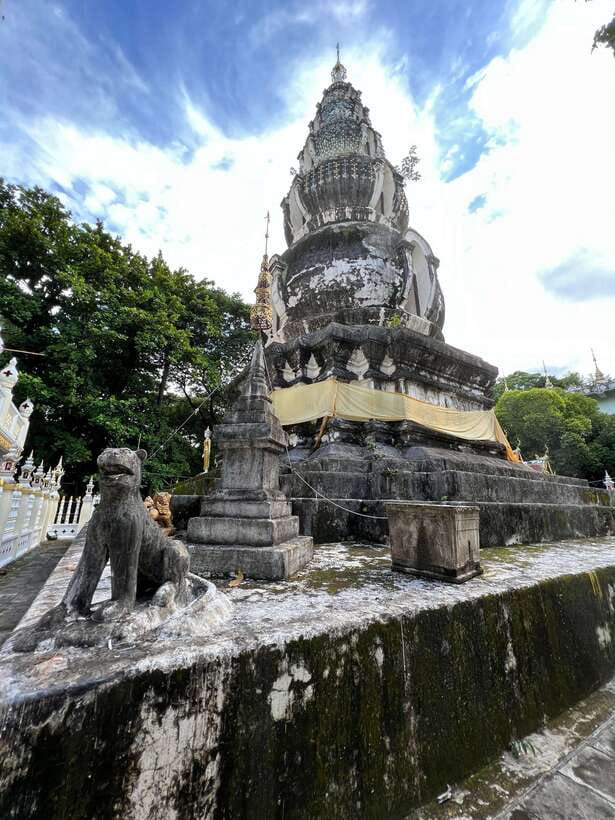
- Wat Chiang Man’s 1296 roots: the oldest temple in Chiang Mai town, tied to King Mengrai and the crystal Buddha tradition.
- Shan history at Wat Chiang Yuen: a 16th-century temple linked to Shan residential life in the area.
- Shan-Burmese style at Wat Pa Pao: outside the old city walls and moats, adding a different look and feel.
- Wat Ku Tao’s unusual chedi: said to be built in 1613 to hold the ashes of Prince Saravadi, the first Burmese overlord of Chiang Mai.
- Photo-friendly guidance: the guides help with pacing and angles so you get temple moments without rushing.
How This Chiang Mai Temple Walk Works From the 08:20 Start
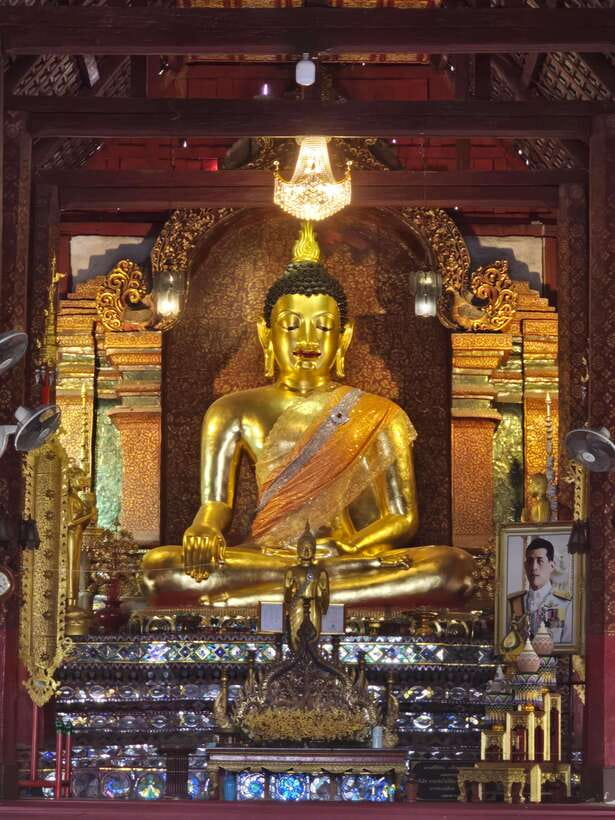
This is a walking temple route built around four stops, with a start time of 08:20 that helps you beat some of the day’s heat. The structure is simple: you’ll move from temple to temple, pause for explanations, and get enough time inside the main areas to understand what you’re looking at.
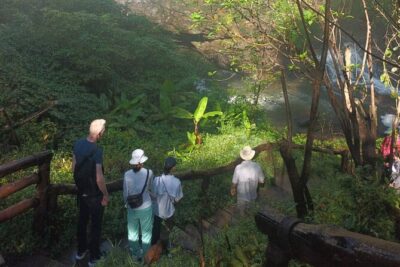
Because it’s a walking day, the “easy” part is about effort, not comfort. You’ll want to treat it like a real stroll with breaks: bring water, plan for sunlight, and wear shoes you trust. The good news is that the route is designed for getting close to the temples without feeling herded through.
One more plus: the experience puts focus on lowering environmental impact, including carbon-emission offsetting. It’s not just temples on a checklist; it’s meant to be a responsible way to experience Chiang Mai’s spiritual side.
You can also read our reviews of more city tours in Chiang Mai
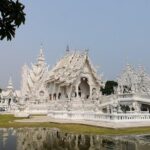
Wat Chiang Man: 1296 Origins and the Crystal Buddha Connection
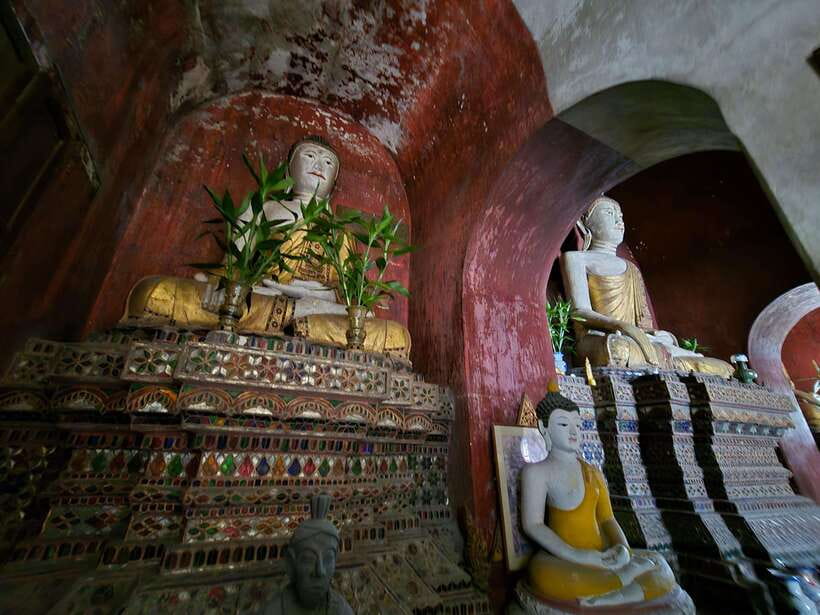
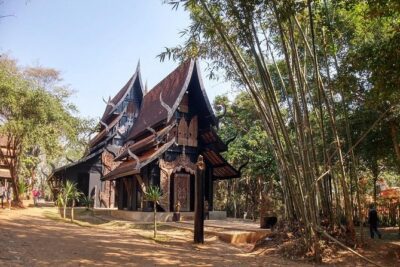
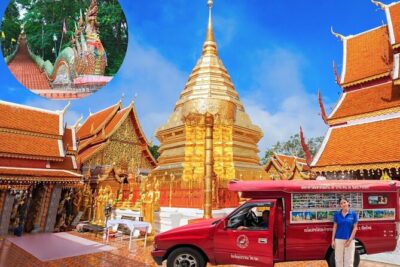
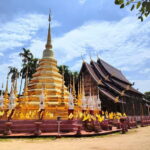
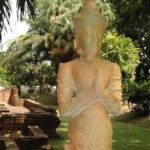
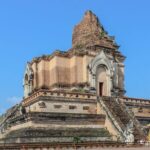
Your first major stop is Wat Chiang Man, widely known as the oldest temple in Chiang Mai town. It was built in 1296 by King Mengrai, and it’s tied to the story of a crystal Buddha that was enshrined there.
What I like about starting here is that it gives you a “first chapter” before you move on. Once you understand Chiang Mai’s early royal-era foundation, the later temples make more sense. You can start spotting patterns—how different communities, rulers, and belief systems left marks on architecture and sacred spaces.
Practical note: this is a temple visit, so expect calm, respectful behavior. If you want better photos, your guide’s pacing matters—good temple photos come from waiting a few seconds for the right light and staying put long enough for the space to feel less chaotic.
Wat Chiang Yuen: Shan Residential History in a 16th-Century Temple
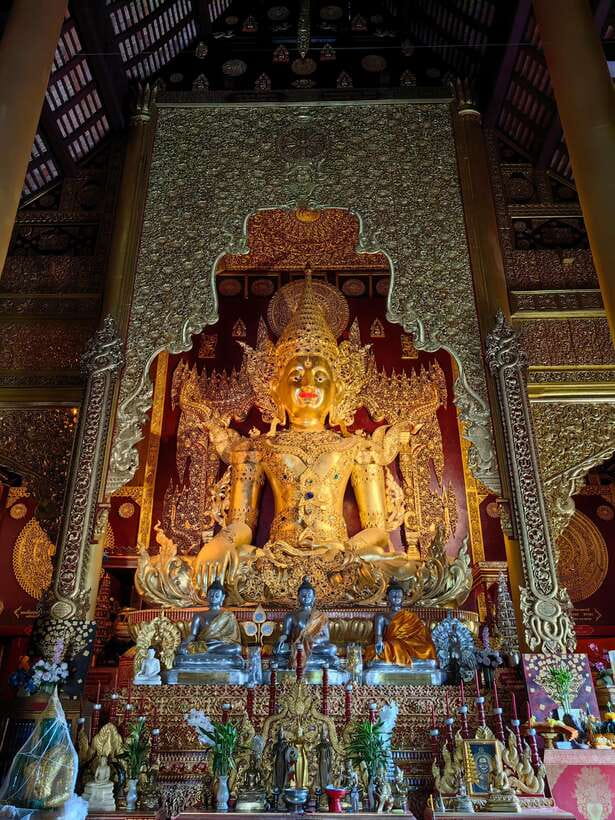
Next comes Wat Chiang Yuen, a 16th-century temple located in an area that historically served as a residential space for the Shan people. That detail changes how you look at the place. Instead of seeing a “pretty temple stop,” you start seeing a neighborhood of belief—where people lived, practiced, and connected through community life.
This stop is especially valuable if you’re the kind of traveler who wants context: why a temple is where it is, and what kind of society it belonged to. The Shan connection helps explain Chiang Mai’s broader cultural blend, including how different groups shaped religious art and temple traditions over time.
Drawback to consider: this sort of history-heavy stop can feel slower than the big “wow” temples, but that’s also the point. It’s a chance to understand the city’s social layers, not just its surfaces.
Wat Pa Pao: A Shan-Burmese Temple Outside the Old Walls
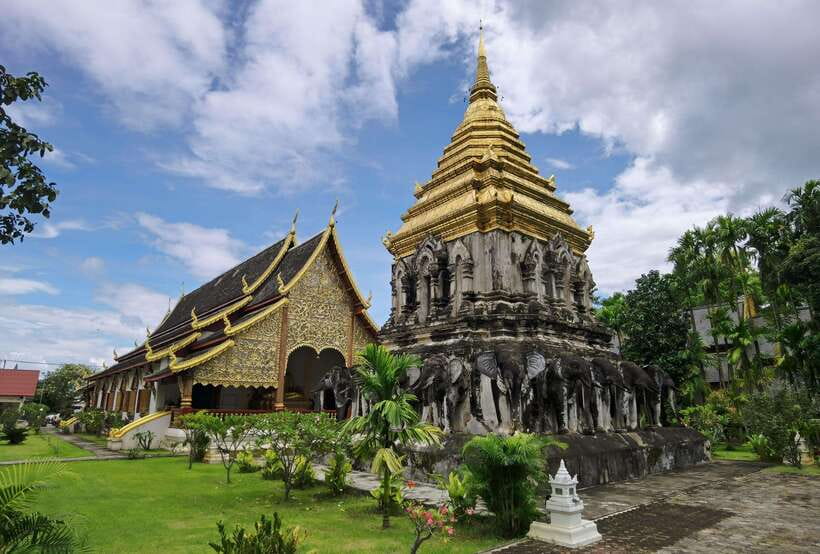
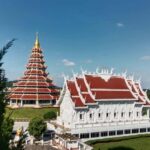
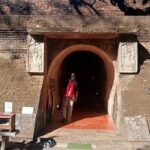
Then you’ll head to Wat Pa Pao, known for its Shan Burmese style. It’s located outside the old city walls and moats, which is a big deal. Being away from the old fortifications gives the temple a different energy—less of the old-city postcard feel, more of the local spiritual rhythm.
This is one of the places where a guide really earns their money. Temple styles can look “similar” at a glance until someone explains the details you should notice—structure, artistic influence, and how the style fits the history of the region.
If you’re hoping for the best photos, come with patience. You might want that extra minute to reposition for the right angle, and a good guide will generally help you get there without turning the visit into a sprint.
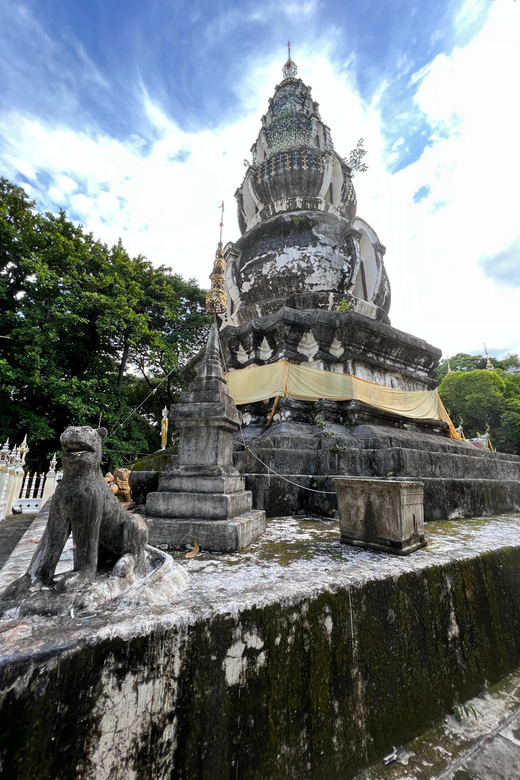
Wat Ku Tao: The 1613 Chedi Story and Prince Saravadi
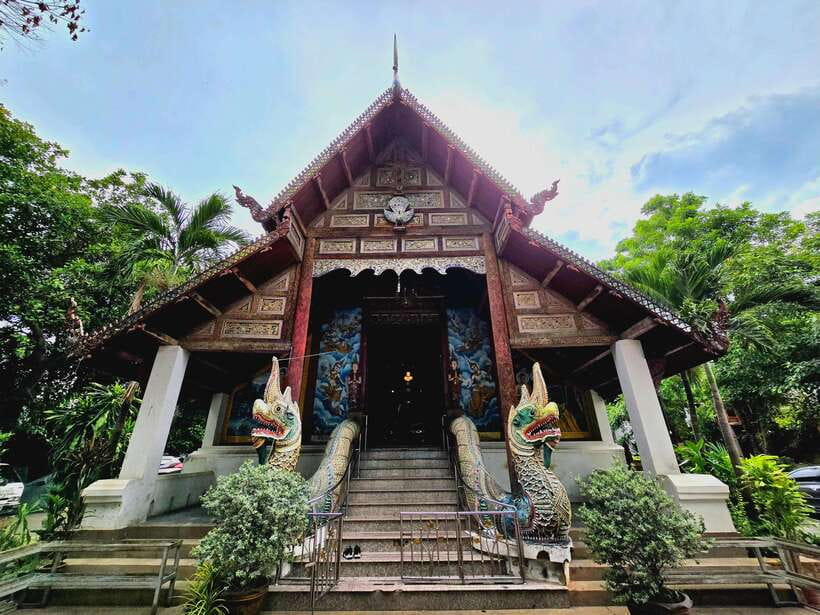
The last featured stop is Wat Ku Tao, home to a chedi that’s described as unusually distinctive. The story attached to it is powerful: it’s thought to have been built in 1613 to hold the ashes of Prince Saravadi (1578–1607), the first Burmese overlord of Chiang Mai.
This final temple ties your day together. You began with Chiang Mai’s early royal foundation, passed through Shan residential history, saw a Shan-Burmese style temple in the wider city, and then finished with a monument linked to Burmese rule. By the end, the temples aren’t just structures—they’re chapters.
Practical tip: chedis and shrine areas can be easier to photograph when you’re not rushing. Slow down in the space. Let your guide explain the story, then spend a few minutes quietly observing the details.


Guides Who Teach Buddhism, Etiquette, and Calm Focus
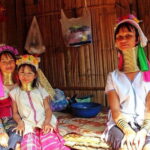
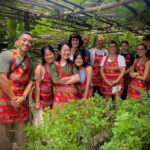
One of the strongest reasons to book this tour is the way the guide translates temple life for real humans. In past tours tied to this experience, guides have included ex-monk backgrounds (names like Katoon and Mr. Big show up) and that typically means you get clearer explanations about Buddhism and daily monk life.
What you’ll likely walk away with:
- How to pray or act in a respectful way inside temples
- Temple etiquette basics, so you’re not stuck guessing
- A calmer understanding of how meditation and practice fit into everyday Thai religious culture
Also, the photography support tends to be a big deal here. Some guides are attentive to picture-taking along the way, which helps if you’re traveling solo or you just don’t want to constantly ask strangers to take photos.
If you’re nervous about understanding Buddhist concepts, this tour can help because it keeps things practical. You don’t need to be a scholar to “get” what you’re seeing.
Price and Value: Why This $31 Day Feels Fair
At $31 per person for about a 1-day walking route, the value is mostly about what’s included: a tour guide plus the guided walking experience. That matters because many temple visits in Chiang Mai are either self-guided (you miss the “why”) or guide-led in a way that feels rushed.
Here, the value comes from:
- Context at each stop (not just names)
- Multiple temple styles and historical layers in one day
- A route you can actually do without needing a scooter
- Optional private or small groups (so the pace can be more comfortable)
What’s not included is also worth knowing: food and additional drinks aren’t part of the price. That’s normal for this type of tour, but it does mean you should budget for water breaks and snacks. If you’re sensitive to heat, plan your energy like you would for any long walk.
Practical Stuff to Pack: Umbrella, Water, Cash, and Clothing Rules
Bring an umbrella, drinks, and cash. The umbrella is especially useful for sudden sun and sudden rain. And because food isn’t included, “drinks” isn’t optional if you want to stay comfortable and enjoy the pauses.
Clothing and behavior rules matter here because you’re entering active worship spaces. Based on the tour rules, avoid things like short skirts. Also expect a general standard of temple conduct: no smoking indoors, and keep the vibe calm and respectful.
In terms of what can throw off your day, the biggest factors are:
- heat and sun (start early, but still expect walking time)
- limited time for buying food on the fly
- needing proper clothing for temple areas
Who Should Book This Temple & City Tour Part II
This tour is a smart pick if you want:
- a focused temple day without jumping across Chiang Mai endlessly
- real historical context behind temple names and styles
- a guide-led approach to Buddhism, etiquette, and quiet moments
It’s especially good as part of a longer Chiang Mai stay, because it complements other temple activities with different cultural angles—Shan and Burmese influences show up clearly across the stops.
Who might want a different option:
- People who don’t handle walking well in warm weather
- Anyone who needs wheelchair access or mobility accommodations
- Travelers who need stroller-friendly terrain (strollers aren’t allowed)
- Pregnant travelers (not suitable)
Also, it’s not a good fit for young children (the tour isn’t suitable for children under 2, and babies under 1).
Should You Book This Temple Walk in Chiang Mai?
If you like temples but also care about what they mean, I’d book it. The combination of Wat Chiang Man’s early royal story, Shan residential history, Shan-Burmese temple style, and a closing monument tied to Prince Saravadi makes this more than a sightseeing loop.
I’d only skip or switch plans if heat and walking time are a big concern for you, or if you strongly prefer a day with food included. Otherwise, this is the kind of guided temple day that leaves you with clearer mental pictures and better etiquette habits—plus photos you didn’t have to chase.
FAQ
What time does the tour start?
The tour starts at 08:20 am.
How long is the tour?
It’s listed as a 1 day experience.
What does the tour cost?
The price is $31 per person.
What’s included in the price?
You get a tour guide and a walking tour. If you select a private option, hotel pickup and drop-off are included.
Is food included?
No. Food and additional drinks are not included.
What languages are the guides?
The live guide is available in English, Chinese, and Thai.
What should I bring?
Bring an umbrella, drinks, and cash.
Is this tour refundable if plans change?
Yes. It offers free cancellation up to 24 hours in advance for a full refund.