REVIEW · CHIANG MAI
Chiang Mai: Ancient City Tour of Wiang Kum Kam
Book on Viator →Operated by I Asia Thailand · Bookable on Viator
Hidden-in-plain-sight ancient ruins near Chiang Mai.
This tour mixes Wiang Kum Kam’s old temple remains with a included horse-drawn carriage ride, so you’re not just walking through history—you’re moving through it at a slower pace. The icing on the cake is the Chiang Mai City Arts and Cultural Centre behind the Three Kings Monument, where you can make sense of what you just saw. One thing to consider: it’s a fast-moving group route, and the tour doesn’t include food or drinks, so you’ll want to plan for that.
Hotel pickup makes the start painless, and the whole schedule is timed to fit a morning or early afternoon. If you’re curious about early Chiang Mai and the Ping River setting, this is a solid way to get there without hassle—and with a guide explaining what you’re looking at (hello, King Mangrai). The main trade-off is that you only get about an hour at the biggest site, so if you’re the type who wants to wander for hours, you may feel a bit time-pressed.
In This Review
- Key things to know before you go
- Wiang Kum Kam: ancient capital vibes without the big-day hassle
- Price, timing, and why this works as a group tour
- From hotel pickup to the first temple stop (Wat Kuu Kham / Wat Chedi Liam)
- Wiang Kum Kam ruins: the earlier capital along the Ping River
- The included horse-drawn carriage ride: slow travel with a purpose
- Chiang Mai City Arts and Cultural Centre: the context stop behind the Three Kings
- Guide and group size: what you gain when someone explains
- What’s not included: food, drinks, and how to avoid the hunger trap
- Should you book this Wiang Kum Kam tour?
- FAQ
- How long is the Chiang Mai Ancient City Tour of Wiang Kum Kam?
- Is hotel pickup and drop-off included?
- Do I have to pay extra for the horse-drawn carriage?
- What are the main stops on the tour?
- Are admission fees included?
- Is food or drinks included?
- Is the tour available on Mondays?
- What languages are available for a private upgrade?
Key things to know before you go
- Hotel round-trip transfers: you get picked up and returned to your Chiang Mai hotel.
- Carriage ride is included: no paying for it on the spot.
- Ruins built before modern Chiang Mai: Wiang Kum Kam was an earlier capital connected to King Mangrai.
- Three planned stops in ~3.5 hours: you’ll move between temples, the ruins, and the cultural center.
- Small group size (max 15): enough organization to keep things smooth, not so big it feels chaotic.
- Monday is special at the cultural center: the tour can still run even if the centre is closed.
Wiang Kum Kam: ancient capital vibes without the big-day hassle
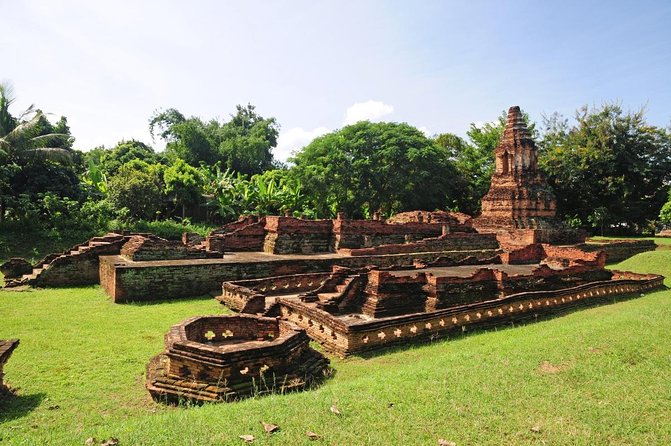
Wiang Kum Kam is one of those places that makes Chiang Mai feel deeper. This historic settlement and archaeological area sits along the Ping River, and it matters because it was built by King Mangrai the Great as a capital before the seat of power shifted to what you now know as Chiang Mai.
What I like about this tour setup is that you’re not only shown ruins. You also get the context that helps the stones make sense. You’ll start with a temple stop, then move into the Wiang Kum Kam ruins area, and finish with the Chiang Mai City Arts and Cultural Centre, which is basically built to connect the dots between past and present.
There’s also a fun guiding style you’ll likely notice. One guide was known for describing Wiang Kum Kam like an underground city, which sounds dramatic—until you see how the site’s ruins and terrain can give that impression. It’s an easy way to get your brain into the right viewing mode.
You can also read our reviews of more city tours in Chiang Mai
Price, timing, and why this works as a group tour
The price is $47.07 per person for about 3 hours 30 minutes. That’s not the cheapest way to spend half a day, but it’s a fair value when you count three things you don’t have to manage yourself: round-trip hotel transfers, a guided route, and an included horse-drawn carriage ride.
This is designed as a group tour with a maximum of 15 travelers. That size usually feels comfortable: you get a plan, you don’t get stuck in a giant crowd, and the guide can actually point out details instead of just herding people from one photo spot to the next.
Also, expect an efficient rhythm:
- Stop 1 is about 30 minutes
- Stop 2 is about 1 hour
- Stop 3 is about 1 hour
That means you’ll see a lot in a short time, but you won’t have “whole morning” freedom at any one location. If you like slow travel, treat this as a highlights tour, not your only chance to explore.
From hotel pickup to the first temple stop (Wat Kuu Kham / Wat Chedi Liam)
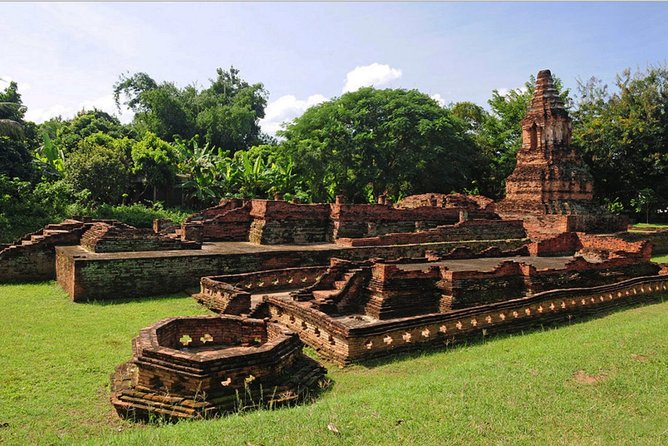
You’ll begin with round-trip transportation from your Chiang Mai hotel, so you can skip the taxi math and just be ready when your driver arrives.
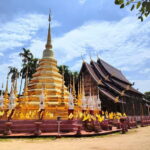
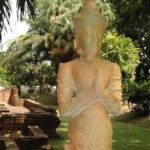
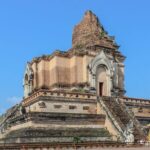
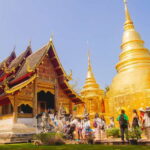
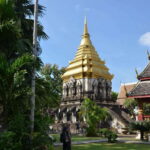
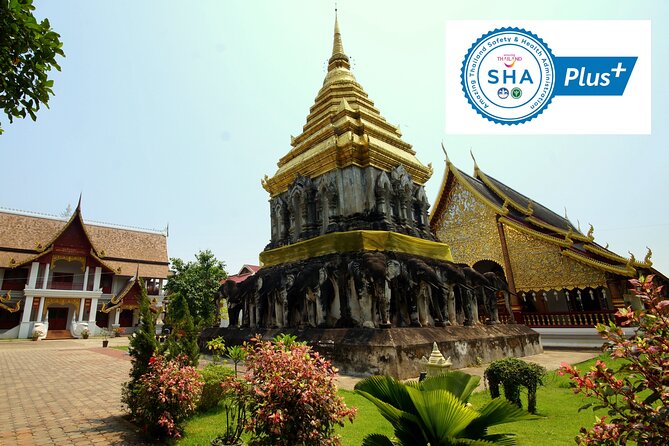
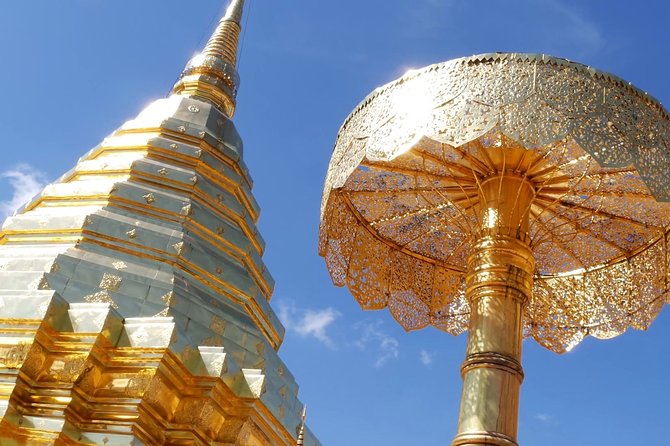
Stop 1 is Wat Kuu Kham (also referred to as Wat Chedi Liam), one of the temples in the ancient Wiang Kum Kam area. The stop is about 30 minutes, and the admission is listed as free.
This first stop is useful for two reasons:
- It gets you into temple mode quickly, before you hit the bigger ruins zone.
- It helps you understand the style and layout of sites in the Wiang Kum Kam area, so when the archaeology looks more scattered later, it still feels readable.
The only real drawback here is that you’re not lingering. If you prefer to sit, sketch, and take your time around religious sites, you’ll probably want to come back later on your own. But as a kickoff, it does its job.
Wiang Kum Kam ruins: the earlier capital along the Ping River
Stop 2 is Wiang Kum Kam itself. You’re there for about 1 hour, and admission is listed as free.
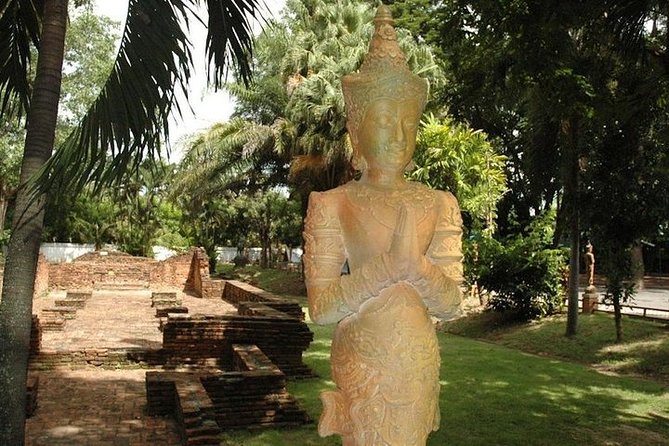
This is the heart of the tour, and it’s where the place gets most interesting. Wiang Kum Kam was an earlier capital built by King Mangrai the Great before he moved the capital to Chiang Mai. The site follows the Ping River, and that river connection is a big part of why the ruins look the way they do.
One detail I love from the tour’s learning angle: some temple remains you can see now weren’t excavated until the 1980s. The idea is that many ruins were visible only after work uncovered them from the river setting. That helps you understand why the site can feel slightly different from a classic temple you’d see right in a city center.
What you should do during this hour:
- Look for what feels like the same building materials or repeating architectural forms.
- Watch for how the guide describes the site’s layout (even if it sounds a bit dramatic at first).
- Take a few photos, then spend a few minutes with your eyes off your screen. This is one of those places where a quick reality-check scan helps your brain connect the dots.
Also, the tour structure matters here. Because you get the cultural center stop afterward, you don’t need to fully “solve” the ruins on the spot. You’ll get support interpreting it later.
The included horse-drawn carriage ride: slow travel with a purpose
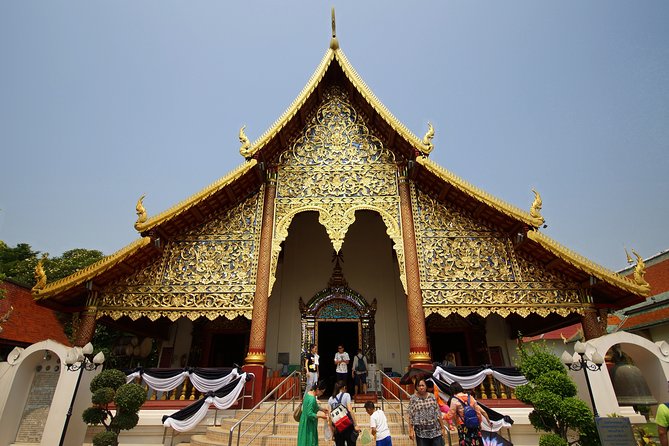
This tour includes a horse-drawn carriage ride as part of the experience. The biggest practical benefit is that it’s already included, so you’re not negotiating or paying extra once you arrive.
And yes, it’s fun. But it’s also useful. A carriage ride breaks up the day’s walking time and lets you see the temples and surrounding area from a different angle. It’s not just a novelty photo stop. It helps you understand how the sites relate to each other in space.
A quick consideration: carriage rides are slower and can feel bumpy depending on the exact route and ground conditions. If you’re sensitive to motion or you prefer steady, flat walking, you may want to keep your expectations realistic and bring comfortable shoes.


Chiang Mai City Arts and Cultural Centre: the context stop behind the Three Kings
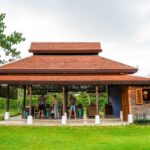
Stop 3 is the Chiang Mai City Arts and Cultural Centre, located behind the Three Kings Monument in the Old City area. The admission is included, and this stop lasts about 1 hour.
The building is worth noting: it’s inside an older provincial government hall that was restored, dating back to the 1920s. That gives the visit a double purpose. You’re not just learning about Chiang Mai—you’re learning inside a piece of the city’s own story.
What you can expect to see:
- Photos, old artifacts, and maps
- An audio-visual display showing Chiang Mai’s history from early settlers to the modern city
- A small-scale replica of a traditional wooden village
If you’re the type who likes to connect what you saw outside to a timeline you can remember, this stop will make your other stops click. It’s also a good place to cool down for a bit if the weather is hot or humid.
One planning note: the centre is listed as closed on Mondays, though the tour can still operate. If you’re traveling on a Monday, don’t panic. The rest of the itinerary still runs, but the cultural-center portion may be limited or replaced depending on what’s possible.
Guide and group size: what you gain when someone explains
A standout theme from how this tour runs is the value of the guide’s explanations. In one experience, the guide named Mr Boy did a great job walking people through the history of each temple you visit. That kind of narration can transform ruins from just photo opportunities into something you actually understand.
You’ll also likely notice a good “story arc.” You start with a temple, move into the ruins tied to King Mangrai’s earlier capital, then land at the cultural center to connect it to broader Chiang Mai history. That flow is one reason this feels more complete than a simple transport-and-look-only trip.
Because the group maxes at 15, the guide has a better chance of answering questions and keeping pace without turning the tour into a line.
What’s not included: food, drinks, and how to avoid the hunger trap
The tour does not include any food, drinks, or snacks. That’s normal for a 3.5-hour group tour, but it’s easy to forget until you’re mid-ruins and your energy crashes.
My practical advice:
- Eat beforehand if you can, and consider carrying a small snack for the ride back.
- Bring water if you prefer it, especially in warmer months.
- Wear comfortable shoes. You’ll be moving between heritage sites, and the ground at archaeological areas can be uneven.
Admission at Stop 1 and Stop 2 is listed as free, and Stop 3 is included. So you shouldn’t have surprise site fees during the tour itself, which is part of why the price feels more predictable.
Should you book this Wiang Kum Kam tour?
Book it if you want:
- A guided highlights route to Wiang Kum Kam without planning logistics
- An included horse-drawn carriage ride instead of paying extra later
- A quick way to connect ruins with Chiang Mai’s bigger historical story at the City Arts and Cultural Centre
You might skip it (or plan differently) if:
- You want a long, slow day in just one place
- You’re traveling with someone who gets easily tired by group pacing
- You’re hoping for a food-inclusive outing (you’ll need to handle snacks yourself)
Also, if your schedule includes a Monday, remember the cultural center can be closed. The tour still runs, but your enjoyment will depend on what’s available at that point.
FAQ
How long is the Chiang Mai Ancient City Tour of Wiang Kum Kam?
It runs for approximately 3 hours 30 minutes.
Is hotel pickup and drop-off included?
Yes. Round-trip transfers from Chiang Mai hotels are included.
Do I have to pay extra for the horse-drawn carriage?
No. The horse-drawn carriage ride is included, so you shouldn’t need to pay on the spot.
What are the main stops on the tour?
You’ll visit Wat Kuu Kham (Wat Chedi Liam), Wiang Kum Kam, and the Chiang Mai City Arts and Cultural Centre near the Three Kings Monument.
Are admission fees included?
For Wat Kuu Kham and Wiang Kum Kam, admission is listed as free. Admission to the City Arts and Cultural Centre is included.
Is food or drinks included?
No. Food, drinks, and snacks are not included.
Is the tour available on Mondays?
The Chiang Mai City Arts and Cultural Centre is closed on Mondays, but the tour can still operate.
What languages are available for a private upgrade?
The tour offers a Private Tour PLUS upgrade for Spanish, French, German, and Russian with a supplement of Baht 800.00 (whole party).
If you want, tell me your travel month and whether it’s a Monday for you, and I’ll help you decide the best time to go and what to pack for the ruins and carriage ride.