REVIEW · CHIANG MAI
Chiang Mai City Culture Bicycle Ride
Book on GetYourGuide →Operated by Recreational Bangkok Biking · Bookable on GetYourGuide
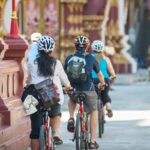
Chiang Mai moves fast on a bike. This half-day Chiang Mai City Culture Bicycle Ride has you pedaling 25 km through temple lanes and local markets, with stops that make the city’s spiritual and everyday life feel connected.
What I like most is the way the route mixes big-name temples with the neighborhood in-between. You get Wat Chedi Luang and Wat Phra Singh plus market time, and the guide brings it all to life with clear, funny storytelling. A second win: the pacing is easy enough for a relaxed culture day, while still getting you out of the “one attraction at a time” routine.
One consideration: you’ll be visiting temples, so you need long pants. Shorts and short skirts aren’t allowed, and that can be annoying if you packed light for hot weather.
In This Review
- Key Things That Make This Ride Worth Your Time
- How the 4.5-Hour, 25 km Loop Actually Works
- Starting at Recreational Chiang Mai Biking and Settling into the Day
- Wat Chedi Luang: A 14th-Century Anchor Stop
- Wat Phra Singh: The Phra Buddha Sihing Connection
- Wat Srisuphan and the Silver Temple Craft Moment
- Flower Market and Chiang Mai Chinatown Lanes
- Crossing the River to a Local Market Snack Break
- Wat-Praying Dress Code: What to Wear on a Hot Temple Day
- Price and Value: Is $43 a Smart Deal?
- Who This Bike Tour Fits Best
- Should You Book Chiang Mai City Culture Bicycle Ride?
- FAQ
- How long is the Chiang Mai City Culture Bicycle Ride?
- How far do you cycle?
- Which places are included on the route?
- Is the bike and helmet included?
- What should I wear for the temple stops?
- Where do you meet the guide, and where does the tour end?
Key Things That Make This Ride Worth Your Time
- 25 km in about 4.5 hours means you cover a lot without turning it into a long slog
- Wat Chedi Luang + Wat Phra Singh hit two of Chiang Mai’s most important temple experiences
- A silversmith stop (no shopping) gives you a look at craft work tied to temple decoration
- Flower market and Chinatown area add a very local rhythm beyond the main sights
- Food and drink included so you’re not hunting for snacks while you’re sightseeing
- A small-group guide helps you move through alleys and temples without second-guessing
How the 4.5-Hour, 25 km Loop Actually Works
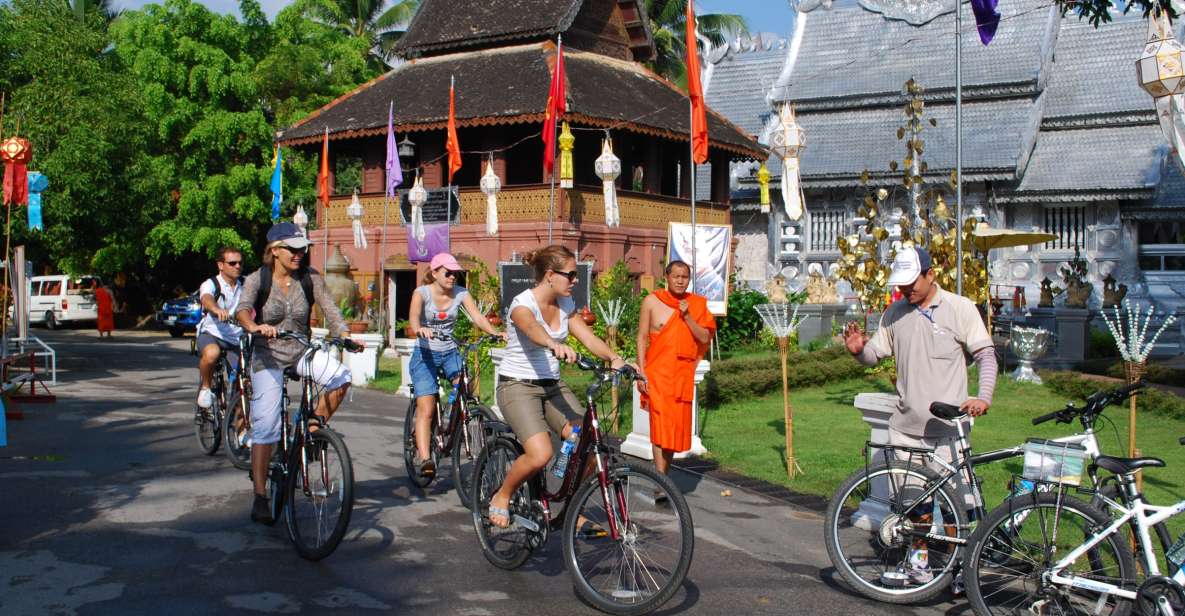
This is designed as a half-day cycling culture experience. You’re out for about 4.5 hours, covering roughly 25 km, and the goal is to bike as much as possible on quiet roads, lanes, and back streets. That matters in Chiang Mai old-city areas, where walking can feel like you’re doing the same turns over and over just to get across town.
The route also uses a smart “cluster then connect” approach. You’ll start in the city area, then spend time moving outward and back through the center, cutting across different neighborhoods. Expect plenty of stops, because the point isn’t just transportation. It’s seeing temples like Wat Chedi Luang and Wat Phra Singh, then shifting to markets where you can watch daily life in motion.
You also get the practical comfort pieces included: a bicycle and helmet, plus water or soft drinks. That lets you focus on the sights instead of logistics. And since it’s a small group, you’re less likely to feel like a herd stuck in a single-file queue outside the entrance.
One more thing: the tour runs with an English-speaking guide (and also Thai and Dutch). In past groups, guides like Dong have been praised for humor and storytelling, and Deo has been noted for being cautious and informative on the bikes. Either way, you’ll want to listen during the explanations because they connect what you’re seeing—temples, crafts, and markets—into one day’s worth of context.
You can also read our reviews of more city tours in Chiang Mai
Starting at Recreational Chiang Mai Biking and Settling into the Day
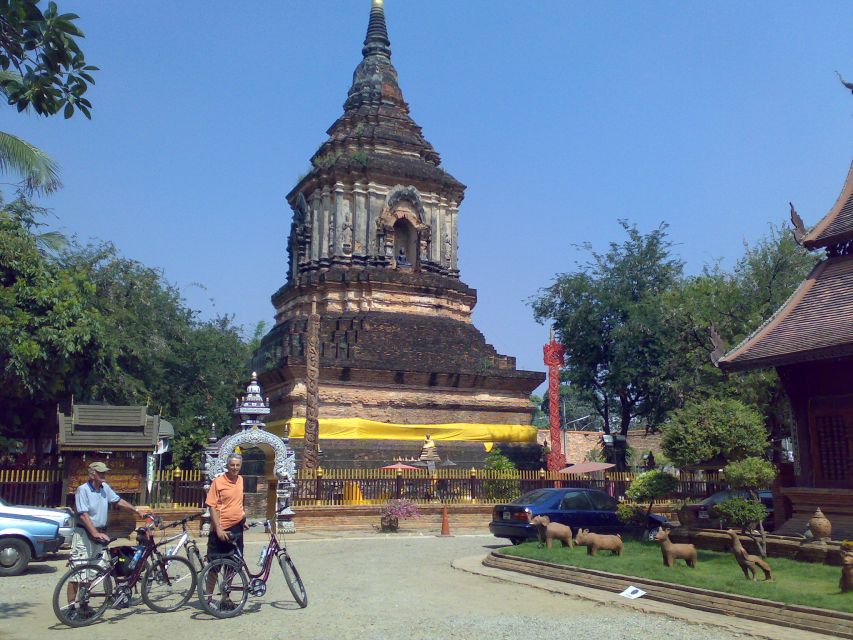
The meeting point is Recreational Chiang Mai Biking, and the ride ends back at the same place. That’s a small detail, but it helps your brain. You don’t have to build a second transit plan for the return.
From the start, your guide’s job is basically twofold: keep you safe and keep you oriented. You’ll be cycling through narrow lanes and alley-style roads around the center, which is totally doable, but it’s not the same feel as riding a wide bike path. If you’re nervous about traffic or bikes-as-a-pack, you’ll still likely feel calmer because the whole experience is built around controlled stops and guidance.
If you’re coming from a hotel, plan to arrive a little early. Even if you’re not doing anything complicated, you’ll want a few minutes to get your helmet on, meet your group, and hear any basic route reminders.
And yes, there’s a dressing constraint that affects your comfort more than you might expect. Since you’ll visit temples, long pants are required. Shorts and short skirts aren’t allowed. If your usual Chiang Mai plan is light clothes, this is the one reminder that can quietly make or break your comfort level.
Wat Chedi Luang: A 14th-Century Anchor Stop
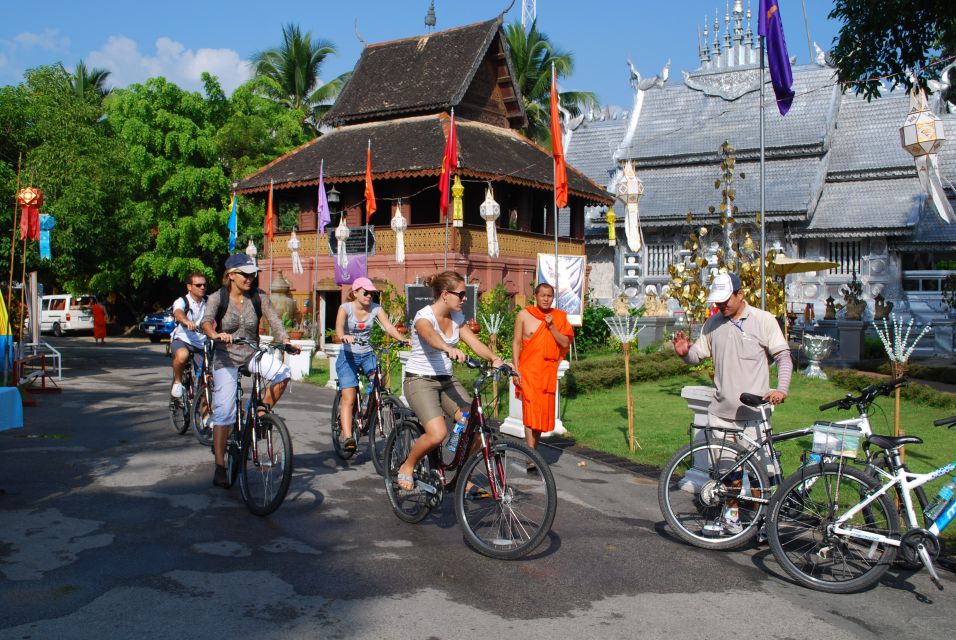
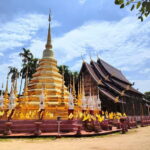
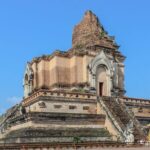
Wat Chedi Luang is where the tour really plants you in Chiang Mai’s temple core. This temple was built in the 14th century, and it’s treated as a key stop for good reason: it’s one of the places where you can feel the long timeline behind the city’s religious traditions.
One of the most fascinating parts here is the story connected to the Emerald Buddha. The Emerald Buddha used to reside at Wat Chedi Luang, before it was taken to Luang Prabang (Laos) around 1545 by a Laotian king. Nowadays, that revered Buddha statue is housed in Bangkok’s Wat Phra Kaew.
For you, that detail matters because it turns a temple visit into something bigger than architecture. You’re not only seeing a site in Chiang Mai—you’re seeing a node in a regional story that moved across borders. That kind of context is exactly where a good guide earns their keep, because the temple itself is impressive, but the back-and-forth history makes it memorable.
Expect your guide to connect the location and the legends to the reason it’s such a “you should see this” stop. It also helps you understand why other major temples around town feel linked, not random.
Practical tip: temples can have uneven footing and shaded areas. Keep your bike stop routine calm, don’t rush your photos, and follow the guidance when it comes to where you stand and how you move around.
Wat Phra Singh: The Phra Buddha Sihing Connection
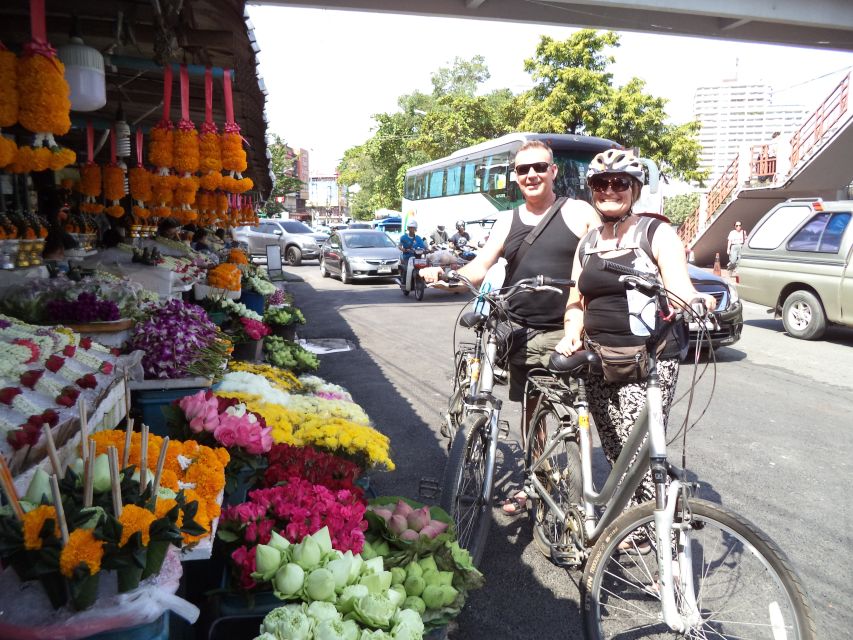
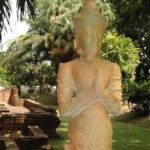
Not too far from Wat Chedi Luang, the tour makes the next major temple stop: Wat Phra Singh. This is the one where the name comes from the famous Buddha housed inside. The temple contains an important Buddha statue called Phra Buddha Sihing, and that’s what gives Wat Phra Singh its identity.
This stop tends to work well for two different types of visitors:
- If you love history and symbolism, the guide can explain why certain statues matter and how temples built reputations over time.
- If you just want atmosphere, the temple experience still lands. You’ll likely notice the difference between a temple visit that feels like a checklist item versus one with context and careful guidance.
The tour doesn’t treat this like a quick photo sprint. You’re there as part of a loop of sights, which means you can slow down just enough to notice details without losing momentum.
If you’re the type who normally skips temple explanations, this is a good moment to pay attention. The tour’s value comes from turning “I saw a temple” into “I understand why this temple counts.”
Wat Srisuphan and the Silver Temple Craft Moment
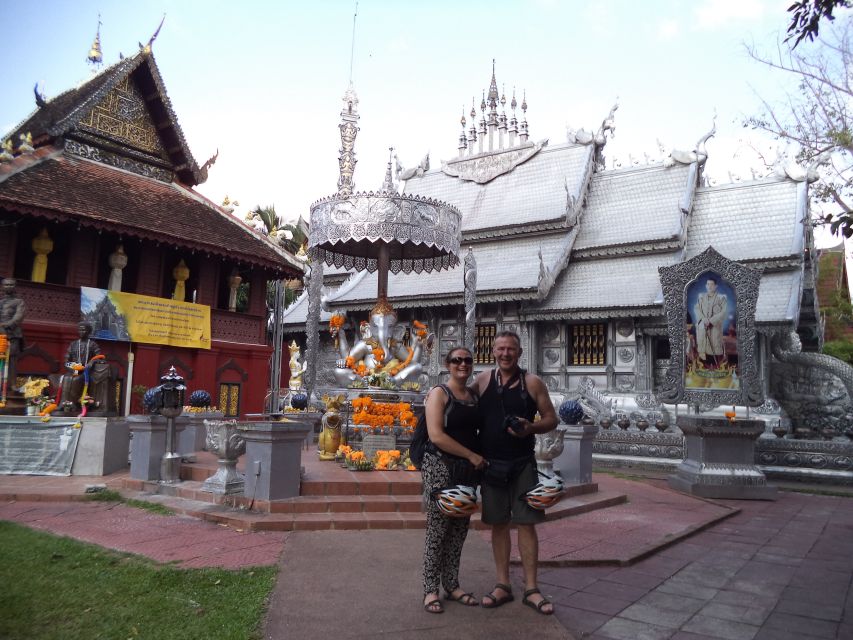
The tour includes temple visits beyond the two headline names, including Wat Srisuphan. But the most distinctive “wow this is different” part of the day is the craft-and-decoration stop.
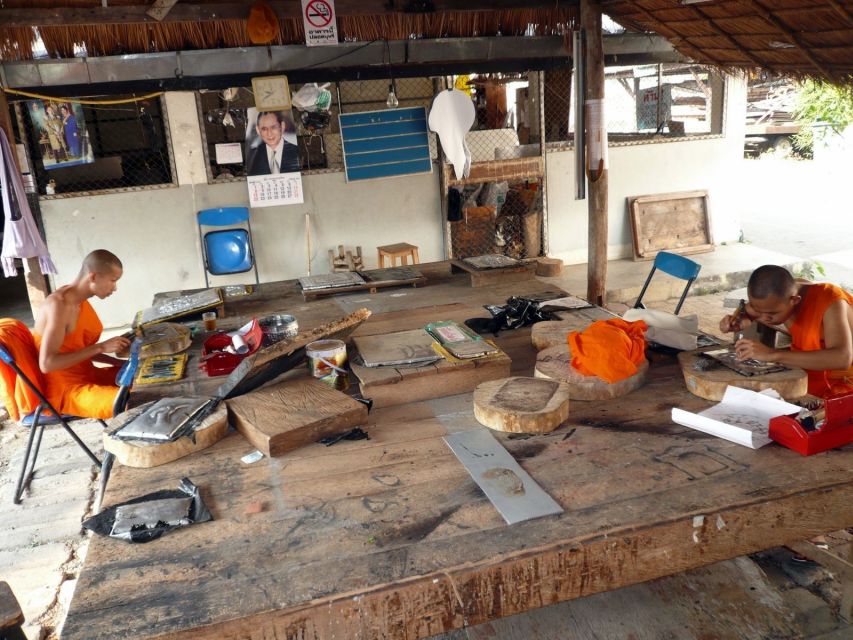
You’ll first visit a silversmith who fabricates jewelry in different shapes and sizes. The key detail: the tour notes that shopping isn’t the point here. You’re visiting to see the work, not to get nudged into buying something. That keeps the experience from turning into a sales pitch, and it often makes the craft feel more authentic.
Right next door, there’s an adjacent Silver Temple, where monks are described as keeping busy making decorations of alloy used for the renovation of the temple. That connection—craft tied directly to restoration—is the kind of practical detail you don’t always see on tourist-only temple routes.
This stop is also where you learn to look differently. Instead of seeing “ornament,” you start thinking about materials, the workshop rhythm, and how religious spaces stay alive through maintenance and new decorative work. If you like human-scale detail, this part is a highlight.
Even if you don’t care about silver jewelry specifically, the idea behind the stop is solid: Chiang Mai’s culture isn’t frozen. People are still making, repairing, and preparing.




Flower Market and Chiang Mai Chinatown Lanes
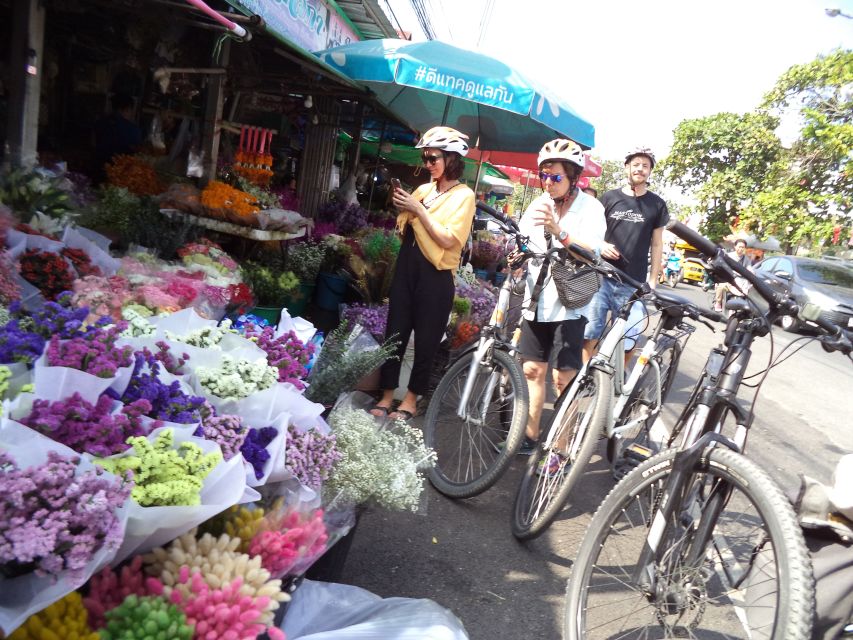
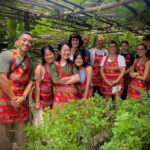
Once the ride pushes outward through the outer circle of the center, you’ll shift from temple scale to street scale. One of the most interesting stops here is a fresh and flower market. The tour specifically points out that this is a place to see the beautiful flowers of the North.
This isn’t just a photo opportunity. Markets like this are how you feel everyday Chiang Mai culture without needing to understand every word. You see what people bring home, what they buy for religious use, and how the city’s visual identity shows up in ordinary routines.
Then you’ll head into the area described as China Town of Chiang Mai. That’s where the ride becomes more about atmosphere: narrow lanes, storefront energy, and the sense that you’re moving through neighborhoods rather than passing monuments.
If you’ve only visited Chiang Mai by tuk-tuk or by hopping point to point on foot, the bicycle route changes the whole feel. You don’t arrive and leave at the same tempo. You ride through transitions—between temple quiet and market activity—so the day feels like a single continuous story.
Crossing the River to a Local Market Snack Break
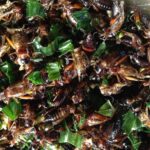
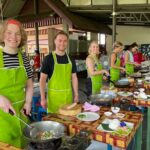
After cycling further and crossing the river, you’ll stop at another local market for refreshment. This is where the tour gives you more time to chat and learn, plus an opportunity to taste exotic fruits and/or local snacks.
Even though the specifics of what you’ll sample aren’t listed in the details you provided, the intent is clear: you’re not just stopping for something sweet and moving on. The guide uses this time to explain what you’re seeing and to help you try food that feels local.
This part is value-heavy. Because a bike tour already includes energy and pace changes, having a snack and tasting time prevents that mid-afternoon dip where you start craving convenience foods. The included Thai meal/snack and water or soft drinks help you keep going without breaking your budget.
And since the tour ends back at the meeting point, this market stop is a good “reset” before you ride the final stretch.
Wat-Praying Dress Code: What to Wear on a Hot Temple Day
Let’s talk clothes, because Chiang Mai weather plus temple rules can be a tricky mix.
You’re required to dress appropriately for temple visits. That means:
- Bring long pants
- Avoid shorts and short skirts
This rule is easy to follow if you plan for it. If you didn’t, it’s the one thing that can turn a smooth day into an awkward one. So pack with intention even if you’re thinking “I’ll manage without bringing extra pants.”
If you’re traveling light, consider the simplest solution: lightweight long pants in breathable fabric. You’ll be standing around temples and riding in heat. Comfort matters more than you think.
Price and Value: Is $43 a Smart Deal?
At $43 per person for about 4.5 hours and roughly 25 km, the price lands in a reasonable range for Chiang Mai’s older-city cycling experiences—especially because several costs are bundled in.
Here’s what you’re getting that supports the value:
- Bicycle and helmet (you don’t need to rent or sort gear)
- English-speaking guide (plus Thai and Dutch)
- Entrance fees for the stops
- A delicious Thai meal/snack plus water or soft drinks
- Insurance
You’re also not paying extra for the ride’s “cultural labor,” like explanations and navigation through lanes and alleys. That’s where the guide’s presence matters. A bike tour without solid guiding can become just transportation with a few stops. Here, you’re meant to understand why each place counts.
Personal expenses aren’t included, of course, but if you’re keeping purchases minimal (and the silversmith stop explicitly isn’t about shopping), your spending stays predictable.
In short: you pay for a guided day that covers a cluster of major temples and meaningful market stops, with food and logistics handled.
Who This Bike Tour Fits Best
This tour is a great match if you want:
- A half-day plan that feels full, not rushed
- A way to see central Chiang Mai beyond temples alone
- A guided day where market time and craft details aren’t an afterthought
- A culture outing that also stays active, because cycling changes your perspective
It’s also a good pick if you enjoy explanations and appreciate a guide who can connect stories to places. The feedback around guides like Dong and Deo highlights humor, storytelling, and cautious bike handling—exactly the ingredients that make a city ride feel safe and fun.
On the other hand, this is less ideal if:
- You strongly prefer to visit sights on your own without stopping for explanations
- You can’t follow the temple dress rule (long pants required)
- You don’t feel comfortable riding through narrow lanes, even with a guided group (the route is designed for biking, but it’s still city biking)
Should You Book Chiang Mai City Culture Bicycle Ride?
I’d book it if you’re the type who likes your sightseeing to include both big landmarks and the human stuff around them. The combination of Wat Chedi Luang, Wat Phra Singh, a craft stop at a silversmith, and market breaks for fruit or snacks gives you a balanced day: temple scale, street scale, and food scale.
It’s also a smart choice for first-timers who want to cover the center without spending your whole day transferring. The included bike, helmet, entrance fees, and food make it feel like a guided “culture day ticket,” not a scattered set of tickets.
I’d only hesitate if your wardrobe situation is messy. Bring long pants, and you’ll be able to enjoy the temples without stress. If you do that, you’ll likely find this is one of the more memorable ways to experience Chiang Mai’s city life in a single afternoon.
FAQ
How long is the Chiang Mai City Culture Bicycle Ride?
The tour duration is about 4.5 hours.
How far do you cycle?
The ride covers about 25 km.
Which places are included on the route?
The tour includes stops at Wat Chedi Luang, Wat Prasingh, Wat Srisuphan, China Town, and a local market (plus additional market and refreshment stops during the ride).
Is the bike and helmet included?
Yes. The tour includes a bicycle and helmet.
What should I wear for the temple stops?
You need to dress appropriately for temples. Long pants are required, and shorts and short skirts are not allowed.
Where do you meet the guide, and where does the tour end?
You meet your guide at Recreational Chiang Mai Biking, and the tour ends back at the same meeting point.