REVIEW · CHIANG MAI
Chiang Mai: Doi Suthep and Hmong Village Half-Day Tour
Book on GetYourGuide →Operated by Oh-Hoo · Bookable on GetYourGuide
Wat Phra That Doi Suthep delivers big views fast. This half-day pairing of a mountain temple stop and a Hmong village visit is an easy way to see two sides of Chiang Mai in just 4 hours: temple legends with city panoramas, plus everyday culture with real human scale. I especially like the Wat Phra That Doi Suthep experience for its famous setting and the chance to choose 306 steps or the tram, and I also like the Hmong village time for what you can notice beyond quick photo stops. One thing to factor in is that you’ll likely be sharing the temple with lots of other people, so go with a patient mindset and plan your photos early.
The logistics are simple: hotel pickup, an air-conditioned van, and a return to your hotel by early afternoon. It’s also a solid value at $28, because you’re not just paying for sightseeing—you’re paying for transport, a guide, admission, and even skip-the-ticket-line at the temple. The main trade-off is that the schedule is tight, so if you want slow wandering, extra viewpoints, or a long lunch stop, you may feel a bit rushed.
In This Review
- Key Highlights Worth Your Time
- How This Half-Day Tour Fits (Temple, Culture, and Still Time for Lunch)
- Wat Phra That Doi Suthep: Steps, Tram, Legends, and City Views
- 306 Steps vs. the Tram: Pick Your Effort Level
- White Elephant and Sacred Relic Stories
- The Hmong Village Visit: What You Can Notice in Two Hours
- Optional Waterfall and Coffee (Small Add-ons)
- How to Make This Stop Respectful and Useful
- The Drive Up and Back: Comfortable Mountain Time, Not Just Transit
- Timing Tip: Plan the Rest of Your Day
- Price and Value: Why $28 Can Make Sense Here
- What to Watch For: Crowds, Pace, and Photo Expectations
- Who This Tour Suits Best
- Who Should Think Twice or Confirm First
- Should You Book This Tour?
- FAQ
- How long is the Chiang Mai Doi Suthep and Hmong Village tour?
- What time does hotel pickup happen?
- Where do you get picked up from in Chiang Mai?
- Do I need a ticket for the temple?
- Is there a guide, and what languages do they speak?
- How do I reach the top of Wat Phra That Doi Suthep?
- What should I wear and how should I dress?
- What do I need to bring?
- What time will I be back at my hotel?
- Is the tour suitable for pregnant women or people with mobility impairments?
Key Highlights Worth Your Time
- Wat Phra That Doi Suthep: A mountain temple visit with legends, a safety briefing, and huge Chiang Mai views
- 306 steps or tram: Choose your vibe—push uphill or ride up to the top area
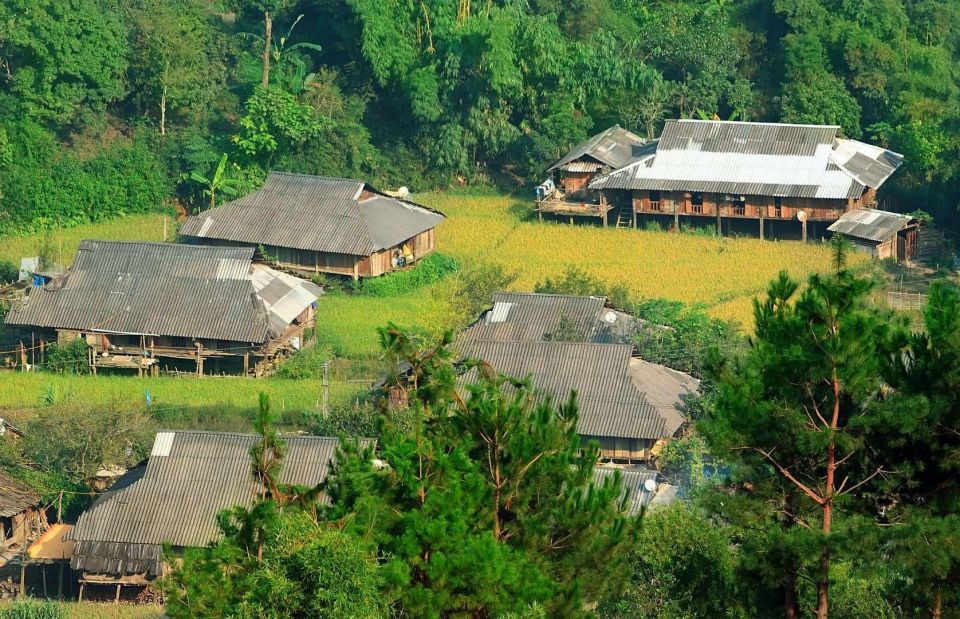
- Two full hours at the Hmong village: Enough time to walk, ask questions, and see daily culture
- Air-conditioned transport: Comfortable mountain drive plus a smooth return to your hotel
- Skip-the-ticket-line: Faster entry so you can spend more time at the sites
- A short, focused day: Back by about 1:00 to 1:30 PM, with the rest of the day still yours
How This Half-Day Tour Fits (Temple, Culture, and Still Time for Lunch)
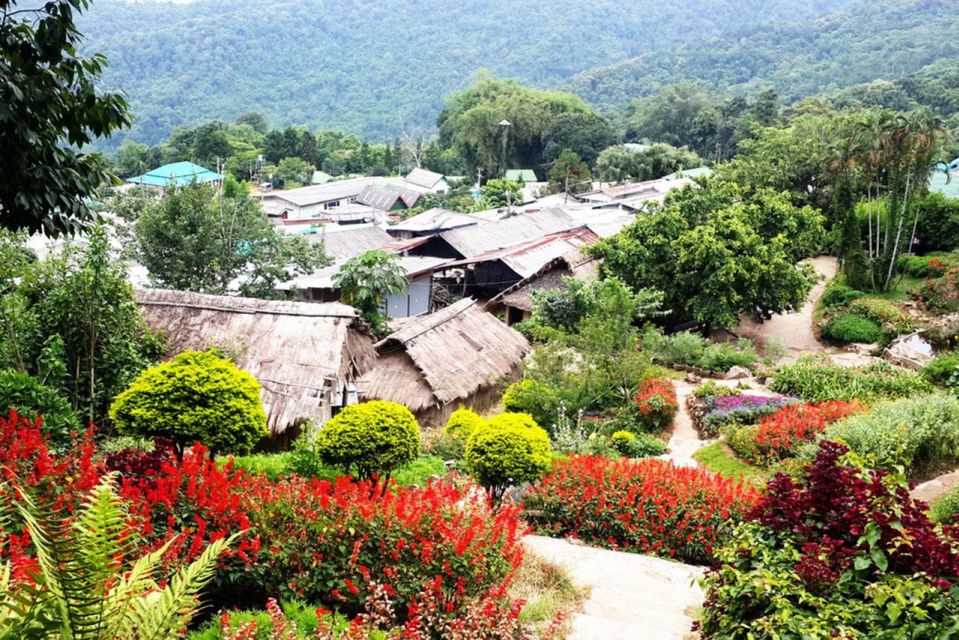
This tour is built for travelers who want a meaningful hit of Chiang Mai without committing to a full day of temples. You get a full 2 hours at Doi Suthep, then another 2 hours at the Hmong village, with travel time between in an air-conditioned van. The timing works especially well if you’re staying in the Old Town or Nimman area and want to keep your afternoon flexible.
I like the structure because it prevents the common “one stop, sprint through everything” problem. You’re not racing across the map; you’re doing two locations properly enough to notice details—faces, crafts, how people live, and how the temple setting changes your sense of place as you climb.
The schedule does have one limitation: it’s not designed for long sits, long photo breaks, or repeated viewpoint hunting. If you know you need a slow pace to enjoy a religious site, you may want to treat this as a first taste rather than your only Chiang Mai temple day.
You can also read our reviews of more tours and experiences in Chiang Mai



Wat Phra That Doi Suthep: Steps, Tram, Legends, and City Views
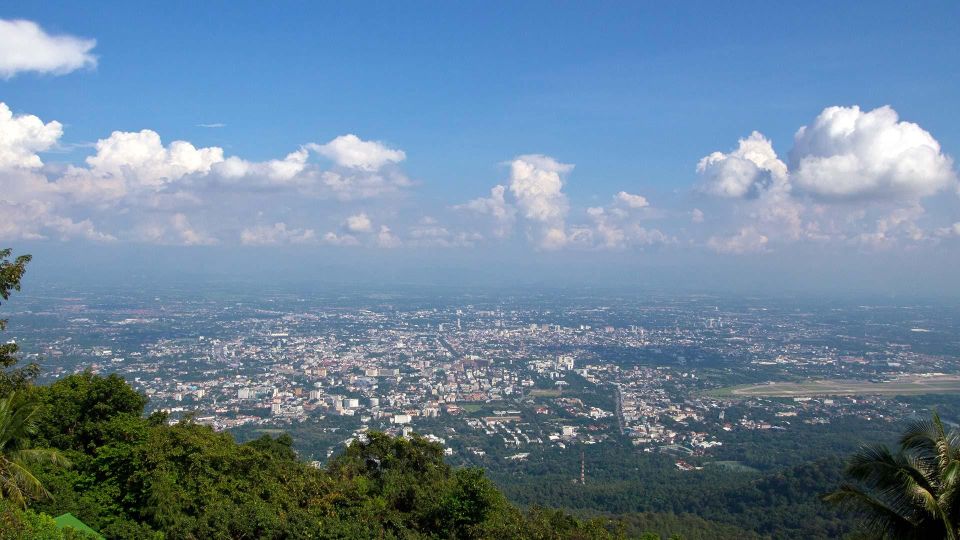
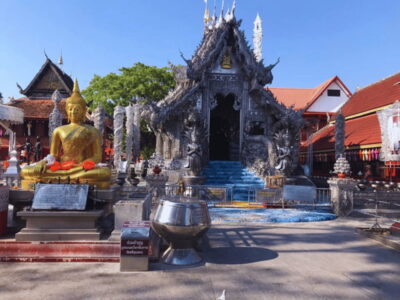
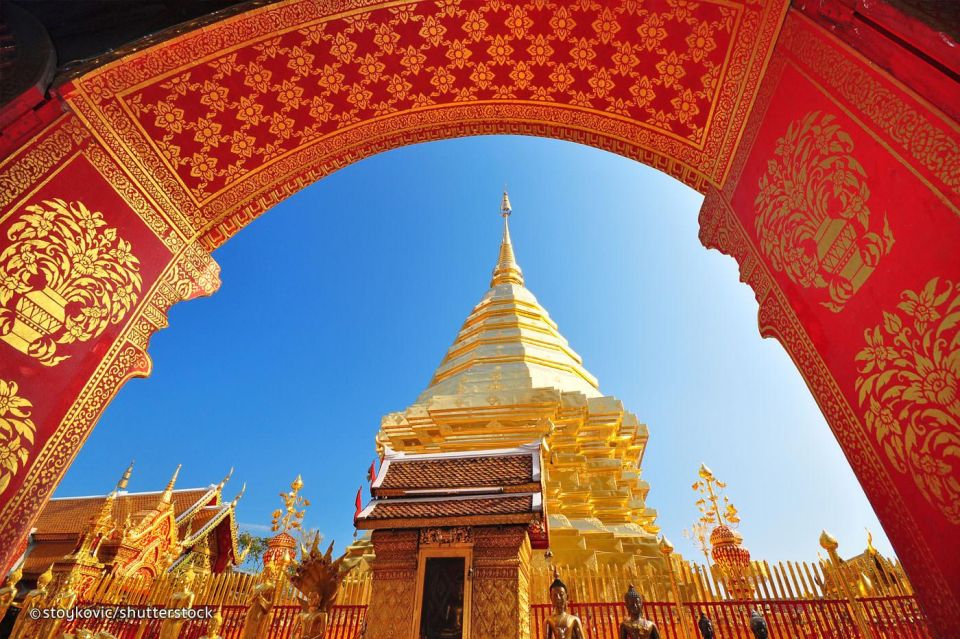
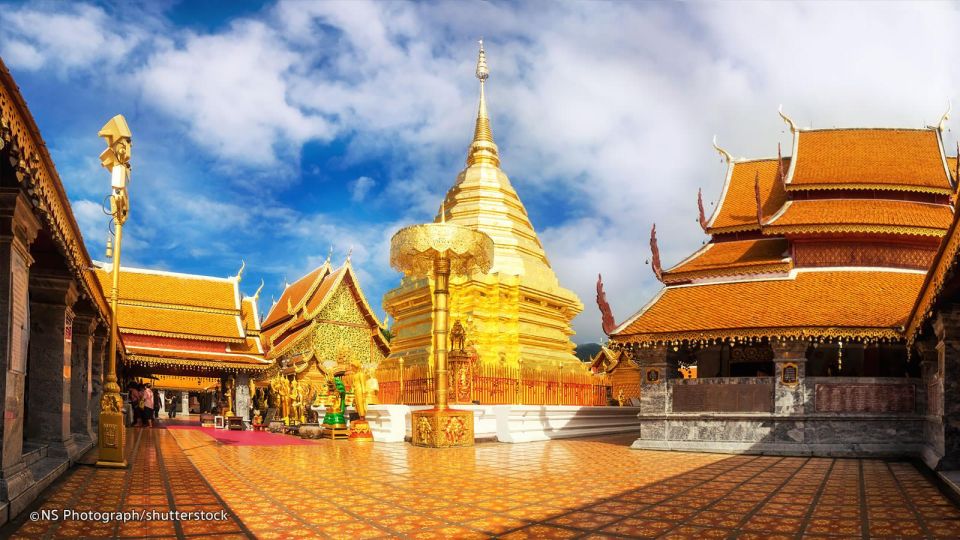
Wat Phra That Doi Suthep dates back to 1383, and the setting is a big part of why it matters. You’re going up a mountain, and the air and angles start changing the moment you start climbing. Even before you reach the main temple area, you’re driving through the kind of scenery where you can feel why people come here for views.
At the top, you’ll find a sanctuary perched high with panoramic outlooks over Chiang Mai. The tour also includes a safety briefing, which is helpful because temple steps, uneven surfaces, and crowds can turn a casual walk into a clumsy shuffle if you’re not paying attention. This is one of those places where good habits keep your trip smoother.
306 Steps vs. the Tram: Pick Your Effort Level
You’ll have a choice: take the symbolic 306-step ascent or take the tram up for convenience. This is a genuinely useful option because it lets you match the climb to your day.
- If you choose steps, you’ll feel more of the “climb to the sacred place” rhythm, and you’ll likely enjoy the temple approach more.
- If you choose the tram, you’ll spend more time at the viewing areas and the temple grounds, with less fatigue.
Either way, plan to take your time once you’re at the top. The best photos aren’t always the ones you snap instantly—they’re the ones you get after you realize where the angles open up.
White Elephant and Sacred Relic Stories
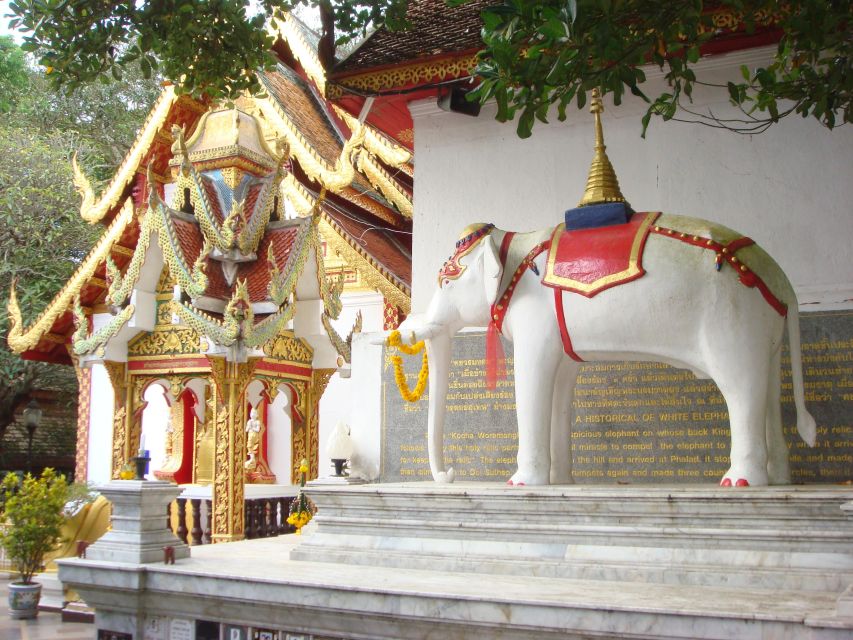
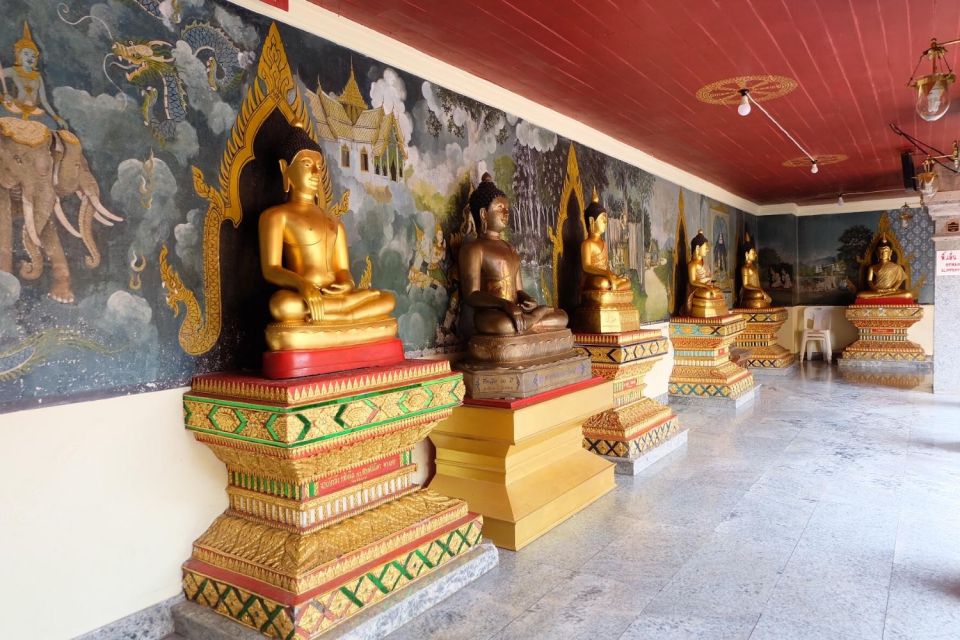
The tour mentions legends tied to white elephants and sacred Buddha relics. Even if you don’t memorize every detail, those stories help you understand why the site is treated with reverence. It turns the visit from a quick landmark check into something closer to cultural storytelling.
One practical point: temples can require a little extra patience. Keep your head up, move carefully around foot traffic, and be respectful of how people are using the space for prayer and viewing.
The Hmong Village Visit: What You Can Notice in Two Hours
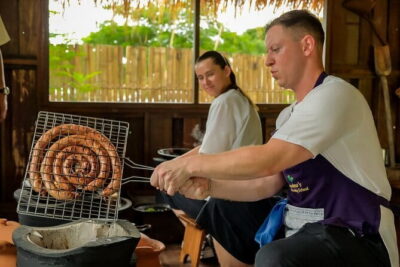
After the temple, you head to a Hmong village for about 2 hours of walking and sightseeing with your guide. This is the part of the tour that tends to feel more human and less “tour-sight.” You’re not just seeing buildings or monuments; you’re seeing craft, daily rhythm, and cultural choices that don’t exist for the camera.
I like that the village time isn’t just a short stop. Two hours gives you breathing room to look closely at what’s being made, how people interact, and how visitors are guided through cultural spaces. You’ll also have time to ask questions through your English-speaking Thai guide.





Optional Waterfall and Coffee (Small Add-ons)
One review notes an option to visit a waterfall for 20 baht per person, and it also mentions coffee produced by the village. That’s the kind of detail that can make the visit feel more active, not just observational.
If you’re curious, keep some small cash handy. If you’re not, you can still get a lot out of the main walk and village viewing without buying every add-on.
How to Make This Stop Respectful and Useful
Village visits work best when you treat them like a conversation, not a checklist. Dress modestly, keep your voice low, and avoid barging into private-looking areas. If something is explained, let it land before you rush to the next angle for photos.
Also, remember that culture is not a “show.” Your best moments usually come from noticing the ordinary: how people move, what they’re doing, and what they’re proud of.
The Drive Up and Back: Comfortable Mountain Time, Not Just Transit
Your day begins with pickup from Chiang Mai Old Town and Nimman. Pickup starts between 08:00 am and 08:30 am, and the operator confirms the exact time by email. You meet your guide at your hotel lobby and should aim to be there at least 10 minutes early, since the tour guide may move on if you’re late.
The van ride matters more than you might think. Doi Suthep is high enough that the drive feels like a journey, not a flat city hop. You also get scenic views along the way, which helps you build context before you even reach the temple.
The vehicle is air-conditioned, which is a real comfort boost in Chiang Mai’s warmer parts of the day. And because the tour is only 4 hours total, you’re not spending half your vacation time stuck in transit.
Timing Tip: Plan the Rest of Your Day
The tour returns you to your hotel around 1:00 PM to 1:30 PM, depending on where you’re staying and traffic. That means you’ll still have a meaningful afternoon free—great for a relaxed lunch, a coffee stop in Nimman, or a simple walk around the Old Town without rushing.
If you schedule something later that day, choose a plan that doesn’t require early energy. You’ll have climbed steps (or ridden up), walked around, and likely felt the sun more than you expect.
Price and Value: Why $28 Can Make Sense Here
At $28 per person, this isn’t just “transport and vibes.” Based on what’s included, you’re covering several concrete costs:
- Air-conditioned transportation from Old Town and Nimman
- A tour guide (Thai and English)
- Admission fees
- Life insurance
- Skip-the-ticket-line at the temple
- Your temple and village time with guided context
When you compare that to the typical costs of doing two separate stops—driver or transport, guide help for interpretation, temple admission, and time lost to ticket lines—this can be a fair deal for a half-day.
The real question isn’t only price. It’s whether this format matches how you like to travel. If you enjoy having someone coordinate the flow so you can focus on sights and conversations, the value gets better. If you prefer fully self-directed exploring with extra stops, you may find this too tight.
What to Watch For: Crowds, Pace, and Photo Expectations
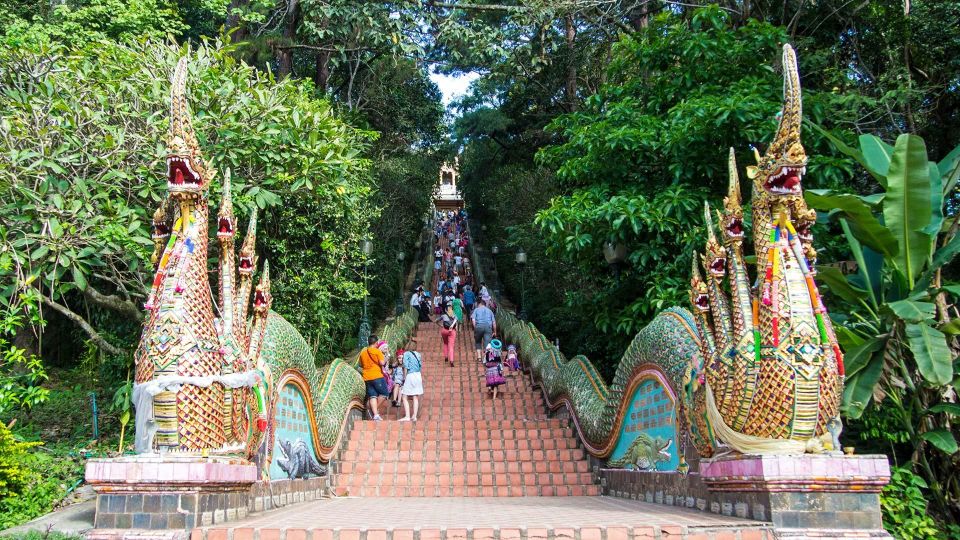
One theme that shows up in the feedback is that the temple can feel busy. That’s not surprising—Doi Suthep is famous for a reason. The practical approach is simple: accept that you’ll share the space, and manage your timing.
A good strategy: prioritize the viewpoints and your most important photos early in your time at the temple area. Once crowds settle into “standing clusters,” it can take more time to get a clear angle.
Also, one comment suggests a quick stop at a viewpoint could have been nice. That doesn’t mean the tour is missing big moments, but it’s a reminder that you shouldn’t assume multiple photo pull-offs. If you love road-trip scenery, you might want a second chance later in the day to explore additional viewpoints on your own.
Who This Tour Suits Best
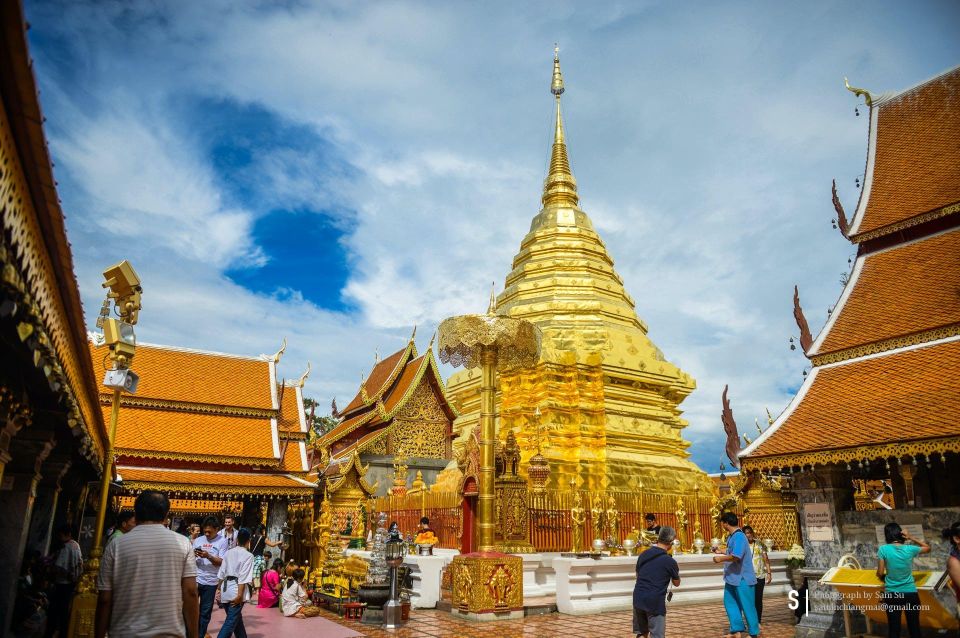
This tour is a strong fit if you want:
- A short Chiang Mai day with two meaningful cultural stops
- A temple visit with legends and clear guidance on what you’re seeing
- A Hmong village experience that’s more than a quick roadside glance
- Comfortable logistics from Old Town or Nimman with hotel pickup
It’s also a good match for people who don’t want to spend the whole day temple-hopping. You’ll be back early enough to recharge and still have time to enjoy local food.
Who Should Think Twice or Confirm First
The tour information has a mismatch about suitability. One part says pregnant women and persons with disabilities can join, but another part lists pregnant women and people with mobility impairments as not suitable.
Because temple sites involve stairs, uneven surfaces, and the option of climbing 306 steps (even if the tram is available), I’d treat this as a “confirm first” situation. If you’re pregnant or have mobility limitations, contact the operator and ask about how the itinerary will work in your case.
Should You Book This Tour?
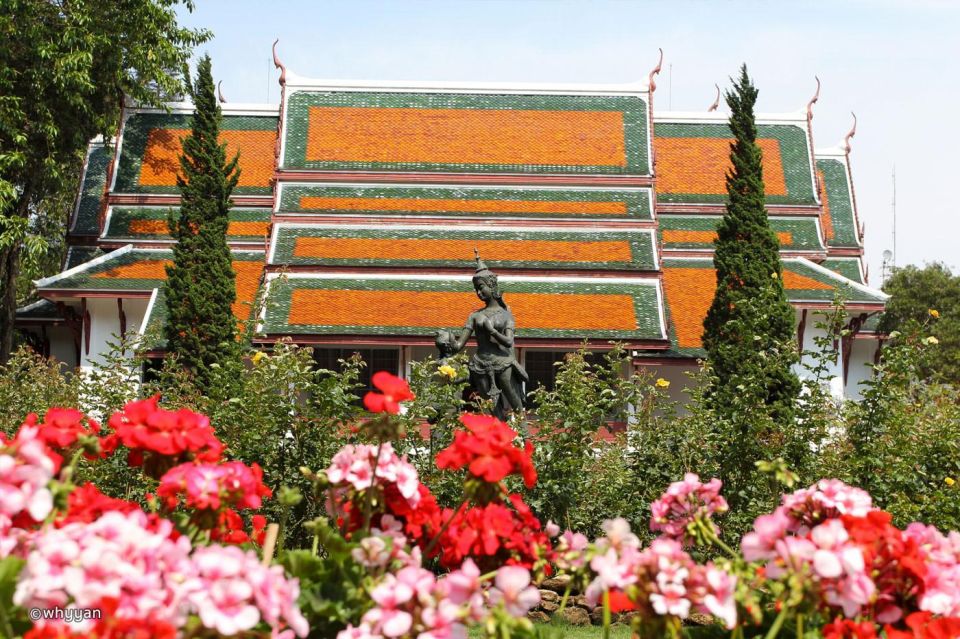
If you want a half-day that combines temple views and Hmong village culture without the stress of arranging transport, I think this is a smart booking. The guide + skip-the-ticket-line + admission included + air-conditioned pickup is exactly the kind of package that makes a short trip feel complete.
Book it if you like guided context, respect-filled cultural visits, and returning to your hotel early to enjoy Chiang Mai on your own schedule.
Skip it (or at least consider alternatives) if you’re the type who needs a slow pace, lots of extra viewpoint stops, and long breaks between sights. This tour is efficient by design. If that’s what you want, it delivers. If you want room to wander, you’ll feel the clock.
FAQ
How long is the Chiang Mai Doi Suthep and Hmong Village tour?
It’s listed as a 4-hour tour.
What time does hotel pickup happen?
Pickup starts between 08:00 am and 08:30 am. The operator will confirm your exact pickup time by email, so recheck that message.
Where do you get picked up from in Chiang Mai?
Pickup is available for hotels within Chiang Mai Old Town and Nimman areas.
Do I need a ticket for the temple?
Admission is included, and the tour notes that you can skip the ticket line.
Is there a guide, and what languages do they speak?
Yes. You’ll have a live tour guide who speaks Thai and English.
How do I reach the top of Wat Phra That Doi Suthep?
You can choose between the 306-step ascent or a tram ride to reach the pinnacle area.
What should I wear and how should I dress?
The guidance is to dress modestly when visiting the temples.
What do I need to bring?
Bring a passport or ID card. A copy is accepted.
What time will I be back at my hotel?
You’ll return around 01:00 PM to 01:30 PM, depending on hotel location and traffic.
Is the tour suitable for pregnant women or people with mobility impairments?
The information includes conflicting notes: one section says pregnant women and persons with disabilities can join, while the suitability section lists pregnant women and people with mobility impairments as not suitable. If either applies to you, contact the operator to confirm before booking.