REVIEW · CHIANG MAI
Chiang Mai: Traditional Thai Cooking Class with Market Tour
Book on GetYourGuide →Operated by Chiang Mai Smart Cook · Bookable on GetYourGuide
Cooking Thai food starts at a Chiang Mai market.
This 4-hour class pairs a local market tour near Chiang Mai Gate with hands-on cooking in a traditional Lanna home, so you learn Thai flavors from the source. You’ll also get direct practice making core staples like curry paste and learning how sticky rice fits into the meal.
I love that you cook multiple dishes as a group, guided step-by-step by an English-speaking chef in a real home kitchen setup. I also like the practical takeaway: you finish with a recipe book so you can recreate flavors at home, not just eat a good lunch and move on.
One consideration: transport can feel a bit rough and warm on the ride to/from town, with at least one report describing a jeep-style transfer instead of an air-conditioned minivan.
In This Review
- Key things to love about this cooking class
- A Lanna home kitchen in the old city
- Hotel pickup and the ride into Chiang Mai Gate Market
- The market tour: herbs, spices, and how to shop by smell
- Cooking class style: hands-on stations and real teaching
- Curry paste from scratch: the flavor lesson that matters
- Sticky rice and mango: learning Thai serving logic
- The full 6-dish meal: what you’ll likely cook
- What the class includes (and why it’s good value)
- Timing, logistics, and the vibe you’ll notice
- Who should book this and who might want something else
- Should you book Chiang Mai Smart Cook?
- FAQ
- How long is the Chiang Mai traditional Thai cooking class?
- What will I learn to cook?
- Is hotel pickup included?
- Do I get to visit a market?
- Is the class taught in English?
- What should I bring?
- Is alcohol included?
Key things to love about this cooking class
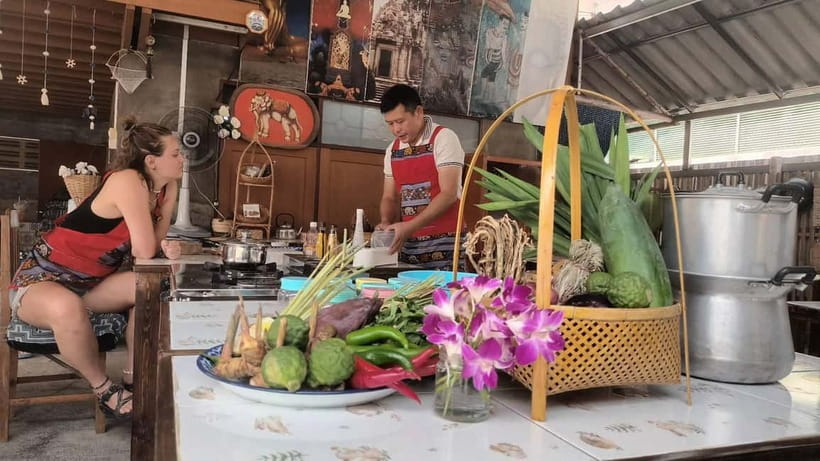
- Market tour with real ingredients: You learn what Thai herbs, spices, and vegetables are, and why they’re used.
- Curry paste from scratch: You don’t just follow a jar. You build the flavor base yourself.
- Sticky rice practice and mango pairing: The class includes how sticky rice is made and served in a Thai meal context.
- Small-group attention: Several write-ups highlight that the group size makes it easier to get help.
- Chefs who teach with humor: Multiple instructors are praised for being funny, patient, and step-by-step clear (names include Tuu, Flook, Wave, Balloon, Mew, and Kat).
- You eat what you make: The meal at the end is part of the package, and it’s generally described as abundant.
A Lanna home kitchen in the old city
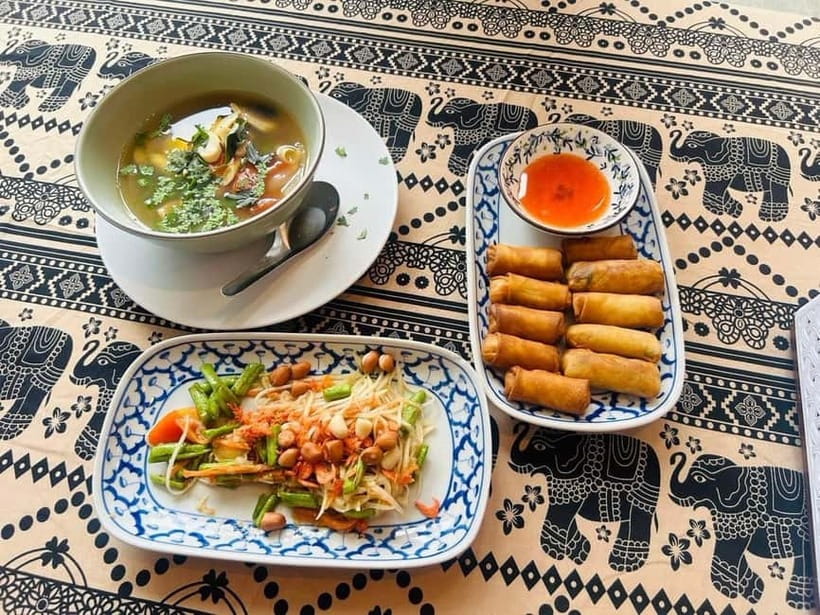
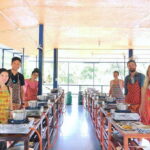
This experience is built around one simple idea: to cook Thai food, you need to understand Thai ingredients and technique, not just recipes. The class takes place in a traditional Lanna home in Chiang Mai’s old-city area, near the Chiang Mai Gate Market. That matters because it keeps the vibe grounded. You’re not standing in a glossy demo space; you’re in a real kitchen environment with stations set up for working hands-on.
Timing is also flexible. Since it starts with pickup and then moves to the market, the meal you sit down to at the end can feel like brunch, lunch, or dinner depending on the session you attend. Either way, the goal stays the same: you cook, then you eat what you made while it’s fresh.
If you’re the type who wants Thai food that’s not watered down for tourists, this format helps. The market stop gives you context for what goes into Thai cooking, and the home setting gives you a comfortable pace to learn without feeling rushed.
You can also read our reviews of more shopping tours in Chiang Mai


Hotel pickup and the ride into Chiang Mai Gate Market
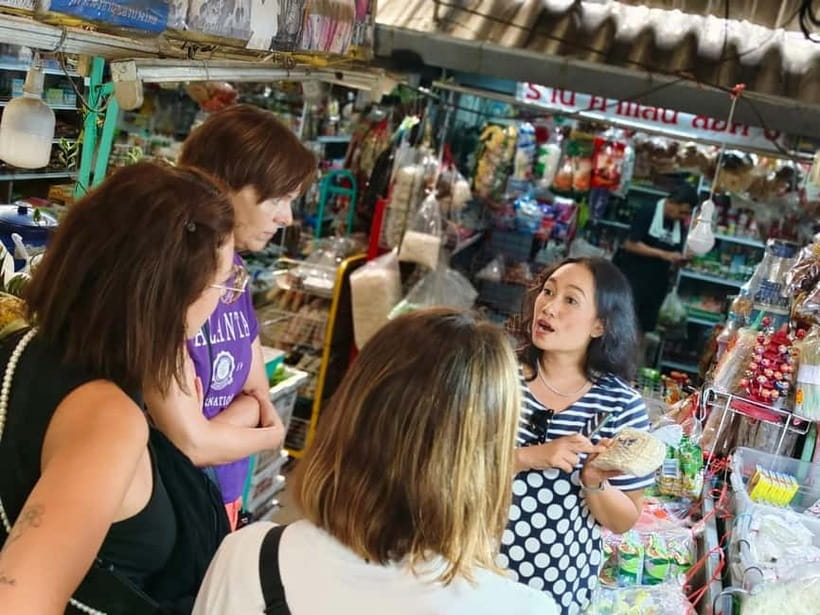
The tour includes hotel pickup, and you’ll be asked to wait in the lobby about 15–30 minutes before your scheduled time. That’s a small detail, but it changes the day. When pickup is included, you don’t have to think about transport right when you’d rather focus on eating and learning.
Ride comfort is generally not highlighted as a major issue, but do note one caution from feedback: at least one person described the transfer as bumpy and hot, using a jeep rather than a minivan with air-conditioning. If you get car-sick easily or you’re sensitive to heat, wear breathable clothes and bring water.
Also, the tour includes free transportation, so you’ll want to give the operator your hotel name or your exact address for a smooth pickup.
The market tour: herbs, spices, and how to shop by smell
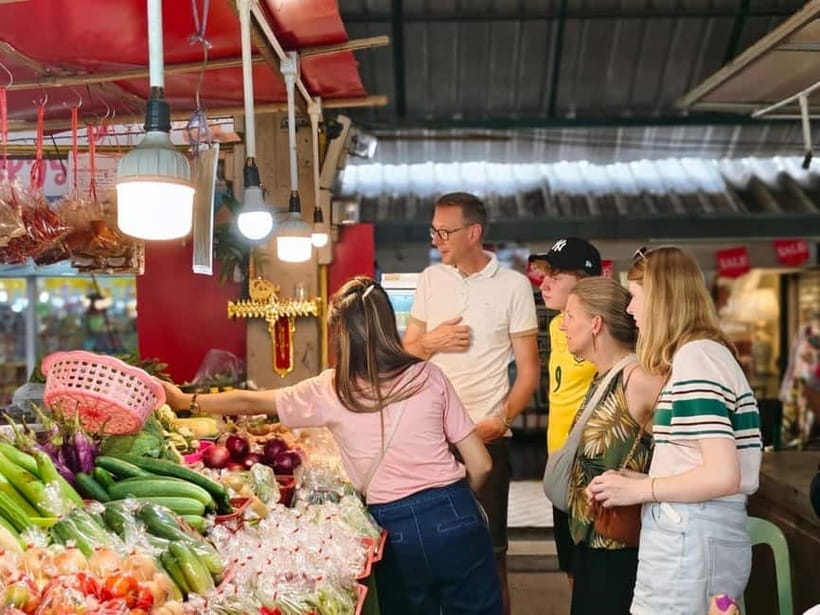
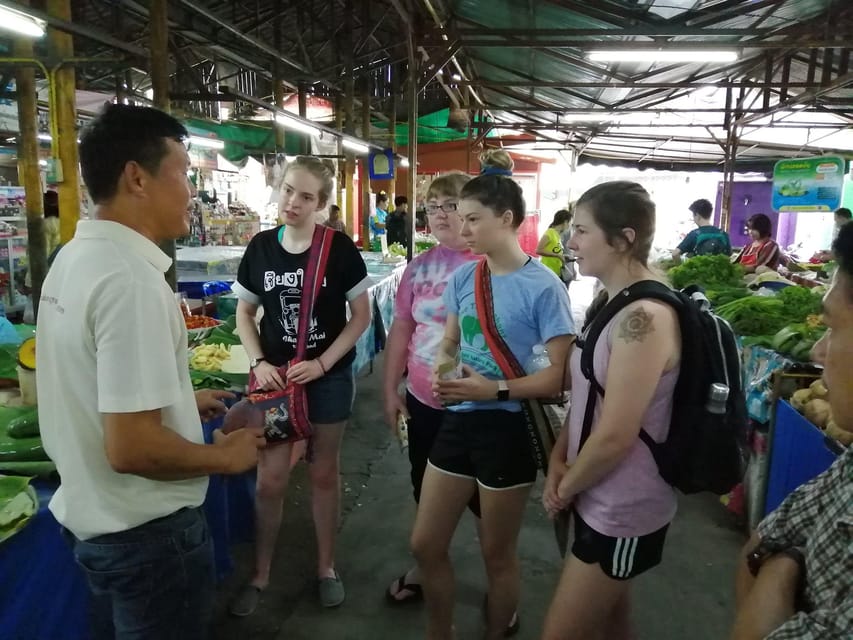
The experience starts where good cooking should start: the market. After pickup, you head out to learn about Thai herbs, spices, and vegetables. This isn’t a shopping spree. It’s more of a guided orientation so you can recognize ingredients that look similar but taste very different.
Here’s what you should pay attention to during the market portion:
- Smell first. Thai flavors are often defined more by aroma than appearance. You’ll get coaching on what to look for and why each ingredient matters.
- Understand the building blocks. Market knowledge makes cooking later easier, especially for recipes built on fresh aromatics and spice blends.
- Ask what substitutions mean. Even if you can’t buy the same ingredients at home, you can learn how Thai cooks think about flavor.
Some people found the market tour interesting but wanted a bit more guidance about what to notice across the stalls. If you’re the type who likes to understand the “why” behind each ingredient, go in ready to ask questions. Instructors often steer you back to the cooking purpose, and that connection is what makes the market time feel worth it.
Cooking class style: hands-on stations and real teaching
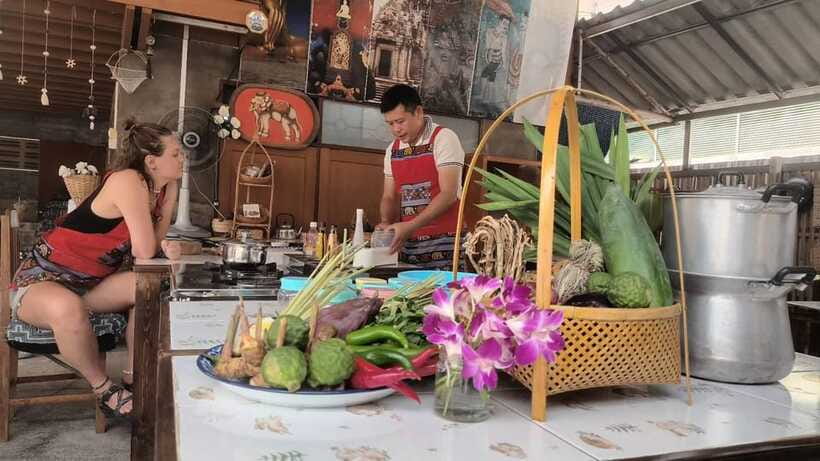
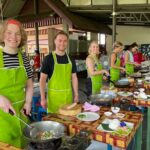
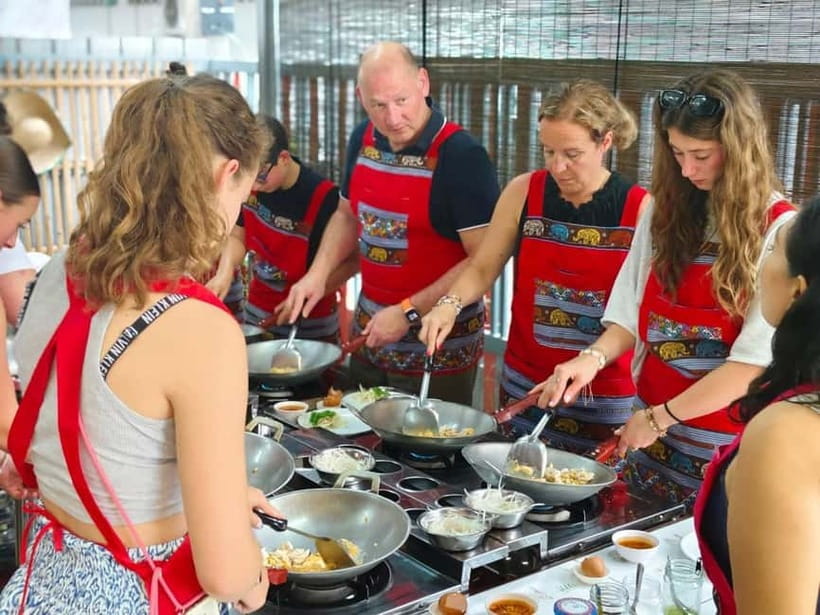
Back at the home kitchen, the class becomes practical fast. You’ll cook six traditional Thai dishes with a professional chef, using included ingredients and following instruction in English. The biggest value here is the hands-on pace.
Several instructors are specifically praised for being supportive and organized, with named chefs like Tuu, Flook, Wave, Balloon, and Mew showing up in feedback as fun, clear teachers. A few themes repeat across write-ups:
- You get help through each step, not just “watch and copy.”
- Your station is set up so you can work without constantly waiting.
- The chef keeps the energy up, with jokes and humor that make the learning stick.
Also, you’re not expected to do everything alone. In many classes, one person chops while others wait. Here, it sounds more like everyone participates, and the group size helps instructors keep an eye on what you’re doing.
One practical note: some people mentioned food was so plentiful that they weren’t hungry, while others felt they still needed more once the class ended. If you have a big appetite, plan to bring the right mindset: you’ll be eating multiple dishes, but portion size can vary by session.
Curry paste from scratch: the flavor lesson that matters
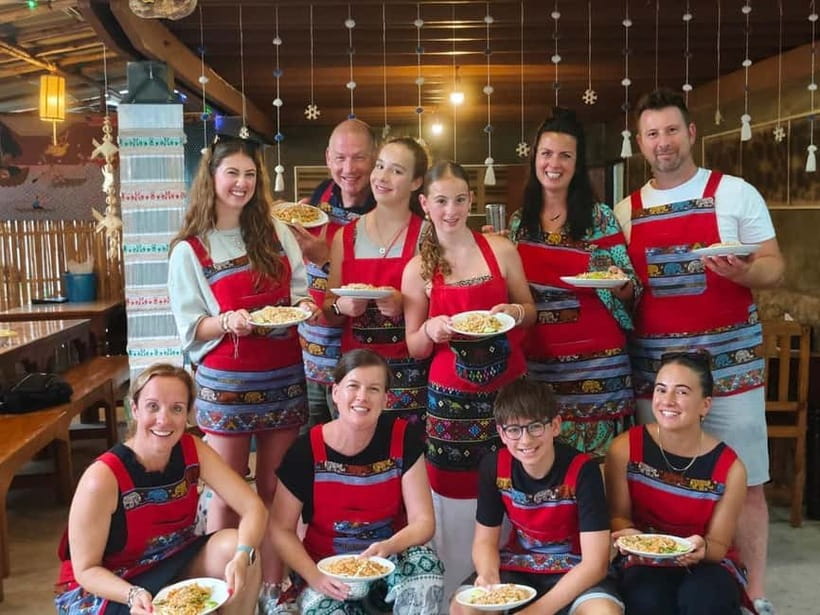
Making curry paste from scratch is the centerpiece skill. In Thai cooking, curry paste isn’t just seasoning—it’s the flavor engine. When you grind or build the paste yourself, you learn how aromatics and spices combine into something that tastes deeper than packaged versions.
During this class, you’ll get direct instruction for curry paste preparation. The value isn’t only in the final dish. It’s in learning the texture and balance that Thai cooks aim for.
When I think about why this class is worth it, curry paste is the reason. If you only followed a recipe card, you’d miss how Thai flavors evolve through the making process. Here, you practice the method, then you taste the result as part of your meal.
You can also read our reviews of more tours and experiences in Chiang Mai


Sticky rice and mango: learning Thai serving logic
The class includes sticky rice with mango and teaches you how sticky rice fits into the meal. Sticky rice isn’t just a side dish in Thai food—it’s part of how Thai meals are structured and how sweet, savory, and aromatic flavors land together.
You’ll learn the sticky rice method during the cooking portion, and you’ll eat it as part of your final spread. If you like learning how a dish is assembled and served, this part is especially useful because it shows the “Thai meal rhythm,” not just one plate at a time.
A helpful detail from feedback: some dishes are not overly spicy, so the class design seems to account for different spice tolerances. Still, expect Thai flavors to taste bold. If you’re extremely spice-sensitive, tell your instructor early, since adjustment depends on what’s already cooked and what ingredients you’re working with.
The full 6-dish meal: what you’ll likely cook
The official promise is six traditional Thai dishes, plus a meal made from what you prepare. The specific dish list can vary by session, but curry paste and sticky rice with mango are clearly included.
If you want a realistic expectation of the end result, here’s what the experience seems to deliver:
- You cook multiple items, often enough that the final eating spread feels like a full meal, not just snacks.
- At least one feedback comment notes that what they ate felt like four meals, even though the class is structured around six dishes. That suggests some dishes may be components rather than separate plates, depending on timing and how the menu is organized.
Either way, you should plan on a satisfying meal. It’s included, and ingredients are provided.
What the class includes (and why it’s good value)
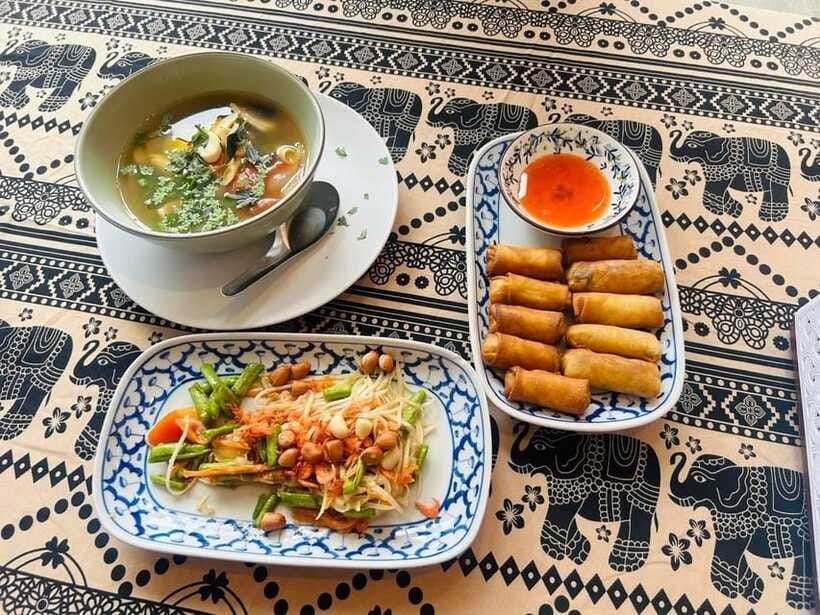
At $32 per person for a 4-hour experience, the value mostly comes from what’s bundled, not from the price alone. You get:
- Hotel pickup
- Local market tour
- Introduction to Thai herbs, spices, and vegetables
- Cooking class for six dishes, including curry paste from scratch
- Ingredients for cooking
- A recipe book
When you compare typical Chiang Mai cooking classes, the best value is usually the ones that remove friction: no solo shopping for ingredients, no figuring out transport, no missing context before you cook. This experience covers that end-to-end path—from market recognition to finished plates.
Two more value signals from feedback:
- Small class size means instructors can help while you cook.
- Many people mention their stations were set up and that the flow of washing/cleanup happened so they could focus on learning and eating.
Beer and alcohol are not included, and alcohol and drugs are not allowed during the activity. So if you want wine or beer with your meal, you’ll need to plan that separately.
Timing, logistics, and the vibe you’ll notice
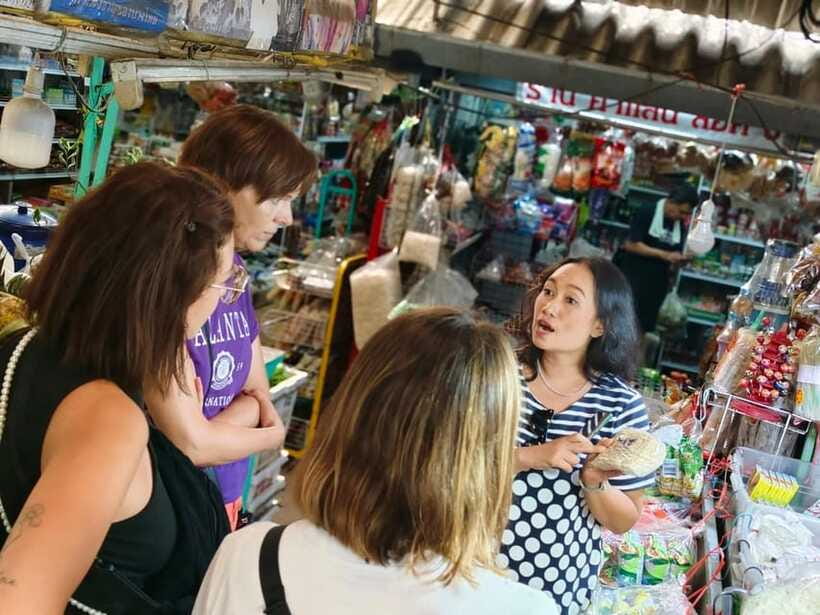
This is a short day: about 4 hours, with pickup, market time, cooking, and then eating. It’s not a half-day lecture. It’s structured so you get enough instruction to feel confident and enough cooking to feel like you produced the food.
Dress is simple: wear comfortable clothes. You’ll be in a kitchen environment, and you’ll likely be moving around during prep.
Instructors are consistently described as supportive and organized, and many comments credit their humor and clarity. If you enjoy learning with a bit of fun, you’ll probably feel right at home. English instruction is included, which makes it easier to ask practical questions while you work.
One other vibe note: because the class ends with the meal you make, you’re not left waiting around. You learn, you cook, then you sit down and taste the results of that learning.
Who should book this and who might want something else
This cooking class is a strong match if you:
- want a hands-on Thai cooking experience with market context
- care about learning ingredients, not just following steps
- enjoy cooking with guidance in English
- like the idea of curry paste from scratch, which is a skill you can reuse later
It may be less ideal if you:
- need a very air-conditioned or smooth transfer (some reports mention bumpy, hot rides)
- hate heat or want a totally indoor-only day
- expect an ultra-luxury format with no mess or movement (this is a real cooking class)
It’s not suitable for children under 5 years, so plan accordingly if you’re traveling with young kids.
Should you book Chiang Mai Smart Cook?
If you want real Thai cooking skills in a tight time window, I think it’s an easy yes. For the money, you’re not just paying for a meal—you’re buying ingredient context, chef-led practice, and a recipe book you can use later.
My main reason to recommend it: the combination of the market tour and the curry paste from scratch lesson. That pairing is what turns a cooking class into something you can actually repeat at home.
Book it if you can handle a short day with market wandering and a kitchen workout. If you’re highly sensitive to heat or rougher transport, check your comfort preferences before you go—and wear breathable clothes.
FAQ
How long is the Chiang Mai traditional Thai cooking class?
The experience runs for about 4 hours.
What will I learn to cook?
You’ll learn how to cook 6 traditional Thai dishes. Curry paste is made from scratch, and sticky rice with mango is included.
Is hotel pickup included?
Yes. Pickup is included, and you should wait in the hotel lobby 15–30 minutes before your scheduled pickup time.
Do I get to visit a market?
Yes. You’ll visit a local market to learn about Thai herbs, spices, and vegetables before cooking.
Is the class taught in English?
Yes, the instructor teaches in English.
What should I bring?
Wear comfortable clothes.
Is alcohol included?
No. Beer and alcohol are not included, and alcohol and drugs are not allowed during the activity.