REVIEW · CHIANG MAI
Cooking class in organic garden and local market tour ThaiCottage
Book on Viator →Operated by Thai Cottage Home Cookery School · Bookable on Viator
Curry paste from scratch is the hook here. This Thai cooking class in an organic garden pairs a local market stop with guided cooking (small group, English support) so you learn how Thai flavors actually get built. I really liked making curry paste from scratch and then using it right away, instead of just watching a demo. I also enjoyed the chance to choose dishes, so the class fits what you like eating. One thing to keep in mind: a few components may be partly prepped ahead of time, so you won’t always do absolutely every step from zero.
The market-first flow works well because you see what you’re buying and why. You’ll visit a local market, then head to an organic herb garden, where the ingredients in your recipes aren’t just names on a list—they’re growing and ready to explain. I liked that the class is capped at 8 travelers, which keeps the pace from getting chaotic. A possible drawback is that the market portion may feel more hands-on for shopping than for deep product explanations, depending on how your session runs.
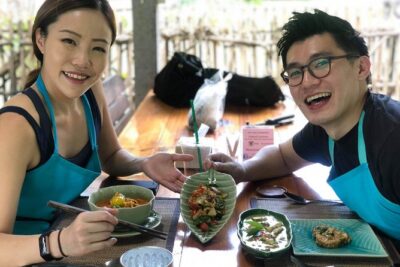
When you sit down to cook, the tone is family-style and practical: you’ll chop, stir, taste, and get corrected in real time. I also liked that you get an online PDF recipe book in English to take the flavors home. Since the experience runs outdoors in weather that’s not always predictable, plan to dress for the conditions and understand that bad weather can trigger a change of date or a refund.
In This Review
- Key points worth knowing
- A class that starts with ingredients, not instructions
- Market tour in Chiang Mai: what you’re really learning
- Organic herb garden: using what’s growing nearby
- Curry paste from scratch: the skill that pays off later
- Sticky rice with mango: learning the Thai dessert rhythm
- Choosing dishes: how the class avoids the bland menu trap
- Traditional family-style kitchen: coaching that keeps you moving
- What you eat in 4 hours: a full meal you created
- Price and value: why $35.86 is more than a bargain
- Practical tips so your day runs smooth
- Who should book ThaiCottage in Chiang Mai
- Should you book this cooking class?
- FAQ
- Do I get hotel pickup and drop-off?
- How long is the cooking class?
- Is a market visit included?
- Do we learn curry paste?
- Do we cook sticky rice with mango?
- How many dishes will I cook?
- Are recipes provided, and are they in English?
- Is the class limited to a small group?
- Are alcoholic drinks included?
- What happens if weather is bad?
Key points worth knowing
- Market to garden to kitchen: you learn ingredients, then cook with the same flavors right away
- Curry paste + sticky rice with mango: both are part of every session
- Pick from multiple dishes: you’re not stuck cooking only one thing
- Small group size (max 8): easier coaching and less waiting
- English instruction + recipes: you leave with a PDF you can actually use
- Hotel transfer within 3 km of city area: convenient if your hotel is close enough
A class that starts with ingredients, not instructions
This ThaiCottage experience is built around the idea that cooking starts before the kitchen. You’ll begin with a local market where ingredients show up in real life—fresh herbs, aromatics, and the building blocks of Thai dishes. Then you move to the organic herb garden, which helps you connect the final taste to where it comes from.
For you, this matters because Thai cooking is all about balance: salty, sour, sweet, heat, and fragrance. If you only learn the steps in a classroom without seeing what the ingredients look like, it can be harder to recreate later. Here, the tour portion supports the cooking portion.
The structure also keeps your brain active. You’re not sitting through a long lecture. Instead, you keep switching gears: shop, identify, prepare, then cook and eat.
You can also read our reviews of more shopping tours in Chiang Mai


Market tour in Chiang Mai: what you’re really learning
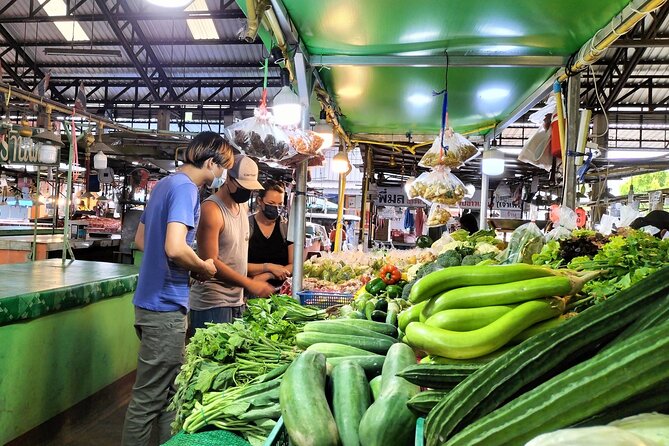
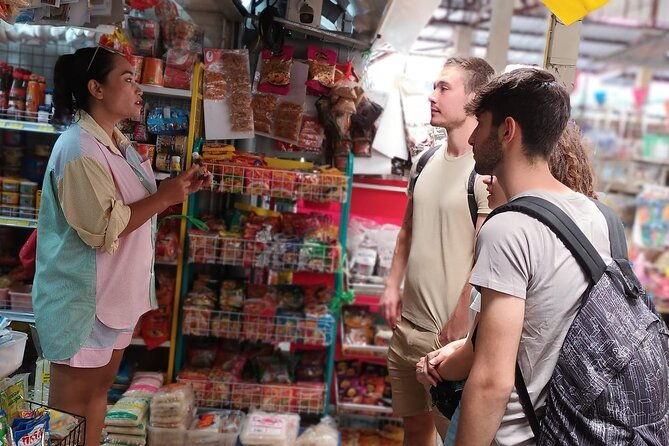
The market visit is more than a photo stop. The main goal is to see the ingredients you’ll use and learn how they show up in Thai recipes. Expect a short window to look around, and then enough time to connect ingredients with what you’ll cook next.
In many sessions, the instructor explains key items used in the dishes and shares small local pointers—things like what certain ingredients contribute to the flavor. You’ll likely also get the practical benefit of realizing what to look for when you cook at home: the spice type, the herb form, and the way sauces and pastes create depth.
One consideration: a few people have felt that the market time isn’t deeply guided product-by-product. If you prefer a long, very detailed shopping explanation, you might want to ask questions actively during the walk.
Also, don’t over-plan your schedule around this stop. It’s time to browse and understand, not a full-blown shopping spree. Keep your focus on ingredients tied to your cooking choices.
Organic herb garden: using what’s growing nearby
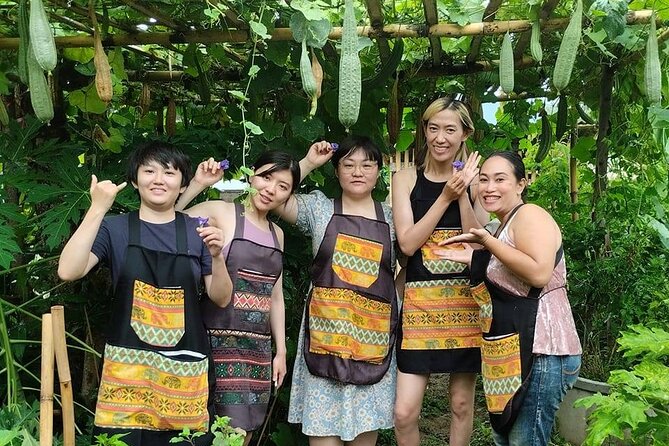
After the market, you’ll head to an organic garden linked to the cooking class. This part works because you see herbs and vegetables as living ingredients, not just shelf items. You’ll spend time learning what will be featured and how they fit into Thai flavors.
The garden stop also sets expectations for the kitchen work. When you later smell and chop herbs, it feels more intentional. You’re less likely to forget key items because you already saw them.
In a Thai cooking class, fresh ingredients make a difference fast. Thai food is sensitive to aroma. A basil note, a kaffir-lime scent, or a ginger bite can shift the whole dish. The garden portion helps you understand why people in Thailand care so much about freshness.
Curry paste from scratch: the skill that pays off later
If there’s one part of this class you’ll feel right away, it’s making curry paste from scratch. This is one of the best-value skills you can learn because once you understand the paste, you can adapt it later for other curries.
You’ll grind and combine ingredients until you get a paste with the right mix of fragrance and heat. The class is structured so everyone learns this element, even if you choose different dishes for the rest of your meal. That’s smart: it gives you a shared “core” technique.
This matters for you at home because Thai curry isn’t only about the curry sauce. It’s about what goes into the paste—how aromatics are balanced and how the texture changes the final taste. If you’ve ever tried to cook curry using only store-bought paste and felt it wasn’t quite right, this gives you a benchmark for how it should smell and taste.
Sticky rice with mango: learning the Thai dessert rhythm
You’ll also make sticky rice for sweet sticky rice with mango. This is a classic, and it’s one of those dishes where technique matters more than people expect.
The class approach is hands-on, which helps because sticky rice isn’t just about boiling and waiting. Timing, texture, and how you handle the rice all affect the result. Then you’ll pair it with the mango component in the traditional style.
For many people, this dessert is a turning point. It makes the class feel complete, not just savory cooking. And since you’re eating what you make, you learn quickly if you nailed the texture or if you need to adjust.
You can also read our reviews of more tours and experiences in Chiang Mai


Choosing dishes: how the class avoids the bland menu trap
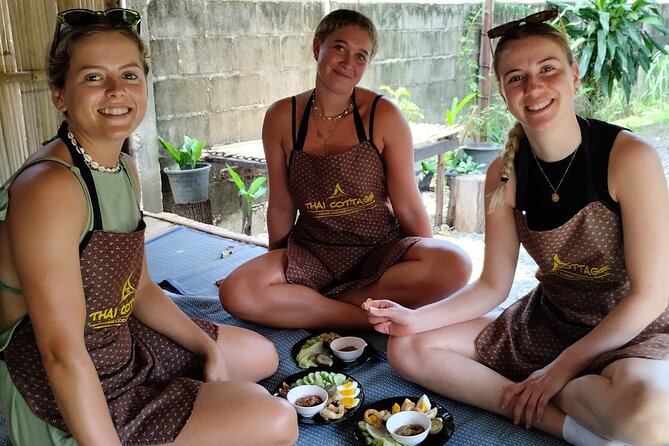
A big reason this class earns such high marks is choice. You’ll get options to select the dishes you want to cook, instead of being locked into a single set menu. The experience includes learning six Thai dishes across different categories, with curry paste and sticky rice taught as the shared basics.
That choice matters if you’re picky, vegetarian-ish, or just want to focus on what you actually crave. It also makes group cooking less awkward. Instead of everyone making the same thing and hoping it tastes good, you each end up with a plate that matches your taste.
In past sessions, people have cooked combinations like soup, stir-fry, curry, and dessert. The exact lineup can shift, but the structure stays consistent: multiple categories, a clear teaching flow, and you eating what you produce.
One practical tip: think about what you like eating in Thailand—spicy? sour? herbal? Then pick dishes that match your appetite. You’ll enjoy the final meal more, and you’ll remember the techniques better.
Traditional family-style kitchen: coaching that keeps you moving
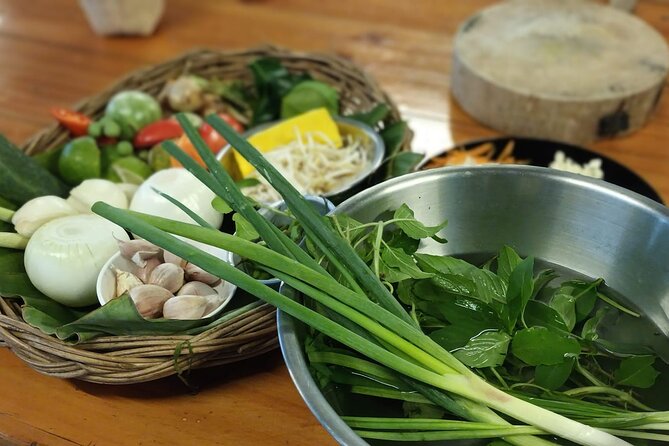
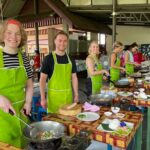
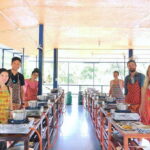
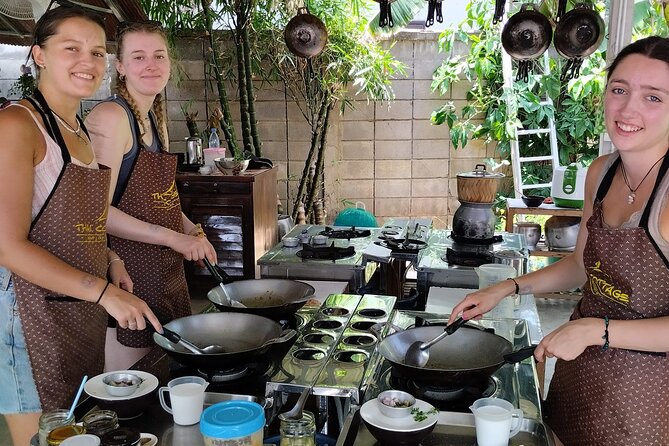
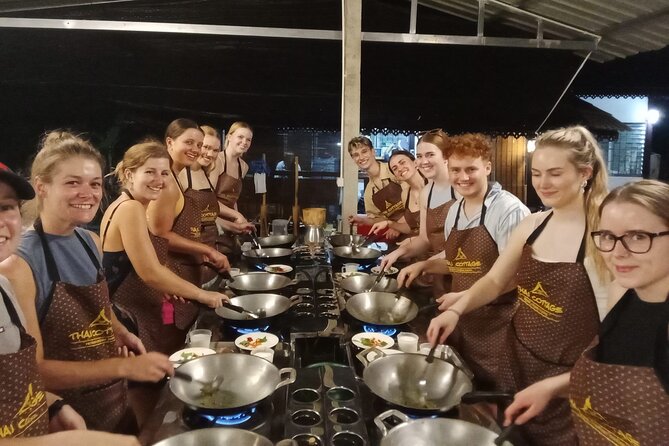
The cooking happens in a traditional Thai family style setup, in an organic kitchen garden area. A key detail that shows up repeatedly in feedback: the kitchen setup tends to support individual cooking at a station. People mention cooking at their own station with tools ready, and the workflow is organized so you don’t just stand around.
Instructors run the session so dishes stay on track. You’ll be cooking in steps, and you’ll likely have support between dishes to reset your workspace. This is important because Thai cooking has multiple moving parts: sauces, frying, timing, and finishing touches.
English instruction is included, and the recipes are provided in English too. Many sessions are led by instructors named Toey, Tory, Kat, Mac, or Gataii. What you can take from that: the teaching style is interactive and patient, with people who keep groups moving and help different skill levels.
If you’re a nervous cook, don’t worry. The class is designed for learning. You’ll get direction, you’ll taste, and you’ll adjust. That’s how you turn a potentially stressful experience into a fun one.
What you eat in 4 hours: a full meal you created
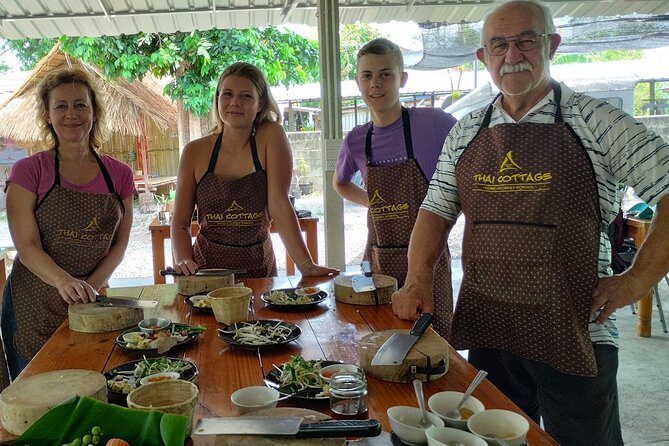
The class is about 4 hours (approx.), built to include the market, garden time, cooking instruction, and finally eating. Because you cook multiple dishes, you end up with a real meal, not just a snack.
What you make typically includes a mix of savory dishes plus a dessert. Since you’ll make curry paste and sticky rice with mango as part of the core learning, those two flavors anchor your meal. The rest of the dishes depend on the options you select, but the goal is variety across categories.
This is also where the value shows itself. If you’ve taken cooking classes before and left hungry or underfed, you’ll appreciate that this one is set up for you to cook and eat together. You get the satisfaction of a finished spread and the practical lesson of how the dishes complement each other.
Price and value: why $35.86 is more than a bargain
At $35.86 per person, this is priced like an accessible half-day activity, and it includes the hard-to-price parts: market visit, ingredients, instruction in English, drinking water, and an organic herb garden stop. You also get the PDF recipe book online, which adds value because you’re not just borrowing the experience for one day.
The transfer helps too: round-trip hotel transfers are included as long as your hotel is within 3 km of the city area. If your lodging fits that radius, it removes the biggest friction point of cooking classes in Chiang Mai—getting to and from the cooking site on time.
Small group size (max 8 travelers) also matters. With fewer people, you get more practical feedback and less time waiting for an instructor to notice what you’re doing.
Alcohol isn’t included, but it’s available to purchase. If you want a beer or a drink with your meal, you can add it, but it won’t raise the base price.
Practical tips so your day runs smooth
Plan for a day that moves. You’ll be picked up from your hotel, then head to the market, then to the organic garden, then cook and eat, then return. Build in buffer time and keep your schedule light afterward.
Bring basic comfort items. Even if the garden kitchen is set up for cooking, you’re outdoors for parts of the day. Light layers help because Thailand weather can shift between morning and afternoon.
If your hotel is more than 3 km from the city area, double-check whether the transfer will still work for you. The tour notes say transfer is included only within that range, so it’s worth confirming up front.
Finally, weather can matter. This experience requires good weather. If it’s canceled due to poor weather, you’ll be offered another date or a full refund.
Who should book ThaiCottage in Chiang Mai
I’d point you here if you want:
- A hands-on Thai cooking lesson, not a lecture
- A class that includes both market learning and organic ingredient context
- The core skills of curry paste and sticky rice with mango
- A smaller group with English recipes and instruction
- The chance to pick dishes so your meal matches your tastes
You might not be the best fit if you need a very long, deep, product-by-product market education, or if you expect every single component cooked entirely from raw with no pre-work. Some sessions may involve partial prep, and that can feel less like a pure “from scratch” class.
Should you book this cooking class?
Yes, you should book it if you’re excited to learn Thai cooking in a way that connects ingredients to technique. The strongest reasons are the mix of curry paste from scratch, sticky rice with mango, and the fact you cook and eat a full spread in a small group setting with English support and take-home recipes.
If you want a straightforward cooking win in Chiang Mai—with market context and an organized, family-style kitchen—ThaiCottage is a solid bet. If you’re unusually strict about every step being fully handmade or you need extensive market explanation, message the team ahead of time with what you’re hoping for.
FAQ
Do I get hotel pickup and drop-off?
Yes. Round-trip hotel transfer is included, but only within 3 km from the city area.
How long is the cooking class?
It’s about 4 hours (approx.).
Is a market visit included?
Yes. You’ll visit a local market before the cooking in the organic garden.
Do we learn curry paste?
Yes. Everyone makes curry paste from scratch.
Do we cook sticky rice with mango?
Yes. Everyone learns how to make sticky rice for the sweet sticky rice with mango dessert.
How many dishes will I cook?
You’ll cook six Thai dishes, with dish options available. Curry paste and sticky rice are part of the shared learning.
Are recipes provided, and are they in English?
Yes. You get ingredients, recipes, and instructions in English, plus an online PDF recipe book.
Is the class limited to a small group?
Yes. The maximum group size is 8 travelers.
Are alcoholic drinks included?
No. Alcohol is not included, though it’s available to purchase.
What happens if weather is bad?
This experience requires good weather. If it’s canceled due to poor weather, you’ll be offered a different date or a full refund.