REVIEW · CHIANG MAI
Half Day Chiang Mai Cooking Class and Market Taste Tour
Book on Viator →Operated by Oh-Hoo · Bookable on Viator
You’ll start at the market, then cook fast. This half-day Chiang Mai cooking class + market taste tour blends street-food sampling with a chef-led session where you learn how to make five classic Thai dishes. It’s a practical way to go from ingredient names to actual meals in just a few hours.
I especially like how the format begins with a market run—so you see herbs, sauces, and staples up close before you touch a knife. I also like that the class covers a wide menu of Thai flavors, with options including salads, stir-fries, soups, curries, noodles, and desserts.
One possible drawback: English clarity can vary between instructors, so if you want deep, detailed questions while shopping, keep questions short and simple.
Key highlights you’ll care about
- Market first, cooking second: you taste Thai street snacks and learn key ingredients before you cook
- Make five dishes in one session: you get a full “menu range” without staying all day
- Small classes (max 10): more hands-on help when the chopping starts
- Vegetarian-friendly menu: you can do the full class with vegetarian options and accommodations
- Recipes delivered after: you’ll get recipes and pictures by email or WhatsApp
In This Review
- Market to Meal: The Best Part of This Half-Day Chiang Mai Combo
- Starting at Coconut Shell: Logistics That Actually Affect Your Day
- The Market Taste Tour: What You’re Really Learning
- Hands-On Cooking Class: How Five Dishes Gets You Real Skill
- Dish Lineup: Salads, Stir-Fries, Soups, Curries, Noodles, and Dessert
- Vegetarian and Dietary Options: Real Choices, Not Afterthoughts
- What You Eat and How It Feels: More Than a Snack Tour
- Non-Cooking People: Market Tour Access and the Extra Cost
- The Most Useful Part After the Tour: Recipes and Pictures
- Who This Chiang Mai Cooking Class Fits Best
- Price and Value: What $33.81 Really Buys You
- A Small Safety and Comfort Checklist (So You Enjoy It)
- Should You Book This Half-Day Chiang Mai Cooking Class?
- FAQ
- How long is the half-day cooking class and market taste tour?
- What dishes will I learn to cook?
- Is pickup included?
- Do you offer vegetarian or dietary options?
- Can non-cooking people join the tour?
- What should I eat before the class?
- When will I receive the recipes?
Market to Meal: The Best Part of This Half-Day Chiang Mai Combo
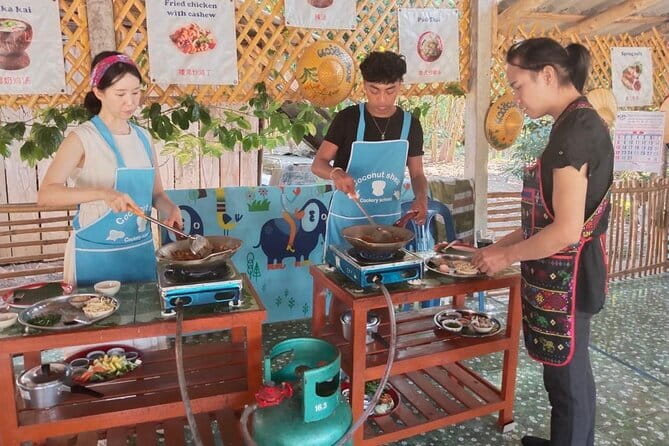
This experience is built for people who want real Thai food knowledge, not just a quick “watch and leave” class. You start at Coconut Shell Thai Food (42/4 Ratchamanka Rd) and then spend the first part of your time at a local market, sampling foods and spotting the ingredients behind Thai cooking.
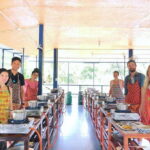
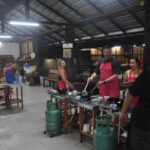
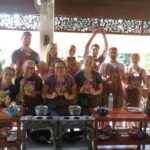
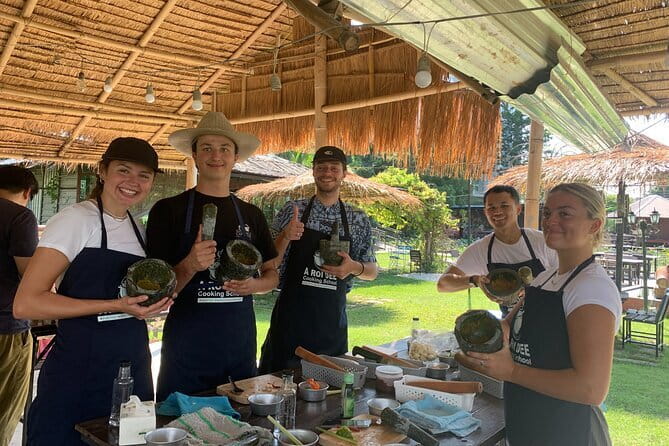
After the market, you move into the hands-on cooking portion with an English-speaking instructor. The class is designed for 10 guests maximum per session, so you’re not fighting for attention when the chef is showing you how to season, stir, and adjust.
The pacing is one of the reasons it works. You get enough time to learn steps clearly, then you eat what you made, and you’re back at the meeting point when the 3-hour block ends. There’s also a choice of morning or afternoon session, which makes planning easier.
Starting at Coconut Shell: Logistics That Actually Affect Your Day
You meet at Coconut Shell Thai Food, and the tour runs about 3 hours total. If you’re staying close enough, the operator offers free round-trip transfer within a 5 km radius of the restaurant, so you won’t have to wrestle with transport right when you arrive.
You’ll also get a mobile ticket, plus drinking water and a snack during the experience. Free Wi‑Fi is included, which sounds minor until you’re trying to message a friend after you buy herbs, or you want to look up a dish name later while you’re waiting for cooking instructions.
There’s one practical tip that matters a lot: you should have a light breakfast. The tour provides a large amount of food for cooking and tasting, so a heavy meal beforehand can make the whole session feel rushed instead of fun.
You can also read our reviews of more shopping tours in Chiang Mai


The Market Taste Tour: What You’re Really Learning
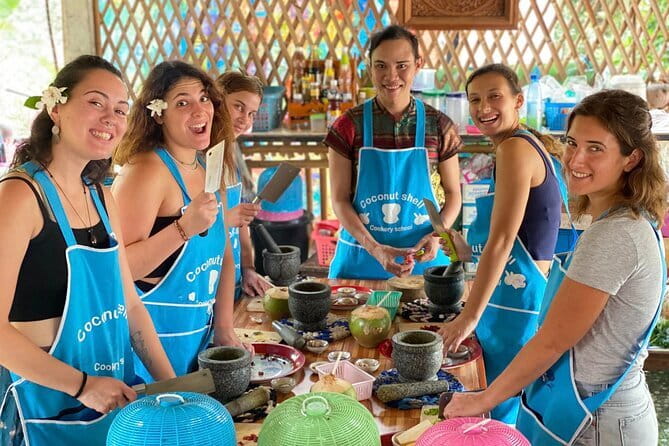
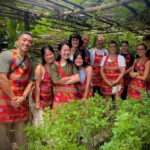
The market portion isn’t just about eating random snacks. It’s about getting your eyes trained to Thai ingredients and flavors. You’ll see produce and aromatics you’ll use later in your cooking—things like herbs, vegetables, and the typical Thai building blocks that show up across multiple dishes.
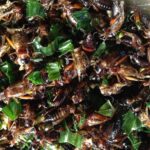
You’ll also taste street-food style items as part of the experience. That’s useful because Thai food is not only about ingredients; it’s about balance. Sweet, salty, sour, heat, and freshness are woven together, and the market helps you recognize how those notes should feel on your tongue.
A smart move here is to pay attention to what the chef/instructor highlights during shopping. You’ll be chopping and seasoning later, so mental notes help. If English isn’t perfectly smooth for you in the moment, you can still follow cues by pointing to ingredients and asking short questions like how it’s used or what flavor it adds.
Hands-On Cooking Class: How Five Dishes Gets You Real Skill

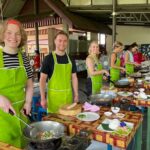
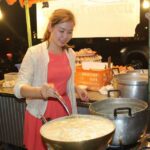
This is the core of the tour: you cook five traditional Thai dishes with expert guidance. The class is interactive, so you’re not just watching while someone else does the hard work. You chop, stir, season, and work through the steps like a mini “learn by doing” crash course.
Even if you’re a total beginner, the structure helps. Thai cooking can look intimidating because there’s a lot of flavor work, but the class is built around repeatable techniques—like how sauces get built, how herbs are handled, and how stir-fries are timed.
The class also accommodates dietary needs. You can choose vegetarian options, and other restrictions can be supported if you mention them. That matters because many cooking classes list vegetarian meals as a side choice, not as the main menu you cook.
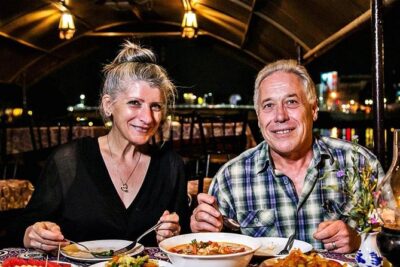
You’ll also get a meal from your own work. Eating what you made right after learning it is one of the simplest ways to remember what matters: texture, seasoning timing, and how each dish should smell when it’s done.
Dish Lineup: Salads, Stir-Fries, Soups, Curries, Noodles, and Dessert
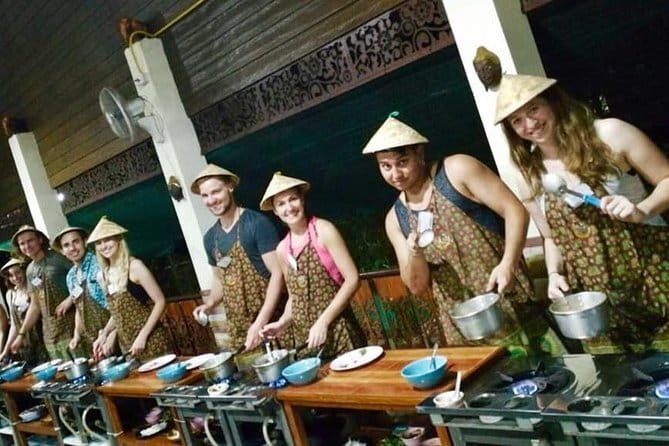
The tour menu is broad, and it covers flavors across Thai meals. While the class focuses on five dishes, you’ll recognize ingredients and methods that tie the whole menu together. Here’s the menu range you may see across the session.
Salads (fresh, sharp, and sauce-driven)
- Papaya salad
- Vermicelli salad
- Spicy minced pork salad
- Sliced grilled chicken salad
Salads are a great place to start because they teach the Thai approach to balance—crunch plus acidity plus heat, all tied together by dressing.
Stir-fried dishes (wok timing and sauce control)
- Fried chicken with cashew
- Sweet and sour
- Stir-fried mixed vegetables
- Stir fried basil and fried morning glory
Stir-fries are where you learn timing and seasoning rhythm. Thai basil and morning glory also show up in different styles, so you get a taste of how Thai “greens” work beyond just being a side.
Soups (hot, sour, creamy, and fragrant)
- Tom Yum Goong
- Tom Kha Khai
- Hot and Spicy soup
Soups are more technique than luck. If you get the sourness and spice right, the dish tastes complete; if not, it can feel flat. This is a strong section if you want to understand the flavor foundation of Thai cooking.
Curry and curry paste learning (heat and depth)
- Green curry
- Red curry
- Panang curry
- Khao Soi noodle
Curries teach you how Thai spice paste becomes sauce. Even without being a home-cook pro, you’ll walk away with a clearer idea of what makes one curry different from another.
Noodles and rice (choose your texture)
- Pad Thai
- Stir fried noodle
- Pad Ki Mao
- Fried rice
Noodles are also where you see how sweet, sour, and salty notes shift depending on the sauce and base. Fried rice shows you how Thai cooking treats leftover basics as something exciting.
Desserts (the sweet finish that feels practical)
- Mango sticky rice
- Banana in coconut milk
- Fried banana
Dessert in Thai cooking is often about texture. Sticky rice, coconut, and ripe fruit give you a contrast that makes the class feel complete rather than purely savory.
Vegetarian and Dietary Options: Real Choices, Not Afterthoughts
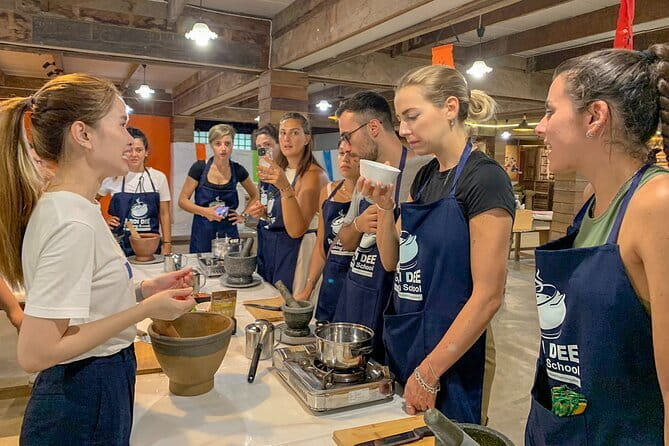
This class is set up with five menus with vegetarian option, so you’re not forced into a “few vegetable sides” situation. Vegetarian and other dietary restrictions can be accommodated, which is especially valuable if you’re traveling with someone who eats differently.
When you’re booking, it helps to be specific about what you want to avoid. Thai cooking can involve shrimp paste, fish sauce, or egg in some dishes, so the more clearly you state your needs, the easier it is for the instructor to guide your choices within the class structure.
If you’re vegetarian yourself, this is a strong reason to pick this tour over generic cooking demos. You’ll learn through the same techniques and still end up with a full set of dishes.
You can also read our reviews of more tours and experiences in Chiang Mai


What You Eat and How It Feels: More Than a Snack Tour
This isn’t a “small tasting” experience. After the market, the cooking session includes enough food for cooking and tasting that it functions like a meal. That’s why the light breakfast advice matters so much.
Also, the timing works well for families and mixed groups because the experience moves between ingredients, cooking, and eating. You’re not stuck in one long lecture moment, and you get clear moments of participation.
If you have kids, the recommended age starts at 5 and above, and children are charged the same price. The hands-on nature can keep attention, as long as the kid is comfortable with the idea of cooking.
Non-Cooking People: Market Tour Access and the Extra Cost
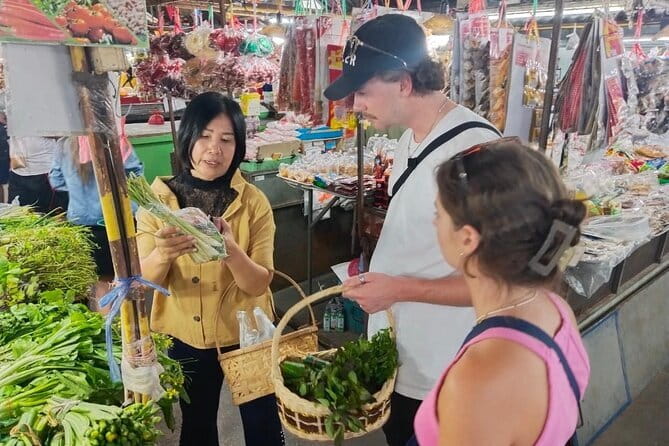
If you’re bringing a non-cooking partner or family member, you’re not left out in the cold. Non-cooking participants and children can join the market tour, which keeps the day feeling shared.
There is an extra cost for non-cooking people: 600 THB per person. That detail matters for budgeting because it changes the real “per person” cost if not everyone in your group is actively cooking.
The Most Useful Part After the Tour: Recipes and Pictures
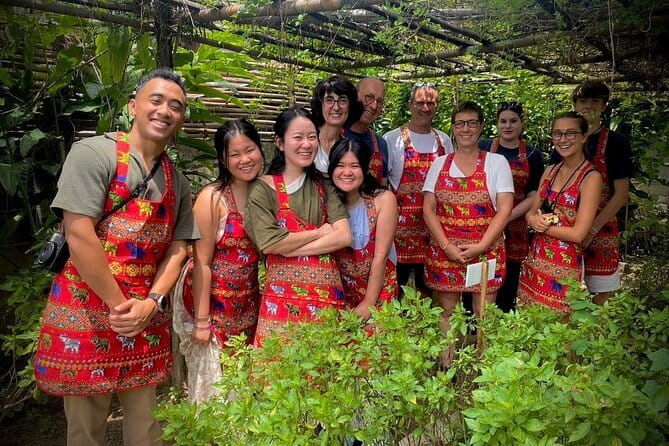
This is the part that helps you use the experience later. After the learning-by-doing cooking session, you’ll get recipes & pictures delivered by email or WhatsApp.
That’s a big deal if you want to cook again at home. Thai dishes often rely on the right balance and technique, and pictures plus recipes reduce guesswork the next time you’re at the store trying to remember what the sauce should look like.
Who This Chiang Mai Cooking Class Fits Best
This tour is well-suited for people who want a structured Thai cooking education without spending a full day on it. It’s also a good match for families because the market + cook + eat format gives kids (and adults) a lot to do.
If you’re solo, you’ll likely enjoy the small group setup and the chance to compare cooking notes with others. If you’re a couple, it’s a fun shared activity where you both learn something practical, then get to eat it together.
It may be less ideal if you’re hoping for an ultra-technical cooking seminar with very detailed back-and-forth Q&A in English. The experience includes an English-speaking instructor, but your ability to ask and understand complex questions can depend on how comfortable everyone is in the moment.
Price and Value: What $33.81 Really Buys You
At $33.81 per person, this is the kind of price that makes sense because you’re getting several things at once: market time, ingredient learning, cooking instruction, and a meal from what you made. You’re also getting included items that would cost extra elsewhere: ingredients, drinking water and snack, and recipe delivery after the class.
The biggest cost “surprise” to watch is the non-cooking surcharge of 600 THB per person for people who join only the market tour. If everyone in your group plans to cook, your budget stays simpler.
Another value signal is the maximum of 10 travelers per session. Smaller groups usually mean more hands-on time and less waiting, especially when the instructor is guiding you on seasoning and timing.
A Small Safety and Comfort Checklist (So You Enjoy It)
Thai markets are not fancy, and cooking is hands-on. I’d plan to wear comfortable clothes you don’t mind smelling like food afterward. Bring a phone or camera (Wi‑Fi is included), and keep a light mindset: part of the fun is working with the same ingredients you tasted.
If you have strong dietary restrictions, set expectations early so the instructor can guide you into the right vegetarian or adjusted dishes. And if your English is limited, bring a few simple questions or use ingredient names you recognize from the menu.
Should You Book This Half-Day Chiang Mai Cooking Class?
Book it if you want a real Thai cooking skill-builder in just a few hours, with a market start that makes the lesson make sense. It’s a great pick for food lovers who don’t want to spend a whole day cooking, and it’s friendly for different dietary needs thanks to the vegetarian menu option.
Consider another option if you need a very language-driven experience. If you’re the type who wants long explanations while you shop, be ready to keep your questions short and practical.
Overall, the structure is the selling point: market tastings first, then hands-on cooking of five dishes, then recipes for later. For the time and price, that’s a solid deal.
FAQ
How long is the half-day cooking class and market taste tour?
It lasts about 3 hours.
What dishes will I learn to cook?
The class focuses on 5 traditional Thai dishes, chosen from the menu that includes salads, stir-fried dishes, soups, curries/curry paste, noodle dishes, and dessert. Vegetarian options are available.
Is pickup included?
There’s free round-trip transfer within a 5 km radius of Coconut Shell Thai Food.
Do you offer vegetarian or dietary options?
Yes. There are 5 menus with vegetarian option, and vegetarian and other dietary restrictions can be accommodated.
Can non-cooking people join the tour?
Non-cooking participants can join the market tour, but there’s an extra 600 THB per person for non-cooking guests.
What should I eat before the class?
You should have a light breakfast, since a large meal is provided for cooking and tasting.
When will I receive the recipes?
The recipes & pictures are delivered via email or WhatsApp after the learning-by-doing session is finished.