REVIEW · CHIANG MAI
Chiang Mai: Half Day Morning Cooking Class with Market Tour
Book on GetYourGuide →Operated by Yummy Tasty Thai Cooking Class · Bookable on GetYourGuide
Five dishes, one handmade curry paste. It’s a fun way to learn real Thai cooking, starting with shopping at Kad Kom Market and ending with you cooking at your own cooking station. I especially like how hands-on it feels, not like a demo you watch from the side. One thing to keep in mind: it’s an open-air kitchen outdoors with no AC, so you’ll cook in Chiang Mai warmth.
Sky (English-speaking) leads the class with an easy sense of humour and a patient, step-by-step flow. The small group size also matters here, because you can ask questions without waiting your turn.
In This Review
- Kad Kom Market Pickup and the 4-Hour Chiang Mai Schedule
- Kad Kom Market: Thai Ingredients You’ll Actually Use
- Yummy Tasty Thai Cooking School Setup: Snacks, Water, and Your Own Station
- Making Curry Paste the Traditional Way (and Learning Substitutions)
- Cooking Five Dishes: Step-by-Step Coaching You Can Follow
- What You Get to Take Home: PDF Recipes That Actually Help
- Price and Value: Is $35 a Good Deal?
- Who This Chiang Mai Cooking Class Suits Best
- Practical Tips: Make the Most of the Open-Air Kitchen
- Should You Book This Cooking Class in Chiang Mai?
- FAQ
- FAQ
- How long is the Chiang Mai cooking class?
- Will I make curry paste in the class?
- How many dishes will I cook?
- Do you include hotel pickup and drop-off?
- Is the instructor English-speaking, and is it a small group?
- Will I get a recipe to take home?
- Is the kitchen air-conditioned?
Kad Kom Market Pickup and the 4-Hour Chiang Mai Schedule
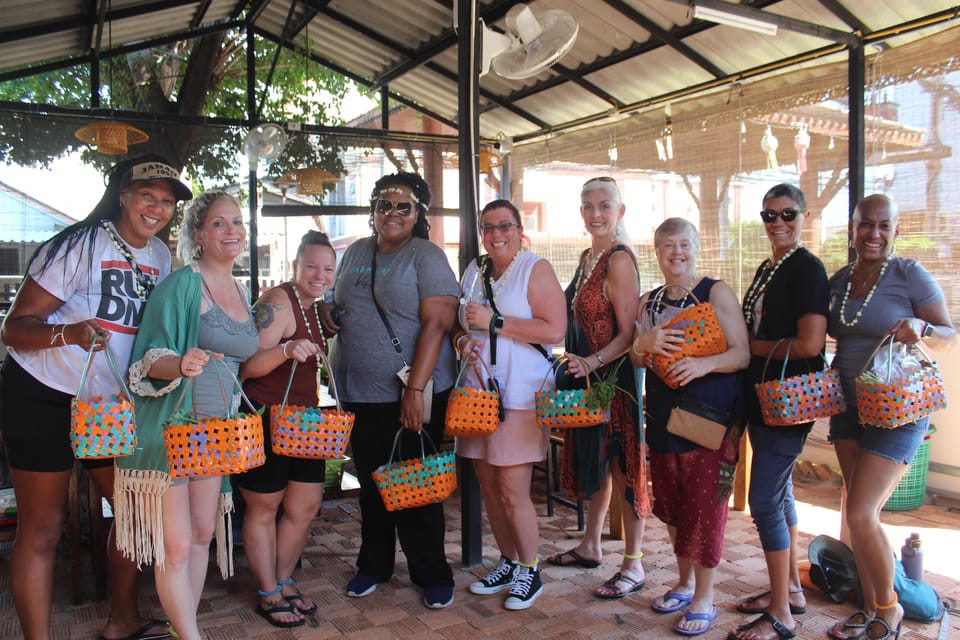
This is a half-day experience built to fit real travel days. You’re picked up from your hotel within 3 km of Kad Kom Market, so you don’t lose time trekking across town. If your hotel is outside that pickup range (or you’re in Nimman and beyond it), you’ll meet the team at Kad Kom Market instead, then everything else runs from there.
The total time is about 4 hours, which is a sweet spot: long enough to shop, cook, taste, and get a take-home recipe, but not so long that you feel wrecked afterward. The day moves in clear steps—market first, then settling into the cooking school, then cooking at your station, and finally drop-off back to your hotel.
One practical detail: because you’re going to a market and then cooking, wear shoes you’re happy to walk in. You’ll be standing. Also bring a light layer if you’re sensitive to sun, even though it’s not a dramatic temperature shift like in some indoor classes.
Kad Kom Market: Thai Ingredients You’ll Actually Use
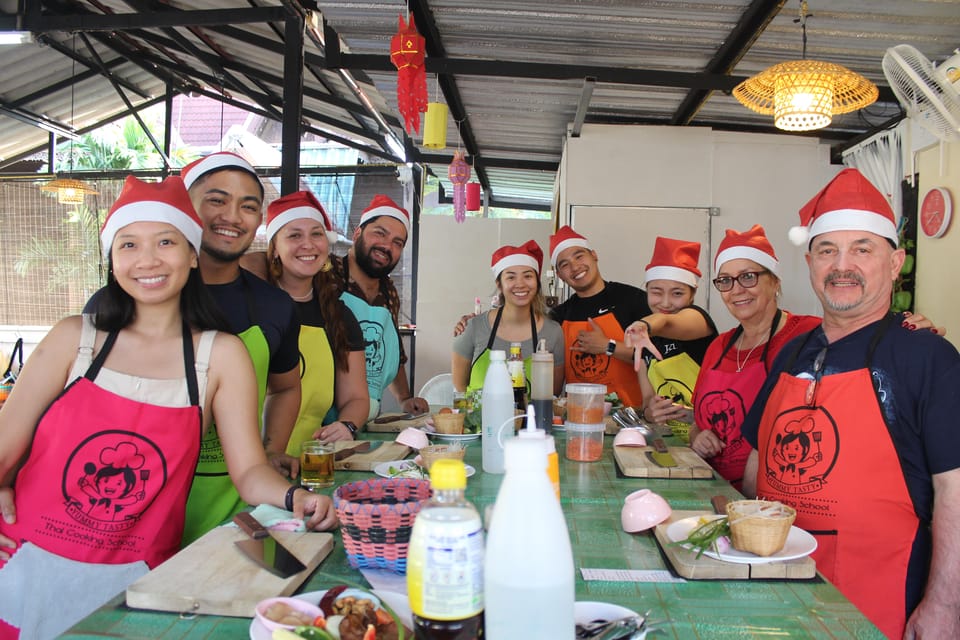
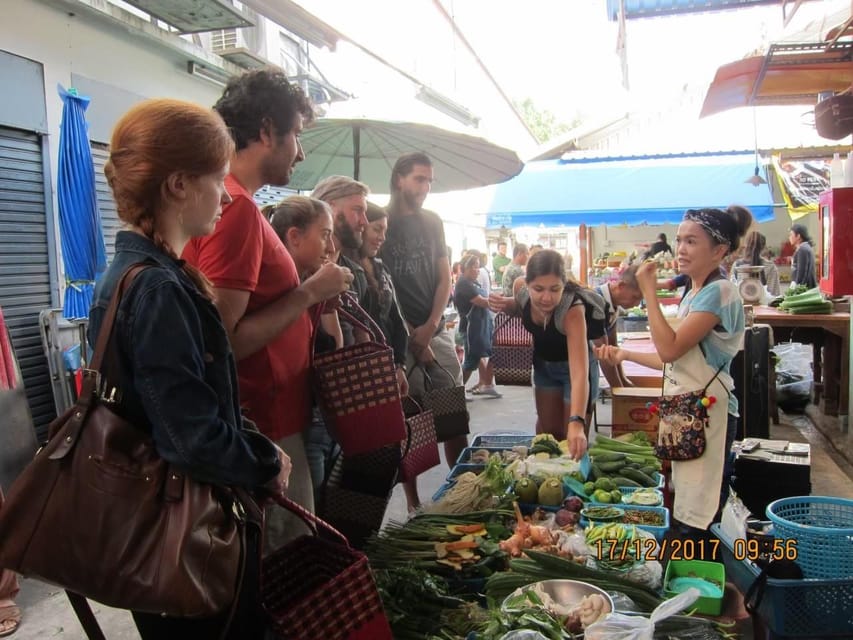
The market part is where this class earns its keep. You’re not just strolling past stalls looking hungry. You’re shopping for the ingredients you’ll cook with, and the guidance focuses on what each ingredient does in Thai food.
You’ll spend time browsing fresh vegetables, herbs, and seasonings, and you’ll learn how Thai cooks think about flavour building. That matters, because Thai cooking is less about memorizing one magic ingredient and more about getting the balance right: herb freshness, salty notes, sour edge, and the heat level.
A key thing I like: the explanations connect ingredients to results. In other words, you’re learning why you’re buying something, not just checking off items for a recipe. That’s especially useful if you want to recreate the dishes later at home.
Also, the market is where you see the range. Thai herbs and seasonings can look similar at a glance, but the class helps you notice the differences. You’ll also get a better sense of how ingredients behave once cooked—so when you smell something in your curry paste later, you know what you’re tasting.
You can also read our reviews of more shopping tours in Chiang Mai


Yummy Tasty Thai Cooking School Setup: Snacks, Water, and Your Own Station
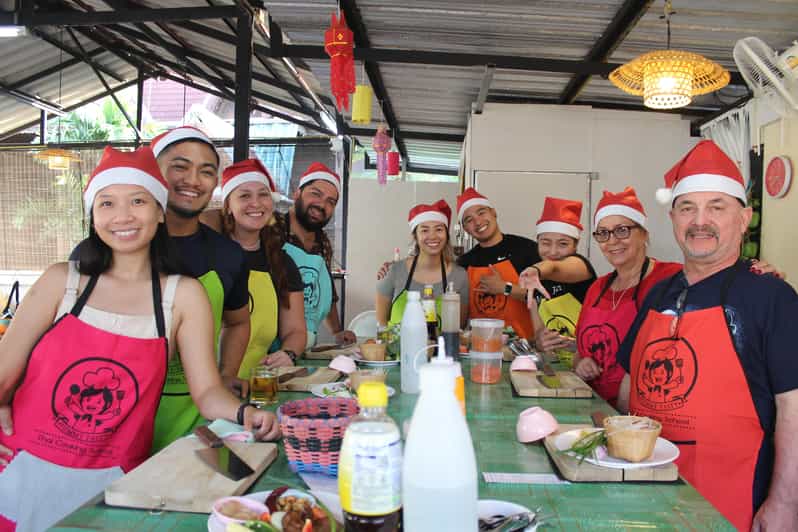
Once you arrive at the cooking school, you don’t get thrown immediately into chaos. You’ll settle in with welcome snacks, fruit, and drinking water. It’s a small touch, but it helps you start the cooking part with steady energy instead of arriving already hungry and overwhelmed.
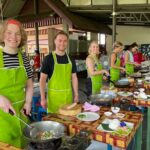
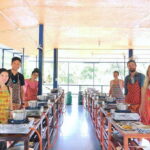
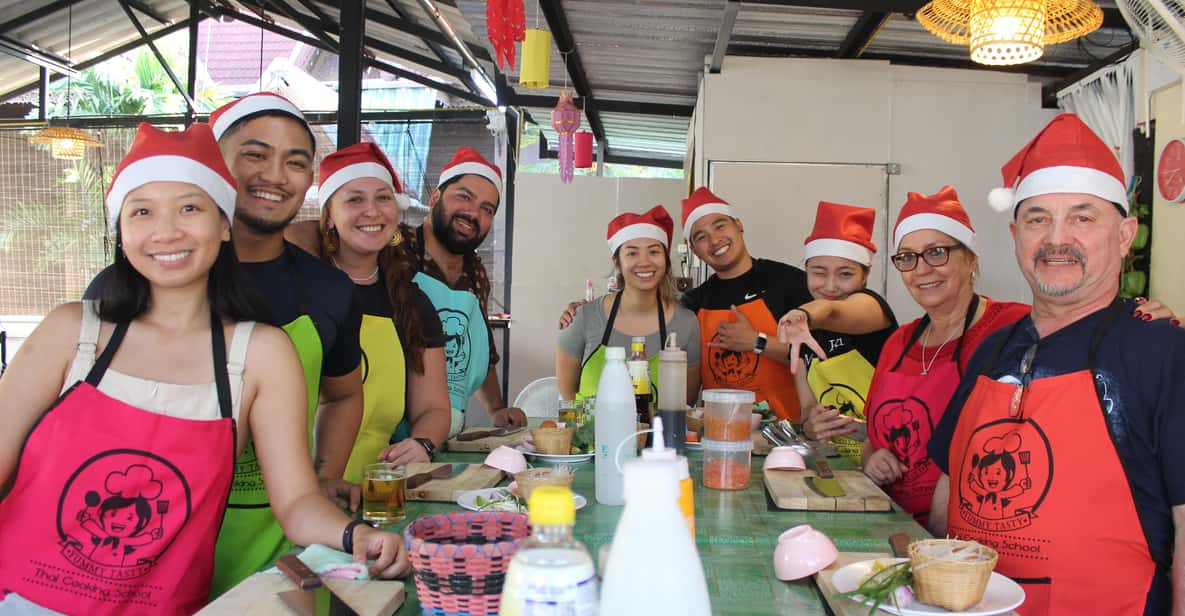
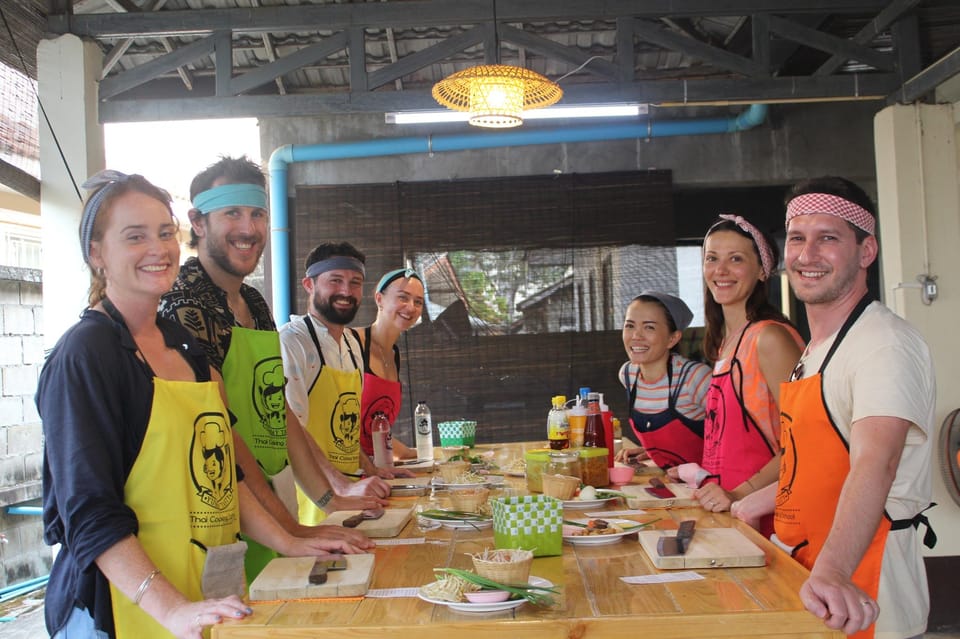
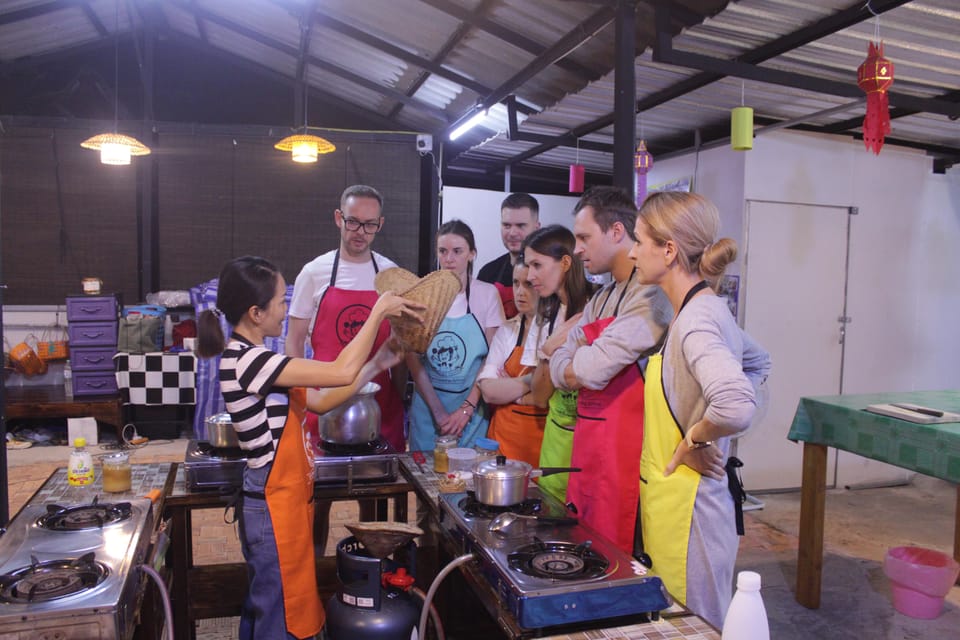
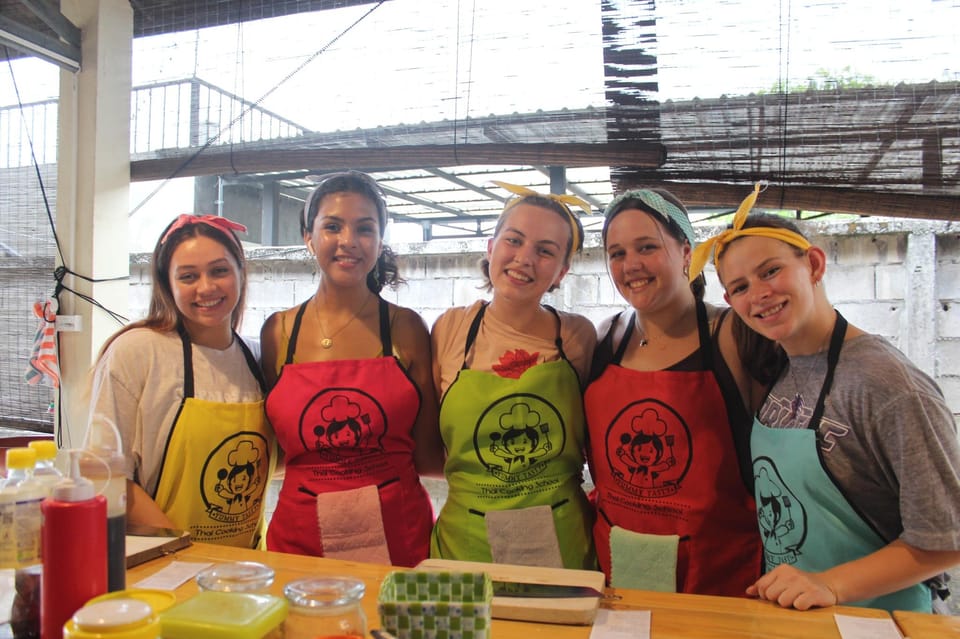
Then you get something that makes a big difference for learning: an individual cooking station. Instead of sharing one stove space or waiting for instructions like a spectator, you work on your own setup. That turns this into a real practice session. You can adjust as you go, and you’re not stuck watching someone else handle the tricky steps.
The kitchen is open air and outdoors, with no AC. That’s not a deal-breaker, but it changes the vibe. You’ll feel the weather. Go for breathable clothes, and expect that you may work up a sweat while you’re chopping, grinding, and cooking.
And because the class is capped at a small group—limited to 10 participants—you’re not lost in a crowd. You can ask for clarification when your curry paste tastes too mild or the seasoning needs tweaking.
Making Curry Paste the Traditional Way (and Learning Substitutions)
The curry paste session is the heart of the whole experience. You’ll make your own curry paste, using a traditional Thai method, rather than relying on a pre-made paste you dump into a pot.
This part is where you learn the logic behind Thai flavour. The class walks you through step-by-step, so you’re not just following motion. You also get explanations about the Thai herbs and seasonings you’re using, and what can be substituted later when you’re cooking at home.
That substitution lesson is quietly valuable. Many cooking classes teach technique but don’t translate it to real life, where you might not find the exact same herb in your local supermarket. Here, you get guidance on what to swap and how that changes the flavour profile—so you can still make a dish that tastes like what you learned, not something totally off-course.
Expect the work to feel hands-on. Curry paste isn’t a one-second sprinkle. You’ll spend time mixing and grinding, learning texture and aroma as cues. When it finally comes together, you’ll understand why good Thai curry paste tastes alive rather than flat.
Cooking Five Dishes: Step-by-Step Coaching You Can Follow
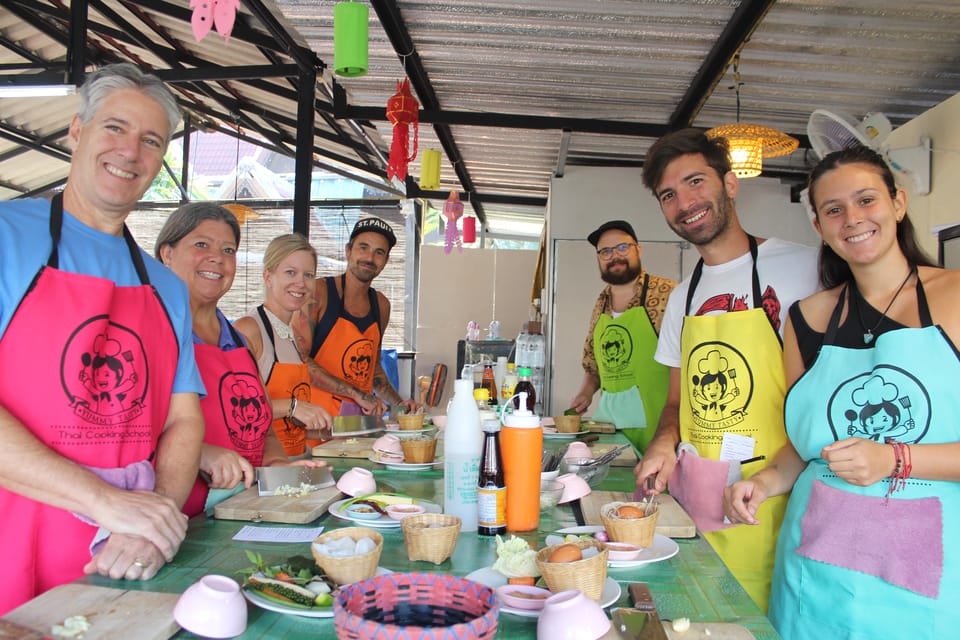
You’ll cook 5 dishes during the session. This is another area where the structure helps you. You’re given guidance for each step, so you’re not guessing your way through Thai recipes with one printed page and a prayer.
The format is practical: instructors guide you through techniques, they explain differences in herbs and seasonings, and they help you adjust while you cook. You’ll taste your dishes as you go, so you’re learning with feedback instead of waiting until the end to find out your curry paste was too hot or not tangy enough.
Since you cook at your own station, you get more repetition with fewer bottlenecks. That helps if you’re the kind of person who needs to do the cutting and mixing yourself to truly remember it.
I also like that the class is designed to make you feel capable, not dependent. The step-by-step approach builds a sense of confidence, and the focus on substitutions helps you feel ready to reproduce the dishes later.
If you’re worried that Thai cooking is too complex, this is the antidote. You learn the building blocks in a way that makes sense, not as a list of complicated terms.
What You Get to Take Home: PDF Recipes That Actually Help
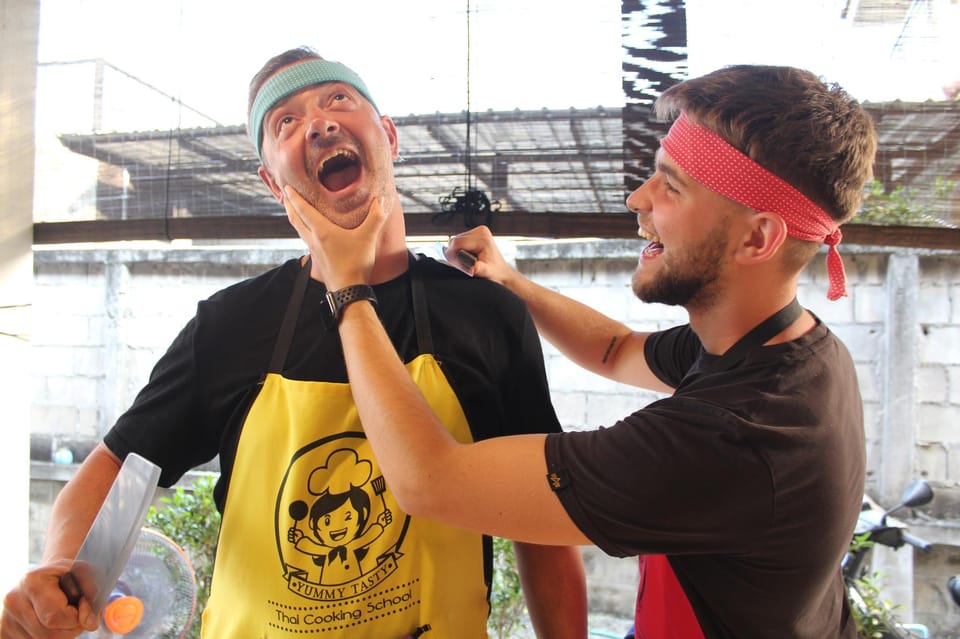
At the end, you leave with a PDF recipe book. That matters because Thai cooking often turns into a blur once you’re back in your kitchen. Having a clear written reference makes it easier to recreate what you made, especially when you’re comparing your own results to the class flavour.
The best part is not just the recipes. It’s that you learned the why behind the steps. So when you read the recipe later, you’re not starting from zero. You already understand how the curry paste should smell, how seasonings change flavour, and where substitutions can work.
This is the practical side of a good cooking class. You’re not paying just for the meal. You’re buying skills and a reference tool you can use.
You can also read our reviews of more tours and experiences in Chiang Mai


Price and Value: Is $35 a Good Deal?
At $35 per person for about 4 hours, this is strong value for Chiang Mai cooking. Here’s what you’re getting bundled in:
- Hotel pickup and drop-off (within 3 km of Kad Kom Market)
- Market tour and ingredient shopping
- Cooking school time with an individual station
- Make your own curry paste
- You cook and taste 5 dishes
- Snacks, fruit, and drinking water
- A PDF recipe book
- English instruction and a small group (up to 10)
When you break it down, you’re paying for guided shopping plus guided cooking plus your ingredients and instruction overhead. And because you cook five dishes yourself, it’s not just a brief taste session.
The biggest “hidden cost” is time in the heat for the open-air kitchen. But in return, you get the full learning experience. If you want a hands-on cooking class with real translation to home cooking, this price point makes sense.
Who This Chiang Mai Cooking Class Suits Best
This works best if you want the practical side of Thai cooking. If you love markets, you’ll enjoy the ingredient hunting at Kad Kom Market. If you love hands-on learning, you’ll like the individual station setup and curry paste from scratch.
It’s also a good choice for couples, solo travelers, and small groups who want an English-led class without feeling stuck in a large tour herd.
That said, it may not be for everyone. It’s not suitable for children under 5, and it also isn’t meant for people over 95. People with altitude sickness and babies under 1 year are also not suitable based on the activity guidelines. And it’s a no-alcohol and no-drug environment, which keeps the experience focused.
Practical Tips: Make the Most of the Open-Air Kitchen
A few small choices can improve the whole day:
- Expect an open-air kitchen with no AC, so dress for heat and humidity. Breathable clothes help.
- Bring a water bottle if you’re the type who drinks extra; you’ll have drinking water included, but you’ll be happier if you can sip as you work.
- Use comfortable shoes for market walking and standing during prep and cooking.
- If you’re sensitive to smells or strong spices, tell yourself this is normal. Curry paste and herb aromas are part of the learning.
- Don’t plan alcohol as part of your morning. The class sets a no-alcohol rule, and it helps keep things comfortable for everyone.
Should You Book This Cooking Class in Chiang Mai?
If you want a cooking class that teaches real Thai technique—especially traditional curry paste—this is the kind of experience that pays off later. You’ll leave with five dishes you made, plus a PDF recipe book, plus the ingredient logic you can reuse.
I’d book it if you like hands-on learning, markets, and clear step-by-step instruction in English. The small group limit (up to 10) is a big advantage if you don’t want to feel like a number.
I’d think twice if you’re uncomfortable with heat, because the kitchen is outdoor and no AC. Also consider skipping if your mobility or age makes market walking and standing hard. For everyone else, this is a smart way to spend a half-day in Chiang Mai while learning something you can actually cook at home.
FAQ
FAQ
How long is the Chiang Mai cooking class?
The experience lasts 4 hours.
Will I make curry paste in the class?
Yes. You’ll make your own curry paste using a traditional Thai way.
How many dishes will I cook?
You’ll be able to cook 5 dishes.
Do you include hotel pickup and drop-off?
Yes, pickup and drop-off are included within 3 km from Kad Kom Market. If your hotel is outside the pickup range (or you’re in the Nimman area and farther than 3 km), you’ll meet at Kad Kom Market.
Is the instructor English-speaking, and is it a small group?
Yes. The instructor is English-speaking, and the group is limited to 10 participants.
Will I get a recipe to take home?
Yes. You’ll receive a PDF recipe book at the end of the class.
Is the kitchen air-conditioned?
No. It’s an open-air kitchen outdoors, with no AC.