REVIEW · CHIANG MAI
Half-day E-bike Countryside and rice paddies (flat land, GUIDED)
Book on Viator →Operated by Buzzy Bee Bike Co., Ltd · Bookable on Viator
Rice paddies plus e-bikes is a winning combo. I like that fat-tire e-bikes make the countryside feel manageable, and I love the guided route that keeps you from worrying about directions. One thing to watch: the bikes are one size, so if you don’t meet the roughly 150 cm minimum leg length, you may not fit comfortably.
This 4-hour half-day tour is built for people with limited time who still want more than a quick look from the car window. You’ll ride past rice fields and villages, visit Wat Ton Kwen and other stops around the Ping River area, and then wrap up with food back at the base camp. The ride is mostly flat and on paved roads, so the day feels like a “scenic stroll with power assist,” not a hardcore workout.
In This Review
- Key highlights worth centering your plans on
- Why fat-tire e-bikes make Chiang Mai countryside feel easy
- Hotel pickup and how to avoid the usual timing headache
- Wat Ton Kwen: a Lanna-style temple start with quick, satisfying stops
- Rice fields, villages, and the Ping River loop you can actually enjoy
- Hang Dong and “less touristic” village stops that add texture
- Lunch and snacks back at the base camp: included, and it’s part of the value
- Price and value: what $50.52 buys you in real-world terms
- Who should book this e-bike countryside ride (and who might reconsider)
- Should you book Buzzy Bee Bike’s countryside e-bike tour?
- FAQ
- How long is the e-bike countryside ride?
- Is hotel pickup included?
- What kind of roads and hills should I expect?
- Are helmets and gloves provided?
- What food and drinks are included?
- Do I need to bring something for temple clothing?
- How big is the group?
- Are tickets and admission included?
- What if the weather is poor or the Ping River route can’t run?
- What is the minimum size requirement for the bikes?
Key highlights worth centering your plans on
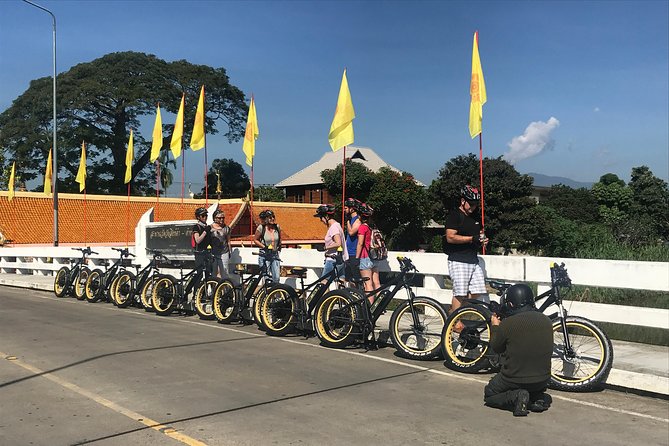
- Small-group cap (8 people) keeps the pace comfortable and makes safety at crossings easier
- Fat-tire e-bikes help on bumpy village roads while still feeling stable and fun
- Wat Ton Kwen + Ping River area gives you temples and agriculture in one clean loop
- Food and water included (plus a lunch at the end) means you won’t scramble for meals mid-ride
- English-speaking guides with quick bike coaching help first-timers get moving fast
Why fat-tire e-bikes make Chiang Mai countryside feel easy
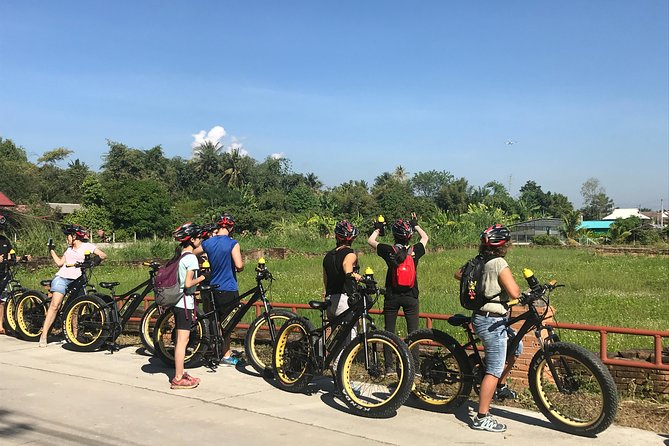
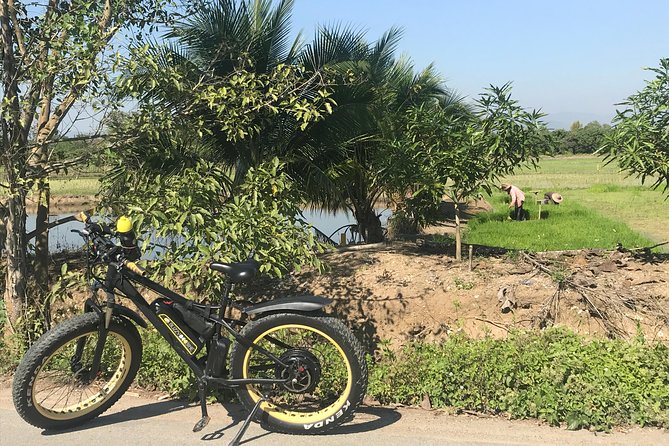
This is a guided ride designed for real life outside the city, not just “spin in a park.” The bikes are fat tire e-bikes, and that matters. Fat tires can smooth out the bumps you’d otherwise notice on thinner tires, especially when roads turn from clean pavement into rougher patches near villages.
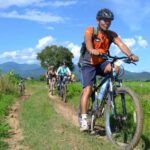
The biking style here leans practical: the route is described as mostly flat land on paved roads, with the focus on “cycling experience” plus scenery. That means you can enjoy rice fields, orchards, and village lanes without needing to train like a road cyclist. Power assist also helps you stay relaxed if you hit an occasional steeper bit.
A first-time e-bike rider will likely have a short learning period. One review singled out a very quick curve—after just a few minutes, the bikes feel intuitive. You’ll get helmets and gloves provided, and the guide handles the pacing so you don’t feel dropped.
Two practical notes from real ride experiences:
- Handlebar comfort varies by rider. One person found the setup uncomfortable for their build, even though the e-bike power made riding easy. If you’re sensitive to bike fit, tell your guide right away when you mount up so they can help you adjust where possible.
- Crossings can happen. The route includes some busier road points. The guide is there to lead you through carefully, but you should still ride with calm attention.
You can also read our reviews of more cycling tours in Chiang Mai

Hotel pickup and how to avoid the usual timing headache
This tour includes hotel pickup, and it starts with a buffer. Pickup is typically 30–60 minutes before the start time, and you’re advised to be ready about 60 minutes before in the lobby. The guide or driver will coordinate the exact pickup window when you’re close to departure.
One logistical detail that can affect your plans: pickup is within a 15 km radius of the office. If your accommodation is outside that radius, you might be asked to use an assembly point, or there could be an extra charge depending on what’s possible.
If you’re trying to chain this with Chiang Mai temple time or a night market visit, I’d treat the pickup window as “leave yourself extra space.” This isn’t a tour you want to run to late.
Wat Ton Kwen: a Lanna-style temple start with quick, satisfying stops
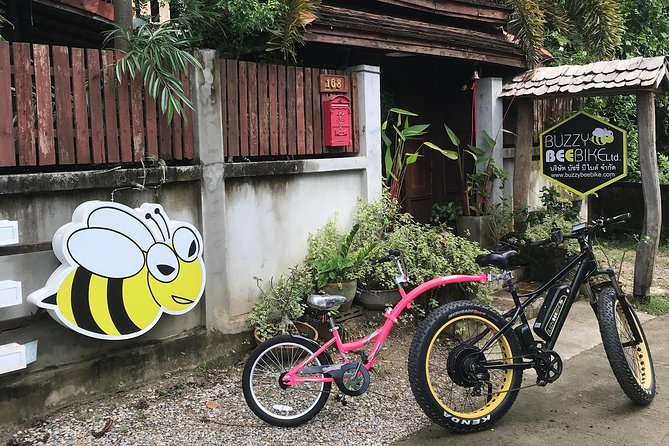
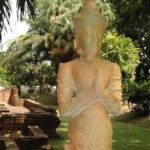
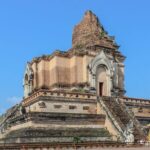
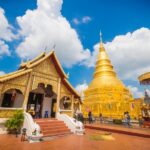
The adventure begins at Wat Ton Kwen (Wat Intharawat). It’s described as an older Lanna-style temple, and it’s also the “anchor stop” that helps you understand why you’re out here in the first place, not just cycling to cycle.
Expect about 15 minutes here, and free admission is noted. That short time is deliberate: you don’t want a long temple lecture eating your entire ride window. Instead, you’ll get a meaningful snapshot and photo time, then the route moves on.
One practical thing you’ll want to plan for: temples typically require respectful coverage. The tour data specifically notes that a sarong to cover shoulders and knees isn’t included, so bring one or plan to borrow/buy nearby. Sun protection also isn’t included, which is a bigger deal than people expect when you’re outside for a few hours and stopping for photos.
If you like starting with a clear “cultural reason” for the ride, this stop does that job well. If you prefer slow wandering, you may feel you’re moving on quickly—but for a half-day, quick and focused is usually the trade.
Rice fields, villages, and the Ping River loop you can actually enjoy
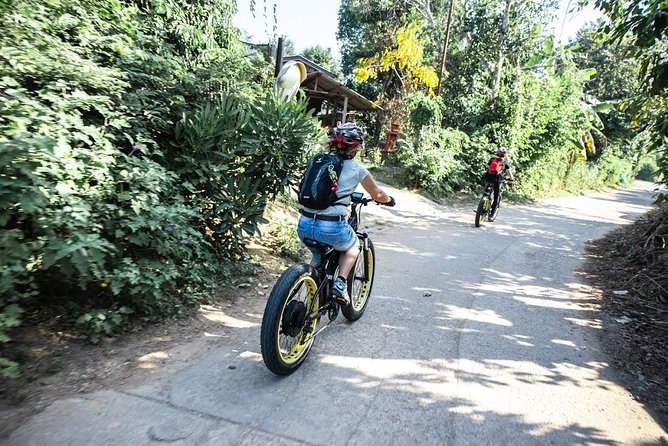
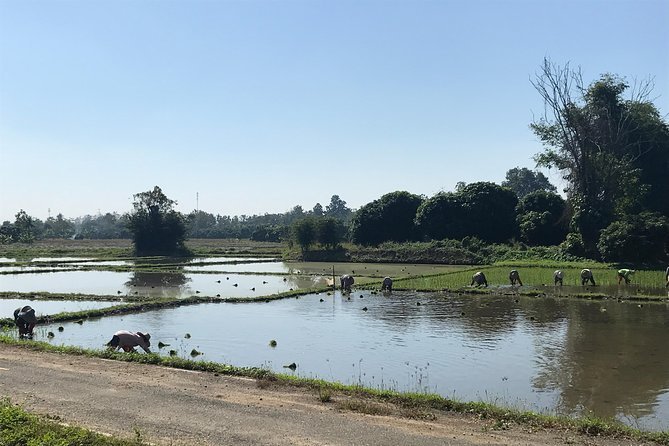
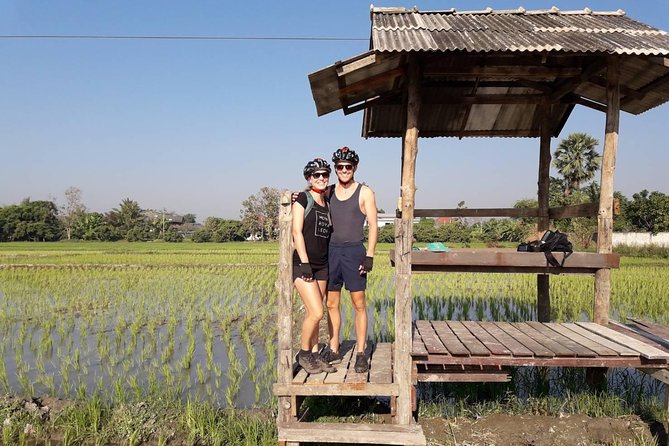
After Wat Ton Kwen, the route shifts into countryside mode. You’re set up to pedal past rice fields, villages, and orchards—the kind of everyday scene that makes Chiang Mai feel more like a living region than a sightseeing brochure.
The ride is described as mostly flat and paved, which is a big deal for value. You’re not paying for a tour that’s trying to be a fitness test. You’re paying for scenery plus context, and you’ll have the e-bike power to keep you comfortable through the day.
The Ping River area is part of what this tour is known for. You can expect views around the river and the farming areas connected to it. One review mentioned a loop that wanders around and along the Ping River and weaves in and out of farming spaces. That kind of “looping” route tends to feel better than a point-to-point ride because you don’t feel like you’re retracing your steps for every kilometer.
Here are the kind of moments you can look forward to:
- Quiet lanes where farms sit close to the road
- Photo opportunities at river-adjacent viewpoints
- Occasional village life scenes as you roll past
You should also be mentally ready for real roads. There are some busier road crossings, and the guide is responsible for moving the group safely through them. This is one reason a guided e-bike tour is easier than renting bikes solo.
Also keep expectations flexible: conditions can affect the exact route. One participant noted that floods around Chiang Mai prevented the Ping River section from happening safely, and they were offered a different ride through hills instead. If weather or river conditions are rough, it’s smart to treat “route highlights” as “the goal,” not a guarantee that every segment stays identical.
Hang Dong and “less touristic” village stops that add texture
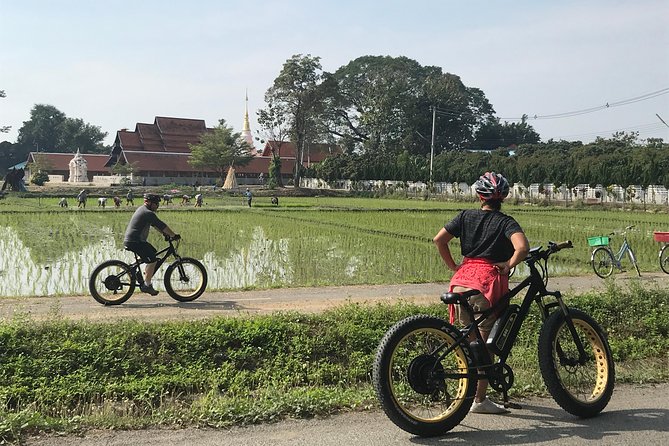
A key part of this experience is that it’s not only temple stops. There’s a Hang Dong stop, plus several other less-touristic stops across the area.
Hang Dong is listed as about 15 minutes with free admission. That short window doesn’t make it a deep dive. It makes it a “quick hit”—enough time to see the vibe, take photos, and absorb local atmosphere without turning the day into paperwork.
Stopping times depend on the group’s interest, which is a real advantage. If you’re the type who loves stopping for photos or asking questions, you’ll likely appreciate the flexibility.
Based on ride experiences shared by previous participants, stops can include things like local plantations and areas connected to daily crafts. One review mentioned passing through a wood carving furniture shop area. That kind of roadside stop can be hit-or-miss depending on your tastes, but in a half-day it often adds variety without dragging you too long.
If you want the “outer Chiang Mai” feel—rice fields, small village roads, and a bit of agriculture and local life—this is where the tour earns its keep.
You can also read our reviews of more guided tours in Chiang Mai

Lunch and snacks back at the base camp: included, and it’s part of the value
Half-day tours can be stingy with food. This one isn’t. Lunch is included, and the tour description also notes bottled water and lunch (morning ride), plus snack/fruit and bottled water (afternoon ride).
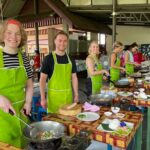
The way lunch is handled can shape how you remember the whole trip. One review described a home-cooked lunch served at the company office, under an elevated veranda. Another person mentioned sitting down with the owner, Jost, and chatting about Thailand and local people.
That’s not just “we fed you.” It’s a chance to slow down after riding and ask a few practical questions—like what markets or areas are worth your time later in the day.
Practical tip: because you’ll likely stop for photos and snacks mid-ride, don’t plan to “eat right before” unless you’re sure you’ll get hungry. The included meal makes the tour feel complete.
Price and value: what $50.52 buys you in real-world terms
The price is $50.52 per person for an about 4-hour guided experience in the countryside. On paper, that could look like “just a bike rental.” But here’s what you’re actually getting based on the provided details:
- Use of the e-bike (including fat-tire model support)
- Helmet and gloves
- Insurance
- Private transportation
- Lunch and bottled water (morning ride), or snack/fruit + water (afternoon ride)
- All fees and taxes
- Free admission noted for the main included stops (like Wat Ton Kwen and Hang Dong)
When you add those pieces together, the price starts to make sense—especially if you’re not trying to spend a full day figuring out routes on your own. For first-timers, the “you won’t get lost” factor is worth real money.
Also, the maximum group size of 8 helps justify the guide time. You get a calmer experience than the large-bus style tours, and that usually makes the ride feel safer and more enjoyable at crossings and temple stops.
Who should book this e-bike countryside ride (and who might reconsider)
This tour is a strong match if:
- You want to leave Chiang Mai and see rice fields and villages without doing a long, draining hike
- You’re curious about e-bikes and want an easy entry point with short coaching
- You want temples like Wat Ton Kwen plus river-and-farm scenery in a tight half-day window
- You prefer a small-group pace (up to 8 people) where stops make sense
It might be less ideal if:
- You don’t fit the bike size. The data notes bikes are one size with a minimum about 150 cm length depending on leg length. If you’re below that, you may not be able to ride the bike as planned.
- You want a “hard climb” cycling day. This route is described as mostly flat land and paved roads, with an option for a flatter riding approach. If you’re chasing steep elevation challenges, you’ll likely feel you’re under-stimulated.
- You forget temple clothing needs. Bring a sarong for shoulder and knee coverage, and plan for sun protection since it isn’t included.
Should you book Buzzy Bee Bike’s countryside e-bike tour?
I’d book this if you want a stress-free way to get outside Chiang Mai and see rice paddies, villages, and temple stops with real included value—bike + safety gear + guide + meals + transport—all in a compact half-day format.
I wouldn’t book it if fit matters a lot for you (the bike is one size with that approximate minimum height), or if you’re looking for an all-day adventure with lots of deep temple time and long, slow wandering.
If you’re on the fence, ask yourself one question: do you want a guided “easy scenic countryside” outing more than a tough cycling challenge? If yes, this tour fits.
FAQ
How long is the e-bike countryside ride?
The tour runs for about 4 hours.
Is hotel pickup included?
Pickup is offered. Pickup typically happens 30–60 minutes before the start time, and you should be ready about 60 minutes before in the lobby.
What kind of roads and hills should I expect?
The route is described as mostly flat land on paved roads. There are also some busier road crossings that the guide leads you through.
Are helmets and gloves provided?
Yes. The tour includes helmet and gloves as part of the bike setup.
What food and drinks are included?
Lunch and bottled water are included for the morning ride. For an afternoon ride, you get snack/fruit and bottled water.
Do I need to bring something for temple clothing?
Yes. A sarong to cover shoulders and knees is not included, so it’s a good idea to bring one if you plan to visit temple areas.
How big is the group?
The tour has a maximum of 8 travelers.
Are tickets and admission included?
You’ll have a mobile or paper voucher, and admission tickets for stops like Wat Ton Kwen and Hang Dong are listed as free.
What if the weather is poor or the Ping River route can’t run?
The tour requires good weather. If it’s canceled due to poor weather, you’ll be offered a different date or a full refund. A minimum number of travelers is also required, and if that’s not met you’ll get a different date/experience or a full refund.
What is the minimum size requirement for the bikes?
The bikes are one size, with a minimum length of about 150 cm depending on legs. If someone doesn’t fit, limited solutions are available.