REVIEW · CHIANG MAI
Private Tour: Sightseeing City walking Tour
Book on Viator →Operated by Private Guide in Chiang Mai · Bookable on Viator
Three temples and a market walk? A great way to orient fast. This private Chiang Mai experience threads Thai culture into the streets, so the places feel connected instead of random photo stops. I especially like the English-speaking private guide and how the story behind each site makes the old city easier to understand. I also like that drinking water and temple/entry tickets are included, which keeps things simple while you’re walking in the heat. The main consideration: it’s still a walking tour, so bring decent shoes and expect moderate steps.
The guide quality here is a big deal, and names like Oat and Lanna come up for a reason: the narration turns temples and monuments into something you can actually remember. One more plus is flexibility—if you share what you want to see (and how much time you have), the experience can feel more personal than the usual one-size route.
In This Review
- Key highlights worth getting excited about
- How a private walking tour makes Chiang Mai click quickly
- Wat Chedi Luang Varavihara: royal temple energy in the old city
- Wat Phra Singh and the Phra Buddha Sihing
- Three Kings Monument: history that turns into a quick pause
- Somphet Market: seeing local daily life the practical way
- Pacing, fitness, and staying sane in the Chiang Mai heat
- What you pay for: value vs. what to budget separately
- Guide quality: the real reason Oat and Lanna-style narration lands
- Who this Chiang Mai walking tour fits best
- Should you book this private Chiang Mai city walking tour?
- FAQ
- How long is the Chiang Mai private city walking tour?
- What does the tour cost?
- Is this tour private?
- Does the tour include an English-speaking guide?
- Which stops are included?
- How long do you spend at each stop?
- What’s included in the price?
- What’s not included?
- Where does the tour start and end?
- Do I need to cancel in advance to get a refund?
Key highlights worth getting excited about
- Private, English-speaking attention in Chiang Mai’s old city—no Thai-language guesswork
- Wat Chedi Luang + Wat Phra Singh with admission tickets handled
- Three Kings Monument stops the walk from feeling only religious
- Somphet Market gives you a real-life look at local shopping habits
- Water included so you can stay focused on the sights, not hunting for it
How a private walking tour makes Chiang Mai click quickly
Chiang Mai can overwhelm you in the best way: temples, lanes, and markets stacked one after another. The value of this tour is that it turns that sprawl into a sensible route with context. In about 3 hours, you get enough structure to feel oriented, yet you’re still walking at a human pace.
This is also a smart format if you’re not confident with Thai. You’ll have an English-speaking guide who can explain what you’re looking at and why it matters—without making you stop and research every sign. The experience is private, so it’s only your group, not a mixed crowd that forces everyone to move at the same speed.
Price-wise, $60.30 per person makes more sense when you remember what’s included: admission tickets, drinking water, and travel insurance, plus the guide’s time. What you should plan for is what’s not included: private transportation/taxis and lunch. If you’re already walking or using public transit to reach the meeting point, you’ll likely feel the cost is fair. If you need paid rides to cover most of the day, your total day cost will grow.
You can also read our reviews of more walking tours in Chiang Mai
Wat Chedi Luang Varavihara: royal temple energy in the old city
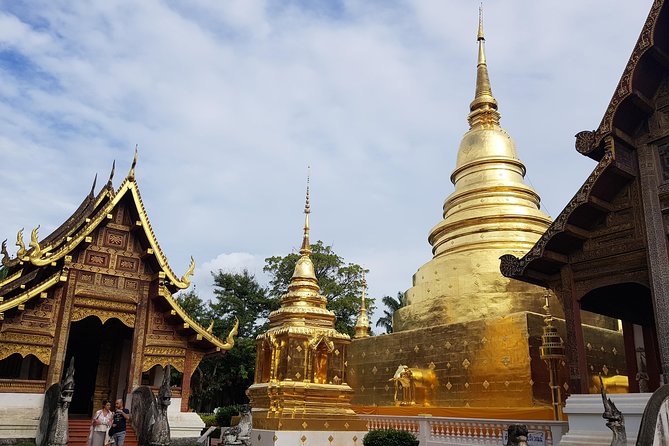
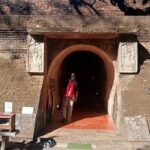
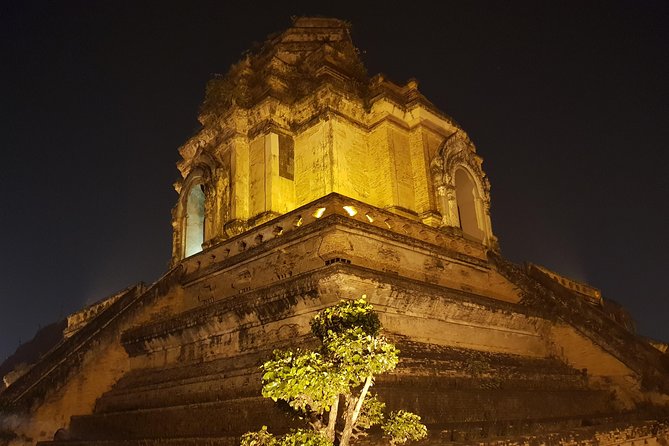
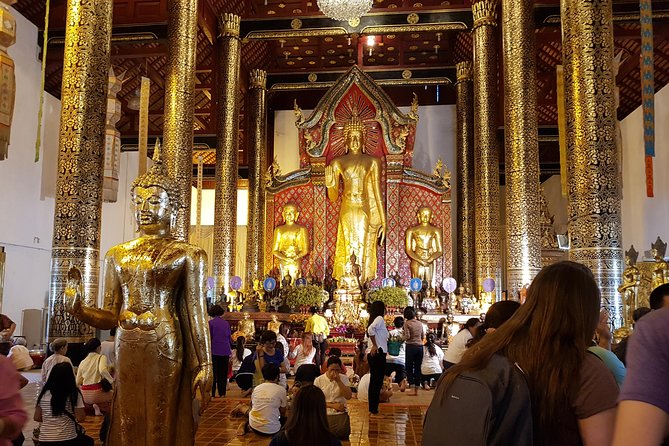
Wat Chedi Luang Varavihara is the kind of place that instantly gives you Chiang Mai’s scale and history. This stop takes about 40 minutes, and admission is included, which is handy when you’d rather spend time inside than sorting out ticket lines.
What makes this temple a standout first stop is its location: it sits in the center of the old city. That matters because once you see how it anchors the neighborhood, the rest of your walking route feels more logical. You’re also stepping into a royal temple setting—so it’s not just pretty architecture. It’s a reminder that Chiang Mai’s religious and political life have been tied together for a long time.
When you’re here, slow down and look at the details that guidebooks often skip: the layout, the way the space is organized, and how worshipers move through the grounds. If you’re unsure what you’re seeing, ask your guide. A good guide can point out the cues that turn a temple visit from I walked here into I understand this.
Practical consideration: temples can mean shade and open sun close together. Bring water, keep your pace steady, and don’t try to “beat the heat” with marathon photo stops.
Wat Phra Singh and the Phra Buddha Sihing
Next comes Wat Phra Singh, another royal temple stop with a 40-minute time slot and admission included. This one is especially meaningful because the temple enshrines the Phra Buddha Sihing (also written Pra Singh, depending on how it’s transliterated).
Why that matters for your visit: knowing what’s enshrined helps you read the space. Instead of treating the temple like a backdrop, you can understand the focus—this is a living religious site, not just a historic building.
A temple like Wat Phra Singh also gives you a nice contrast to Wat Chedi Luang. Even if the architectural styles look similar at first glance, the feel changes. One temple can make you think about royal power and city structure; the other helps you connect those traditions to devotional practice.
A good way to enjoy this stop: don’t race. Give yourself a moment to watch how people behave—where they pause, how they enter areas, and what they treat as important. Then your guide can fill in the cultural meaning behind those movements.
Three Kings Monument: history that turns into a quick pause

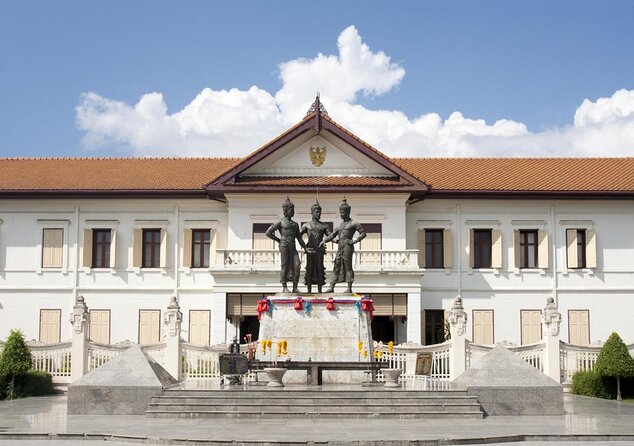
At the Three Kings Monument, you get a breather from temple focus. This stop is about 20 minutes, and it’s included in the tour’s paid portion.
The monument honors King Mang Rai, King Ramkhamhang, and King Ngm Muang. That’s more than a name list. It helps explain why Chiang Mai’s story isn’t just “temples everywhere.” The city has political and cultural roots tied to rulers and periods that shaped the region.
This is a good segment to practice a simple travel skill: use a short pause to connect the dots. If you’ve just left one temple, ask your guide how the monument’s story fits into what you saw and what you’ll see next. It’s the kind of mental link that makes the walk feel like a coherent route rather than four unrelated stops.
Somphet Market: seeing local daily life the practical way
Somphet Market is a fresh market, and it’s designed to show you local lifestyle in action. You’ll spend about 30 minutes here, with admission included.
Markets are where Chiang Mai feels most real, fast. Here you can slow down and observe: what people buy, how stalls are arranged, what kinds of food and produce are prominent, and how shoppers move through the space. Even if you don’t buy anything, a market visit gives you something temples can’t: everyday rhythm.
The best approach is light-footed curiosity. If you want to try something, do it on your own terms and keep an eye on comfort and timing. If you don’t, just watch and take photos where it’s allowed. Your guide can also help translate what you’re seeing, so you don’t spend the whole time guessing.
One small caution: markets can be busy and bright. If you’re sensitive to heat or strong smells, plan for short breaks and don’t let the excitement push you past your comfort level.
You can also read our reviews of more city tours in Chiang Mai


Pacing, fitness, and staying sane in the Chiang Mai heat
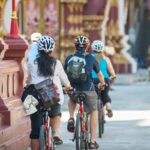
This is a walking tour through the old city. The good news is the schedule is broken into neat chunks: 40 minutes + 40 minutes + 20 minutes + 30 minutes. That structure helps you avoid the common problem of tours that feel like one long, tiring sprint.
Still, the experience asks for moderate physical fitness. “Moderate” here usually means you’ll be on your feet, walking between sites, and handling uneven or step-heavy sidewalks at times. Nothing in the tour description suggests extreme hiking, but you should assume a steady walking pace.
Practical tips that make a real difference:
- Wear shoes you trust on stone and sidewalk edges
- Use your included water early, not only when you feel thirsty
- Bring sun protection if you’re visiting in warm months
If you’re traveling with time pressure, this tour works well as a morning or early afternoon plan—long enough to feel meaningful, short enough to keep your energy for lunch or a second activity.
What you pay for: value vs. what to budget separately
Here’s the clean value math. You pay $60.30 per person for a private experience of about 3 hours. Included in the price are all fees and taxes, drinking water, and travel insurance, plus admission tickets for the stops.
That bundled approach matters because it reduces “tour friction.” You’re not constantly stopping to figure out where tickets are purchased, or whether you need cash on hand for each site. It also makes the tour feel less like a catalog and more like a guided walk through a curated slice of the city.
Not included: private transportation, local taxi, lunch, and personal expenses. This is normal for a walking tour, but it affects your overall day budget. If you want lunch after the walk, plan for it. If you’re starting from somewhere that requires a ride to reach the meeting point, build that cost in.
Guide quality: the real reason Oat and Lanna-style narration lands
This experience is built around interpretation. You’ll see major sites, but the real “wow” comes when someone helps you understand what you’re looking at while you’re still in the place.
In particular, guides like Oat and Lanna are praised for elevating the tour through storytelling and care for the group. One theme that comes through is customization—adjusting the pace or emphasis based on what you want. That can be as simple as spending a bit more time on the bits that matter to you, or moving through the walk with clearer explanations as you go.
If you book, you can get even more out of the tour by doing two things:
- Tell your guide what you care about most (temples, markets, or historical context)
- Ask one or two specific questions while you’re standing in front of something, not after you move on
Good guiding turns “I saw it” into “I get it,” and it also prevents the usual temple problem: standing there, looking around, and still not sure what you should notice.
Who this Chiang Mai walking tour fits best
This is a great match if you:
- Want Thai history and culture explained in English without doing all the research yourself
- Prefer a private experience rather than joining a larger group
- Like walking tours when they’re structured with timed stops
- Are curious about how temples connect with daily life, not just architecture
It may be less ideal if you:
- Need a fully car-based tour (since this is walking-focused)
- Have very limited mobility or want long seated breaks throughout
- Are only interested in quick photo stops and not in understanding what you’re seeing
Should you book this private Chiang Mai city walking tour?
Book it if you want an efficient, high-value introduction to Chiang Mai’s old-city highlights—temples plus a market, guided in English, with tickets and water handled for you. The price feels reasonable because the inclusions reduce hassle, and the private guide attention is exactly what makes the sights click.
Skip or consider alternatives if you’re looking for a mostly relaxed day with little walking, or if you already have a detailed plan and prefer to explore on your own without paying for guided interpretation. In that case, you might still enjoy the sites, but you’ll likely get less benefit from the guide component.
FAQ
How long is the Chiang Mai private city walking tour?
It’s approximately 3 hours.
What does the tour cost?
The price is $60.30 per person.
Is this tour private?
Yes. It’s a private tour/activity, and only your group will participate.
Does the tour include an English-speaking guide?
Yes, the tour includes an English-speaking guide.
Which stops are included?
Wat Chedi Luang Varavihara, Wat Phra Singh, the Three Kings Monument, and Somphet Market.
How long do you spend at each stop?
Wat Chedi Luang Varavihara is about 40 minutes, Wat Phra Singh is about 40 minutes, the Three Kings Monument is about 20 minutes, and Somphet Market is about 30 minutes.
What’s included in the price?
All fees and taxes, drinking water, and travel insurance are included, and admission tickets are included for the stops.
What’s not included?
Private transportation (and local taxi), lunch, and personal expenses are not included.
Where does the tour start and end?
It starts in Chiang Mai, Thailand, and ends back at the meeting point.
Do I need to cancel in advance to get a refund?
You can cancel for a full refund if you cancel at least 24 hours before the experience’s start time.