REVIEW · CHIANG MAI
Old Town History and Culture Walking Tour at Chiang Mai
Book on Viator →Operated by Discova Thailand · Bookable on Viator
Chiang Mai looks best on foot. This Old Town history and culture walk traces the roots of the Lanna Kingdom starting at the Three Kings Monument, then winds you through landmark temples in about 2.5 hours.
What I like most is the pacing and the way the guide gives context before you wander into each site, so you’re not just taking photos of pretty buildings. I also love that you get entrance fees handled, plus bottled water and travel insurance built into the price.
One thing to consider: English quality and communication style can vary by guide, so if you’re sensitive to group explanations early on, keep that in mind.
In This Review
- Key highlights
- A small-group Old Town walk that keeps you moving
- Three Kings Monument: the Lanna story starts here
- Wat Phra Singh: Lanna architecture and dragon-year meaning
- Wat Chedi Luang Varavihara: UNESCO repairs and quiet ruins
- What you get for $15: the value math actually makes sense
- The guide factor: why reviews are a useful warning sign
- Logistics you’ll actually feel during the walk
- Practical tips to make the temples easier and more respectful
- Who this tour is best for
- Should you book this Old Town History and Culture Walking Tour?
- FAQ
- Where does the tour start and end?
- How long is the walking tour?
- How much does it cost?
- What’s included in the ticket price?
- Is hotel pickup and drop-off included?
- What group size should I expect?
- Is free cancellation available?
Key highlights
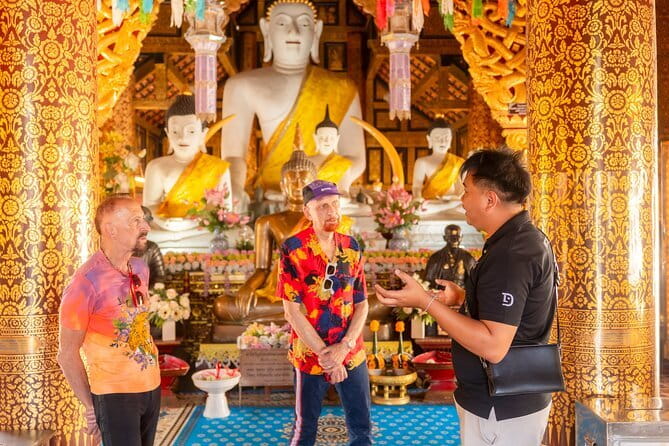
- Three Kings Monument opener that puts King Mangrai and Chiang Mai’s founding story into focus
- Wat Phra Singh (1346) with Lanna-style architecture and highlights tied to the Year of the Dragon
- Wat Chedi Luang’s UNESCO restoration and atmospheric ruins in a 14th-century setting
- Monk talks during the tour, with an optional opportunity for a blessing
- Small group size (max 8) for a more relaxed walking pace
- Value add-ins like bottled water, entrance tickets, and a mobile ticket for easy check-in
A small-group Old Town walk that keeps you moving
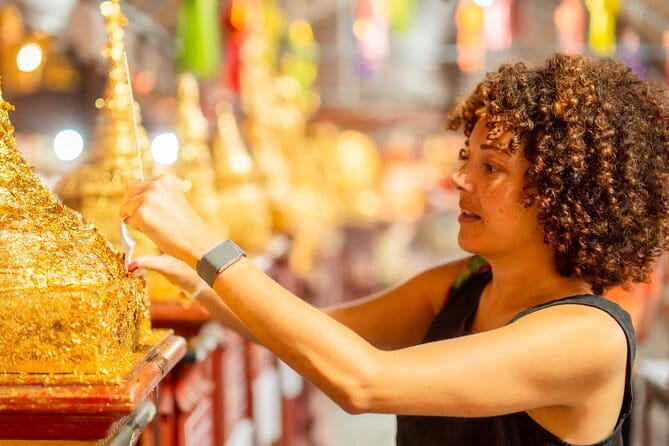
This tour is built around walking between key Old Town sights without turning your day into a marathon. You’ll cover three major stops in roughly 2 hours 30 minutes, with time to look closely and listen as the guide explains what you’re seeing.
The group is capped at 8 travelers, which matters more than it sounds. Smaller groups tend to move with less “crowd herding,” and you can ask a question without feeling like you’re interrupting a lecture hall. It also makes it easier to keep the vibe calm at temples, where you want to walk respectfully and quietly.
You’ll start at the Three Kings Monument and end at Wat Chedi Luang Varaviharn, so plan your next stop after that. There’s no hotel pickup, but the meeting area is described as near public transportation, which helps if you’re using Grab, songthaews, or just walking partway.
You can also read our reviews of more walking tours in Chiang Mai

Three Kings Monument: the Lanna story starts here
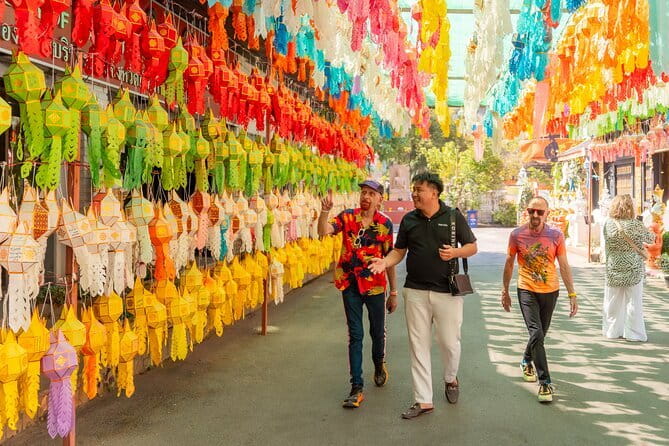
The tour kicks off at the Three Kings Monument, and you’ll get a short safety briefing before the history talk. The center of this stop is King Mangrai, the first king of the Lanna Kingdom and the founder of Chiang Mai.
Why this start works: it gives you a map in your head. Without it, each temple can feel like a separate postcard. With it, you start to notice patterns—why different religious buildings look the way they do, and how power and belief shaped what the city built and preserved.
Also, this is a smart “orientation moment.” It’s a good place to get your bearings fast before you step into the maze of Old Town streets and temple pathways.
Wat Phra Singh: Lanna architecture and dragon-year meaning
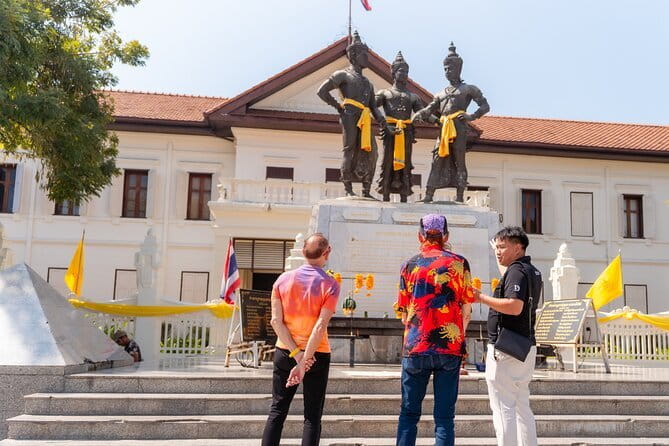
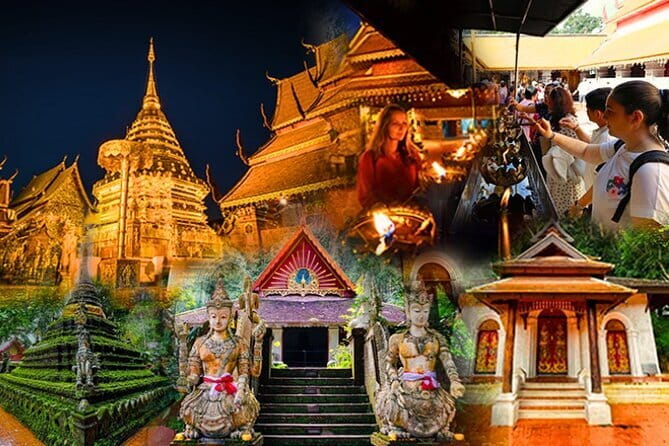
From the monument, the walk leads to Wat Phra Singh, dated to 1346. This is described as the second most revered temple in Chiang Mai, and it’s a strong choice for your first major temple because it shows Lanna architectural style in a way that’s easy to appreciate on foot.
Inside, the highlight is the Lai Kam assembly hall and the temple pagoda. There’s also a specific cultural detail tied to people born in the Year of the Dragon. Even if you’re not checking your own Chinese zodiac, this kind of tie-in helps you understand how Thai Buddhism and local belief systems can intersect with people’s life milestones.
Practical note: this is the longest “look and listen” stop of the three, at about 1 hour. It’s long enough to slow down, but not so long that you’ll start scanning your watch. If you’re the type who likes to read the room before photographing, you’ll probably appreciate the structure here.
Wat Chedi Luang Varavihara: UNESCO repairs and quiet ruins
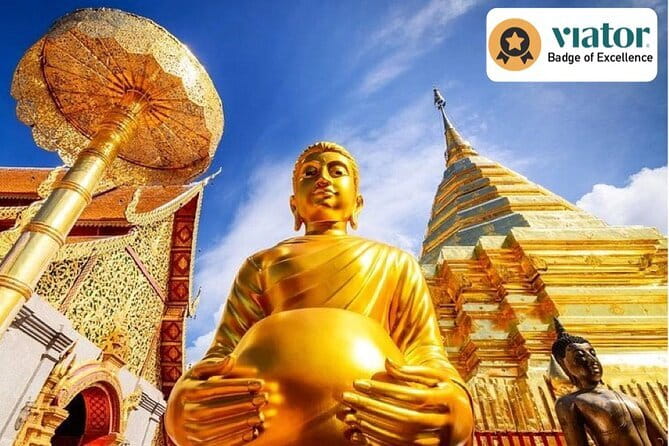
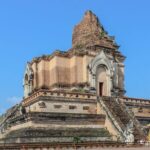
Next comes Wat Chedi Luang Varavihara, a site known for 600-year-old temple presence and 14th-century origins. The tour frames it as one of the most popular spots for both locals and visitors, and it’s also a place where you can feel the age.
Two details really help make this stop memorable:
- You’ll see ruins and restoration work that give the area its character.
- The temple was restored by UNESCO in the 1990s, which explains why what you’re looking at feels both old and carefully preserved.
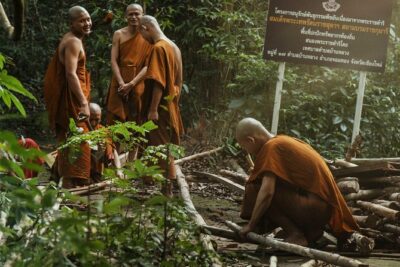
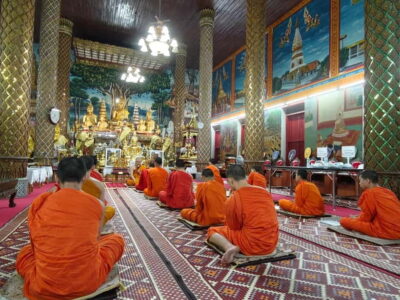
Another point of value: the tour includes a chance to hear talks by monks. That changes the experience from sight-seeing to something more personal. Even if you don’t catch every word in a talk, the setting and the guide’s framing helps you follow the meaning.
One more cultural moment that can pop up here: you might be asked about receiving a blessing from a monk for luck. If that’s not your thing, you should feel comfortable opting out. I’d treat it like a gentle invitation, not a hard sales pitch.
This stop is about 1 hour, and the end point is right here—so if you’re planning dinner or a night market wander, you’re set up well.
What you get for $15: the value math actually makes sense
At $15 per person, the key question isn’t just the price—it’s what you avoid spending time and effort on.
Here’s what’s included:
- English-speaking guide
- All tickets/entrance fees
- Bottled water
- Travel insurance
- Mobile ticket for the experience
When a tour handles entrances, you dodge the frustrating part: figuring out what you need to pay on-site, finding the right ticket counter, and trying to stay on schedule while you do it. For Old Town temple visits, that convenience can be worth as much as the guide.
Also, bottled water is a small thing, but in Chiang Mai’s heat, it’s the difference between enjoying the tour and constantly re-buying drinks. Travel insurance inclusion is another quiet plus that makes the whole day feel more covered.
You’ll still spend your own money on whatever you choose beyond the tour—snacks, drinks, and souvenirs—but the core temple costs are handled.
You can also read our reviews of more historical tours in Chiang Mai

The guide factor: why reviews are a useful warning sign
This tour runs with local English-speaking guides, and quality can change from person to person. In the best cases, the guide turns the temples into a story you can remember.
For example, one guide named Khun Bim has been described as friendly and very strong in English, with a teaching style that included Theravada Buddhism context even for someone who already practiced. That’s exactly what you want here: explanations that add depth without making you feel lost.
On the flip side, a guide named Kitty has been noted for communication that was harder for the whole group to follow, including long early explanations about language. If you’re the type who gets impatient when a session starts with lots of setup, that’s the sort of thing to keep in mind.
My practical advice: go in with the mindset of flexibility. If the guide is chatty at the start, stick with it. Often, that framing is what makes the temple details click later.
Logistics you’ll actually feel during the walk
A walking tour lives or dies on small logistics. Here’s what to expect.
No hotel pickup. You’ll meet at the Three Kings Monument and then finish at Wat Chedi Luang. If you’re staying across town, give yourself enough time to get there.
Near public transportation. That’s a helpful detail, because it usually means you won’t need a taxi “just to start.” You can plan around buses or ride services and still show up on time.
Mobile ticket. You won’t be messing with paper vouchers. That’s a real time-saver in busy areas.
Group size max 8. You should feel comfortable asking questions and adjusting your pace, but remember temples are not “tour bus” stops. Wear respectful clothing and slow down when walking through worship areas.
Practical tips to make the temples easier and more respectful
Even with a guide, you’ll enjoy this more if you come ready.
- Wear grippy shoes. Old Town streets and temple walkways can be uneven, and you’ll want stable footing without thinking about it.
- Plan for heat. You get bottled water, but sun and humidity can still wear you down. Light layers help.
- Be ready for calm moments. Monk talks and temple spaces call for quiet attention. I like to keep my phone away unless I’m sure it won’t distract.
- If you’re offered a blessing, decide in advance. You might be asked about joining a blessing from a monk for luck. If you prefer not to participate, a simple polite no is usually enough, and it doesn’t have to turn the mood awkward.
Who this tour is best for
This is a great match if you want:
- A first real introduction to Chiang Mai’s Old Town temple cluster
- Clear, structured history tied to what you’re seeing
- A guided experience that feels manageable rather than rushed
If you already know a lot and want a very academic or super deep lecture style, you might find the tour best as a practical overview. But for most people, it lands in the sweet spot: enough explanation to understand, enough walking to feel the city.
Should you book this Old Town History and Culture Walking Tour?
I’d book it if you want a high-value, small-group walk that connects King Mangrai’s story to two of Chiang Mai’s most significant temple stops. The included entrances and water make it feel like a deal rather than a gamble.
Skip it (or at least weigh it carefully) if you know you’re very sensitive to guide communication style, since a few experiences have pointed out that early explanation can be difficult for some groups. If that’s you, look for a guide with strong English performance in your own preferences.
FAQ
Where does the tour start and end?
It starts at the Three Kings Monument and finishes at Wat Chedi Luang Varaviharn.
How long is the walking tour?
The tour lasts about 2 hours 30 minutes.
How much does it cost?
The price is $15.00 per person.
What’s included in the ticket price?
The tour includes English-speaking guide, bottled water, travel insurance, and all entrance tickets/fees.
Is hotel pickup and drop-off included?
No. Hotel pick up and drop off are not included.
What group size should I expect?
The tour has a maximum of 8 travelers.
Is free cancellation available?
Yes. You can cancel up to 24 hours in advance for a full refund.