REVIEW · CHIANG MAI
Lanna Heritage Walking Tour: A Journey Through History
Book on GetYourGuide →Operated by Chiang Mai Private Guided Tour by Richard · Bookable on GetYourGuide
History walks with you, stone by stone. On the Lanna Heritage Walking Tour, the route starts at Tha Pae Gate and quickly turns into the story of the Lanna Kingdom—its rise, fall under Burmese control, independence struggle, and return to power about 250 years ago. I also love the stop at Sompet Local Market, where you pair temple views with fresh fruit and real street-food energy.
One heads-up: this is still a walking tour. Wear sports shoes, dress respectfully for Buddhist temples, and keep alcohol off the plan since it’s not allowed.
In This Review
- Key takeaways before you go
- Tha Pae Gate: your Lanna Kingdom story begins in the open
- Wat Chiang Man: oldest temple, clear details you’ll actually notice
- Walking the city moat and spotting the “why” behind the walls
- Sompet Local Market: where Lanna meets lunch-time reality
- Three Kings Monument and the royal timeline markers
- Wat Phra Singh and the 1900 government school stop
- Coffee break in Chiang Mai style
- Wat Pan Tao: traditional Lanna architecture with palace roots
- The renovation site: from a women’s prison to early royal evidence
- Wat Chedi Luang: the big finish with stories attached
- Price and what $45 actually buys you
- Logistics that matter: private group, short walks, comfortable shoes
- Who should book this tour (and who might want a different pace)
- Should you book the Lanna Heritage Walking Tour?
- FAQ
- How long is the Lanna Heritage Walking Tour?
- Where do I meet the guide?
- Is the tour guide available in English?
- What’s included in the price, and what isn’t?
- What should I bring or wear?
- Who isn’t this tour suitable for?
- Can I cancel and get a full refund?
Key takeaways before you go
- Start at Tha Pae Gate for the Lanna timeline: you get the big story early, so later temple details make more sense.
- A private, English-language guide named Richard: he’s open to questions and guides you with a friendly, genuine attitude.
- Temples plus local life: you’ll see how Chiang Mai’s everyday rhythm fits around the past.
- Wat Chiang Man’s ancient carvings: the oldest temple stop isn’t just scenic; you learn what you’re looking at.
- A renovation site tied to a women’s prison and early royal clues: it’s part history lesson, part “watch the future park being shaped.”
- $45 covers more than you expect: entry fees, bottled water, local snacks, a café drink, and two-way hotel transfers are included.
Tha Pae Gate: your Lanna Kingdom story begins in the open
Most Chiang Mai walks start with temples. This one starts with context, right at Tha Pae Gate, one of the city’s best-known entry points. You begin with the Lanna Kingdom—how it was established, what the golden era looked like, and what happened when control shifted under Burmese power. You also cover the difficult stretch when the city was abandoned, followed by the struggle to regain independence.
What I like here is that the tour doesn’t treat history like a list of dates. It frames cause and effect. When you later stand in front of temple architecture, you’ll understand why certain styles and monuments matter, instead of just snapping pictures and moving on.
You also get the later chapters: how Lanna became part of Siam, and why both groups managed to avoid direct colonization pressure from the big powers of the era. Then the guide connects it to practical realities—teak industry growth, Chiang Mai during World War II, and how the city’s atmosphere feels today.
You can also read our reviews of more walking tours in Chiang Mai
Wat Chiang Man: oldest temple, clear details you’ll actually notice
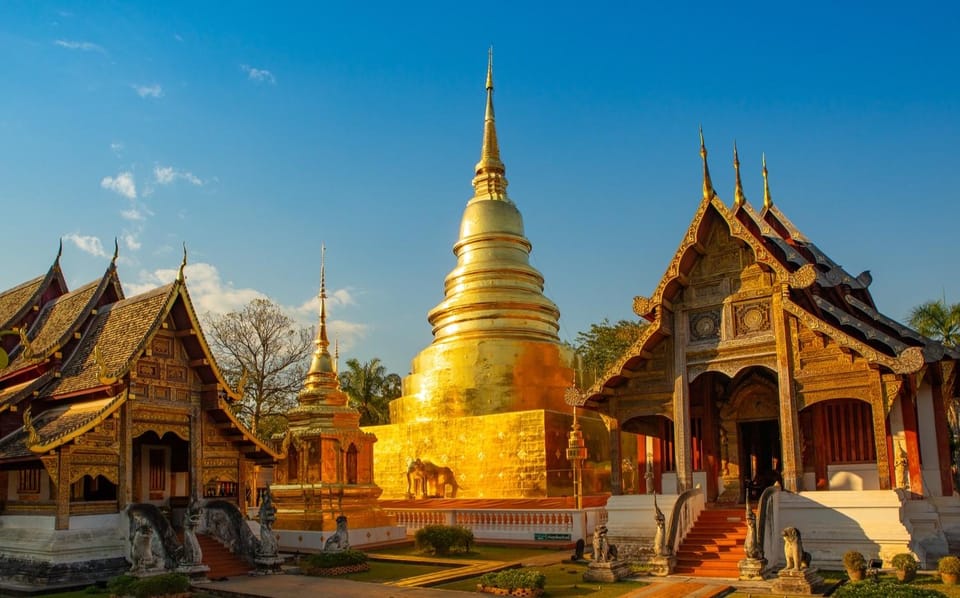
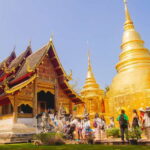
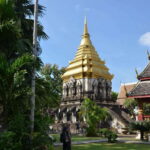
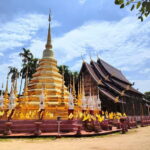
From the gate, you move to Wat Chiang Man, widely known as Chiang Mai’s oldest temple. The payoff isn’t only that it’s old—it’s that your guide helps you read the place. The temple features ancient stone carvings that show scenes from the early days of the Lanna Kingdom, and you’ll learn how to spot what the carvings are depicting.
This is the type of stop where one extra explanation changes everything. Without it, you might treat the carvings like background ornament. With it, they become visual storytelling—Lanna identity etched into stone.
You’ll also have time that feels like a break from pure monument-viewing. The tour includes an opportunity to sample street snacks in the area, so you’re not only standing and listening—you’re tasting and observing how the neighborhood moves around these landmarks.
Walking the city moat and spotting the “why” behind the walls
Between temple stops, you follow parts of the historic city moat. Even if you’ve seen moats in other cities, Chiang Mai’s moat feels personal because it’s tied to the city’s defense and growth. Your guide explains how it was constructed and why it mattered, not as a history trivia question, but as the reason the city’s shape and planning developed the way it did.
This is also one of the best times to slow your pace a bit. The walk segments are short enough to keep energy up, and the information keeps stacking. Each stop feels like it’s answering something you just heard—rather than switching topics every five minutes.
Sompet Local Market: where Lanna meets lunch-time reality
A big part of why this tour works is that it doesn’t treat history as a museum-only experience. You spend time at Sompet Local Market, where you can sample fresh fruit and get a feel for day-to-day local life.
This is a sensory stop, and it’s handled like a social break, not a forced sales pit. You’ll be offered chances to taste local snacks, and the guide’s talking style helps you connect what you’re eating to the city around you—how people live their normal hours while the ancient monuments remain in view.
If you’re the kind of traveler who likes your “culture” to include actual calories, you’ll appreciate that the tour doesn’t leave you starving until you find dinner later.
Three Kings Monument and the royal timeline markers
Next up is the Three Kings Monument, dedicated to the monarchs the city holds in special reverence. The key value here is how your guide uses it as a turning point in the story. Instead of moving on to another temple, you get a clearer timeline—who mattered, why they mattered, and how that reverence shows up in how Chiang Mai presents its identity.
As you walk through the area, you also pass a museum that was once a royal palace and later served as an administrative center. Today it houses exhibits, and even though you’re not spending hours inside during this tour, the fact that the building changed roles helps you understand how power moved through the city.
It’s a nice “bridge” moment. You go from temple symbolism to governance and daily authority, all without the tour turning into a textbook.
You can also read our reviews of more historical tours in Chiang Mai



Wat Phra Singh and the 1900 government school stop
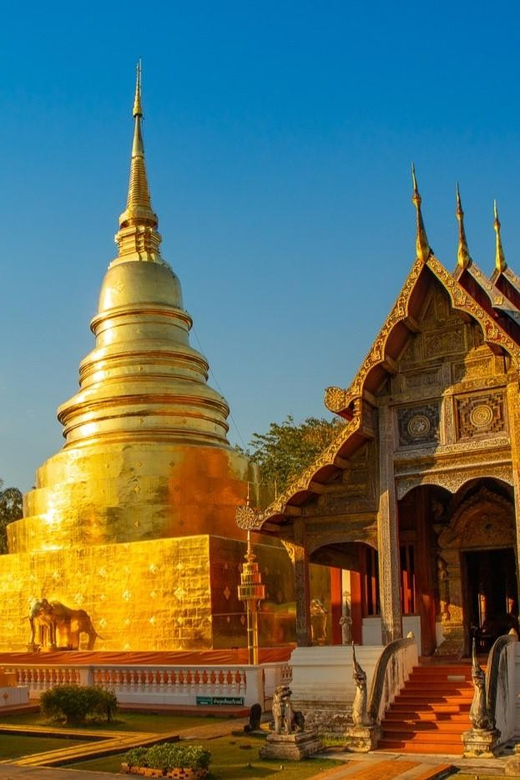
You then head to Wat Phra Singh, another cornerstone temple with significant importance across different historical periods. Again, the difference is in the guidance. You don’t just see a beautiful temple—you get the historical weight that explains why this site earns respect.
Right around this stretch, you also visit Chiang Mai’s first government school, established in 1900 during the reign of King Rama VI. This matters because it reminds you that cultural shifts weren’t only about kings, wars, and temple building. Education and modernization also changed Chiang Mai’s trajectory, and you get a tangible anchor point for that.
Then there’s a short break time, which is smart on a 4-hour walking route. You’ll be ready for the next leg without feeling wiped out.
Coffee break in Chiang Mai style
At some point during the tour, you take a relaxed pause at a local café. The tour includes a coffee or other drink, plus time to reset. This is when I like to sit for a minute and look around. You’re still in “walking tour mode,” but you’re also seeing how the city’s present-day rhythm feels after the temple stops.
This café break also helps you avoid the common problem on city walks: rushing through history so fast that nothing sticks. With a drink in hand, you get time to think about what you just heard—especially the way Lanna’s story connects to Siam and later national chapters.
Wat Pan Tao: traditional Lanna architecture with palace roots
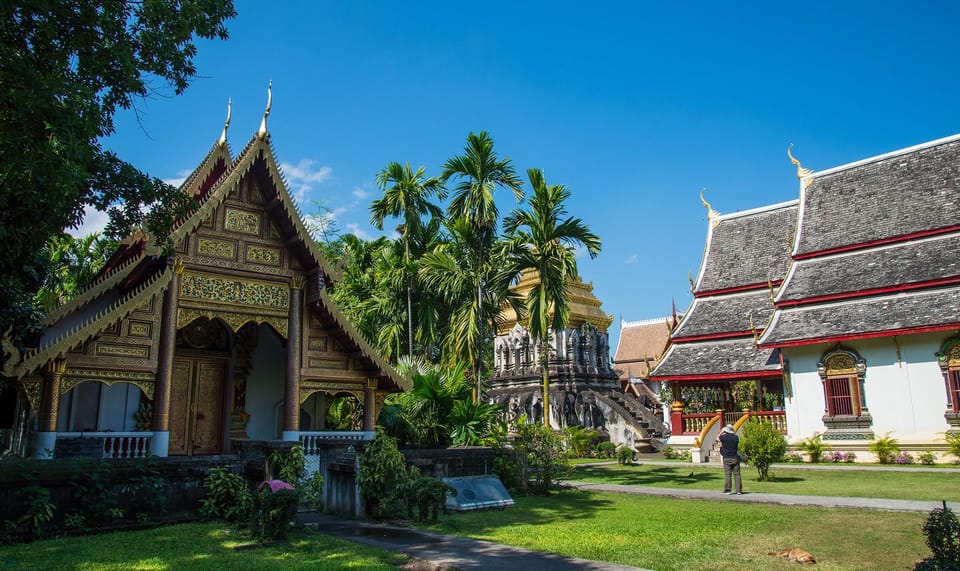
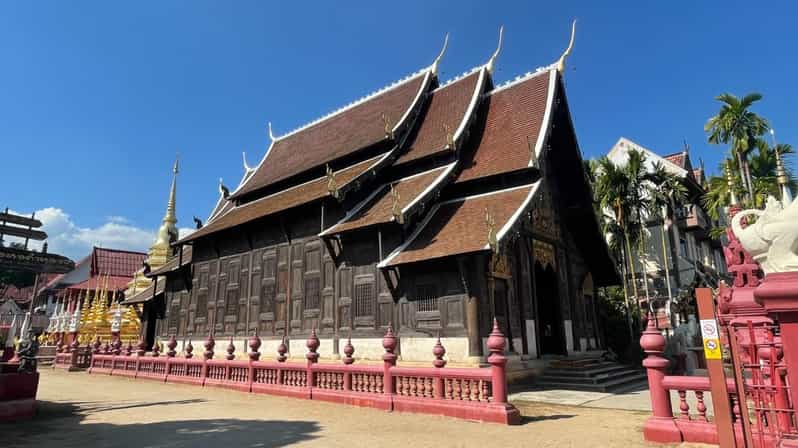
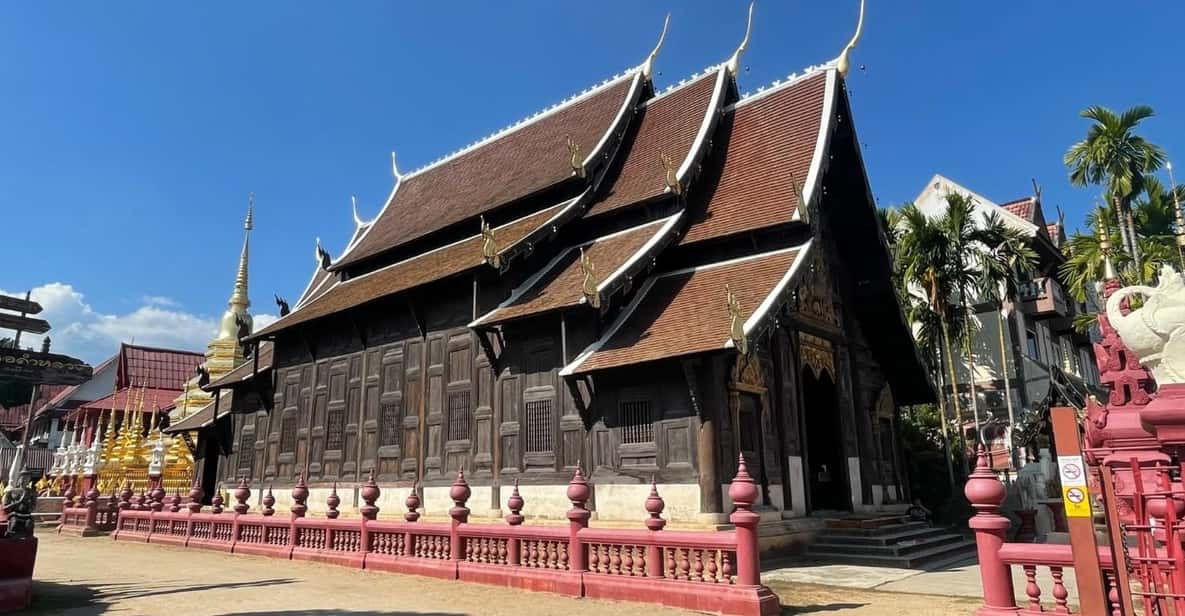
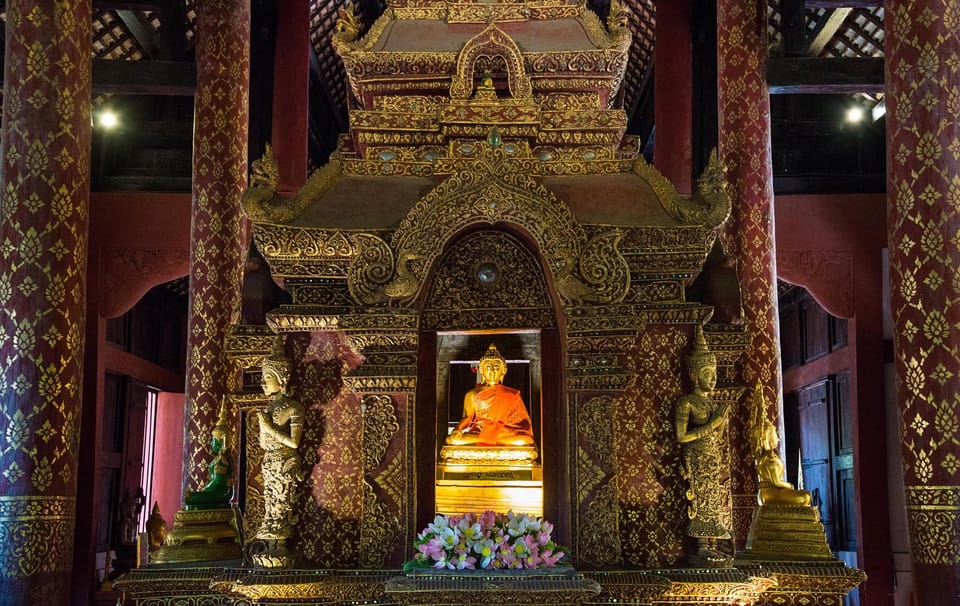
One of the last temple stops is Wat Pan Tao, a standout example of traditional Lanna architecture. The special detail here is that it was originally part of the old royal palace, so you’re not only looking at a religious building—you’re seeing the architectural style of power.
That connection makes the place feel different. You start paying attention to structure and design rather than treating the temple like a single “wow photo” moment. Your guide helps you understand why the layout and elements matter.
It’s also a good end-of-tour energy check. At this stage, your brain is full of dates and themes, and then Wat Pan Tao brings it back to design. History becomes visible again.
The renovation site: from a women’s prison to early royal evidence
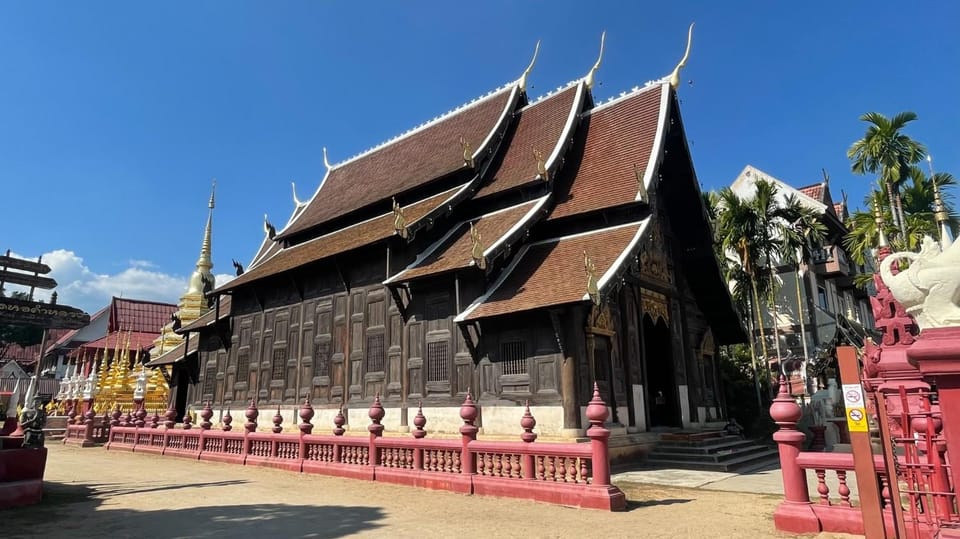
Between the later temple moments, you get a look at an ongoing renovation site. It was formerly used as a women’s prison, and during the work, there’s evidence suggesting an early Lanna royal palace beneath or connected to the area. The plan is to develop it into a historical park.
This stop is valuable because it shows history as something still being uncovered—not finished, locked, and done. You’re seeing the process of interpretation in real time. And because it’s under renovation, it also comes with the realistic expectation that access and viewing angles may be limited compared to a fully open temple.
If you’re someone who enjoys “how we know what we know,” this part tends to land well.
Wat Chedi Luang: the big finish with stories attached
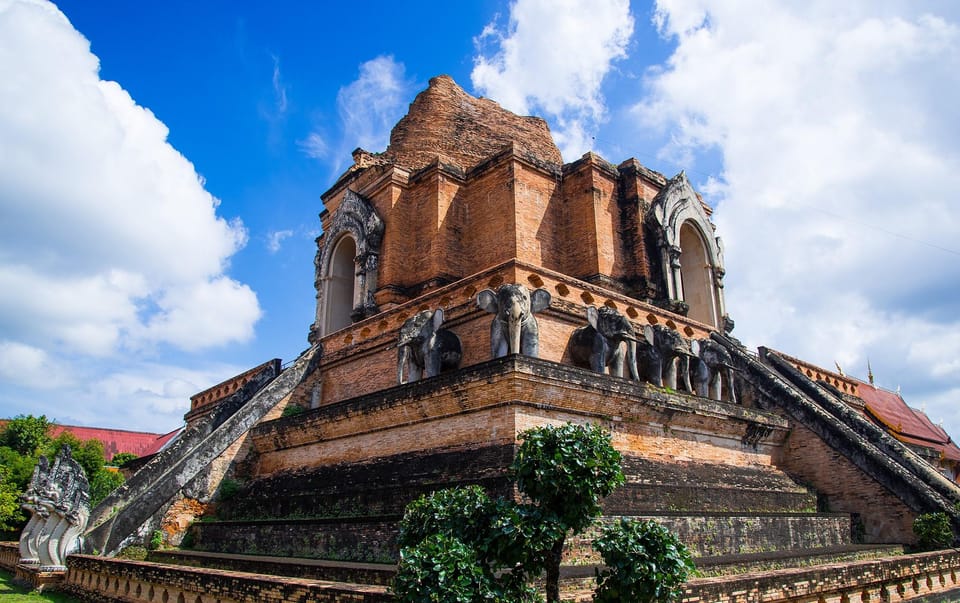
Finally, you end at the majestic Wat Chedi Luang. It’s one of the most iconic Chiang Mai temples, and your guide uses the finale to tie together what you learned earlier—the way Lanna identity shaped monuments, and how the city’s later changes didn’t erase the older layer.
This is where the tour’s pacing works best. You’ve already heard the Lanna story from the gate, learned how carvings and architecture communicate identity, and watched how daily life keeps operating around these sites. By the time you reach Chedi Luang, you’re not starting from zero. You’re connecting dots.
And yes, it’s a temple you’ll want to take a few photos of—but the best part is listening while the guide connects events and significance to what you see in front of you.
Price and what $45 actually buys you
The tour is listed at $45 per person for about 4 hours. In a lot of Chiang Mai walking tours, that price can feel like it covers mostly the guide and maybe a ticket or two. Here, the included value is clearer.
Your ticket covers:
- Entry fees for the historical and cultural sites on the route
- A guided tour by a local expert (English)
- A bottled water throughout
- A complimentary beverage at a café
- Local snacks during the walk
- Two-way hotel transfer (or you can meet at Tha Pae Gate)
Meals like lunch aren’t included, so plan to eat after the tour. Still, for a price point this reasonable, you’re not scrambling for drinks, tickets, or scattered costs during the day.
Logistics that matter: private group, short walks, comfortable shoes
This is a private group tour with an English live guide, which usually means more flexibility for questions and pacing. Even if the group is small, the structure stays the same: short walking segments between stops, then time to look and listen.
The tour asks you to bring sports shoes. That’s not just a formality. Temple areas often mean uneven stone and compacted paths, and you’ll appreciate stable footing when you’re walking for hours.
Respect matters too. The tour requests appropriate clothing for Buddhist temples, short skirts are not allowed, and you should skip alcohol and drugs entirely.
Who should book this tour (and who might want a different pace)
This walk is a strong match if you:
- care about history with location-based context (not just names on a sign)
- like architecture explanations, especially Lanna design and carvings
- enjoy mixing temples with food stops and local-market moments
- want a private guide who’ll answer questions
It’s not suitable for children under 8 and people over 80, based on the tour’s guidelines. If you have mobility concerns, you should consider whether a 4-hour walking route fits your comfort level.
Should you book the Lanna Heritage Walking Tour?
If you want Chiang Mai that feels human—temples with stories, plus market snacks and coffee—this tour is a smart buy. The strongest reasons to book are the way the route builds a timeline from Tha Pae Gate to Wat Chedi Luang, and the fact that you’re not only looking at monuments; you’re also eating local food and learning how daily life sits beside the past.
I’d skip it if you’re looking for a strictly “stay seated, minimal walking” format or if you’d rather tour on your own time without a set sequence. But for most visitors who want a clear, well-guided history walk, this one delivers good value for your time and your money.
FAQ
How long is the Lanna Heritage Walking Tour?
The tour lasts 4 hours.
Where do I meet the guide?
You can either be picked up from your hotel or meet at Tha Pae Gate.
Is the tour guide available in English?
Yes. The live tour guide speaks English.
What’s included in the price, and what isn’t?
Included: guided tour, entry fees, a bottle of drinking water, a complimentary coffee or drink at a café, local snacks, and two-way hotel transfer. Not included: lunch and other meals.
What should I bring or wear?
Bring sports shoes. You should dress appropriately to respect Buddhist temples. Short skirts are not allowed.
Who isn’t this tour suitable for?
It isn’t suitable for children under 8 years old or for people over 80.
Can I cancel and get a full refund?
Yes. You can cancel up to 24 hours in advance for a full refund.